Do I have to label AI content? If it could pass for real, yes.
The short answer
Label realistic AI video; clearly unreal Characters usually need no label on YouTube.
YouTube asks you to disclose content that could pass for a real person, place or event, and since May 2026 adds a label itself when it detects photorealistic AI. In the EU, deep fakes must be disclosed, lightly in fiction.
Not legal advice. A lawyer should review this before you rely on it, above all the EU rule.

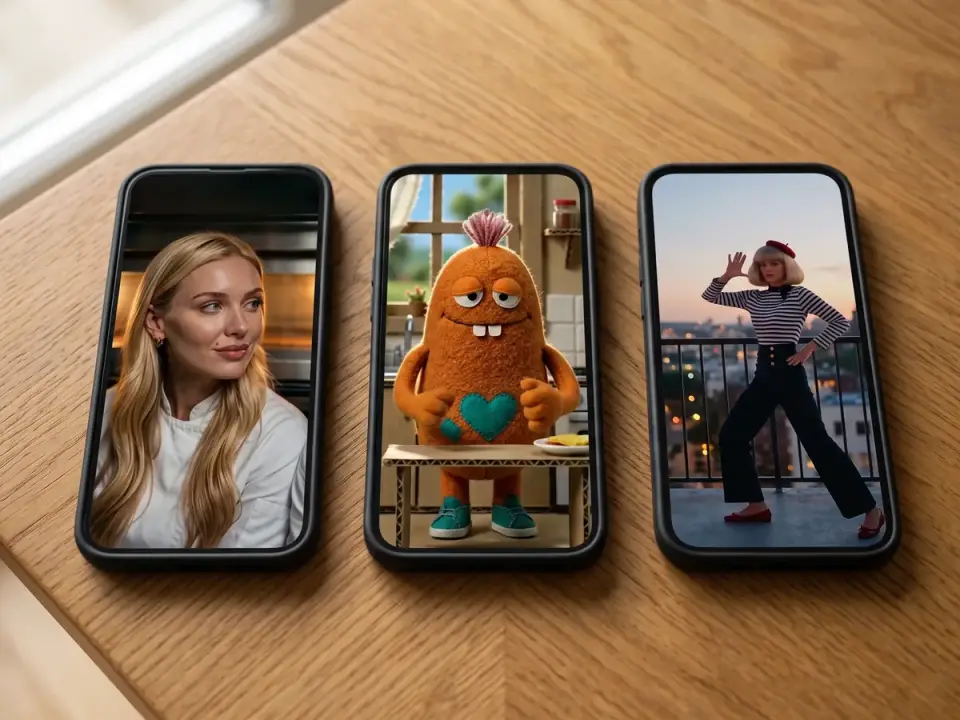
Live action · could pass for real
 Elodie SterlingThe pastry chef
AI label
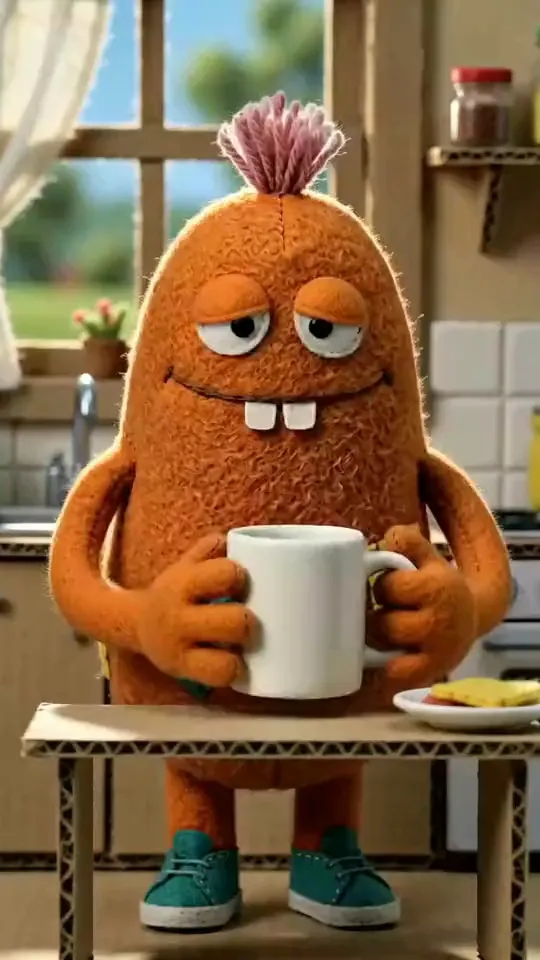
Felt Craft · clearly unreal
 BodoBefore coffee. After coffee.
No label
Looks real? Label it.
- YouTube
Disclose content that “generates a realistic scene that didn’t actually occur”.
Elodie: label - YouTube, since 27 May 2026
If you do not say and it detects “significant photorealistic AI use”, it applies the label itself.
Elodie: labelled anyway - YouTube
No disclosure for content that is “clearly unrealistic, animated, includes special effects”.
Bodo: no label
YouTube’s own words, checked 15 Nov 2026. TikTok, Meta and the EU are below.
- Make itStudioLive
- Give it a homePublic pagesInvite only
- Fans payNextNo prices yet.
Four rule books
Four rule books over one Episode.
Each platform asks for its own label at upload. In the EU, the law asks that deep fakes be disclosed, lightly in fiction.
The EU: disclose deep fakes.
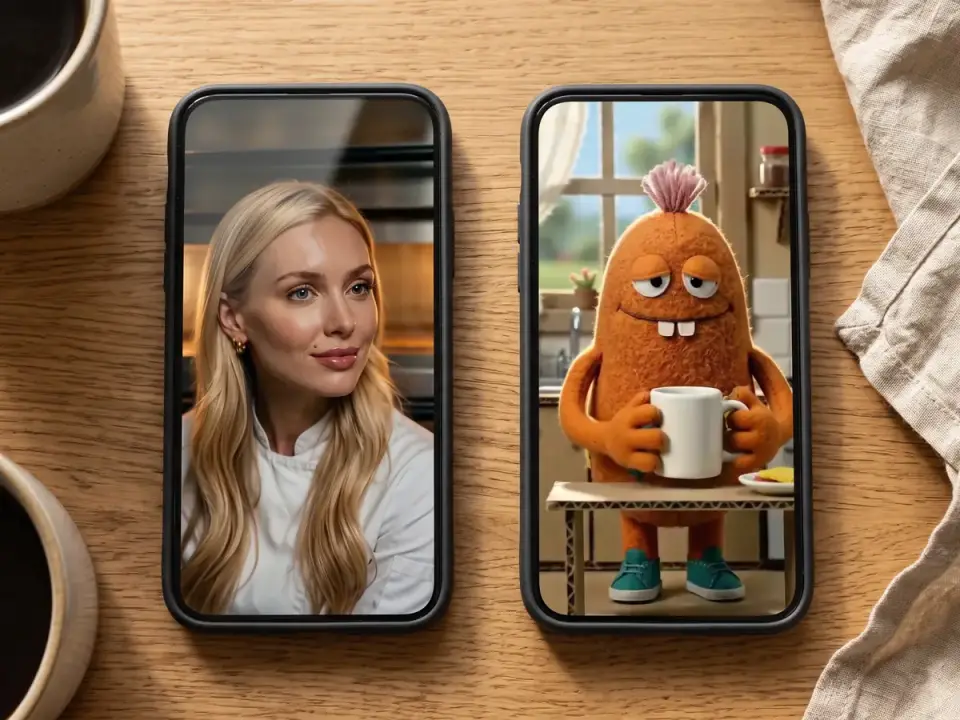
Elodie SterlingThe pastry chef, photoreal
Could pass for real, so every rule applies
- YouTube
A real person saying what they did not, altered real footage, a realistic scene that never happened.
Disclose it at upload; the label alone will not cut reach or pay.
YouTube Help and Blog - TikTok
AI content “that shows realistic-looking scenes or people”.
Label it; unlabelled posts “may be removed, restricted, or labeled”.
TikTok Guidelines, 24 Sep 2026 - Meta
Posts “with a photorealistic video or realistic-sounding audio that was digitally created or altered”.
Use its disclosure and label tool when you post.
Meta, 6 Feb 2024 - EU AI Act
Deep fakes: content resembling real people, places or events that would falsely appear authentic.
Disclose it; in evident fiction, in a way that “does not hamper” the work.
Art. 50(4), from 2 Aug 2026
See the four rules side by side
| Rule | What triggers it | Fiction or animation | Since |
|---|---|---|---|
| YouTube | Realistic content: a real person, altered real footage, a realistic scene that did not occur | Clearly unrealistic or animated content: no disclosure | 18 Mar 2024; auto-labels 27 May 2026 |
| TikTok | AI-generated or significantly edited content showing realistic-looking scenes or people | Not stated | Guidelines effective 24 Sep 2026 |
| Meta | Photorealistic video or realistic-sounding audio, digitally created or altered | Not stated | 6 Feb 2024 |
| EU AI Act, Art. 50(4) | A deep fake: resembles real persons, objects, places or events and would falsely appear authentic | Evidently fictional or artistic work: a disclosure that does not hamper it | 2 Aug 2026 |
Sources: YouTube Help; YouTube Official Blog; TikTok; Meta; EUR-Lex. Dates under Sources.
Three mistakes
Three ways a label goes wrong.
Leaving it off, borrowing a real person, and quietly altering real footage.
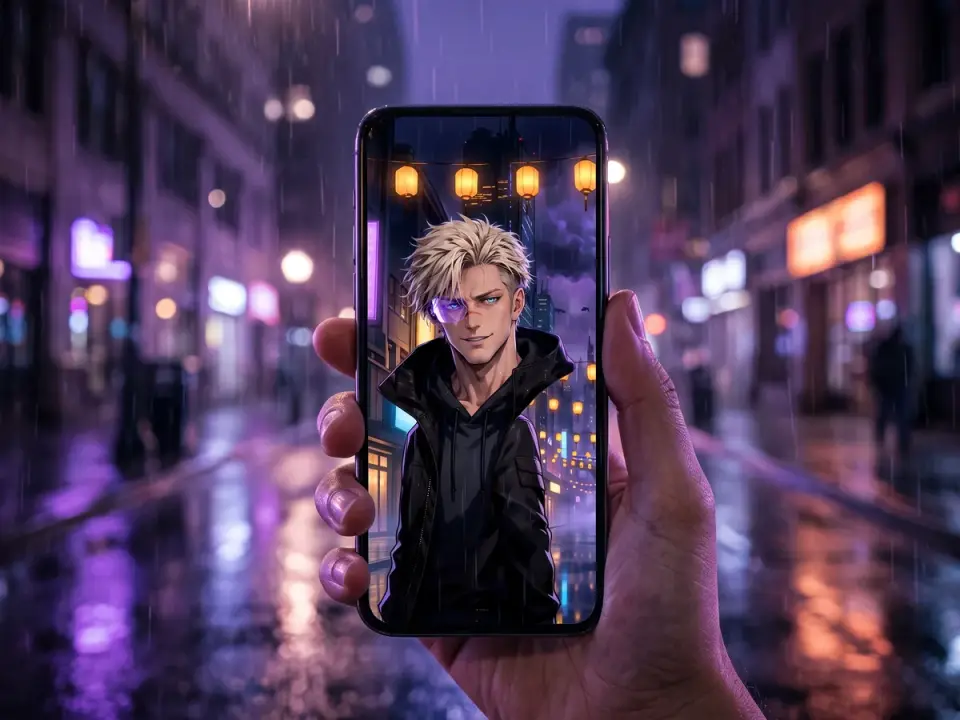 Labelled by YouTube
A realistic scene, left unlabelled.
If you do not say, and YouTube detects “significant photorealistic AI use”, it now applies the label itself (YouTube).
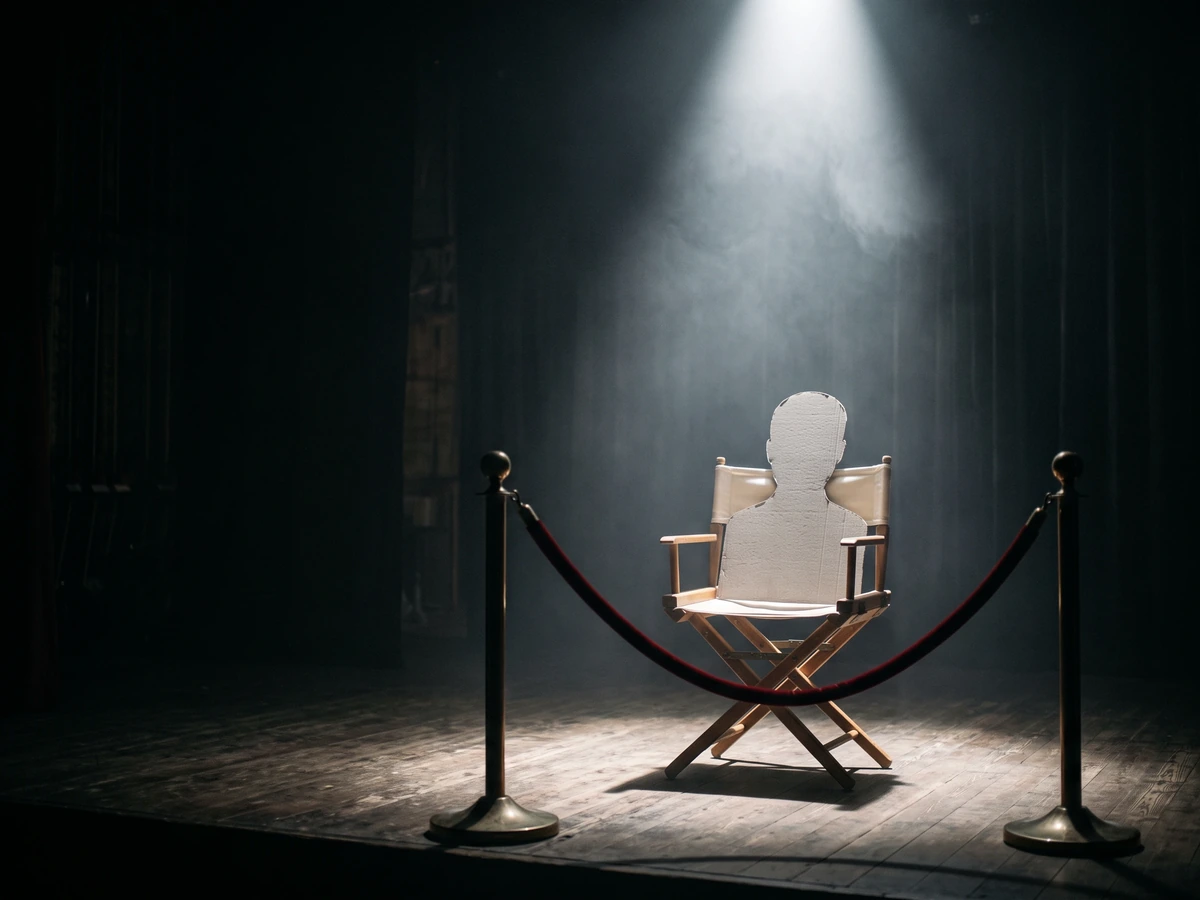 A real person, unasked
A fictional CharacterYour own face
Someone else, unaskedA real person in a fictional Episode.
A label does not make it fair. YouTube still lists making “a real person appear to say or do something they didn’t do”.
 Label it
Real footage, quietly altered.
Putting your Character into a real clip alters real footage, which YouTube asks you to disclose.
Questions
Do I have to label AI videos on YouTube?
Yes, when the content could pass for real: a real person saying something they did not, altered real footage, or a realistic scene that never happened. Clearly unrealistic content, like animation or fantasy, does not need it.
Does the AI label hurt views or money?
YouTube says “a disclosure label alone does not change how a video is recommended or whether it’s eligible to earn money.”
Does a cartoon or puppet Character need a label?
Not on YouTube, if it is clearly unrealistic. A felt monster like Bodo reads as animation. A photoreal Character like Elodie, in a realistic scene, does need one.
What does the EU AI Act require?
From 2 August 2026, those who use AI to make deep fakes, content resembling real people, places or events that would falsely appear authentic, must disclose it. In evidently fictional or artistic work, a disclosure that does not spoil the work is enough. A lawyer should confirm how it applies to you.
What about TikTok and Instagram?
TikTok requires a label on AI content showing realistic-looking scenes or people. Meta requires its disclosure tool for photorealistic video or realistic-sounding audio on Facebook, Instagram and Threads. Follow each app’s prompt at upload.
Is putting my Character into real footage a deep fake?
It can be, if it looks real. YouTube lists content that “alters footage of a real event or place” among what must be disclosed. Label it, and use only footage you own or have the rights to.
Sources
Each checked against the source on 15 Nov 2026, unless the entry says otherwise.
- Disclosing use of GenAI content, YouTube Help, Undated page.
- Improving AI labels for viewers and creators, YouTube Official Blog, 27 May 2026.
- How we’re helping creators disclose altered or synthetic content, YouTube Official Blog, 18 Mar 2024.
- Community Guidelines: Integrity and Authenticity, TikTok, Released 25 Aug 2026, effective 24 Sep 2026.
- Labeling AI-Generated Images on Facebook, Instagram and Threads, Meta, 6 Feb 2024.
- Regulation (EU) 2024/1689 (the AI Act), Articles 3(60), 50(4) and 113, EUR-Lex, 12 Jul 2024 (Official Journal); consolidated 27 Jul 2026.