What is YouTube’s inauthentic content policy? No pay for sameness. A story you invented can earn.
The short answer
YouTube refuses to pay for repetitive or mass-produced video, but pays for original AI stories.
Its monetization policy, renamed “inauthentic content” on 15 July 2025, names “using AI to visualize a unique character and narrative you invented” as work that can earn. Reviewers judge the whole channel, not one video.
This is a reading of YouTube’s published policy. YouTube decides.
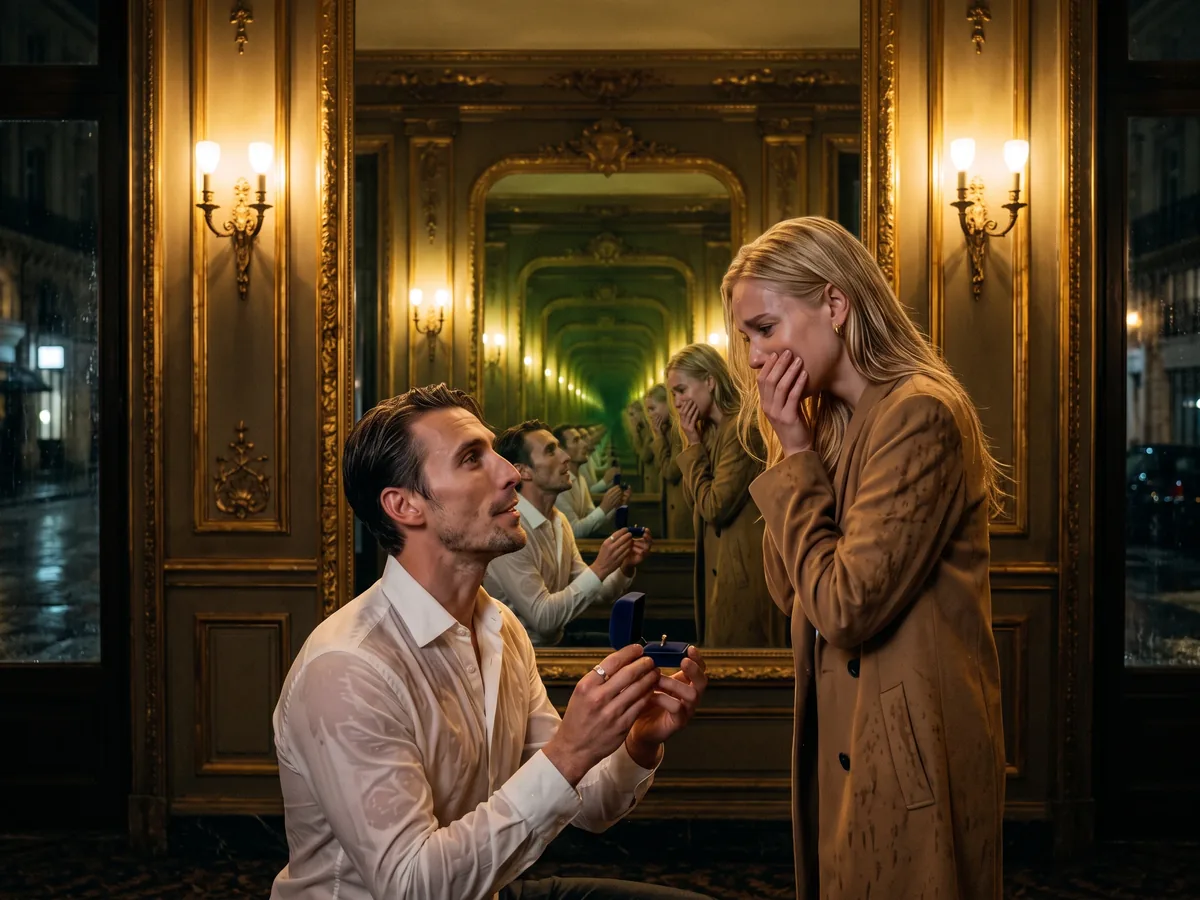 Inauthentic: not paid
AI from generic templates, at volume.
Out: “AI-generated content made with generic or unoriginal templates giving the impression of mass production” (YouTube).
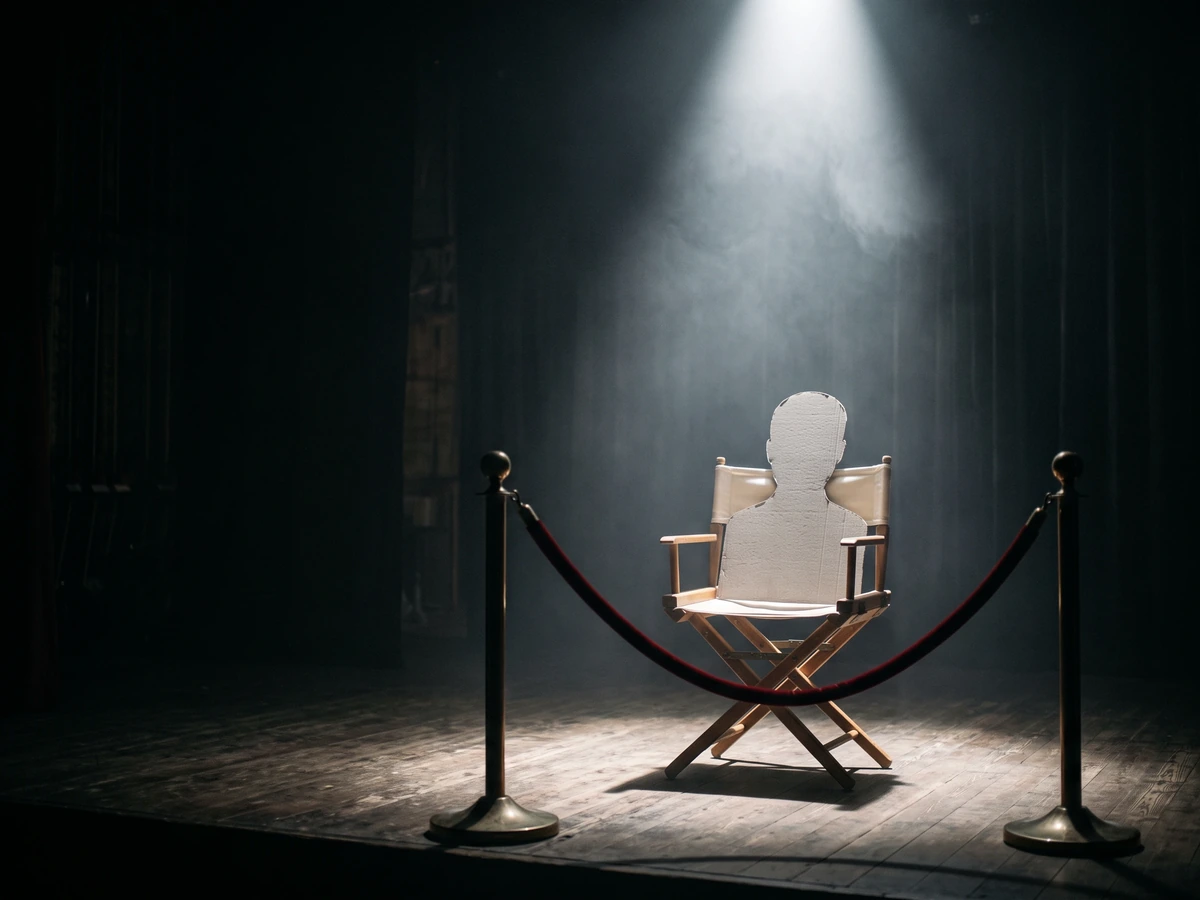 Deceptive: not paid
Fiction told as fictionA story you invented
Fake news eventsRealistic scenes that fake real events.
Out: visuals “tricking viewers into believing a fake celebrity death or natural disaster has occurred”.
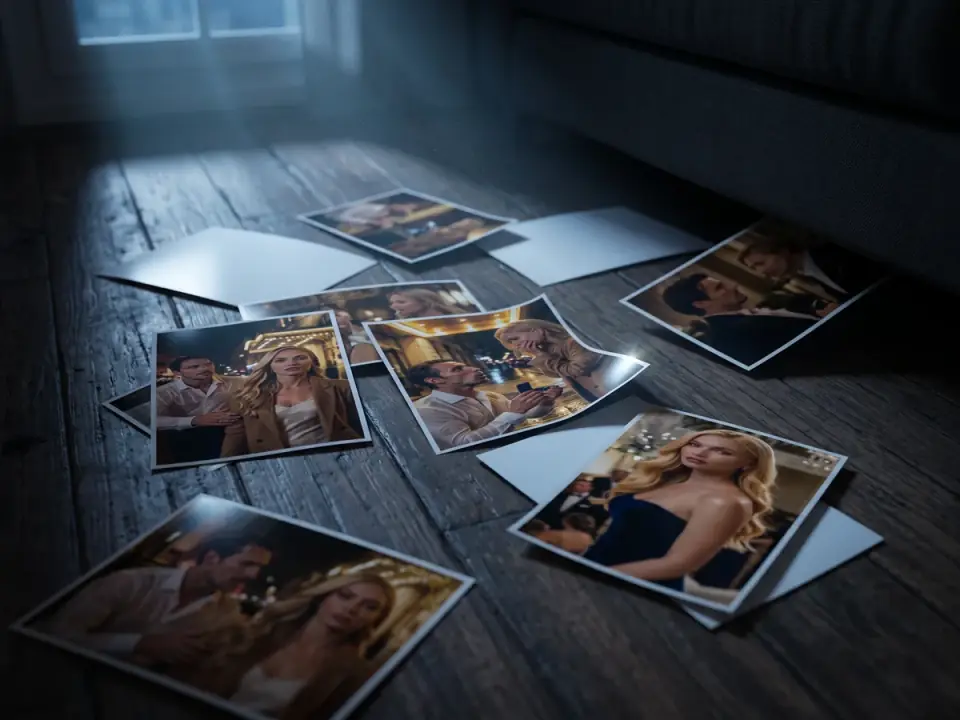 No narrative: not paid
Slideshows and scrolling text, no story.
Out: “image slideshows, templated storylines, or scrolling text with minimal or no narrative”.
- Make itStudioLive
- Give it a homePublic pagesInvite only
- Fans payNextNo prices yet.
The self-check
Six questions in the policy’s own words.
Answer for your channel as a whole. Each answer keeps the policy line it matches: a reading, never a ruling.
Your channel, against YouTube’s two lists
1Does each video have its own storyline, focus or concept?
YouTube lists as able to earn “a series following a set of characters across episodes … each video has a distinct storyline, focus, or concept”
YouTube lists as not able to earn “Similar or repetitive content with low educational value, commentary, narratives, or minimal variation across videos”
2Is the Character, and the story around it, your own invention?
YouTube lists as able to earn “using AI to visualize a unique character and narrative you invented”
YouTube lists as not able to earn “AI-generated content made with generic or unoriginal templates giving the impression of mass production”
3Does each video build a story, not only a shock?
YouTube lists as able to earn “Content with a cohesive storyline that doesn’t rely solely on shock value to generate views”
YouTube lists as not able to earn “videos that stitch together unrelated or inconsistent AI clips to surprise or shock viewers”
4Beyond a shared intro and outro, is most of each video new?
YouTube lists as able to earn “Same intro and outro for your videos, but the bulk of your content is different”
YouTube lists as not able to earn “Image slideshows, templated storylines, or scrolling text with minimal or no narrative, commentary, or educational value”
5When you follow a trend, do you add your own spin?
YouTube lists as able to earn “a Short that puts your own personalized spin on a trend”
YouTube lists as not able to earn “mimics existing formats or stories to a degree that the videos feel interchangeable”
6Do your AI tools serve a story, never a hoax?
YouTube lists as able to earn “Content that utilizes creative tools to assist in delivering a unique, well-researched, or creative narrative”
YouTube lists as not able to earn “realistic visuals tricking viewers into believing a fake celebrity death or natural disaster has occurred”
Answer all six for your channel; each answer keeps the line it matches.Every answer matches a line YouTube lists as able to earn. A reading, not a ruling: YouTube reviews the channel and decides.At least one answer matches a line YouTube lists as not able to earn. Its reviewers look at the whole channel, so change that first.
What reviewers see
Reviewers judge the channel, not one video.
They may look at its main theme, most viewed and newest videos, biggest share of watch time, titles and thumbnails, and its About section.
Allowed: “Same intro and outro for your videos, but the bulk of your content is different”. YouTube Help
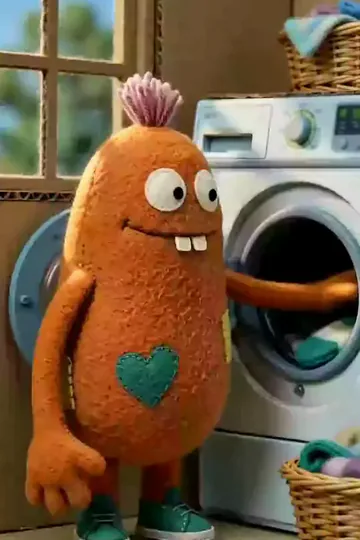
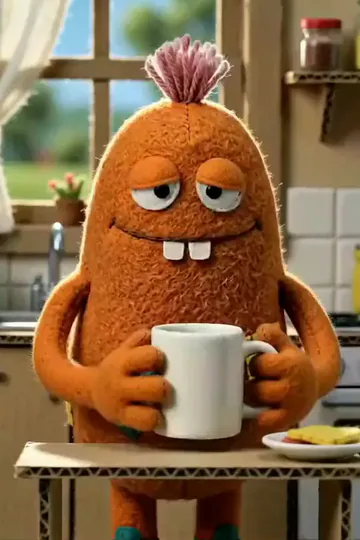
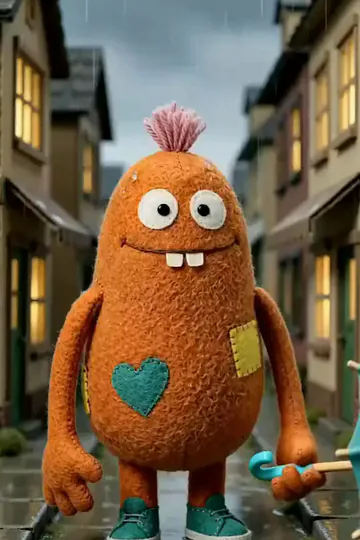
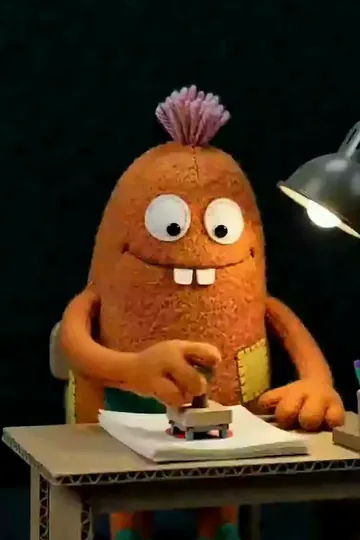
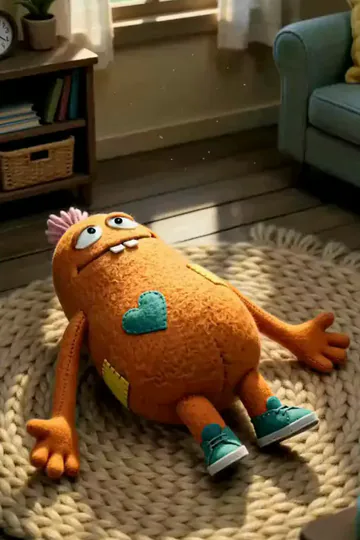
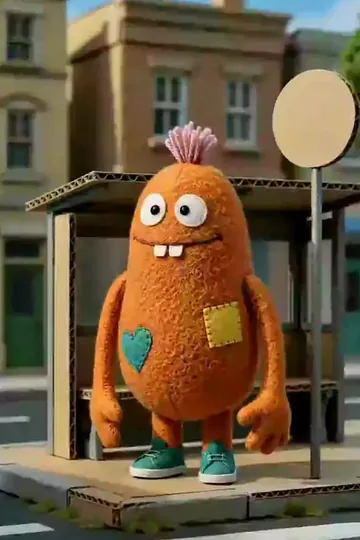
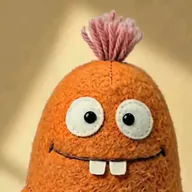 BodoFelt Craft · kept picture
Bodo fights the washing machine for one missing sock. The machine wins. Then it does not.
 Made
character.app/bodoInvite only
BodoClips, newest first
- New
Open to every fan
Members’ ClipsNext
What a fan sees
character.app/bodo
New ClipThe sock that never ends
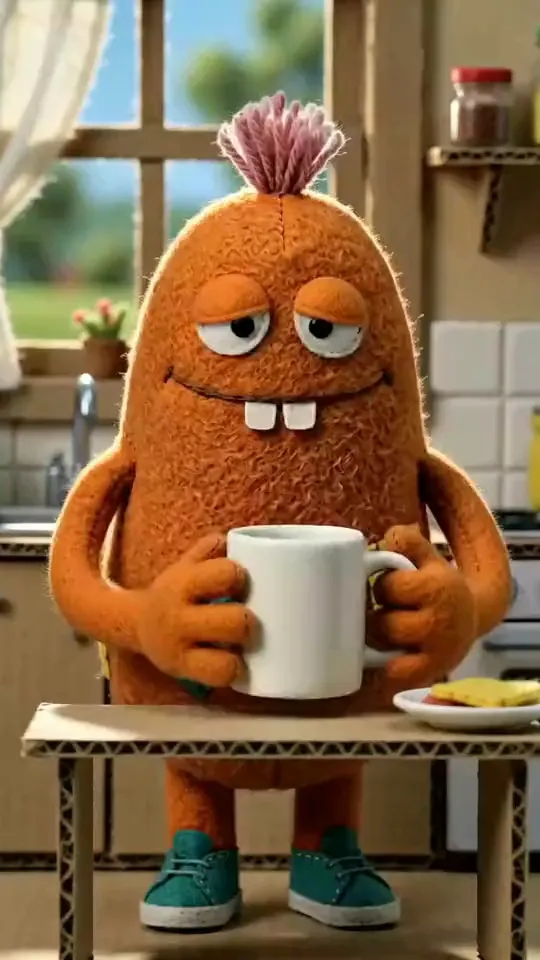
BodoFollowFollowing
The same felt Bodo in every Clip: his Look and Voice are kept.
Free: your idea as a Story starring your Character, with Scene 1 filmed.
The AI Director writes every Episode around a new situation, so no two feel interchangeable. AI series maker
You see the price of every Clip before you press. What a show costs
character.app/bodo lays out every Clip, newest first: the whole story in one place. Public pages
See what reviewers check, and what a breach costs
| What | YouTube’s words |
|---|---|
| Where reviewers look | Main theme; most viewed videos; newest videos; biggest proportion of watch time; video metadata (titles, thumbnails, descriptions); the About section |
| Beyond those | “our reviewers can, and may check other parts of your channel” |
| A breach | “we may temporarily turn off your monetization or terminate your accounts” |
| Out of the programme | “you are no longer entitled to earn any revenue” |
| Payments | Delays “of up to 90 days or until we’ve resolved any third-party rights disputes” |
Sources: YouTube Help. Dates under Sources.
Questions
What is the YouTube inauthentic content policy?
YouTube’s rule against paying for repetitive or mass-produced video. Until 15 July 2025 it was called “repetitious content”; YouTube says this content “has always been ineligible for monetization”.
Does YouTube demonetize AI videos?
Not for using AI. It refuses AI video “made with generic or unoriginal templates giving the impression of mass production”, and lists AI that visualizes a character and story you invented among what can earn.
Is there a YouTube inauthentic content checker?
YouTube publishes none; its reviewers decide. The self-check on this page asks six questions drawn from the policy’s wording and shows the line each answer matches. It is a reading, not a ruling.
What happens to a channel that breaks the policy?
YouTube says it “may temporarily turn off your monetization or terminate your accounts”. A channel suspended from the programme is no longer entitled to any revenue, and payments can be held for up to 90 days.
Can I appeal if my channel is demonetized?
The policy page links to what to do if you think your channel was terminated by mistake, and to a separate page on reapplying. It does not describe one appeal process for every case.
Do the 2027 changes affect this policy?
The terms announced for 1 February 2027 raise the views and watch-hour bars; the announcement does not redefine original content. What changes in 2027.
Sources
Each checked against the source on 16 Nov 2026, unless the entry says otherwise.
- YouTube channel monetization policies, YouTube Help, Undated page (update of 15 Jul 2025 noted).
- New opportunities to earn and changes to the YouTube Partner Program, YouTube Official Blog, 10 Aug 2026.