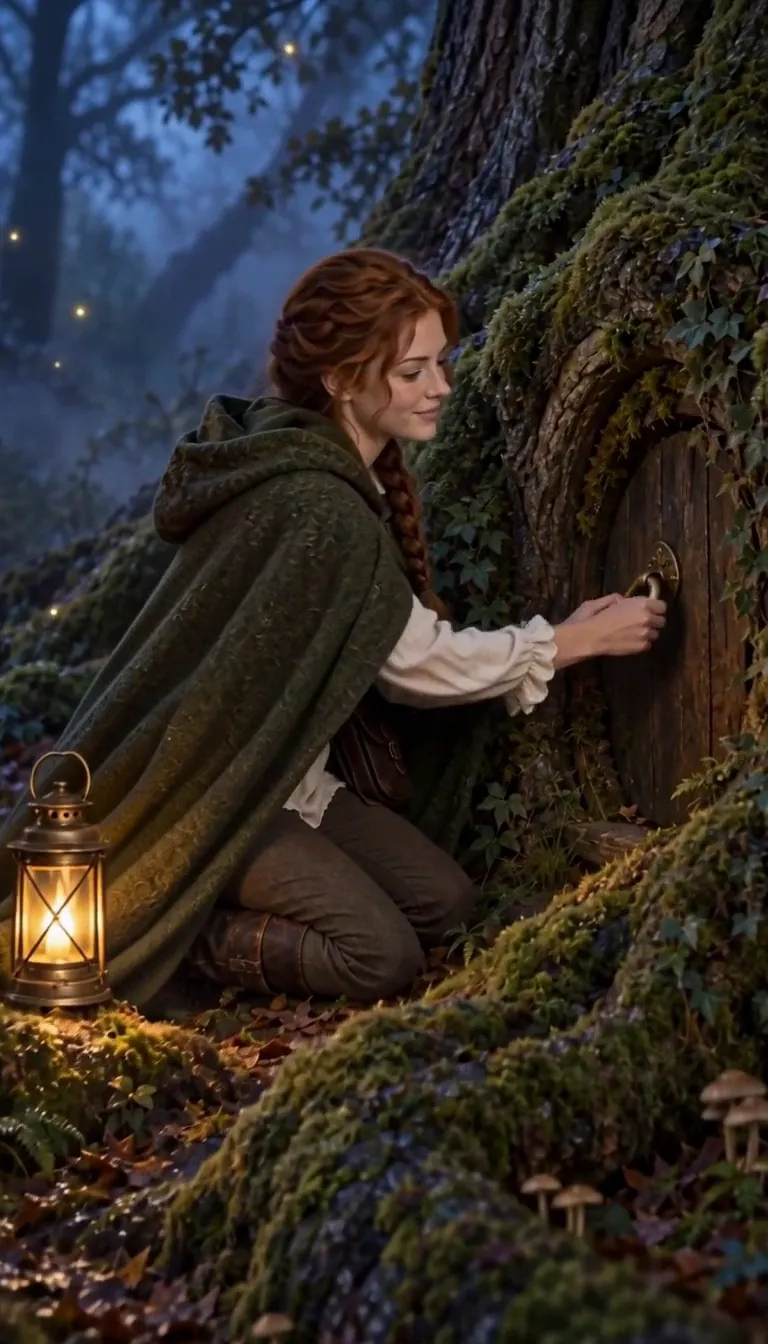
Pick one place the cast returns to
Start with a single room, not a map. The Waystone Tavern works because it’s a crossroads — everyone has a reason to pass through, and everyone has a reason to come back. A world built around one returnable place generates episodes; a world built around a continent generates a wiki.
Choose the place by what it lets happen: an inn collects strangers, a border town collects smugglers, a library collects secrets. The set is the machine — and one drawn room stays on-model where a hundred invented locations won’t.
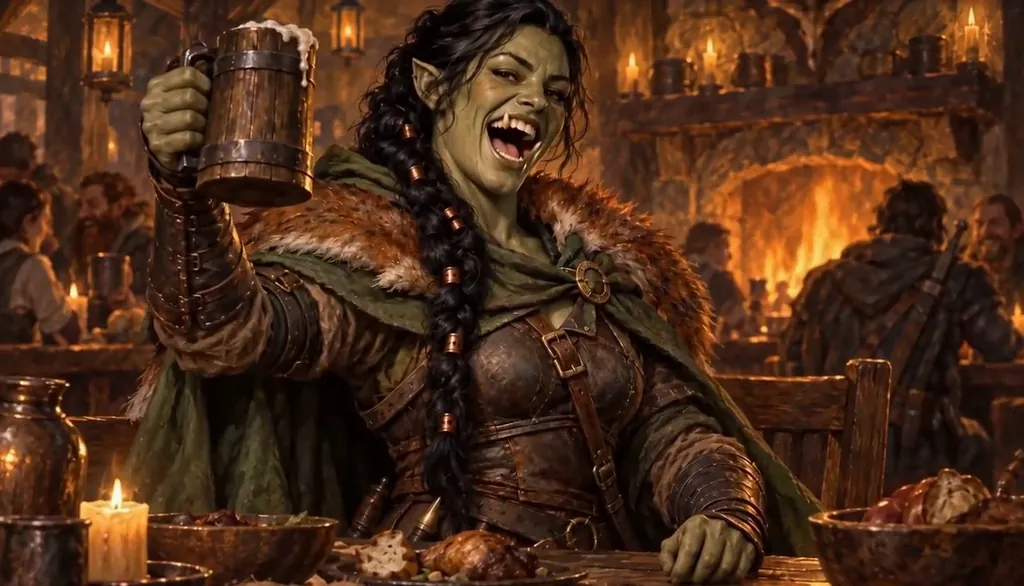
Brisa Thornvale · First round's on the dragon. Original character made for Character App’s character pages with gpt-image-2.5 and H3 Turbo Write one rule the magic keeps
Magic systems don’t need spreadsheets — they need one rule with a cost. “The tome shows any truth, but reads a memory in payment” is a whole magic system: it creates scenes (what will Yara pay tonight?) and it can never contradict itself, because there’s only one rule to keep.
Write it as a single sentence the World holds forever. When episode nine needs a miracle, the rule decides what it costs — the constraint is what makes the magic feel real instead of convenient.

Emberwing · Emberwing. Made with H3 Turbo, the Clip model in Character App · fictional sample series Bury one secret the season is about
A fantasy world earns its second episode through a secret, not through lore. The empty stool where a vanished map-seller sat is worth more than three pages of history — it’s a question the audience wants answered and the season can pay off slowly.
Plant it as a detail, not a reveal: the thing nobody explains, the door that stays locked, the name the innkeeper won’t say. The World remembers it, so an episode ten callback lands for free — the audience notices what the show never forgot.
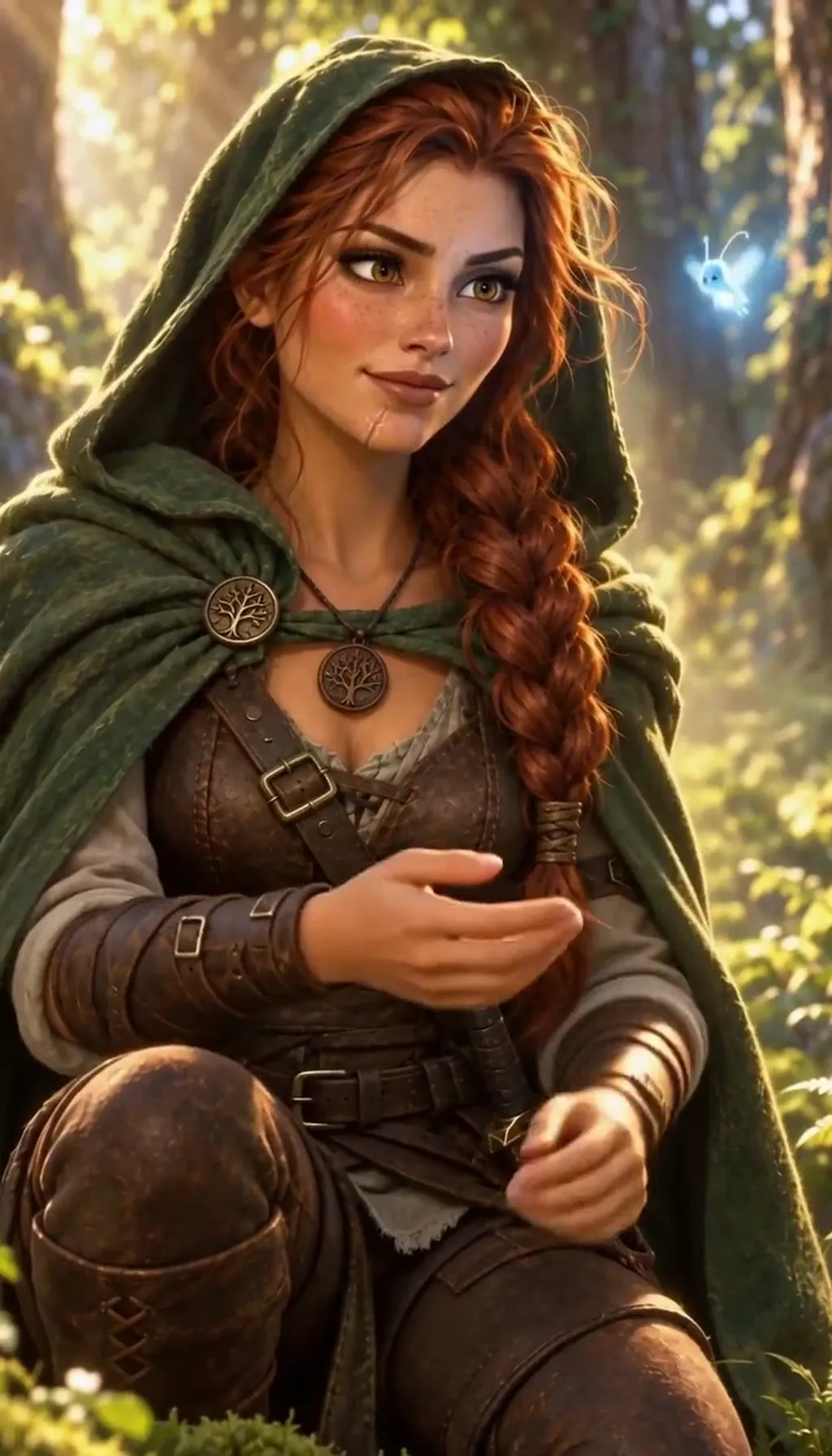
Brynn Halloway · The sprite (3D). Original character made for Character App’s character pages with gpt-image-2.5 and H3 Turbo Cast three regulars who embody the world
The world’s rules walk around as people. Archivist Yara is the magic rule made flesh; Sable carries the maps and the missing; Fen guards the door and the secret. Three regulars who each embody one piece of the world teach the audience the rules by existing.
Give each a silhouette and a signature — the tome, the map case, the satchel — and let the Cast hold them. A returning world needs returning faces; three regulars are enough, because a viewer should recognize every silhouette in the tavern by episode two.

The Wandering Flagon · A tiny dragon. Made with H3 Turbo, the Clip model in Character App · fictional sample series Open the first episode at the door
Start the series where the world meets the road: a stranger at the threshold, a toll to be paid, a question nobody answers. “The Toll at Emberfall” opens the whole show on a bridge at dusk — the world’s rules doing work in the first scene.
The first episode doesn’t need the whole map — it needs the place, the rule, and a glimpse of the secret. Everything else is season material: a world that only explains itself is a museum, so let the pilot break something in it.
Common mistakes
Building the atlas before the episode. Maps, timelines, and pantheons are procrastination wearing armor — one place, one rule, one secret is a whole foundation. Let lore grow when an episode needs it.
A magic system with no cost. Magic that does anything explains nothing — the cost is what generates story. One rule with a price beats ten rules with none.
Revealing the secret in episode one. The secret is the season’s fuel — plant it as a detail and let it smolder. A world that explains itself in the pilot has nothing left to promise.
A world the cast doesn’t embody. If nobody in the tavern is the magic rule or the buried secret, the world is wallpaper — cast the rules as people.
Questions
How much worldbuilding do I need before the first episode?
One place, one rule, one secret — fifteen minutes, not a wiki. The World fills in around the episodes you actually make; lore you never use is lore you never needed.
Can I put myself in the world?
Yes — a photo becomes a fantasy-styled character that keeps your likeness, heir to a kingdom included. The anime-photo guide covers the same pipeline in that genre.
What if my fantasy world is huge?
Huge is fine — the method still starts small. Anchor the show in one returnable place and let the scale exist off-screen; the audience meets the empire one toll bridge at a time.
Does the World keep continuity between episodes?
That’s what it’s for — the moved prop stays moved, the planted secret stays planted, and episode ten can call back to episode two because both happened in the same World.
Can I mix fantasy with another genre?
The World holds whatever rules you give it — a fantasy-satire or a cozy mystery with magic both work. Pick the rules deliberately; a genre is a bundle of promises the World agrees to keep.