The empty stage problem
Every scene-making tool starts you on an empty stage: describe a room, get a room — and next time, describe it again. Nothing persists, so nothing can accumulate. Your tenth scene knows as little about your show as your first one did.
That’s why disconnected tools produce disconnected clips: a scene without a World behind it has no set to return to, no cast to reuse, and no memory to build a story on. A World is the fix — it’s the difference between making footage and making a show.

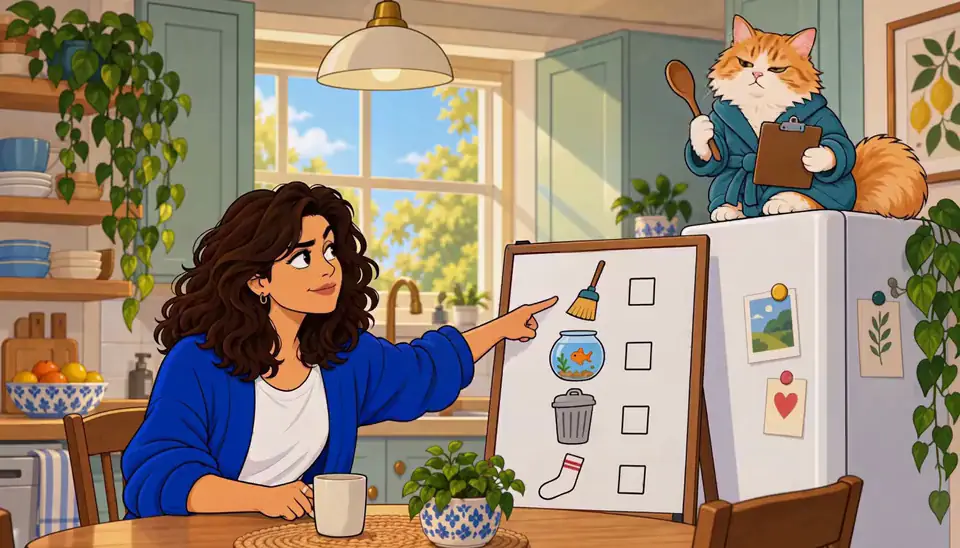
Emberwing · Emberwing. Made with H3 Turbo, the Clip model in Character App · fictional sample series A World is a set your cast can return to
The simplest thing a World holds is place. The living room, the lighthouse, the backlot — designed once, then reused in every episode, so the audience always knows where they are. Sets stop being generated per scene and start being inhabited.
The lineart pass is the tell: under every finished shot is the same room, redrawn only when you decide to change it. That continuity of place is what lets episode twelve feel like it still belongs with episode one.
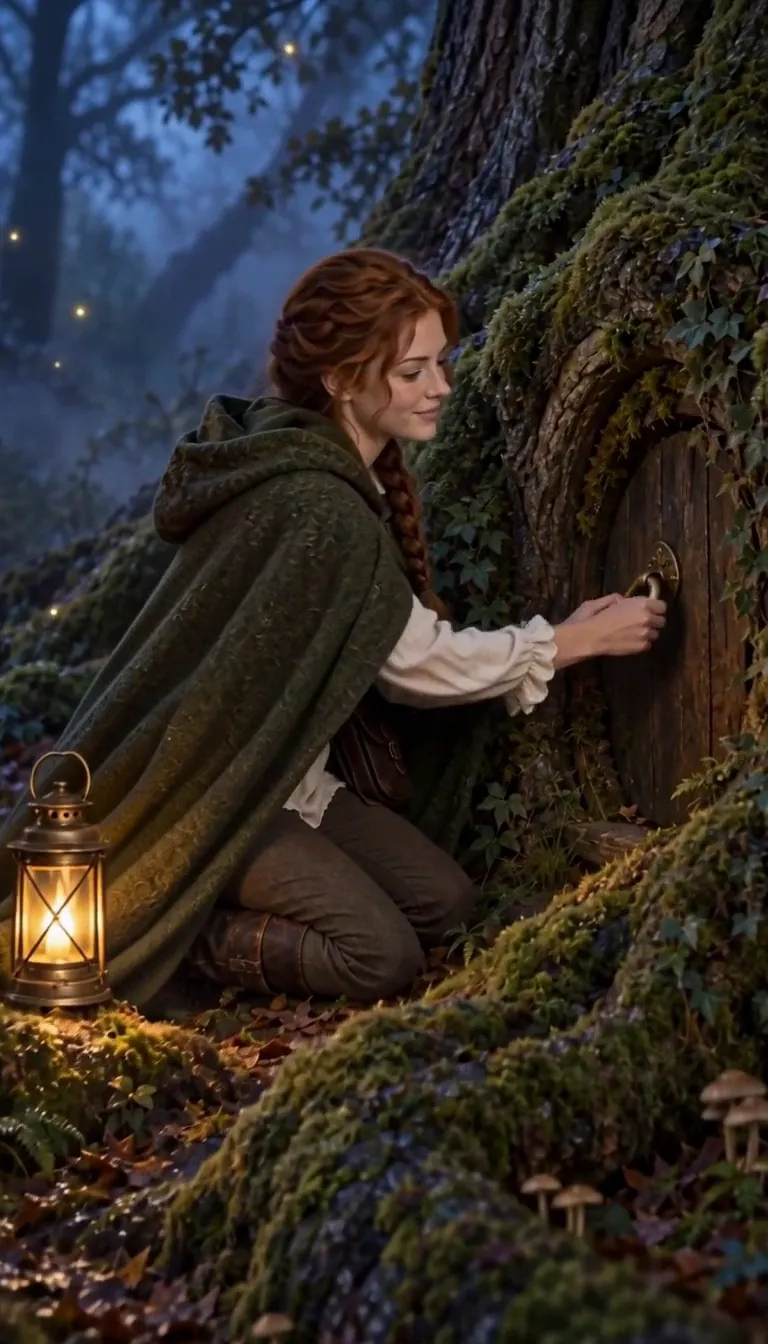
The Lantern Keeper · There you are. Made with H3 Turbo, the Clip model in Character App · fictional sample series A World holds the rules, not just the rooms
Sets are the visible half. A World also holds the rules the show keeps: the tone, the genre promises, who knows what. The mystery’s clues stay consistent, the sitcom’s grudges stay held, the magic system doesn’t contradict itself in episode seven.
This is what genre actually is — a bundle of rules a World agrees to keep. Pick vertical drama and the World keeps secrets; pick a cartoon show and it keeps the physics elastic. The genre guide you chose at the door is the World’s rulebook.
The line it came from: A violinist is booked to play her ex’s engagement party.
 E1The booking
 E2Too close
 E3Your fiancée is getting cold
 E4Encore
Midnight Sonata · one line to the AI Director: it casts the Characters and writes the Story as Scenes; plan each next Episode in one sentence. A fictional sample series made in Character App. The World remembers what happened in it
Here’s the part that makes it a story world instead of a theme: memory. A prop moved in episode two is still moved in episode five. A running gag keeps running because the World kept it. Continuity isn’t something you track in a spreadsheet — it’s a property of the container.
That memory is why seasons work: the finale can call back to the pilot because both happened in the same World. Disconnected scenes can’t call back to anything — they don’t share a past.
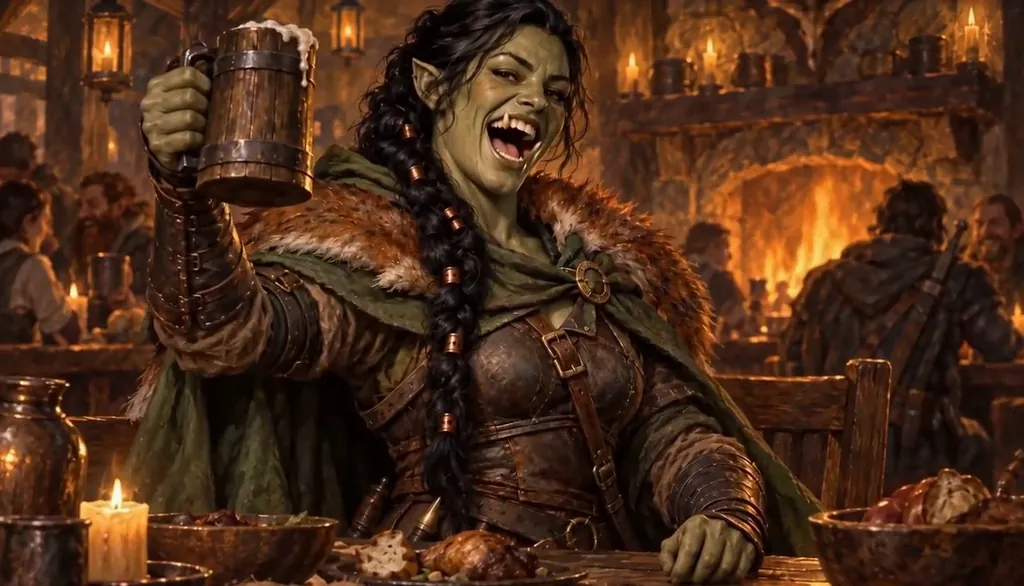
Brisa Thornvale · First round's on the dragon. Original character made for Character App’s character pages with gpt-image-2.5 and H3 Turbo Build yours: one place, one rule, one cast
You don’t need a wiki to start a World — you need three decisions. One place the cast returns to. One rule the show keeps (“the lighthouse gets a strange visitor every episode”). One cast attached to it. Everything else — backstory, lore, the map — grows as episodes demand it.
That’s the ten-minute version, and it’s enough for a season. The World fills in around the show you actually make, not the encyclopedia you always meant to write first.
The three decisions are also the audit: if episodes start feeling disconnected, check which of the three thinned out — the place stopped recurring, the rule slipped, or the cast rotated.
How long it takes — and what it costs
The build is ten minutes: the three decisions above, and the World exists. From there it does its work invisibly — every Scene you direct inside it inherits the set, the Cast, and the memory for free.
Continue with the free Studio · one World build, one Character a day, 4 Lite Images a day · no card. The free tier covers a Character a day and one World build; Stories draft at zero Credits and Scene Images ride the Lite meter. Spend enters at motion — Clips price per second, cost on the button — and every completed take is charged whether you keep it or reject it.



Common mistakes
Writing lore before making a show. A World grows around episodes — the three-decision version (place, rule, cast) is enough to start, and lore you never use is lore you never needed.
A new set every episode. If the cast has no home, the audience has no anchor — one recurring set does more for continuity than five perfect one-offs.
Rules that exist only in your head. If the World doesn’t know the rule, the show can’t keep it — write the genre promise where the World can hold it.
Treating continuity as your job. Tracking every prop and grudge by hand is what disconnected tools force; the World remembers so you can direct instead of bookkeeping.
Building a second World for a second episode. One World holds a whole series — new episodes go inside it, not beside it.
Paying for Clips to test whether the World works. Draft a Story and draw Lite Scene Images inside it first — stills prove the container before motion costs anything.
Questions
Is a story world the same as worldbuilding?
Worldbuilding is the hobby of inventing lore; a story world is the working container a show runs in. You need three decisions to start one — the wiki is optional and mostly comes later.
How is a World different from a project folder?
A folder holds files; a World holds continuity. The set persists, the Cast persists, and what happened stays happened — a folder can’t remember episode two.
Can one World hold more than one show?
It can — a shared World is how spin-offs and crossovers work. The same cast and sets can host a comedy and its dramatic cousin without starting over.
What if my show travels — new place every episode?
Then the World is the vehicle, not the room: the starship, the food truck, the road. One returning container still anchors continuity even when the scenery changes.
Do I build the World before or after the Cast?
Either works, but Cast-first is faster — the cast suggests its own habitat. The photo-to-season pipeline guide runs it in that order.
What does building a World cost?
Continue with the free Studio · one World build, one Character a day, 4 Lite Images a day — the free tier covers one World build. Stories and Scene Images stay on the Lite meter; Credits start when you make Clips.
Can I change a World after episodes exist?
Yes — the World is a container, not a contract. Redesign a set or add a cast member and later episodes inherit the change; what already happened stays remembered.