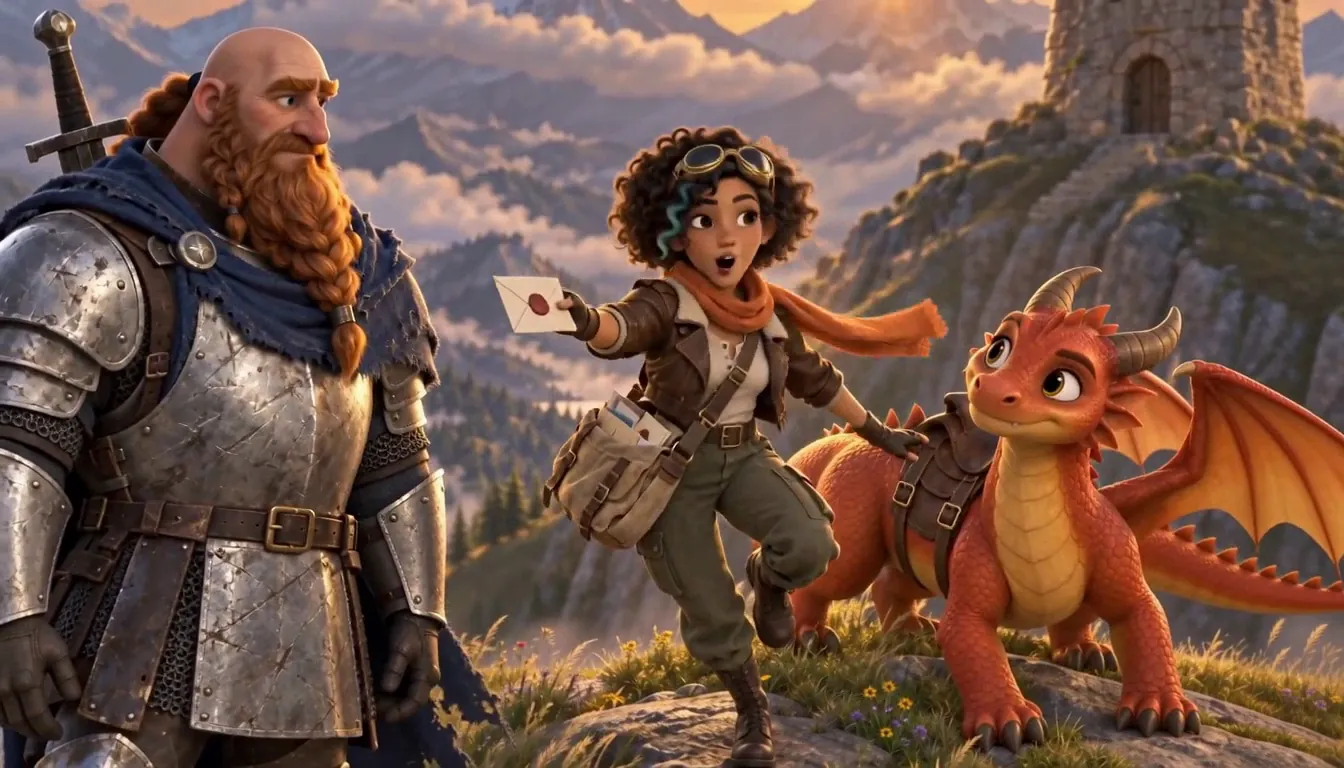


Cast — the people who appear
A Cast is the set of characters a show can put on screen: their names, their faces, their signature details. It’s the troupe, not the play — the same Cast can run a comedy this week and a drama next without re-rolling a single face.
Casts are locked references: once a character’s look is held, every episode gets the same face. That’s the difference between a Cast and a folder of character portraits — the Cast persists, and it performs.
The line it came from: Three friends, one AI startup, one rate limit.
 MilesFounder
 DevEngineer
 WizProdigy
Rate Limited · one line, and the Cast it drew: three Characters who keep their faces in every Episode. Our own fictional sample series, made in Character App. World — the place, the rules, and the memory
A World is the container a show lives in: the sets the Cast returns to, the rules the story keeps, and the record of what already happened. A prop moved in episode two is still moved in episode five — that memory is what makes it a World instead of a theme.
A World isn’t one show — it’s the stage shows run on. The same World can host a sitcom and its dramatic spin-off, sharing the Cast and the sets.
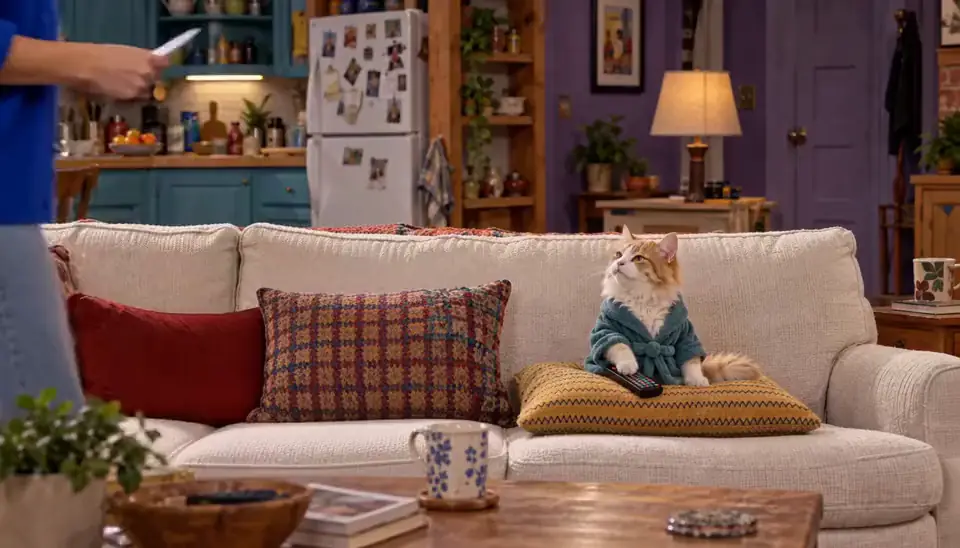
Roommates & Rent · Episode 1: Rent Is a Suggestion. Made with H3 Turbo, the Clip model in Character App · fictional sample series Series — the show that runs inside a World
A Series is the ongoing show: the premise, the episode list, the running story. It lives inside a World and borrows its Cast — the Series is “what airs,” the World is “where it airs.”
Concretely: “Rate Limited” is a Series — the founders, the loft, and the weekly delusion — running inside the startup-loft World. New episode, same World, next chapter of the story: the Series is the part with a title card, a schedule, and a returning audience to keep.

Roommates & Rent · About the rent. Made with H3 Turbo, the Clip model in Character App · fictional sample series Scene, Take, Clip, Episode, Season — the production chain
The smaller nouns are a nesting doll. A Scene is one staged moment in an episode. A Take is one attempt at a Scene. A Clip is a Take you kept — the app cuts kept Clips together, in order, and that’s the Episode. A Season is the run of Episodes.
You only ever work one level down: direct a Scene, screen the Takes, keep the Clip. Episodes and Seasons assemble themselves from kept work — there’s no timeline editor to learn.
Director and Studio — the tools, not the nouns
Two names are tools rather than containers. The Studio is the app itself — the workspace all of this lives in. The Director is the part that stages a Scene from a direction line: you write what happens, it blocks and renders the take.
So the sentence “I direct a Scene in the Studio, keep the Clip, and my World remembers it for the Series” uses every noun correctly — and is literally the whole workflow, end to end, in one breath.
Common mistakes
Building the World first because it sounds biggest. The fastest order is premise → Cast → World → Episode — the cast suggests its own habitat, and a World with no show is a diorama.
Thinking a Series needs a season planned. One Episode is a complete thing — the season is what a Series accumulates, not what it requires to start.
Using “World” to mean “the whole project.” The World is one container — your Studio can hold several, each with its own Cast and Series.
Expecting a Take to be final. Takes are attempts; the Clip is the kept one. Screen honestly — you’re choosing, not reviewing a commitment.
Questions
Which should I build first — Cast, World, or Series?
Cast first, usually — one character with a name and a face suggests the World it lives in. But a premise alone is enough to start: type it and the Studio populates the rest.
Can one World hold more than one Series?
Yes — that’s how spin-offs and crossovers work. Same Cast, same sets, different show.
Is an Episode the same as a Scene?
No — an Episode is made of Scenes, and each Scene is built from Takes you kept. Episode is the thing an audience watches; Scene is the unit you direct.
What’s the difference between a Take and a Clip?
A Take is an attempt at a Scene; a Clip is the Take you kept. Kept Clips assemble into the Episode automatically.
Where does the Director fit in?
The Director is the staging tool, not a container — you write a direction line per Scene and it renders the take. The directing guide covers the line’s grammar.