character.appby charactrMake my show

How to end a series (and stick the landing)

Updated September 13, 2026 · 5 min read

A finale works when it’s the episode only this season could produce: the question the whole run kept asking, finally answered on screen. The method is audit, not invention — list what the season promised, pay the oldest promise first, pick one of three ending shapes, and land on an image, not a speech. Five steps, three patterns, one held frame.

Difficulty
Craft
You need
A season underway
Ending shapes
3 patterns
Studio surface
Director
Vertical-drama poster — two leads back-to-back on a penthouse terrace at dusk, the season’s tension held in one frame.
A finale feels like this: everything the season held, finally allowed to move.

Finales in other registers

  • Episode still — What Vane Buried: a buried truth surfacing, the Answer shape in 3D family drama.
    The Answer — a buried truth finally surfaces.
  • Episode still — The Tournament Draw: the win that costs more than the loss, the Reversal in anime.
    The Reversal — the win that costs more than losing.
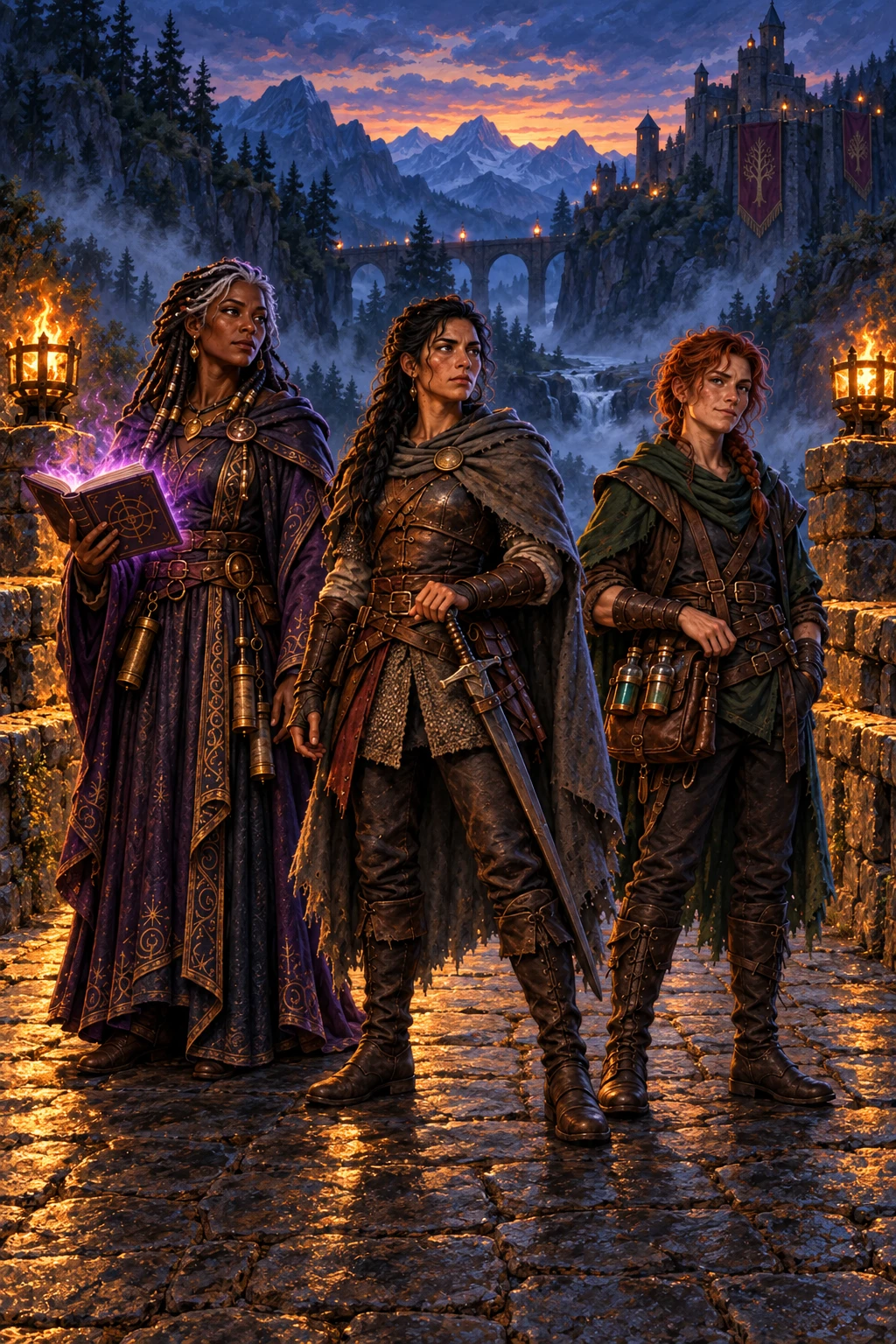
  • Episode still — The Toll at Emberfall: the price paid, the bridge still crossed, the Door shape.
    The Door — the toll is paid, the bridge stays crossed.

Generated in Character App · example stills, not a live product demo

Common mistakes

  1. Resolving the wrong question. The finale must pay the season’s actual debt — the oldest open promise — not a shinier problem invented last week.

  2. Introducing a new mystery in the last episode. A final-act twist nobody planted reads as a stall, not a shock. Finale surprises reframe the known; they don’t add the unknown.

  3. The montage goodbye. A reel of everyone smiling at the camera is a eulogy, not an ending. The audience wants the answer, not the recap.

  4. The undoing twist. If the finale reveals the whole season “didn’t count,” the audience paid attention for nothing — the cheapest ending there is.

Questions

Does a finale have to be happy?

It has to be earned — not happy. A tragic finale the season pointed at lands harder than a happy one stapled on. Match the ending to the question the season actually asked.

Can I end on a cliffhanger instead?

A cliffhanger ends an episode; a finale ends a season. You can open a new question — but the season’s own question must close, or it wasn’t a finale.

How is a finale different from a normal episode?

It carries the arc’s debt. A regular episode can open loops; the finale’s job is settling the oldest ones. The craft is the same — the stakes are what differ.

How long should a finale run?

Same length as your other episodes — the weight comes from what it pays off, not its runtime. A 60-second finale can land a whole season if the setup was honest.

What if I have more than one season planned?

Then the finale is a hinge, not a wall: close this season’s question fully and let the door-open thread carry into season two. Never make the ending wait on a season that might not happen.

Your nextScene startswith you.

Make something you’ve always wanted to be in.

TRY THIS

Explore plans & Credits