character.appby charactrMake my show

How to write a cold open that hooks viewers in 3 seconds

Updated September 13, 2026 · 5 min read

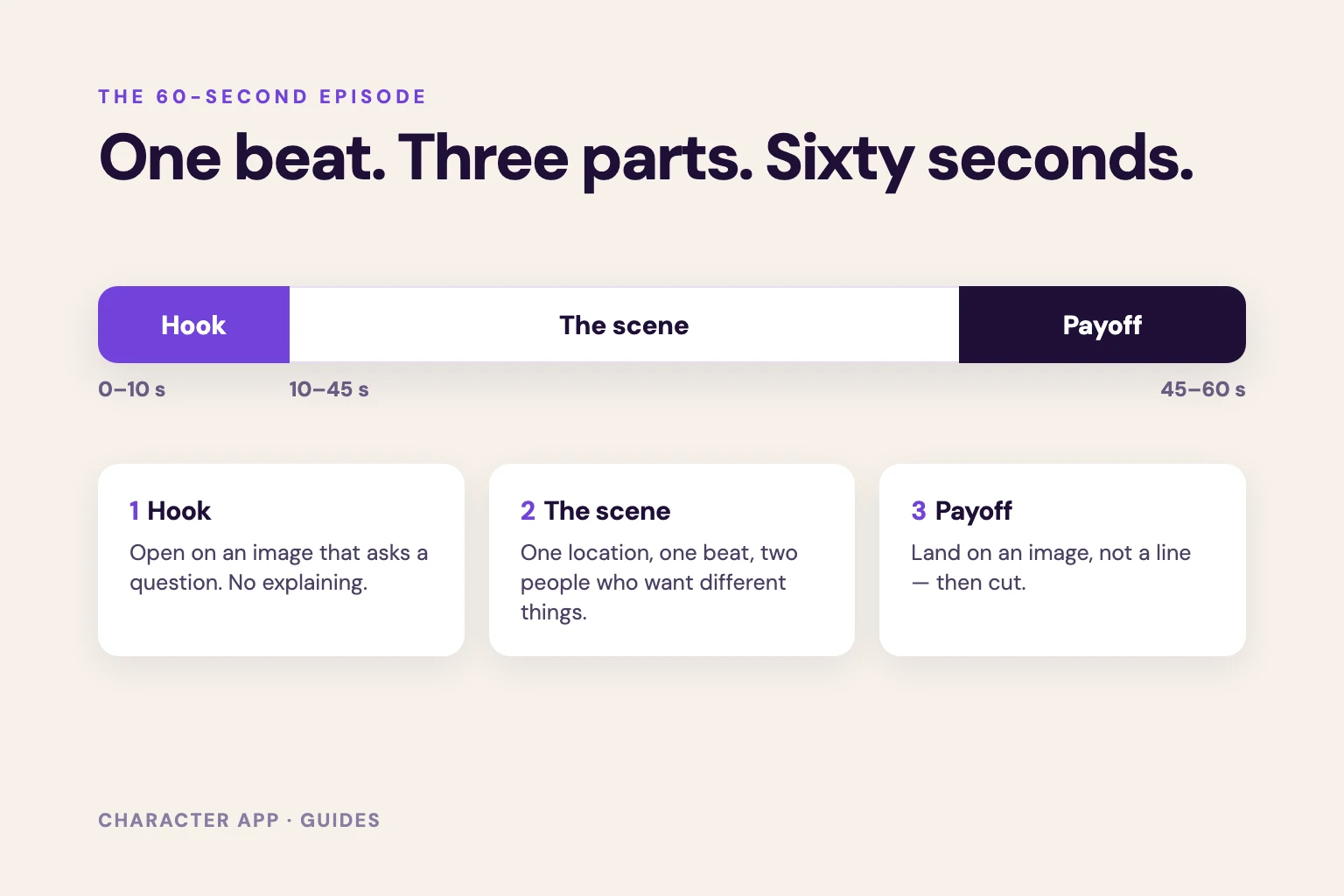
A cold open is the first three seconds: the frame that either stops the scroll or loses it. The method is counterintuitive — start mid-event, withhold the explanation, and choose the first frame before you write anything else. This guide breaks the technique into five steps with worked cold opens across three genres. What you need: a scene, and the discipline to start it late.

Hook window
~3 seconds
Difficulty
Craft
You need
A scene idea
Studio surface
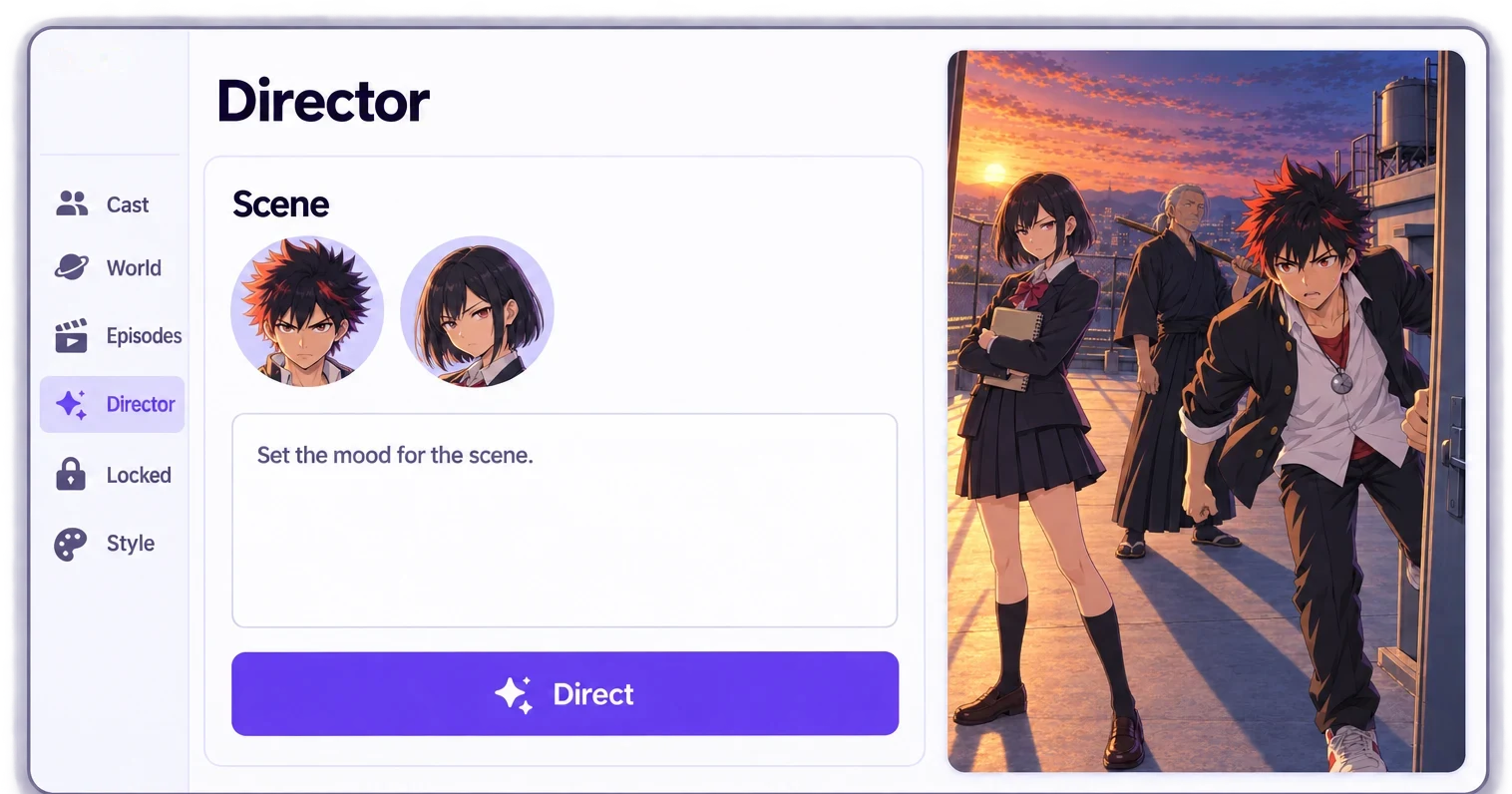
Director
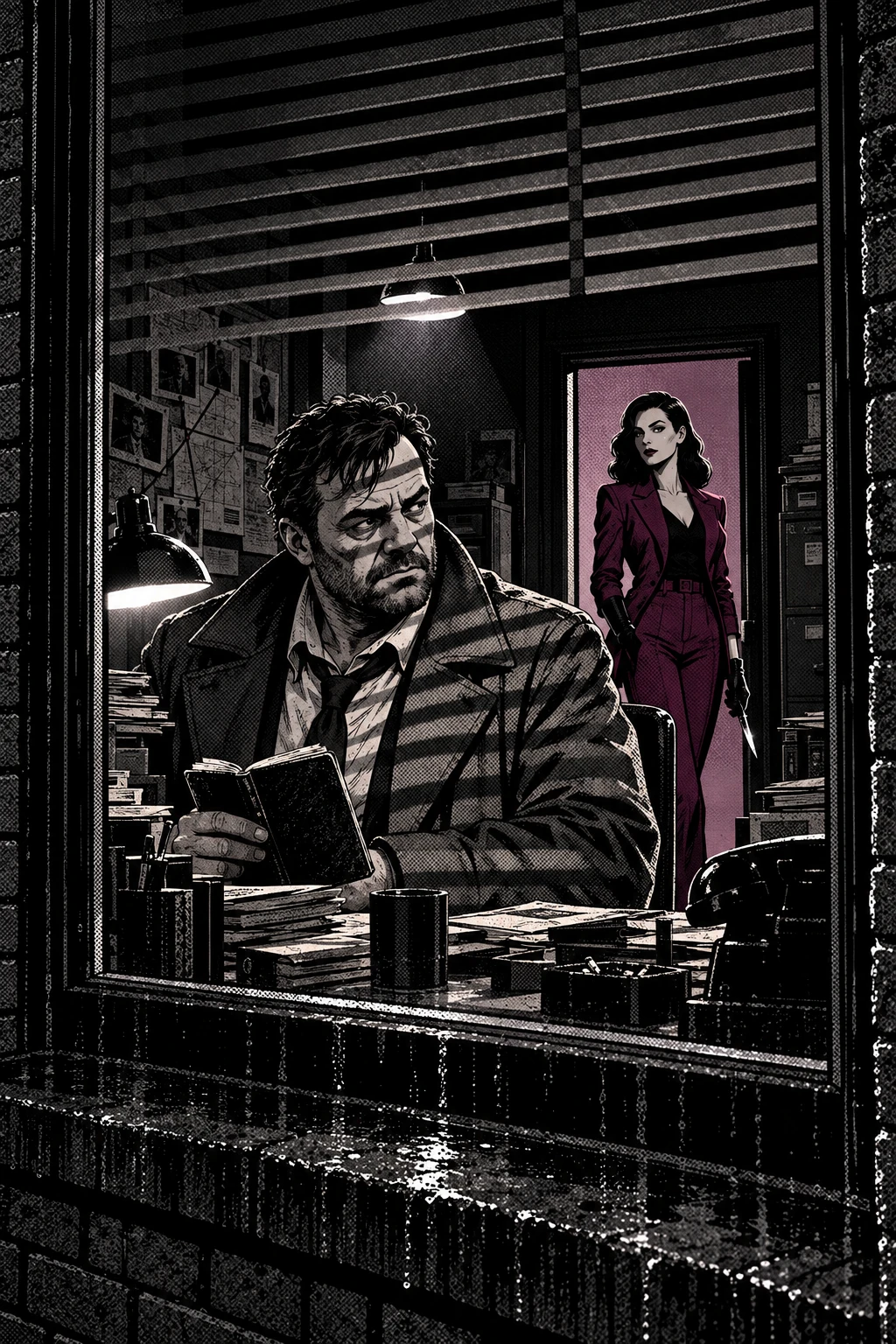
A cold-open frame — Frank at his desk behind venetian-blind shadow bars, the case already underway.
The cold open: the scene is already guilty when we arrive.

Cold opens that work

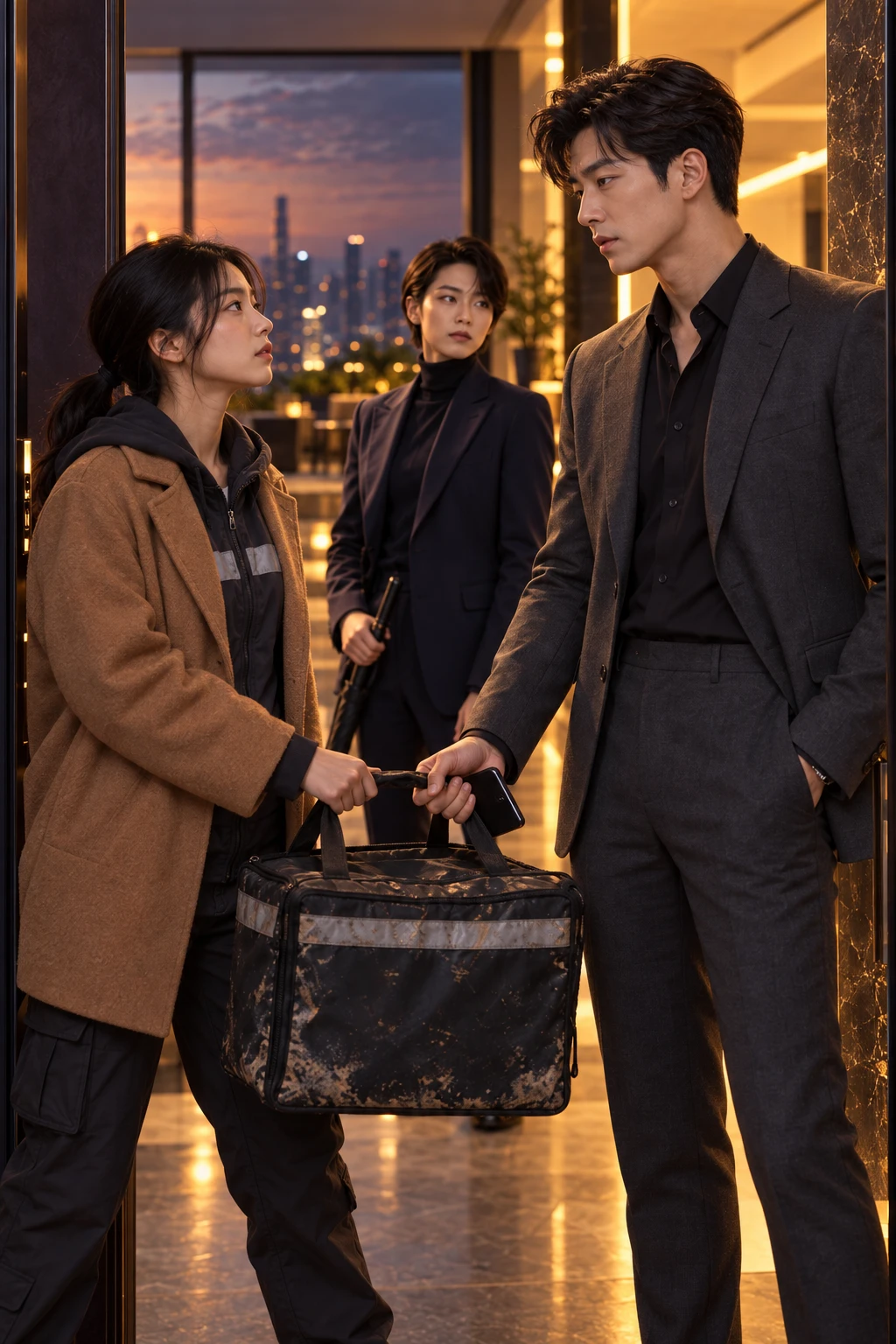
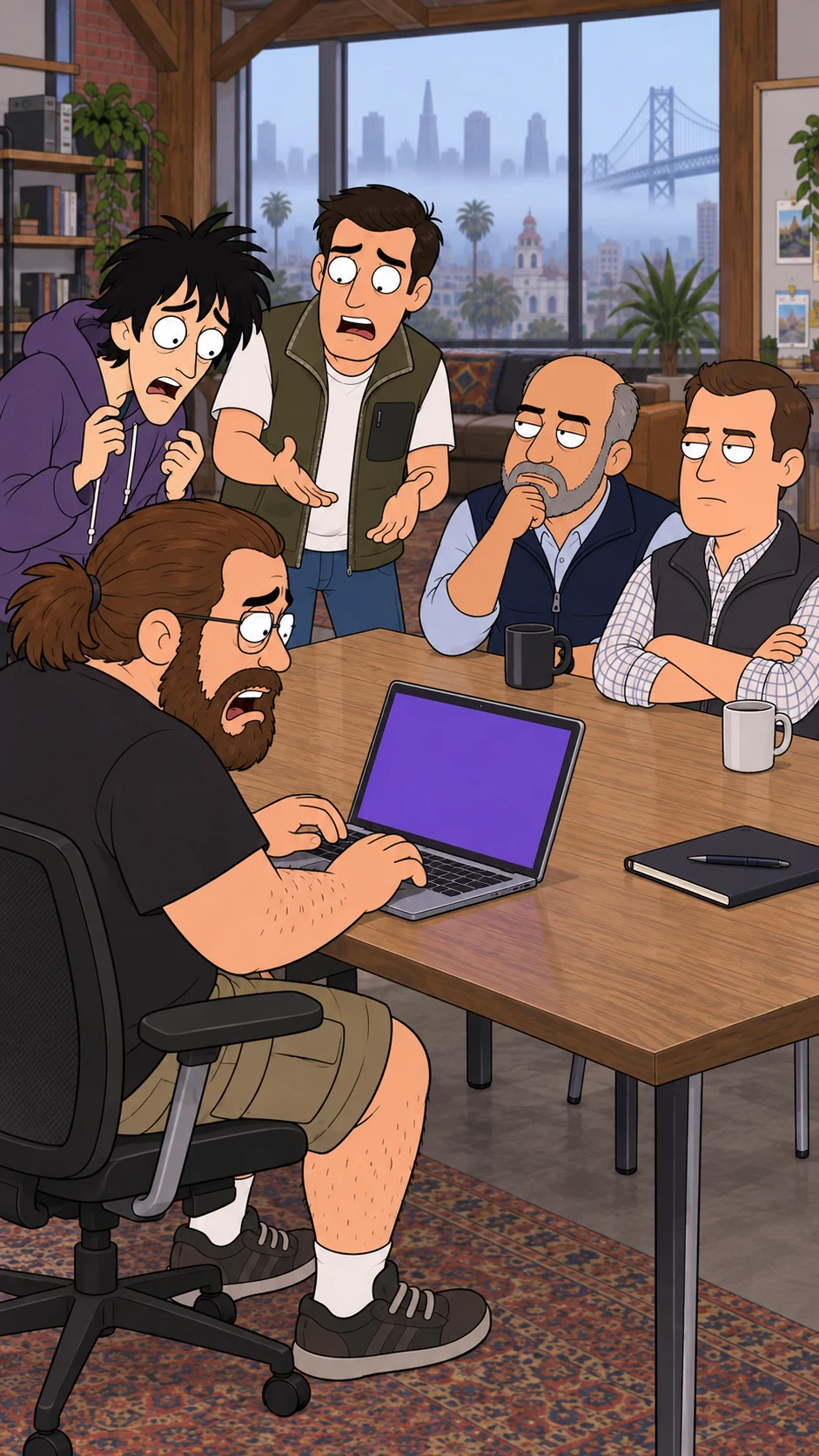
  • Cold open — the biggest pitch meeting already in progress, the failure already visible.
    Aftermath shape: the pitch is already dying when we arrive.
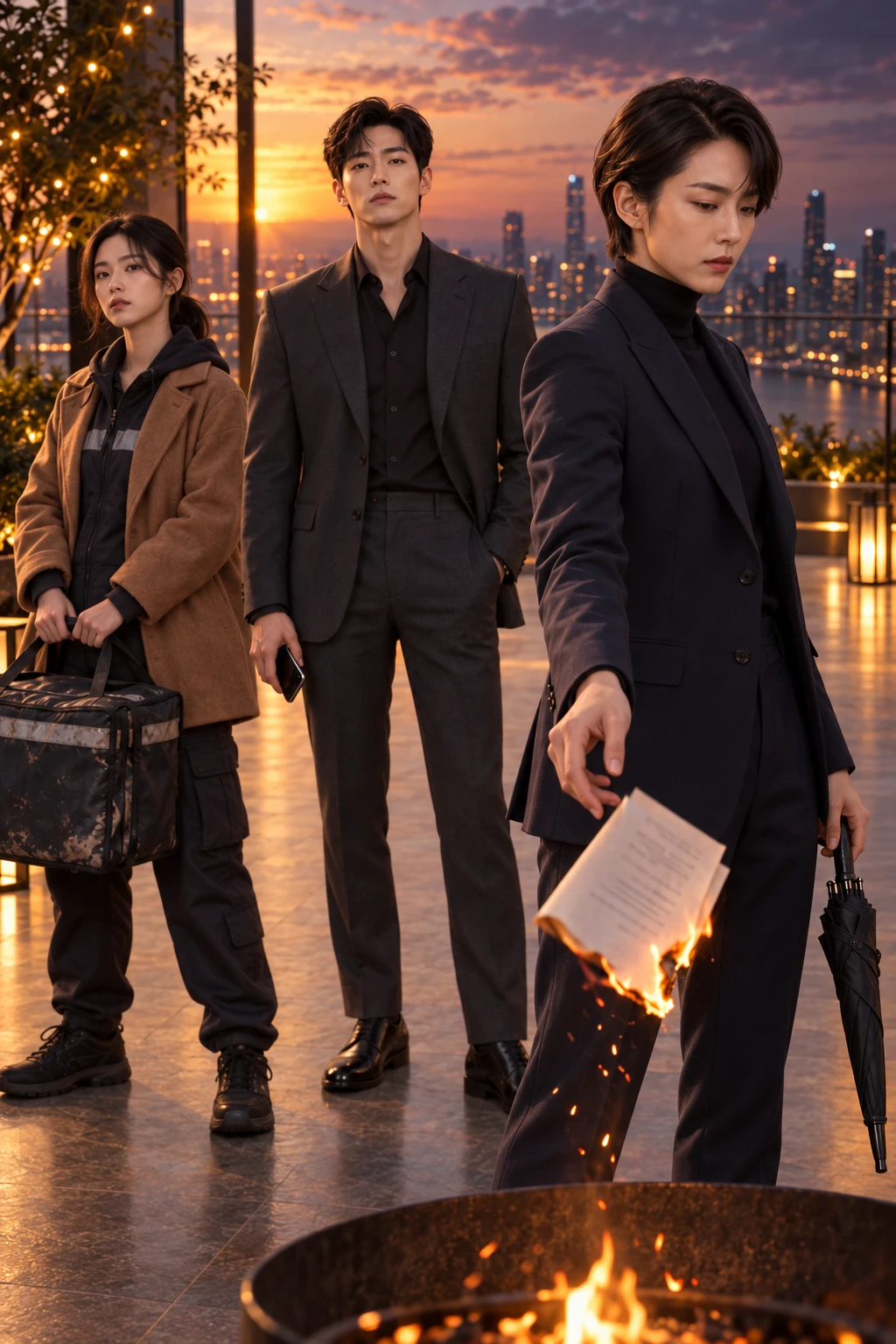
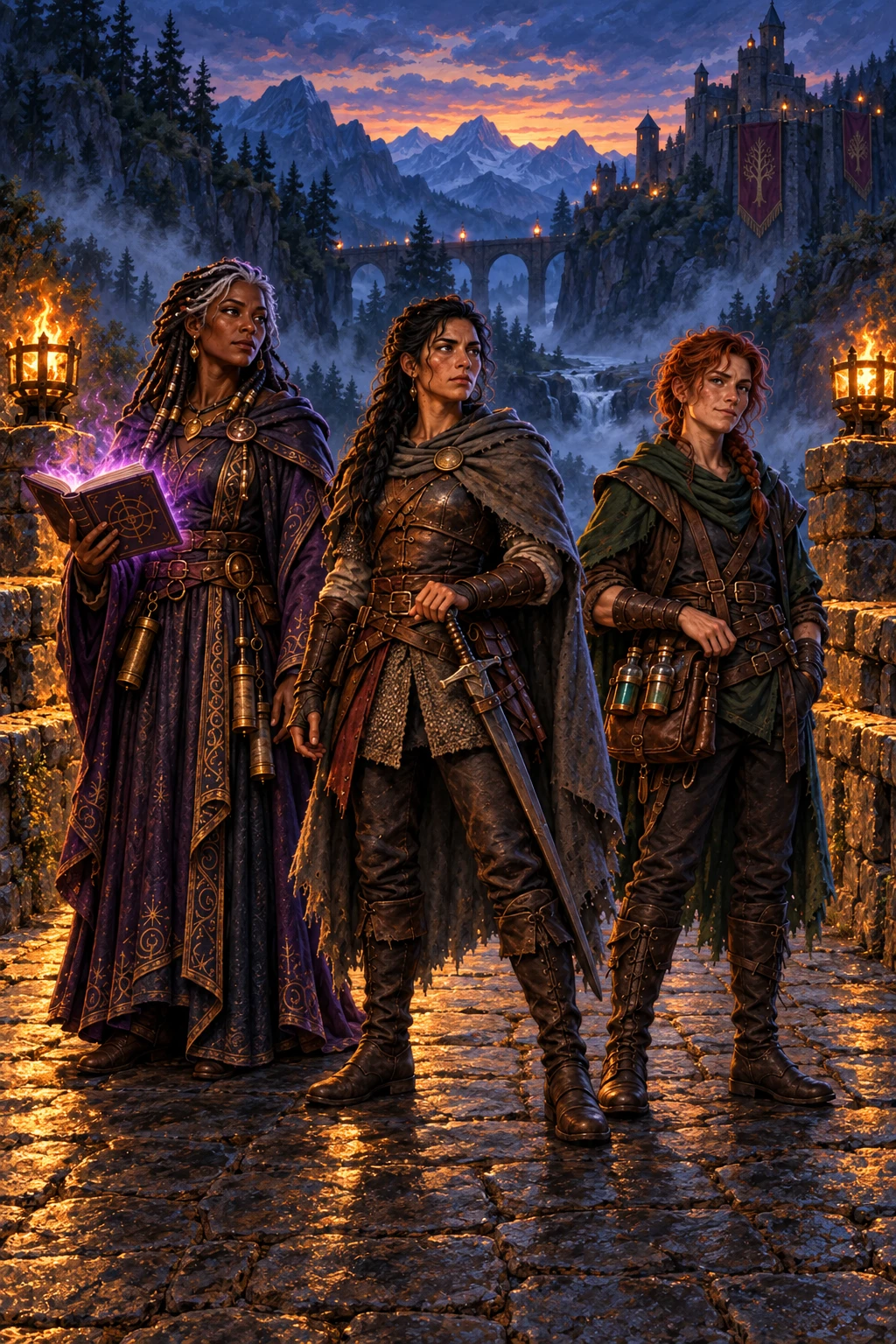
  • Cold open — three figures already mid-crossing on a torchlit bridge, the toll unpaid.
    Mid-crisis shape: the bridge, the toll, no explanation.
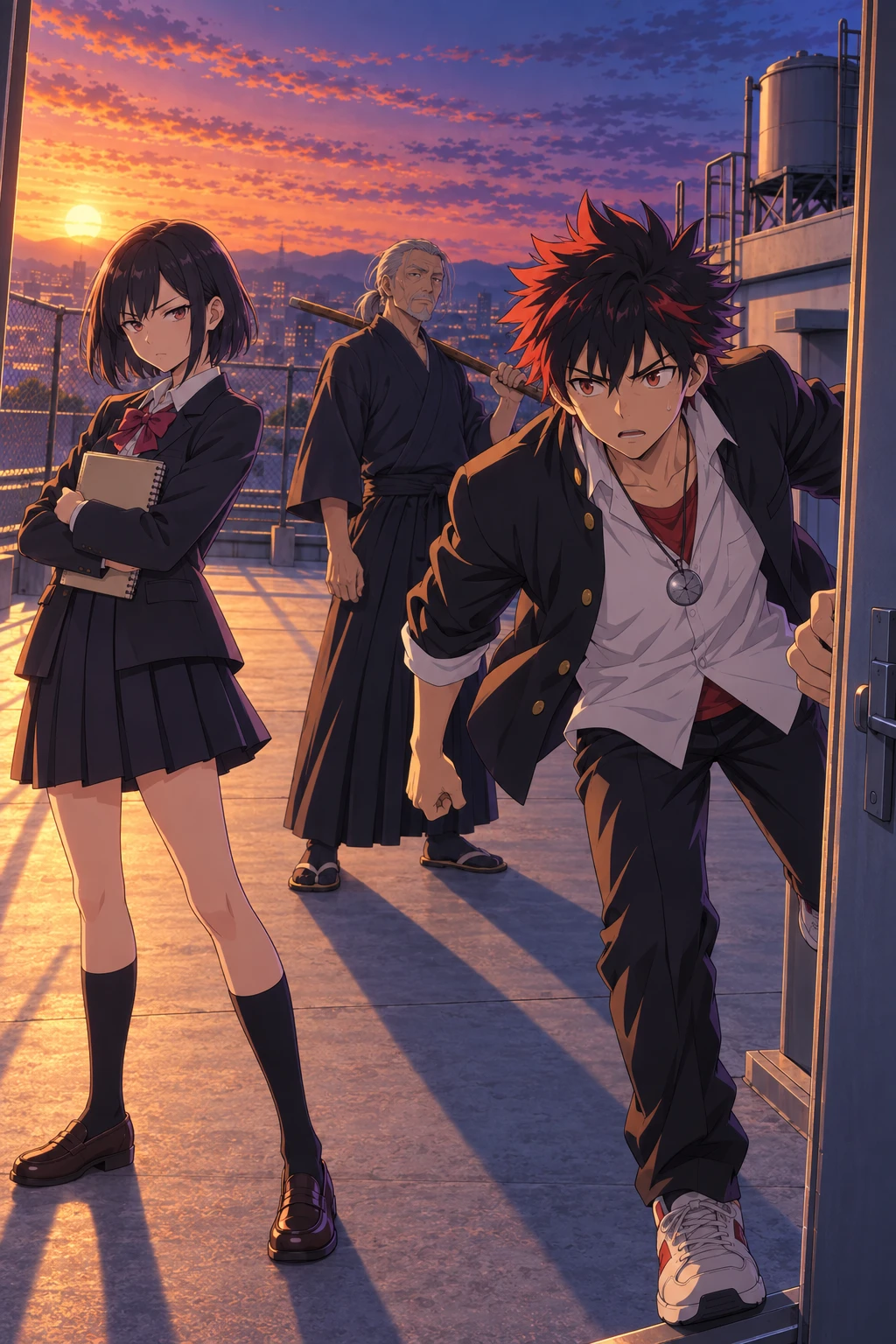
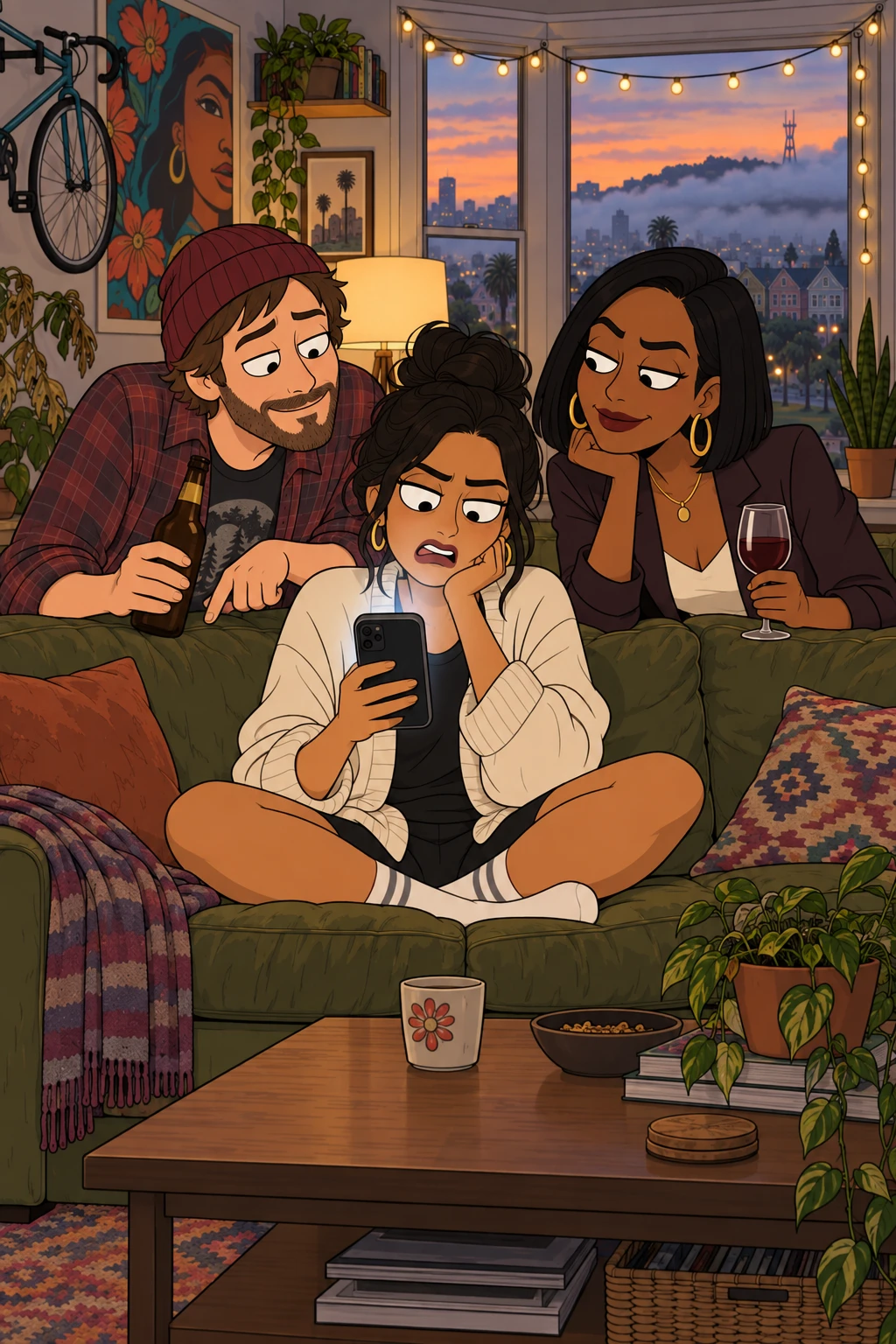
  • Cold open — the cartoon trio mid-tribunal on the couch, the disaster fully staged.
    Impossible-image shape: the absurdity staged plainly.

Generated in Character App · example stills, not a live product demo

Common mistakes

  1. Opening on setup. Weather, commute, alarm clock — the orientation is the thing to cut. The audience doesn’t need to know where they are; they need to need to know.

  2. Explaining instead of withholding. A cold open that answers its own question is a prologue — protect the one answer the episode exists to give.

  3. A first frame that isn’t a frame. “She’s worried about the meeting” isn’t an image — describe what the camera sees and let the viewer feel the worry.

  4. Saving the best image for later. Whatever you were keeping for the middle is the opening — short-form has no later if the first three seconds fail.

Questions

What’s the difference between a cold open and a cliffhanger?

A cold open withholds at the start — the question that gets you watching. A cliffhanger withholds at the end — the question that brings you back. The cliffhanger guide is the mirror of this one.

Does every episode need a cold open?

In short-form, effectively yes — the first seconds decide whether anyone sees the rest. Longer work can afford a slower build; a 60-second episode can’t.

How long should a cold open run?

Until the turn — usually three to eight seconds. The frame raises the question, the turn makes it bigger, and then the episode owns the answer.

Can dialogue carry a cold open?

One line, maybe — “Don’t open that” over a held frame works. A conversation can’t outrun a swipe; let the image hook first and the words deepen it.

What if my scene is quiet?

Quiet works if it’s withholding — the empty chair at the big table is a cold open. The bar isn’t loudness, it’s a question the viewer can’t scroll past.

Your nextScene startswith you.

Make something you’ve always wanted to be in.

TRY THIS

Explore plans & Credits