character.appby charactrMake my show

How to storyboard a vertical scene

Updated September 13, 2026 · 6 min read

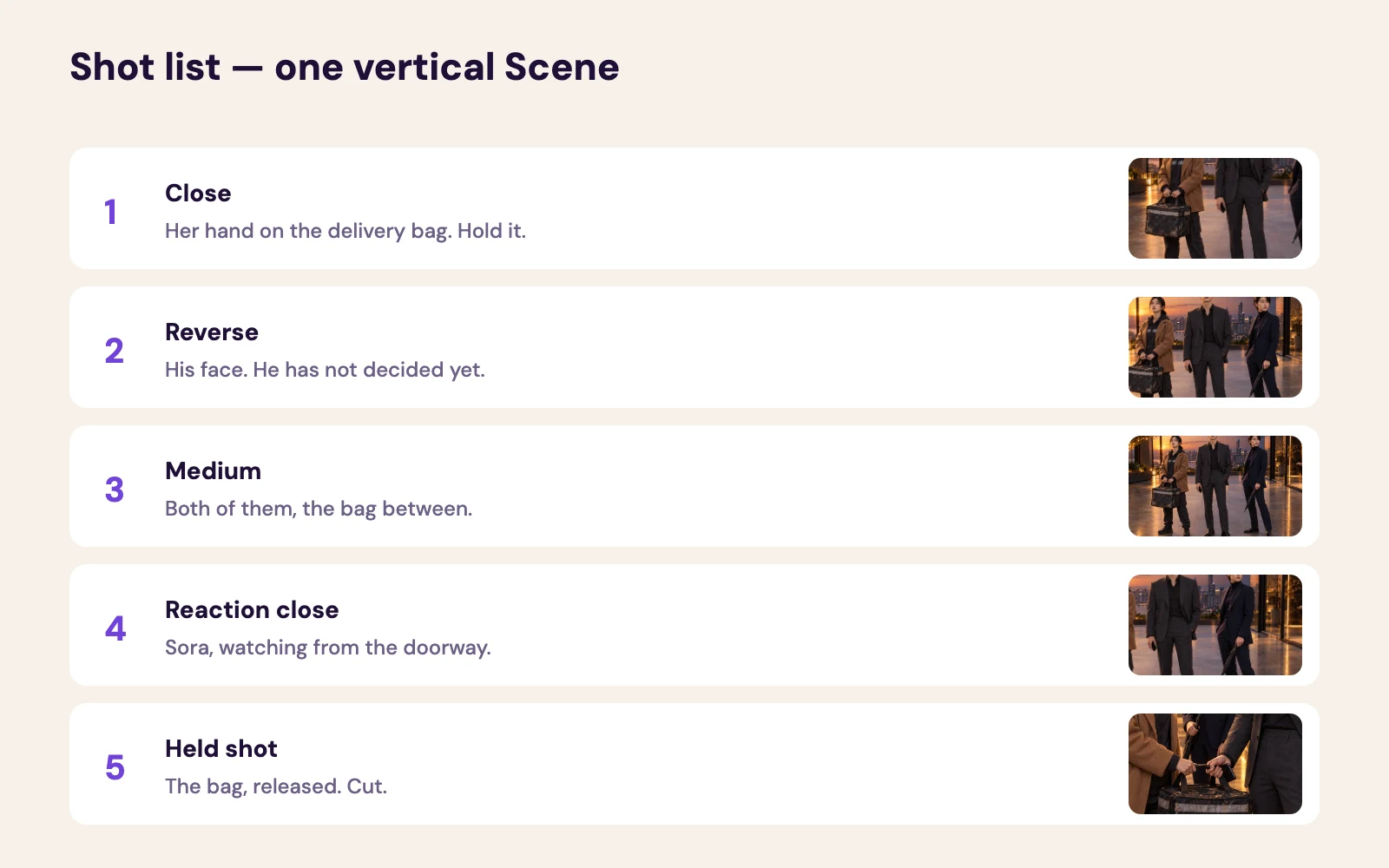
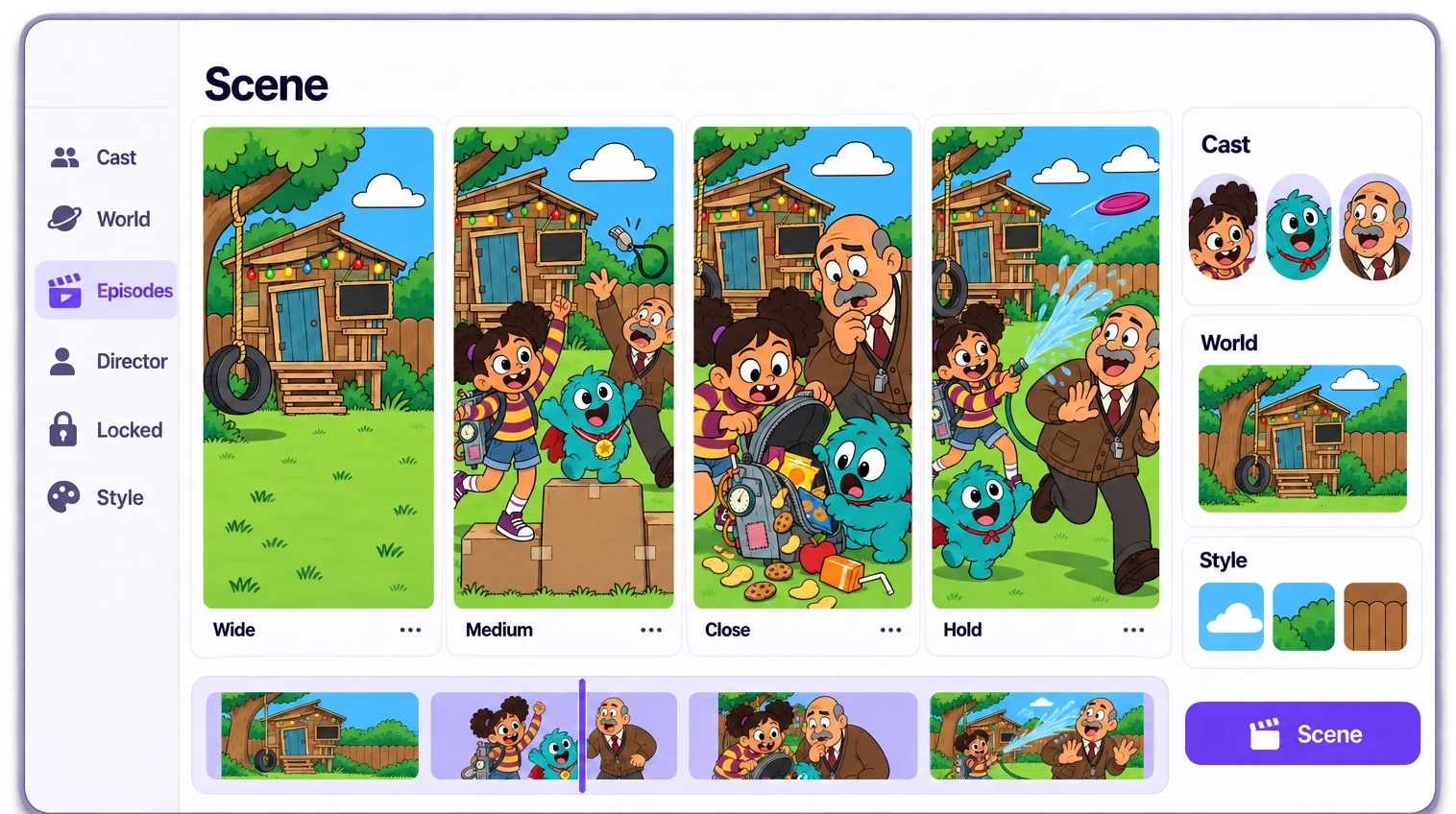
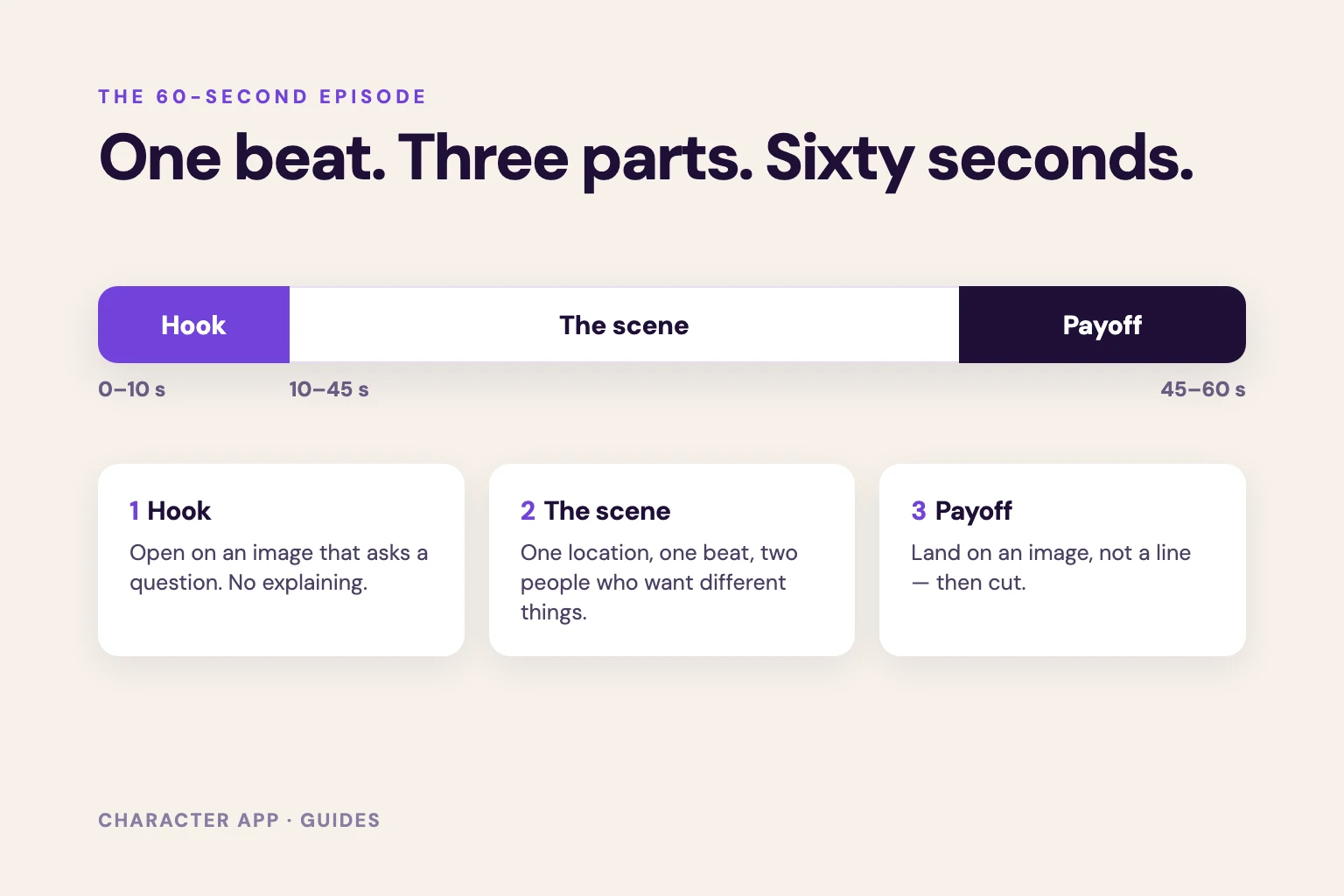
Storyboard a vertical scene before you direct it: sketch the beats as a shot list so the scene plays in 9:16 instead of a cropped 16:9. Vertical framing changes everything — faces carry more, backgrounds carry less, and the frame stacks instead of spreads. This guide walks a worked scene through the Scene Planner: pick the five shots, order them, hold the last one. Takes about twenty minutes.

Time to first board
~20 min
Difficulty
Intermediate
You need
A scene in mind
Studio surface
Scene Planner
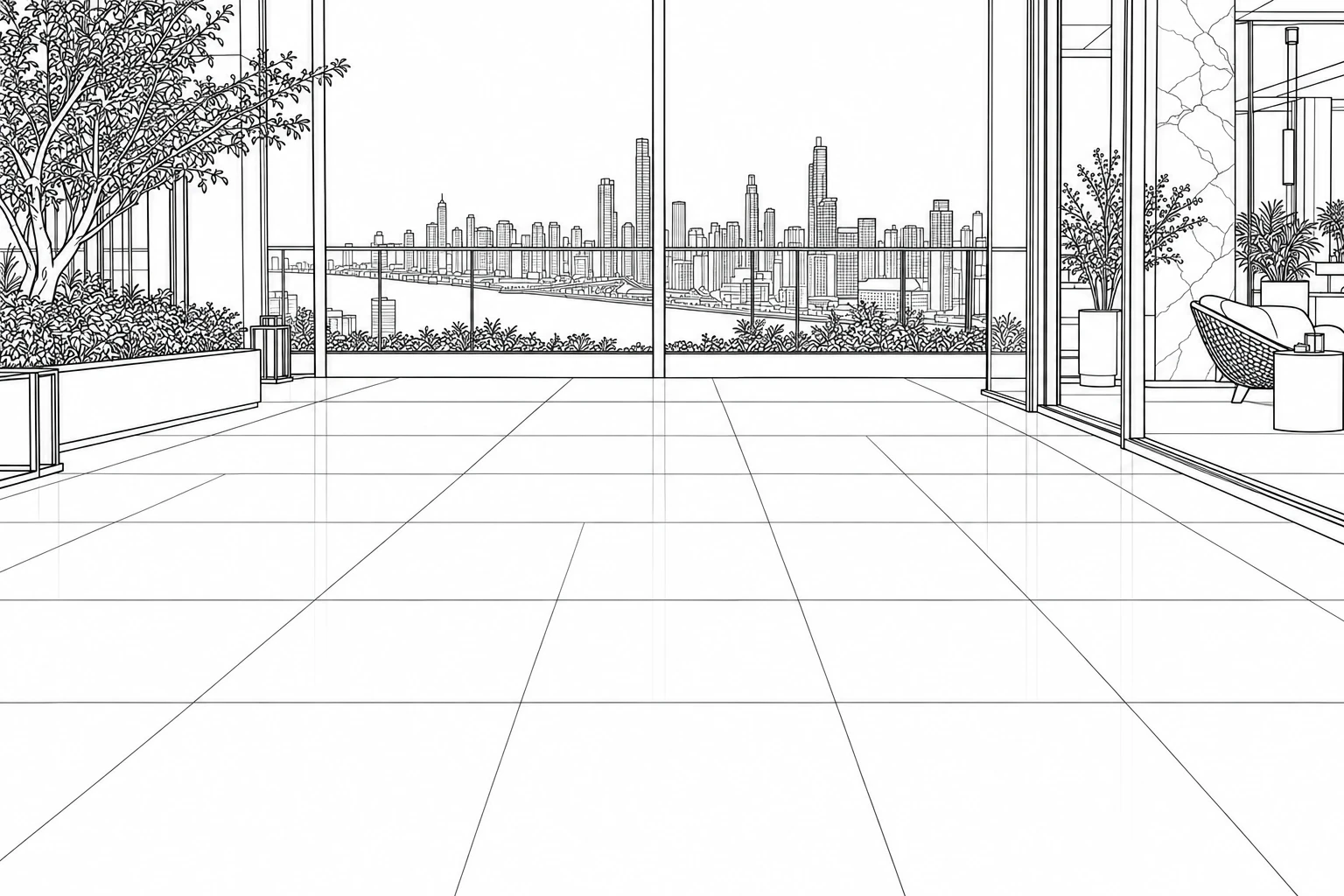
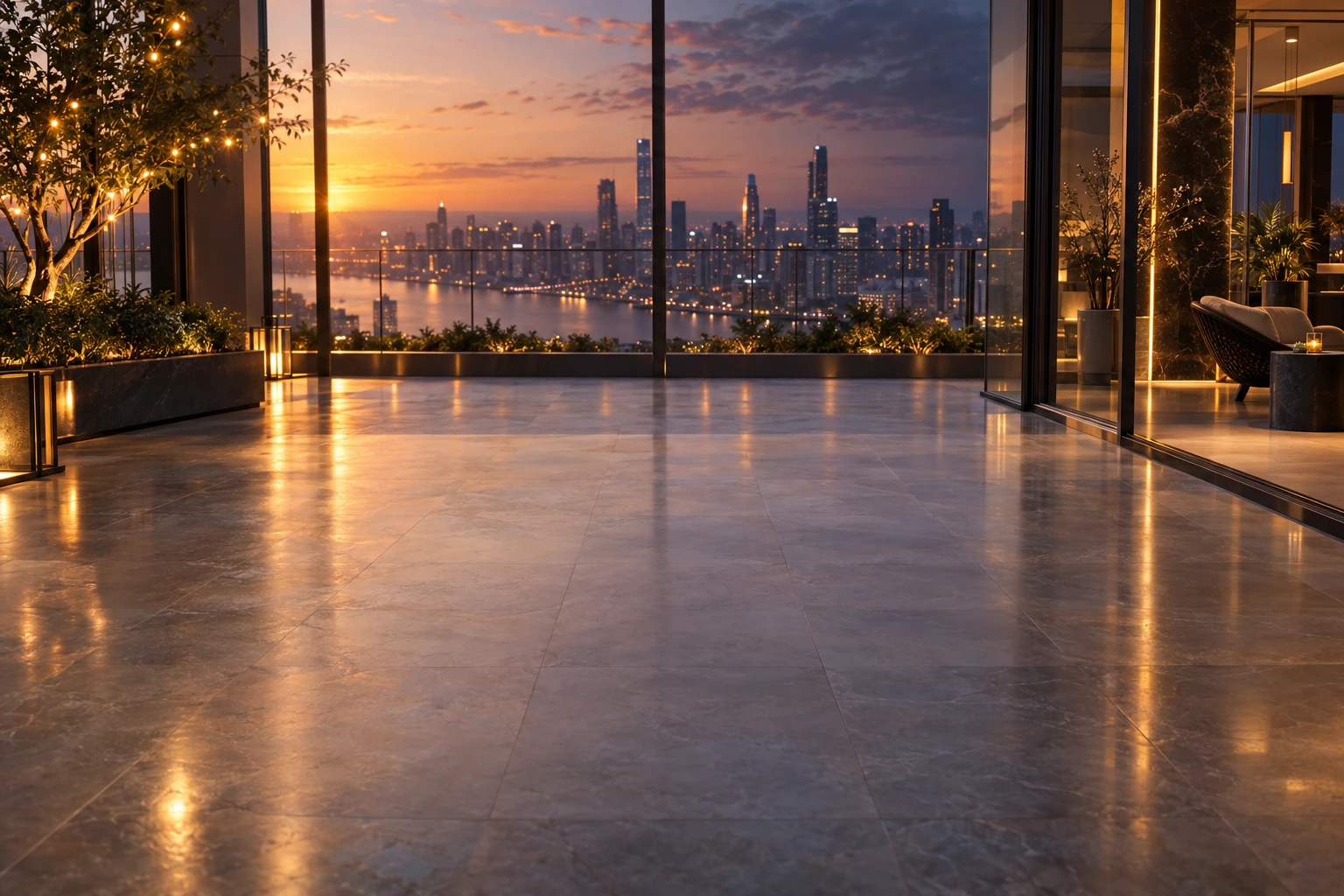
The penthouse terrace set in 9:16 — skyline below, two chairs facing each other, empty and waiting for blocking.
A vertical scene is planned shot by shot — here’s the set before anyone sits down.

Made this way

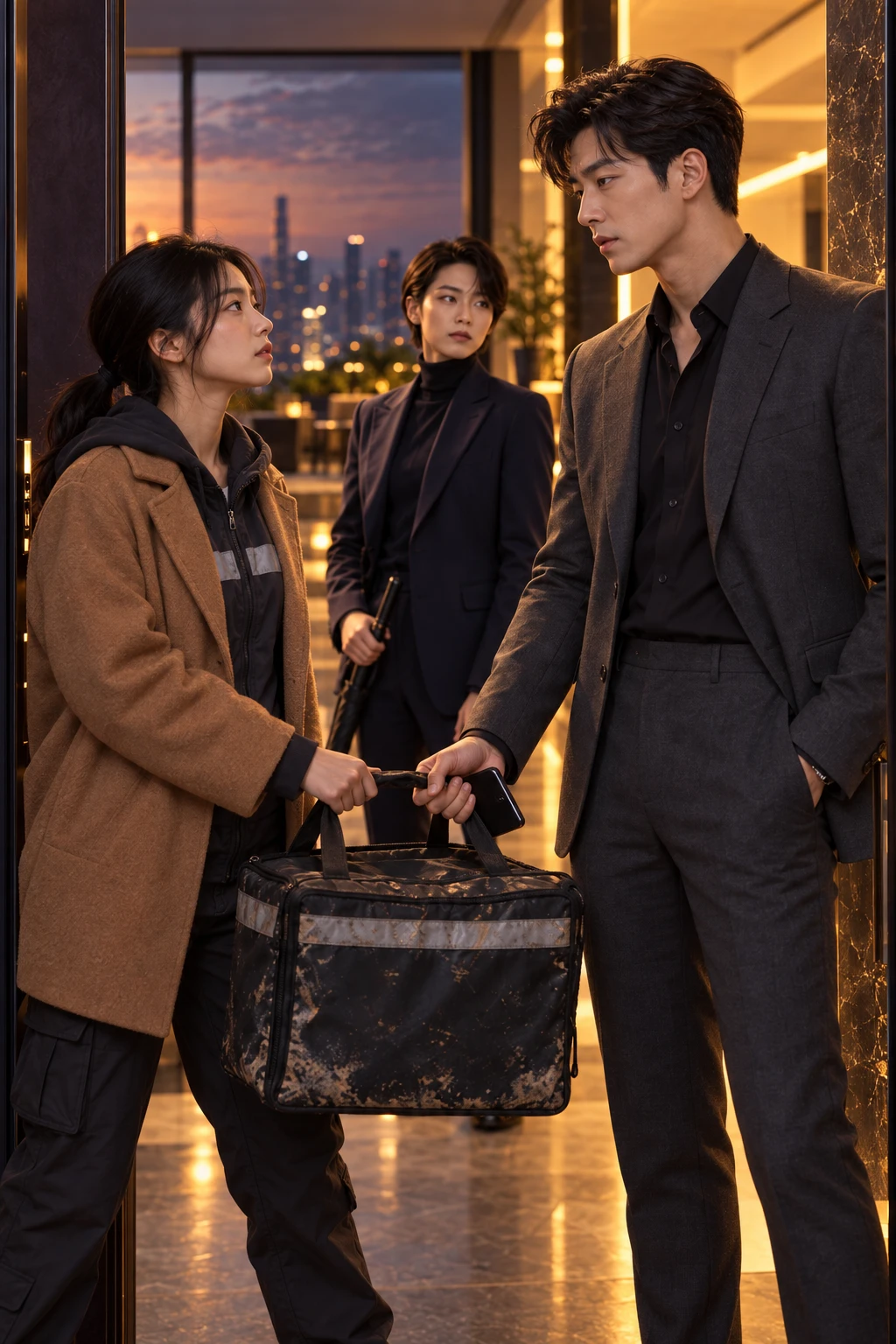
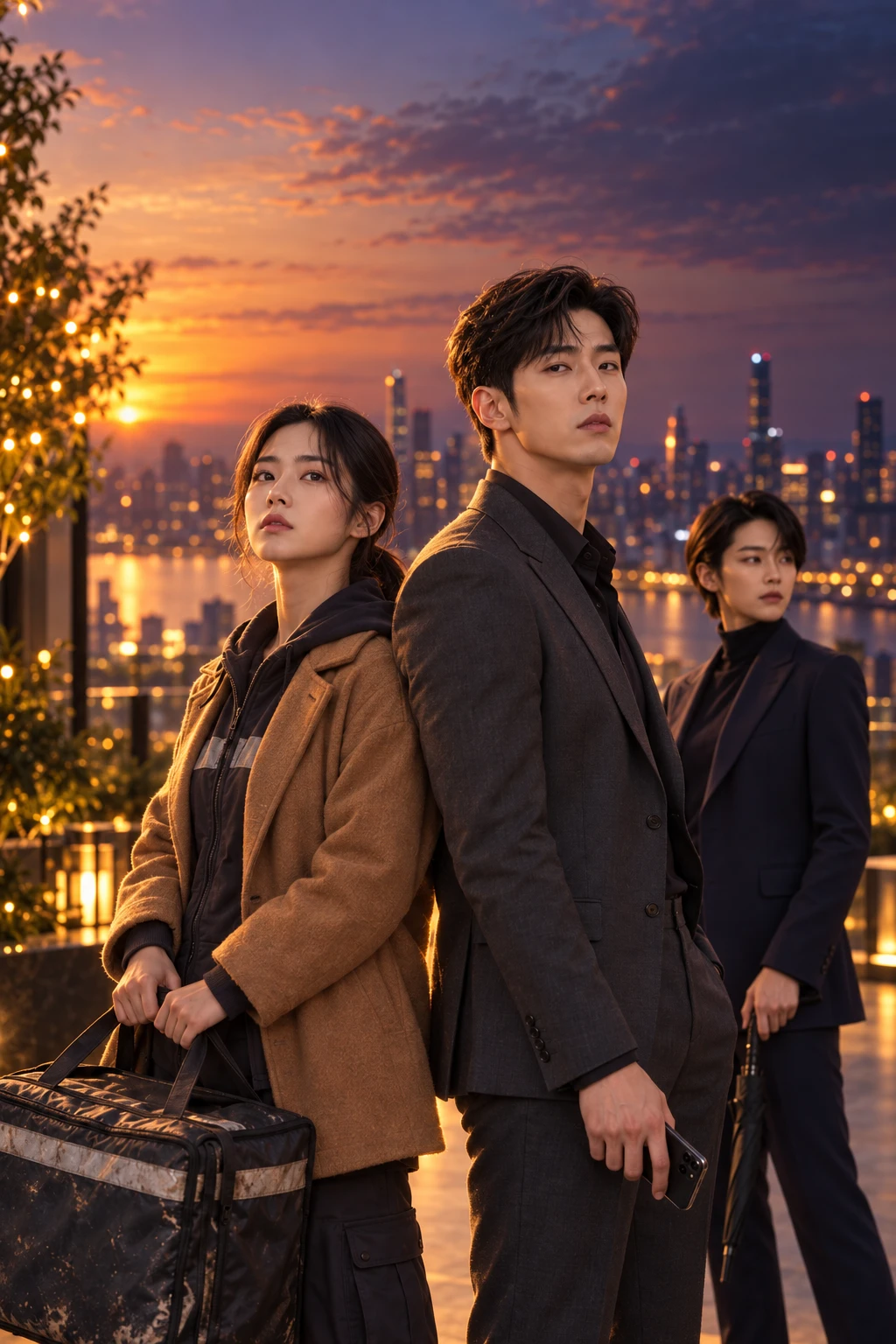
  • Episode still — the two leads gripping opposite sides of a delivery bag, stacked vertically in 9:16.
    Two subjects, stacked — a shot built for 9:16.
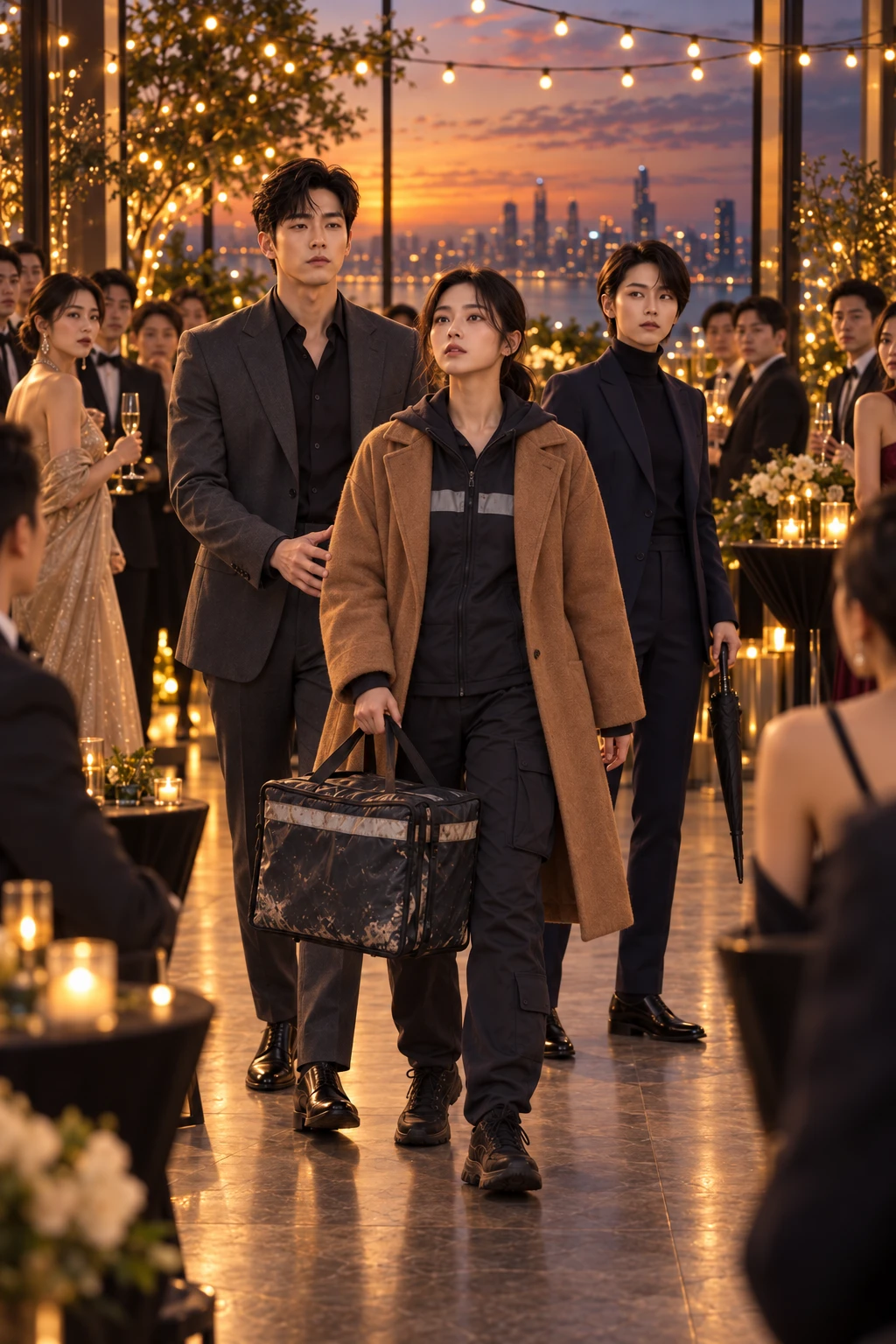
  • Episode still — the lead frozen mid-step under terrace string lights, face carrying the whole frame.
    A held reaction close — the board’s last card.
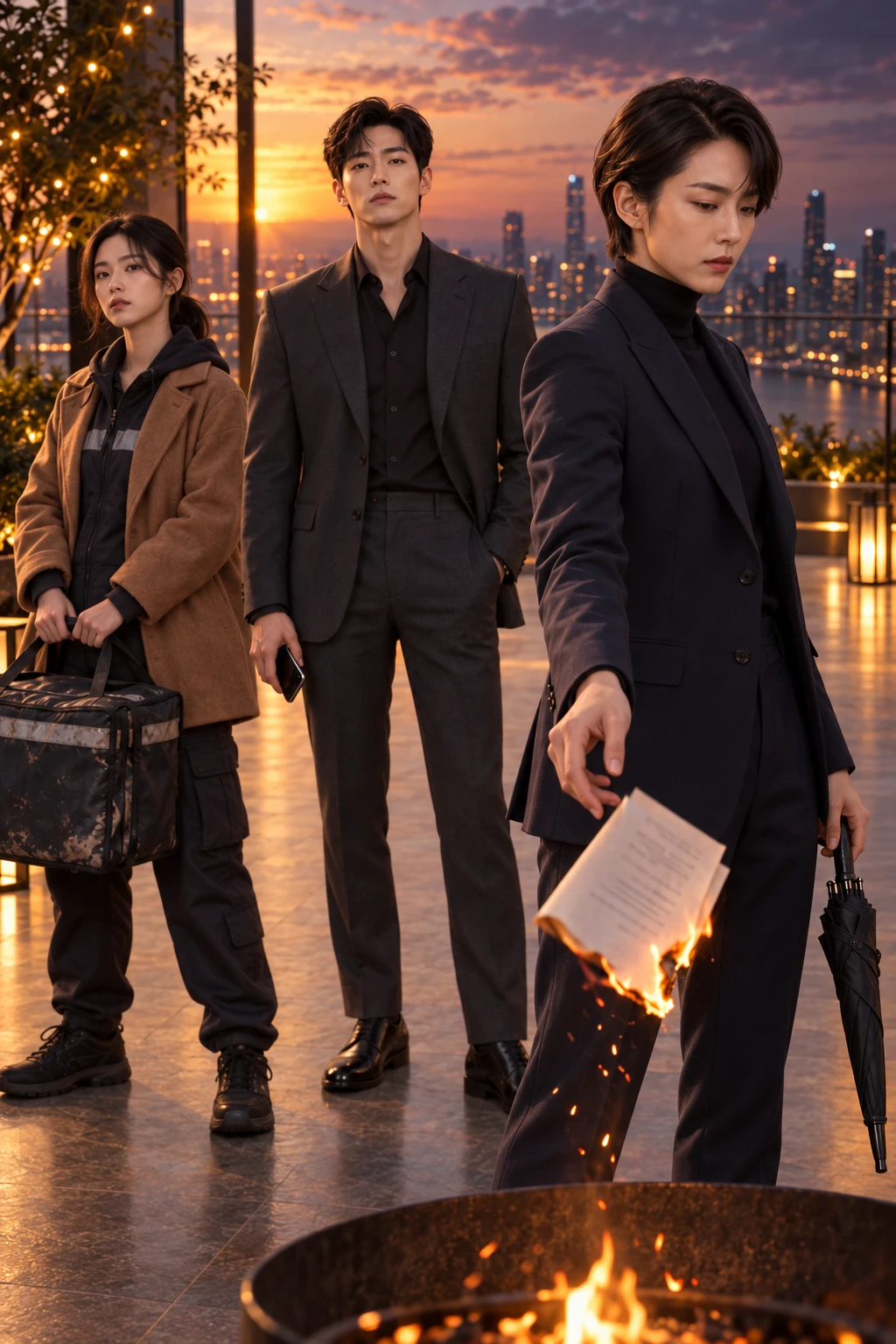
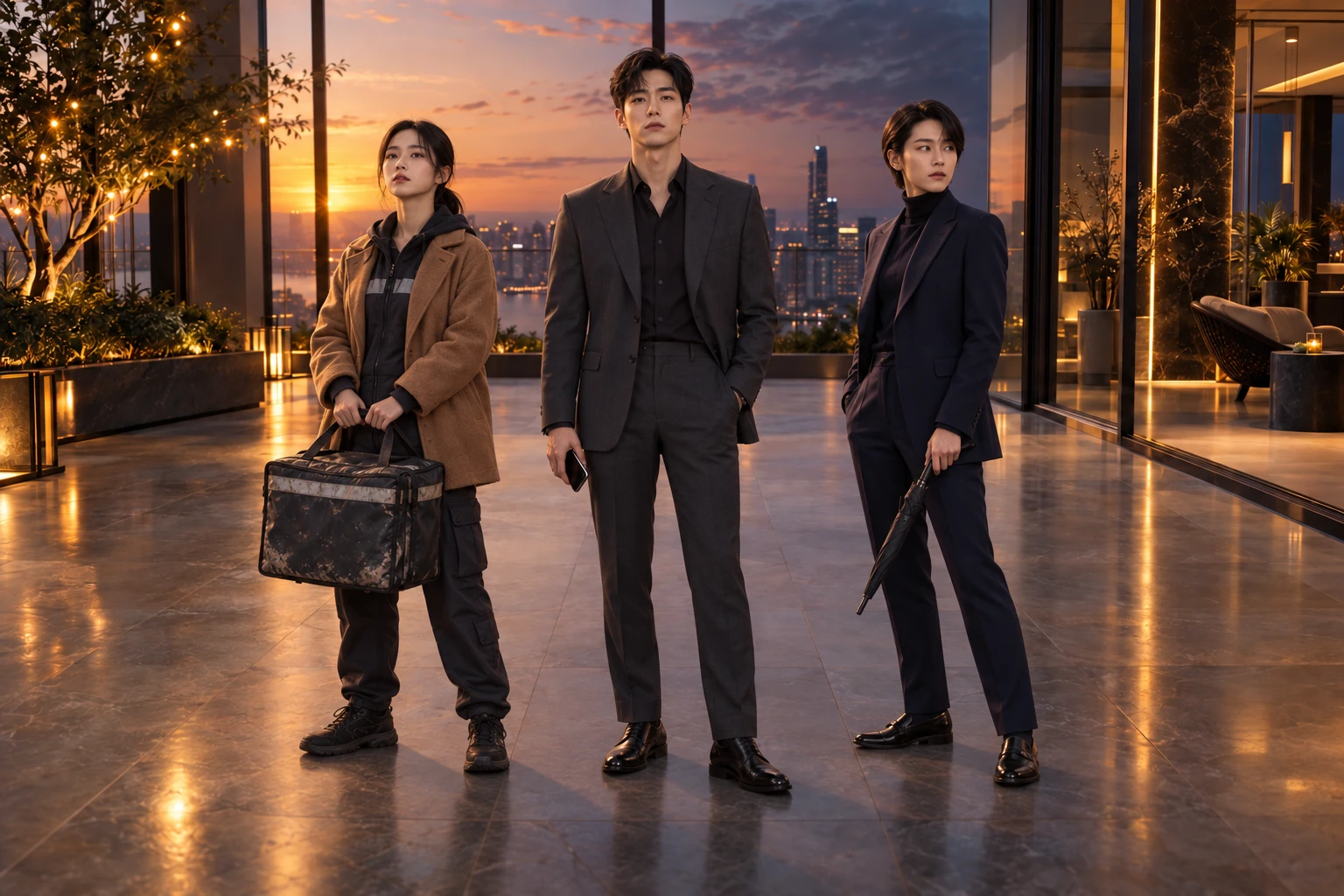
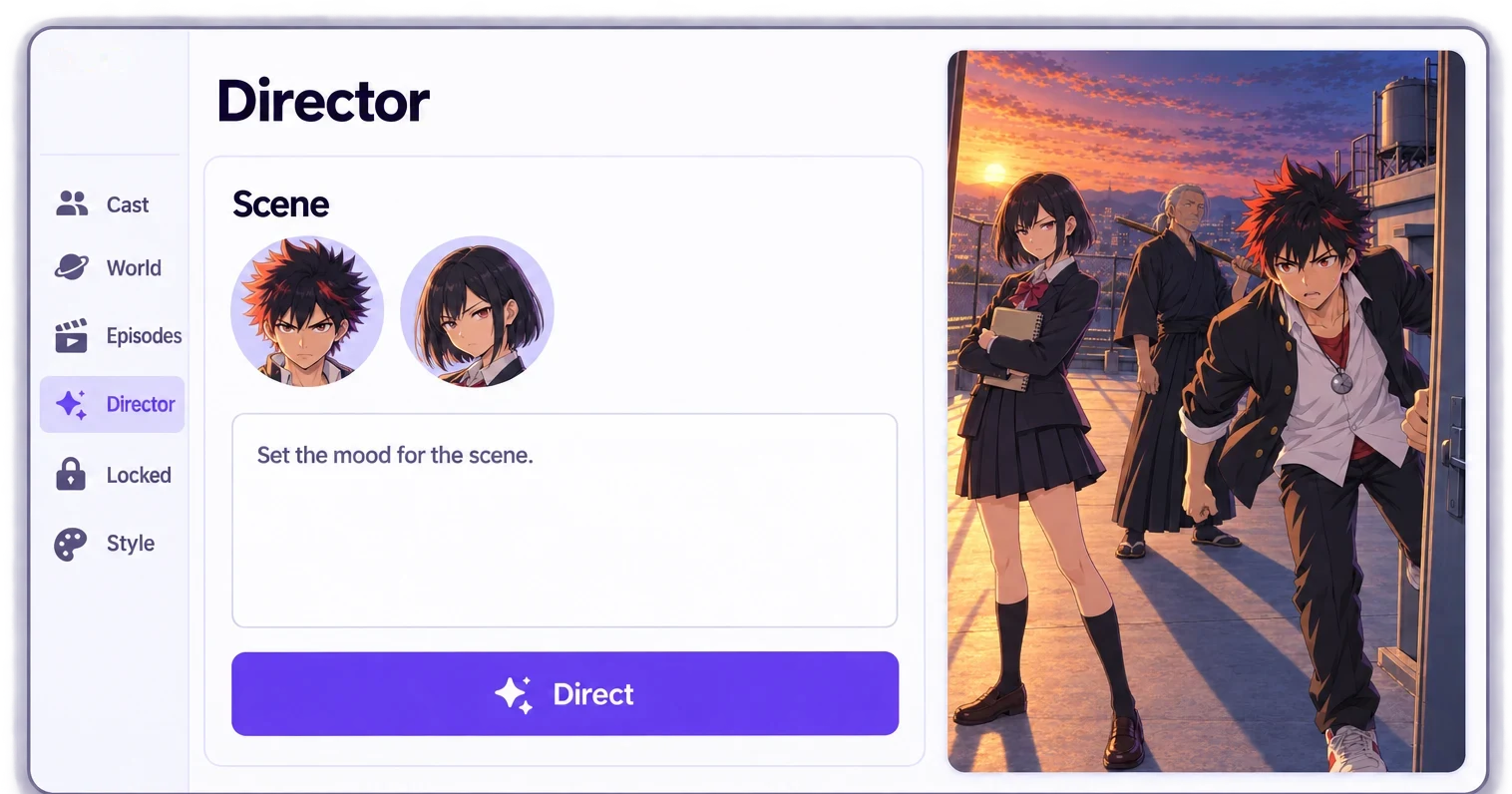
  • The terrace populated — both leads blocked into the set, faces and hands doing the storytelling.
    Blocking follows the board: one clear subject per shot.
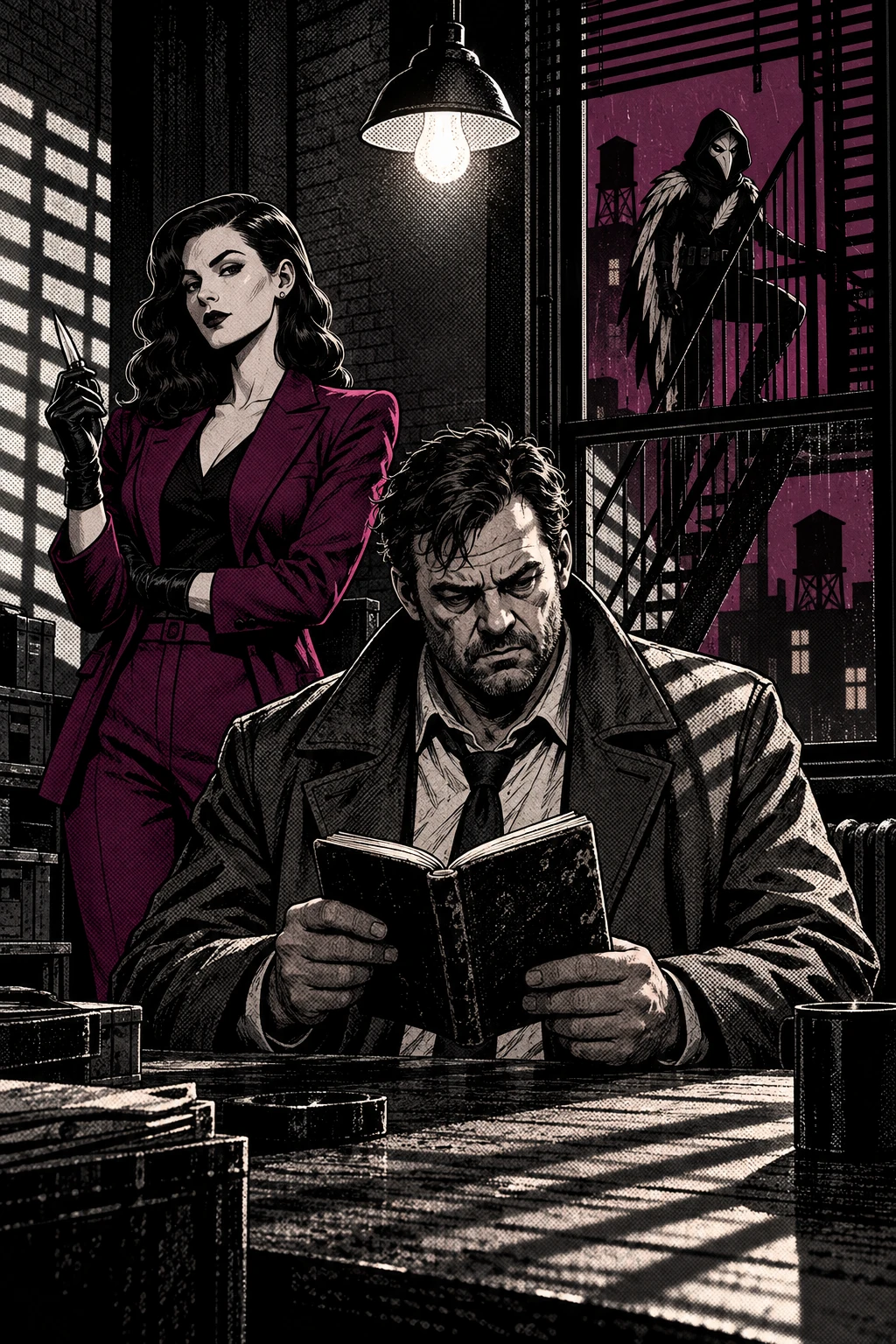
  • Ink-noir panel — a close-up of a hand sliding a photograph across a desk, framed vertically.
    The same shot grammar works in ink — close on the evidence.

Generated in Character App · example stills, not a live product demo

Common mistakes

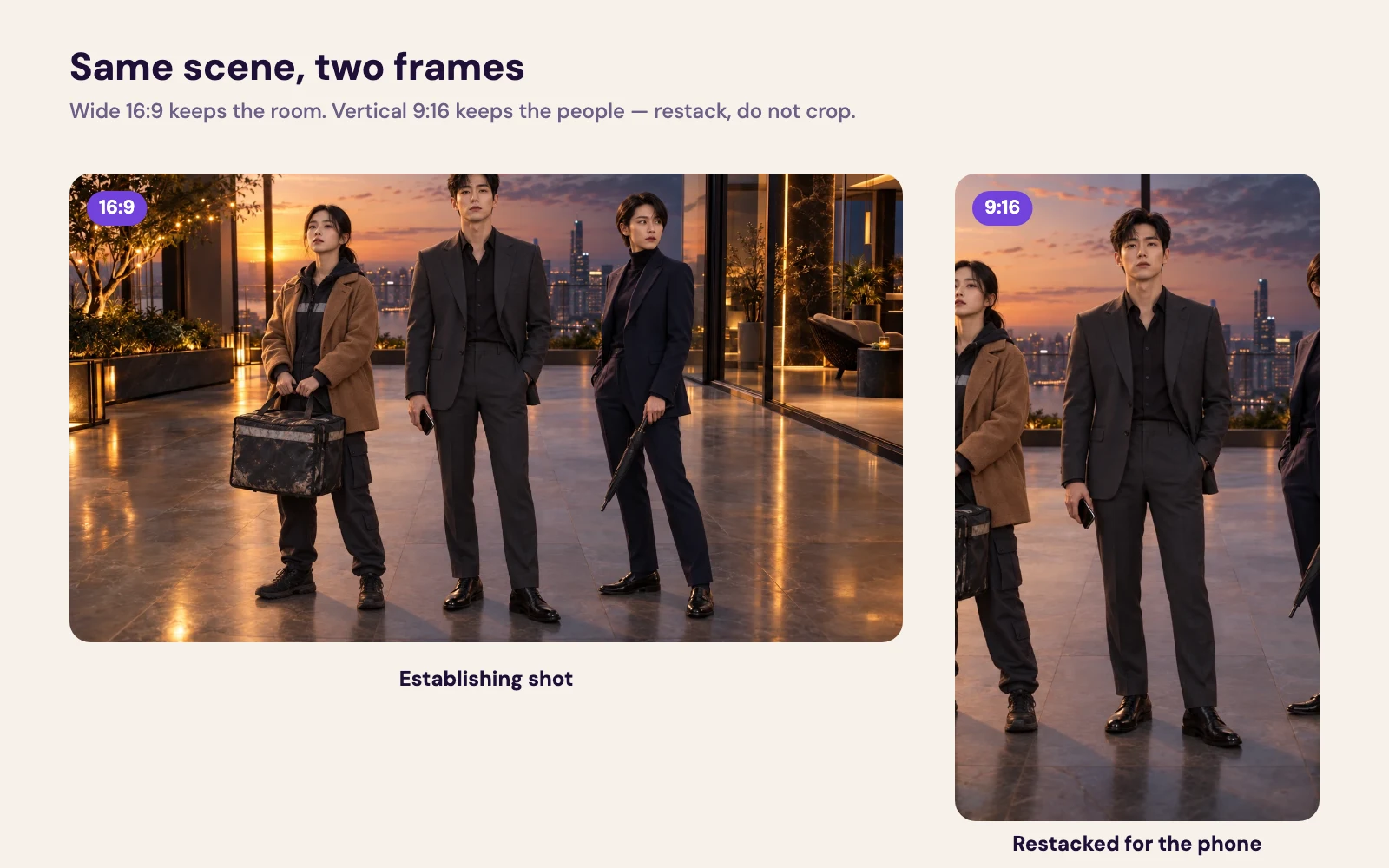
  1. Boarding in 16:9 habits. Wide establishing shots and three-across groupings die in a vertical frame — stack subjects or lose them.

  2. Twelve shots where five would do. A vertical scene is intimate; overcutting an argument reads as anxiety, not pace.

  3. The establishing shot first. Open on the want, not the room — the skyline is a garnish, the face is the meal.

  4. Ending the board on the action. The last card is a held reaction, always — action resolves, a face withholds.

Questions

Do I need to know how to draw to storyboard?

No — a shot list is words, and the Scene Planner turns each line into a staged shot. Five lines of “close on X” is a complete board.

How many shots does a vertical scene need?

Usually five: establishing close, reverse, medium turn, reaction close, held shot. Add shots only when each one changes what the viewer knows.

What’s different about boarding for 9:16 vs 16:9?

Everything vertical: one subject per shot, faces and hands over scenery, subjects stacked instead of spread. A 16:9 board cropped to 9:16 loses its edges — board for the real frame.

Should the last shot always be a held close?

Almost always — the held reaction is where meaning lands. The exceptions are the visual stings: an image (a hand, a door, a screen) that is itself the cliffhanger.

Can I storyboard before I have a Cast?

You can, but the board gets better with faces attached — blocking decisions change when you know who’s on which side of the frame. Lock the Cast first if you can.

Your nextScene startswith you.

Make something you’ve always wanted to be in.

TRY THIS

Explore plans & Credits