character.appby charactrMake my show

How to cast a vertical drama villain people love to hate

Updated September 13, 2026 · 5 min read

A vertical-drama villain isn’t a monster — they’re the person who wants the same thing as your lead and is willing to pay a price your lead won’t. The casting method: give them a real want, make every cruel act explainable, keep exactly one redeeming crack, and cast a face that reads as trustworthy until it isn’t. Then lock the look so the mask survives the season.

Difficulty
Craft
You need
A lead with a want
The crack
Exactly one
Studio surface
Cast

The type across genres

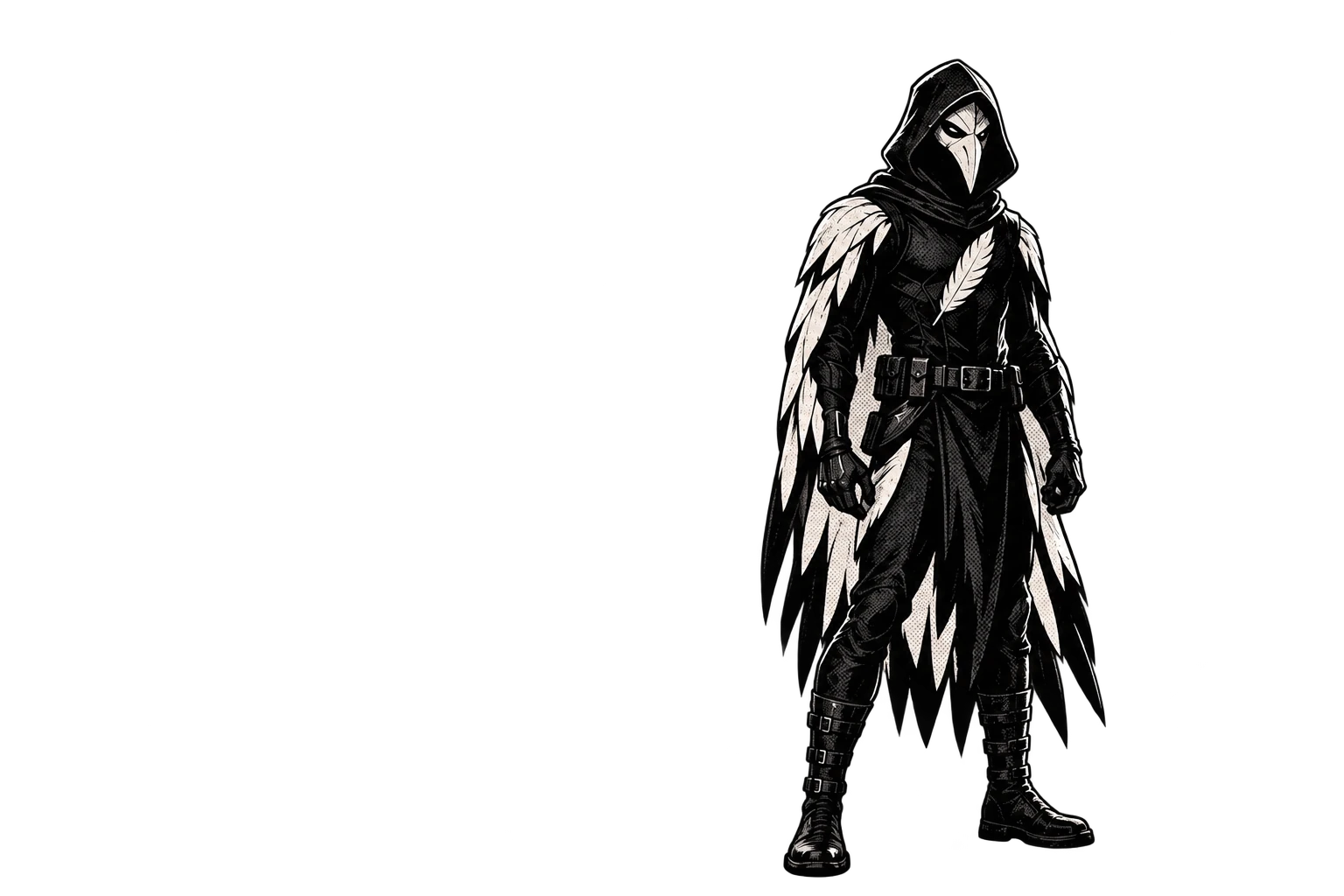
  • The Magpie — a graphic-novel antagonist cutout, the charming-predator casting in another register.
    The type survives genres: charming, patient, hungry.
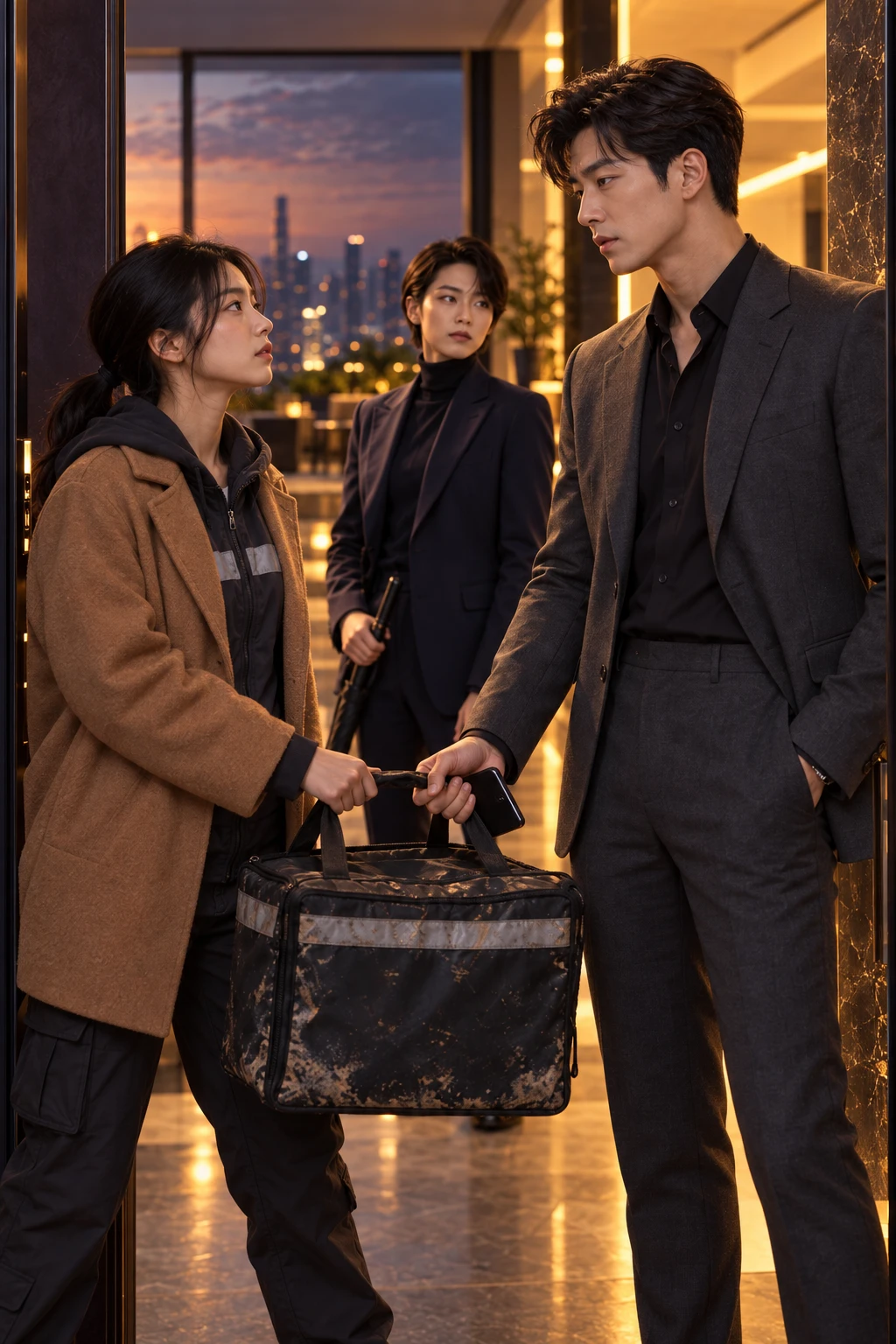
  • Episode still — The Engagement Party: the villain’s work visible to everyone except the room.
    Villainy in plain sight — the engagement-party beat.
  • Anime episode still — The Rival’s Secret: the antagonist-as-rival pattern in a different register.
    Same wiring in anime: the rival who wants what you want.

Generated in Character App · example stills, not a live product demo

Common mistakes

  1. Evil for evil’s sake. A villain who hurts people because the script needs a villain reads as noise — give them the want that makes hurting the shortcut.

  2. Cruelty that’s always on. A villain who snarls every scene spends the reveal early — the menace works because the mask is usually up.

  3. Too many redeeming qualities. One crack humanizes; five redeems. If the audience stops wanting them to lose, you wrote a second lead.

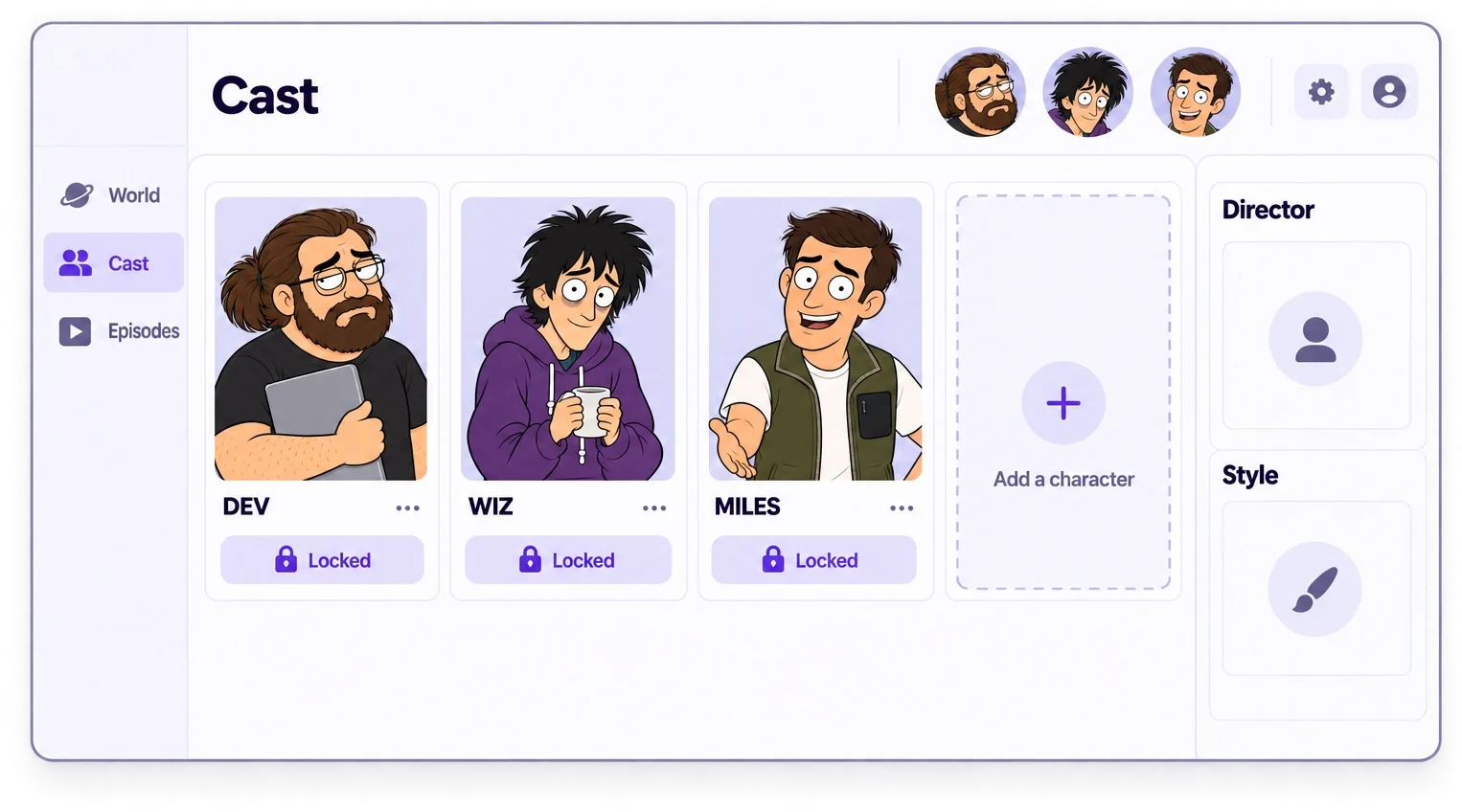
  4. An unstable face. If the villain’s look drifts between episodes, the “I trusted that face” payoff breaks — lock the Cast reference before the slow burn starts.

Questions

Should the villain get more screen time than the lead?

Less, usually — the lead carries the wanting, the villain carries the pressure. Their scenes should feel like weather moving in: present enough to threaten, absent enough to be everywhere.

Can the villain win?

They can win the season — a villain victory is a classic door-left-open finale. What they can’t do is win the argument; the show still has to think they’re wrong.

How do I keep them hateable without being cartoonish?

Keep the logic and lose the mustache: they explain themselves, they don’t gloat. The audience supplies the hiss when the reasoning almost works.

What if viewers love the villain more than the lead?

A solvable problem — it means the crack is too wide or the lead too passive. Narrow the villain’s sympathy or raise the lead’s want; don’t sand the villain flat.

Your nextScene startswith you.

Make something you’ve always wanted to be in.

TRY THIS

Explore plans & Credits