character.appby charactrMake my show

How to write a vertical drama cliffhanger

Updated September 13, 2026 · 6 min read

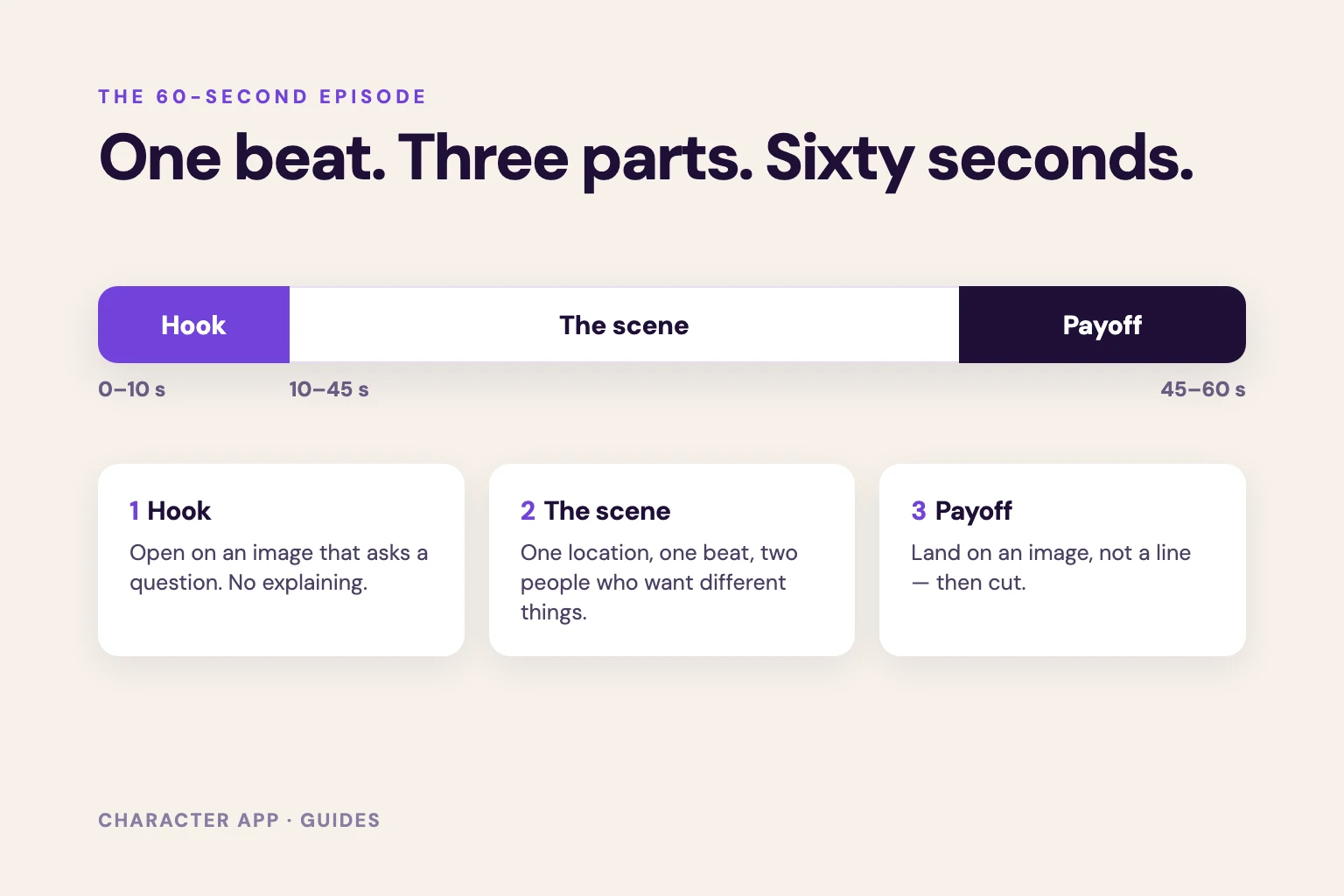
A cliffhanger is a promise: one image that makes the next episode necessary. Six types reliably work in vertical drama — the reveal, danger, decision-point, return-of-the-thing, the unanswered question, and the visual sting — and this guide teaches each with stills from a real 9:16 series, then walks you through writing your own: setup, turn, held shot. You need a premise and ten minutes.

Time to first result
One ending in ~10 min
Difficulty
Intermediate craft
You need
A premise + a Cast
Studio surface
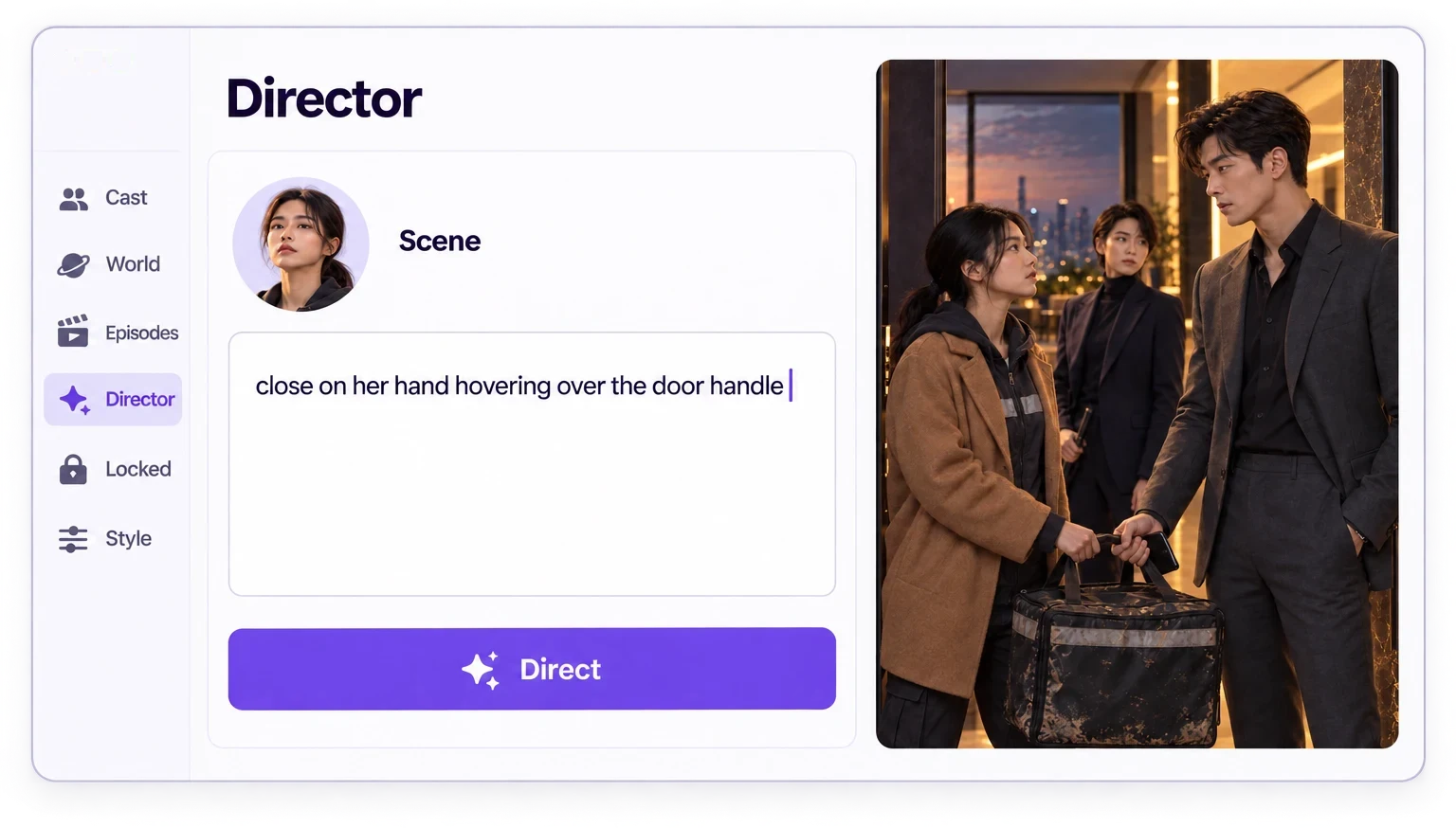
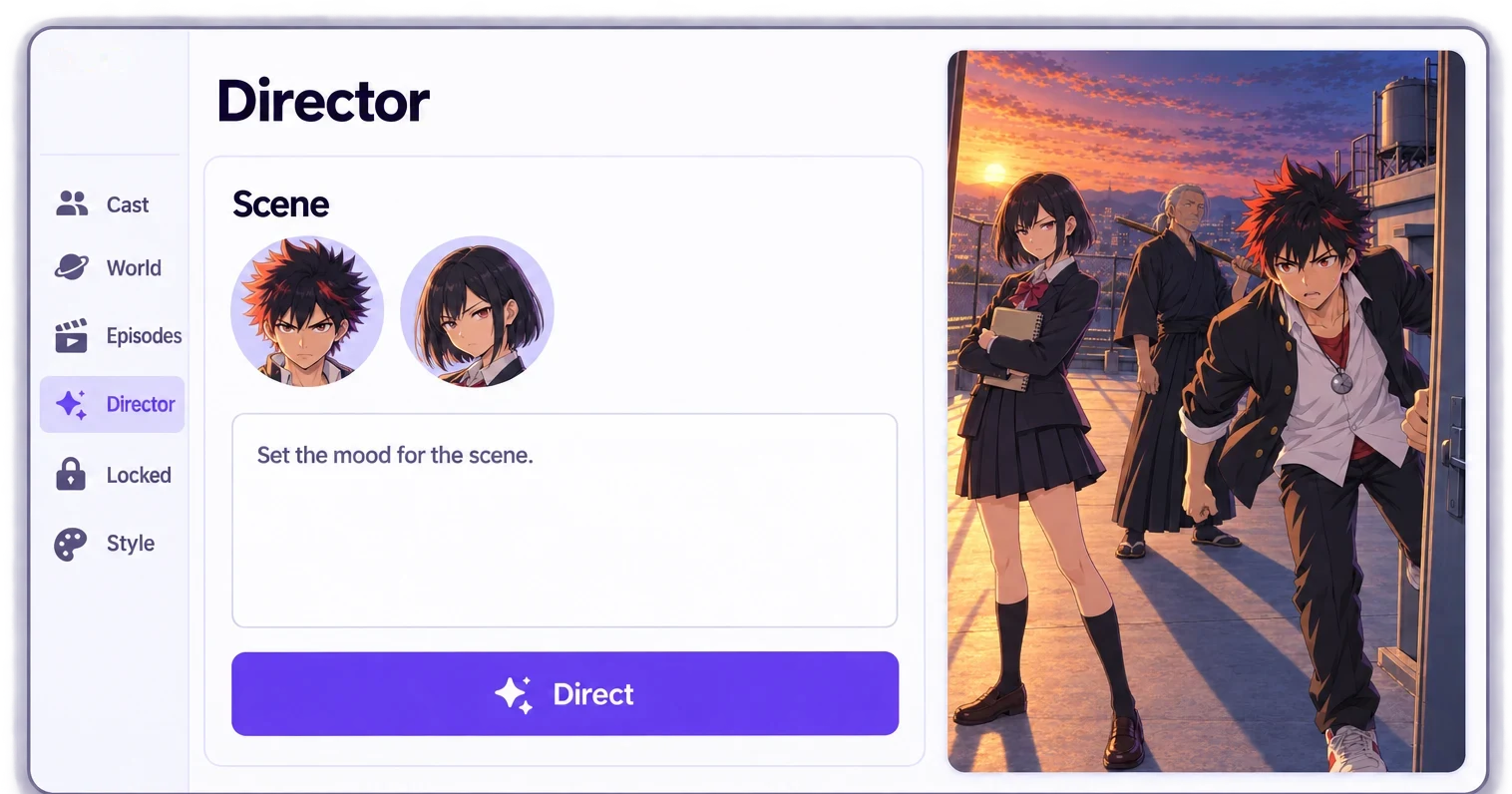
Director
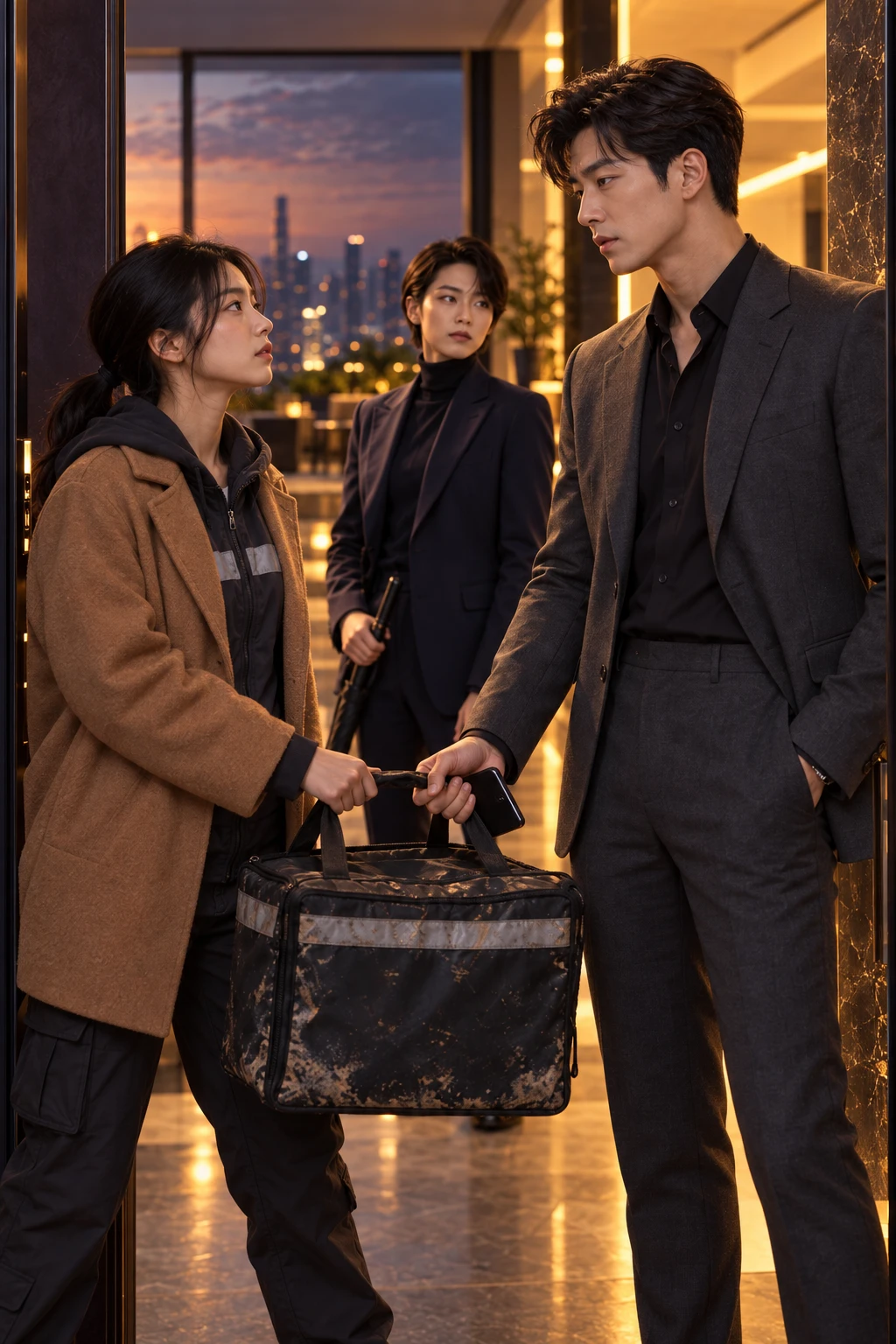
Two vertical-drama leads back-to-back in unresolved tension on a penthouse terrace at dusk, gold rim light.
Every episode of a vertical drama ends on a reason to come back — this guide teaches the six reasons.

Made this way

  • Episode still — a bride’s sister catching the bouquet and reading the note tucked inside it.
    Return-of-the-thing: the note from Episode 02, back in her hands.
  • Episode still — a nurse deleting a hospital visitor log on screen, one name highlighted, elevator light arriving.
    Danger: she deletes the log as the elevator arrives.
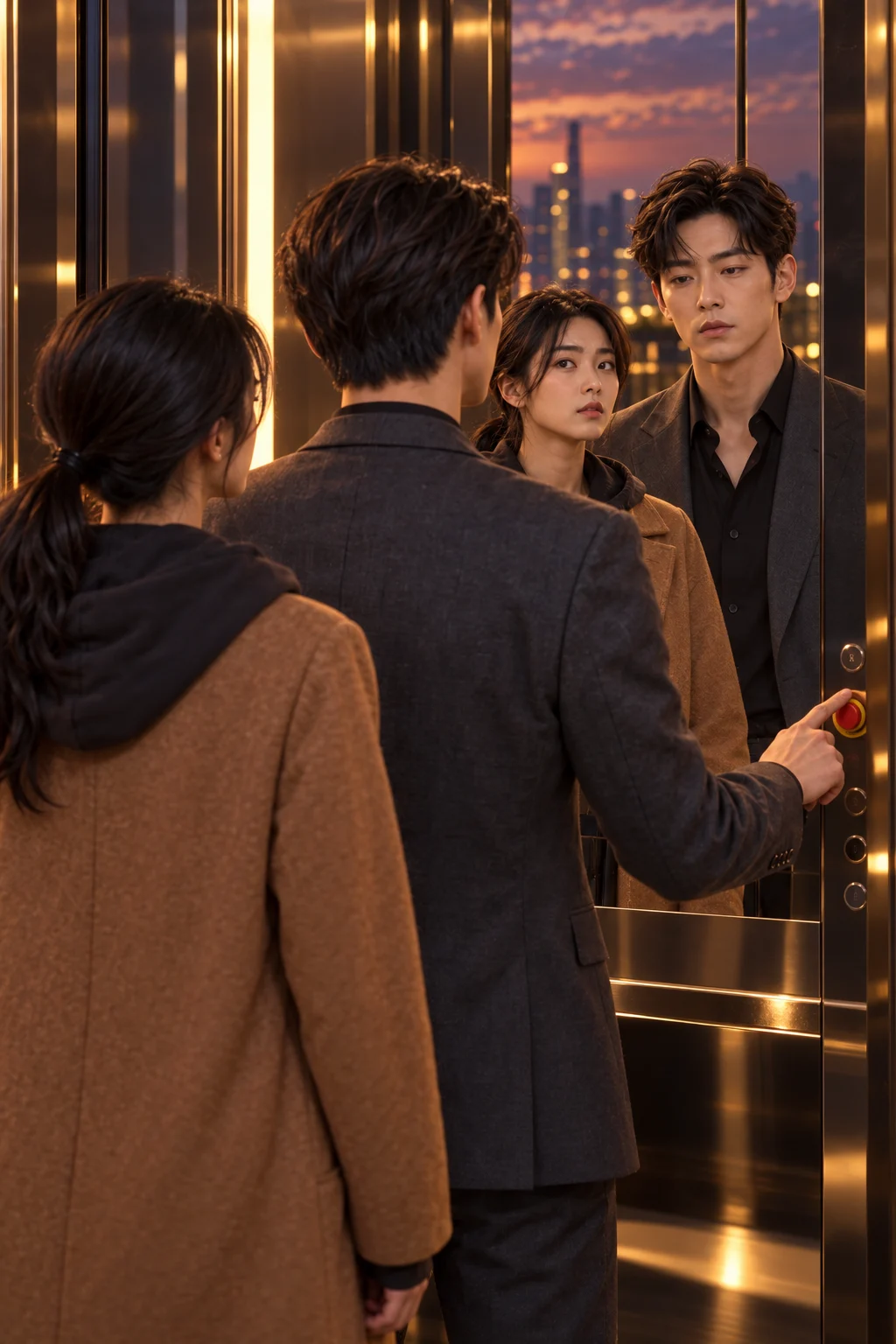
  • Episode still — two rivals in an elevator mirror, one finger reaching for the emergency stop button.
    Decision-point: the stop button, mid-reach.
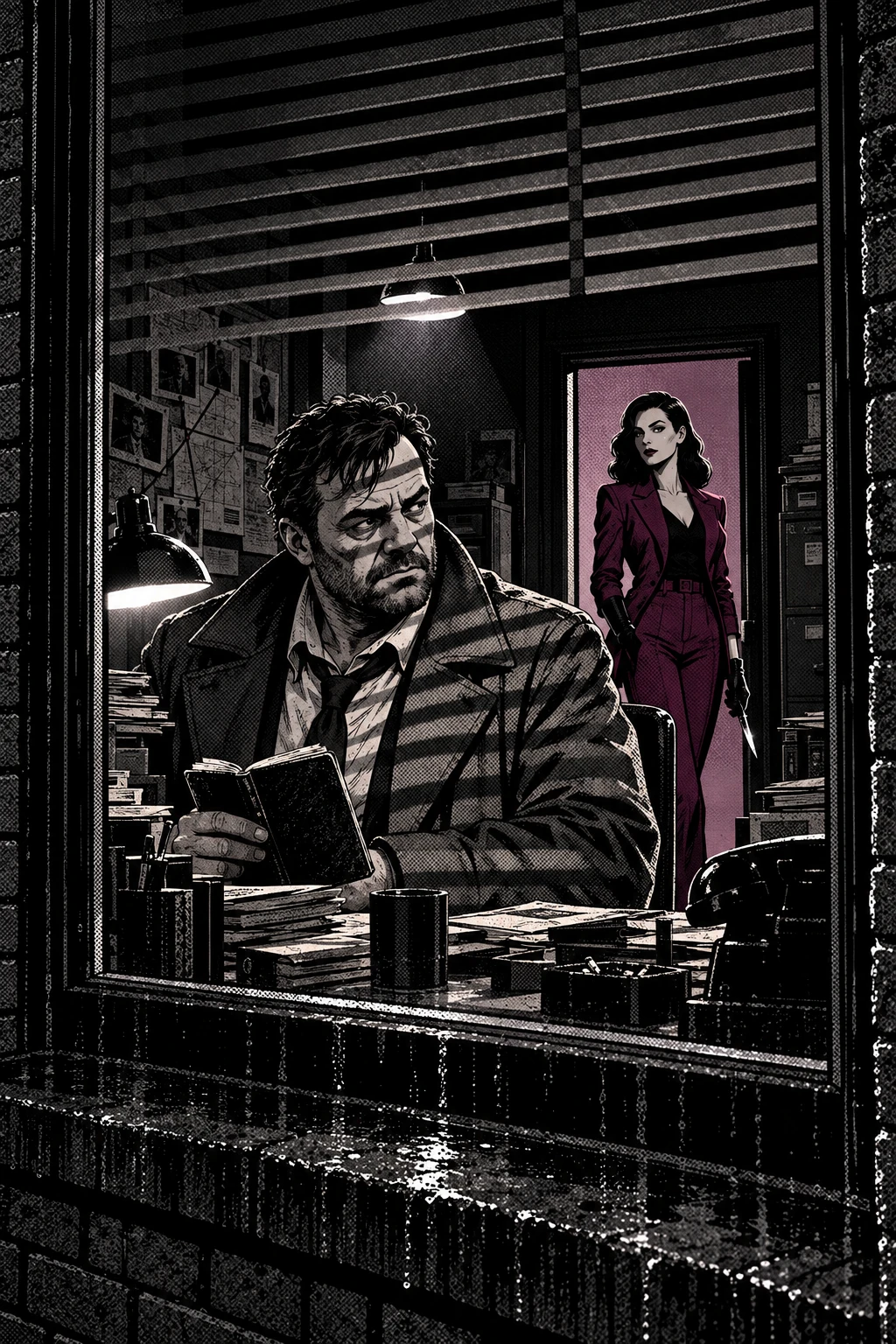
  • Ink-noir panel — a detective at his desk while the client’s silhouette fills the venetian-blind doorway.
    Same move, different genre: the doorway reveal works in ink too.

Generated in Character App · example stills, not a live product demo

Common mistakes

  1. The cliffhanger reveals too much. If the shot answers the question, there’s no reason to come back — cut one beat earlier than feels safe.

  2. Ending on a new problem. The twist should belong to the episode’s own thread — a brand-new threat in the last five seconds reads as a stunt, not a payoff.

  3. Stakes in dialogue, not in frame. A held wide shot can’t carry a close-up’s reveal — match the shot size to the size of the turn.

  4. Ending on a line. Dialogue can ask the question but the image has to hold it — last frame is a face, a hand, a doorway.

Questions

What makes a good cliffhanger?

One unanswered question carried by a single image. If the viewer can name what they’re waiting for — the door, the name, the answer — it works; if they can only name a feeling, it’s not specific enough yet.

How do I end an episode without it feeling abrupt?

Abrupt is fine; unresolved is the point. What reads as “abrupt” is usually a turn that wasn’t set up — plant the thread in the first ten seconds and the cut feels earned, not chopped.

Can every episode end on a cliffhanger, or does that get exhausting?

Yes, if the type rotates. Six reveals in a row go flat; alternate reveal, danger, decision and the quiet unanswered question so the audience can’t predict which refusal is coming.

Do I need to resolve last episode’s cliffhanger immediately?

No — answer it early, then spend the episode earning the next one. The cadence is open-on-the-answer, close-on-the-question.

What’s the difference between a cliffhanger and a cold open?

A cold open buys the first three seconds; a cliffhanger sells the next episode. One hooks the current viewer, the other creates tomorrow’s — you need both, at opposite ends.

Your nextScene startswith you.

Make something you’ve always wanted to be in.

TRY THIS

Explore plans & Credits