character.appby charactrMake my show

How to direct AI actors with text

Updated September 13, 2026 · 6 min read

Directing an AI actor is writing a stage note, not a prompt: a good direction line names who, where, what changes, and the one held beat — then lets the Director stage it. Bad lines describe moods ("make it dramatic"); good lines describe actions ("she reads the letter twice before looking up"). This guide breaks the line into five parts and shows the fixes for the five most common misses. First real direction takes minutes.

Time to first take
~5 minutes
Difficulty
Beginner craft
You need
A Cast + a World
Studio surface
Director
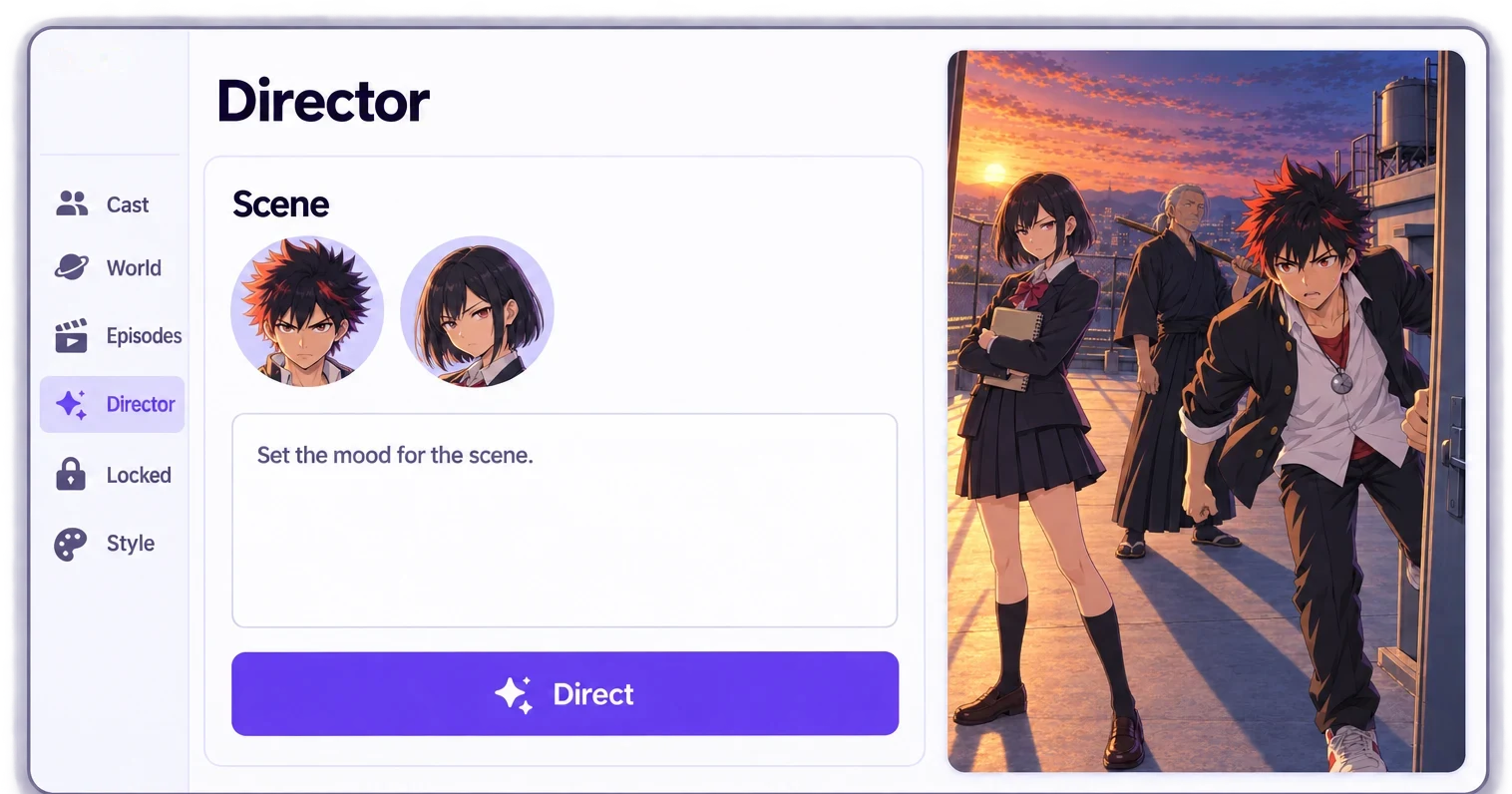
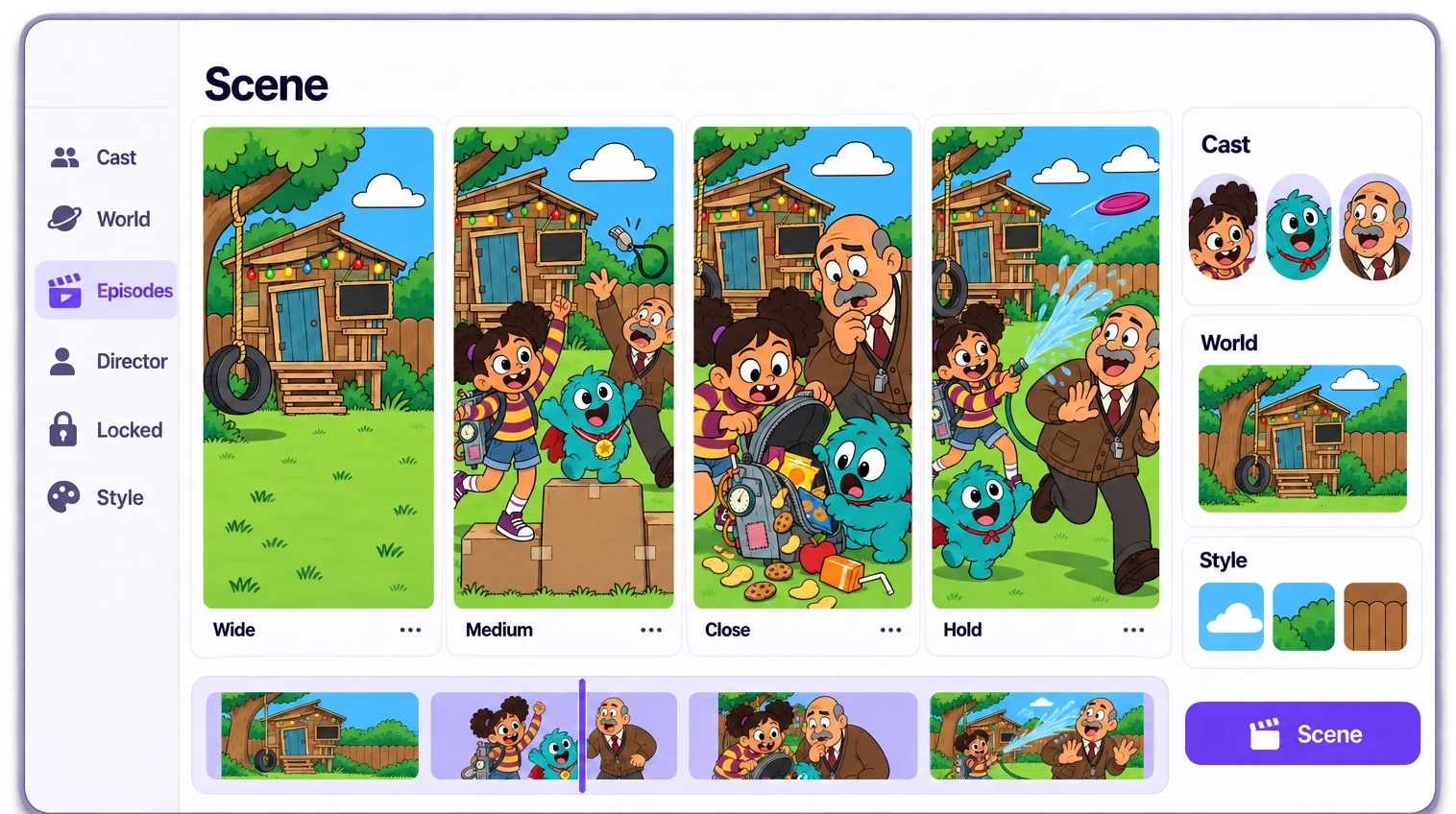
The Director panel with a typed direction line — who, where, what changes, the held beat — staged into a scene.
One typed line is a direction. This guide teaches the five parts.

Made this way

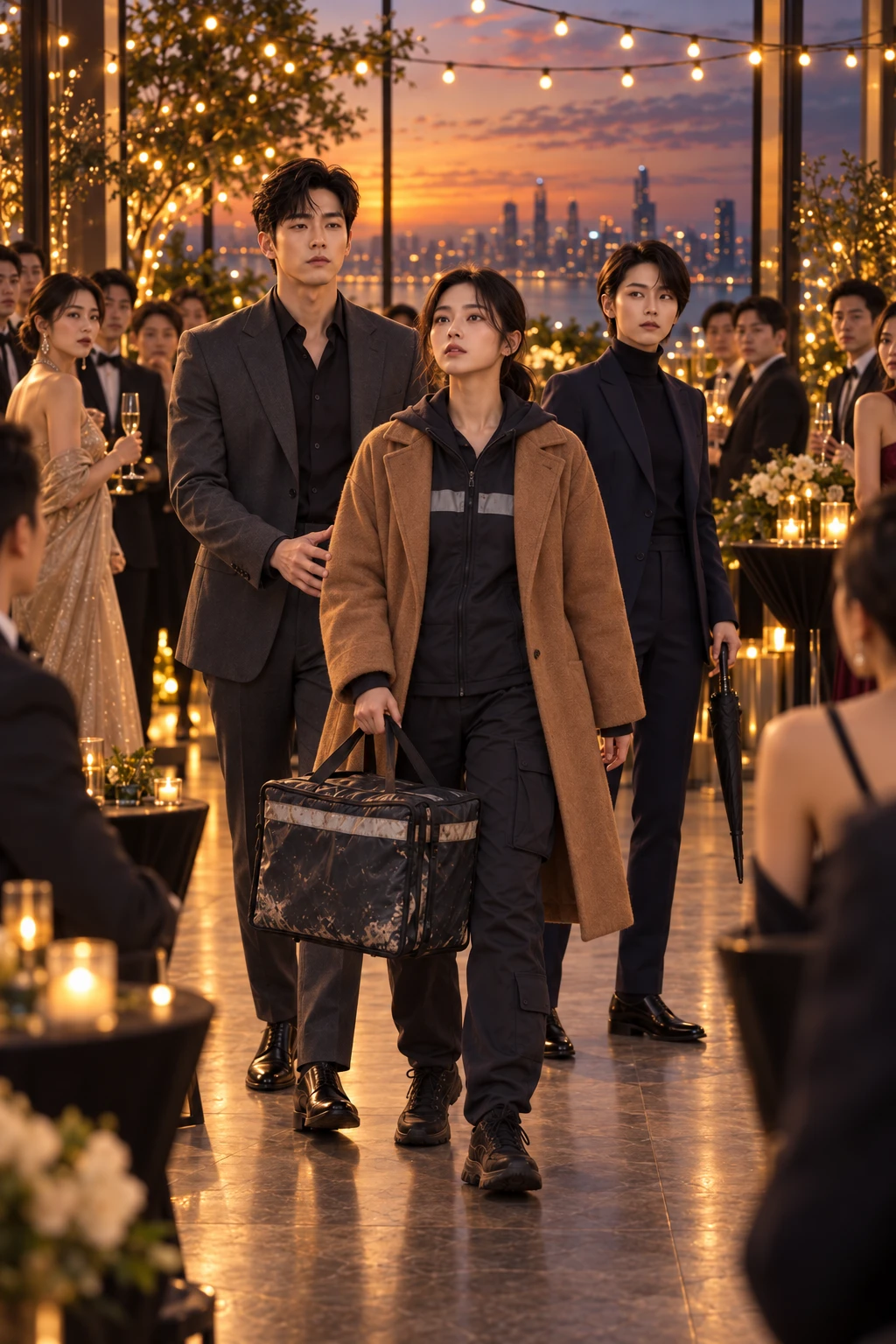
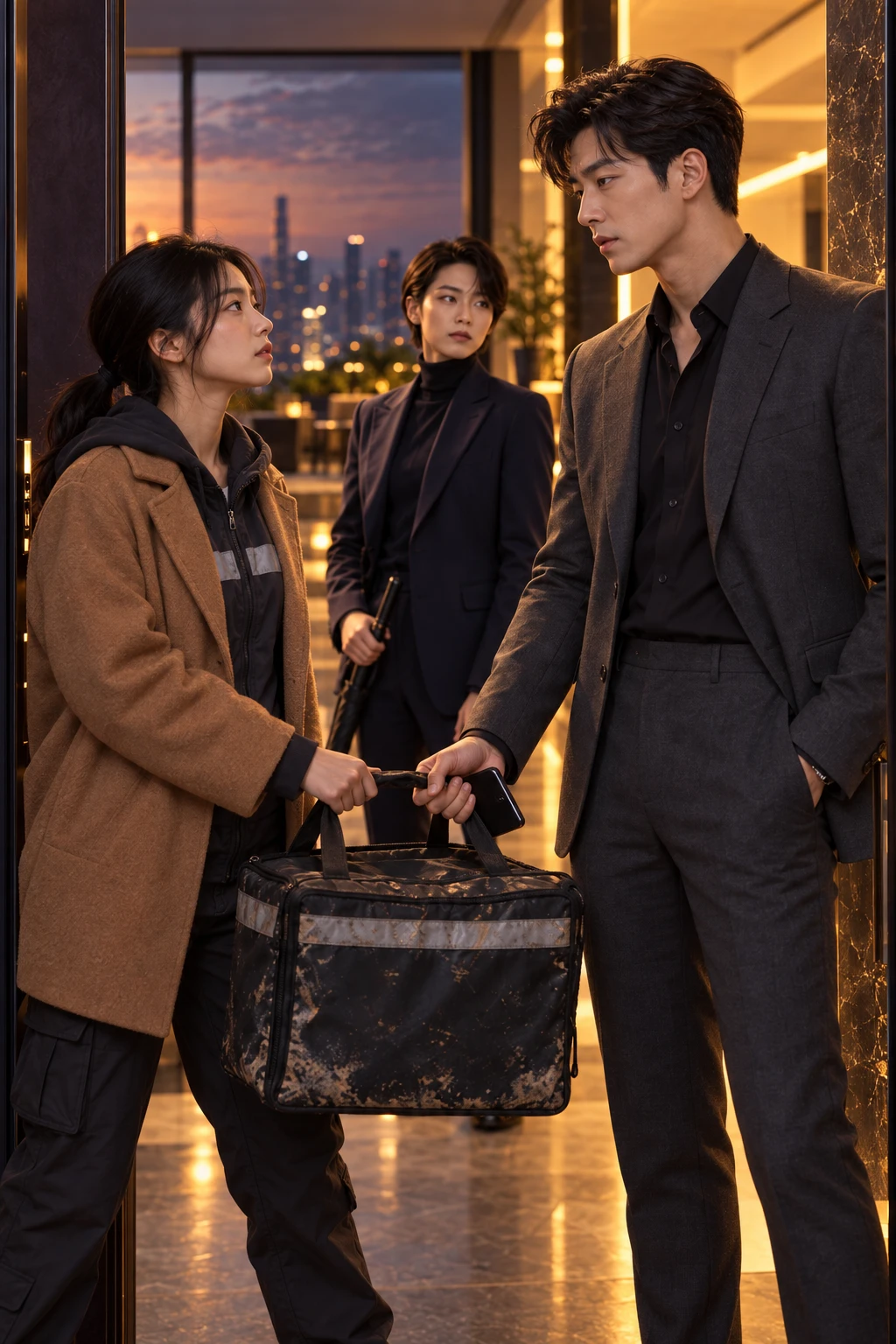
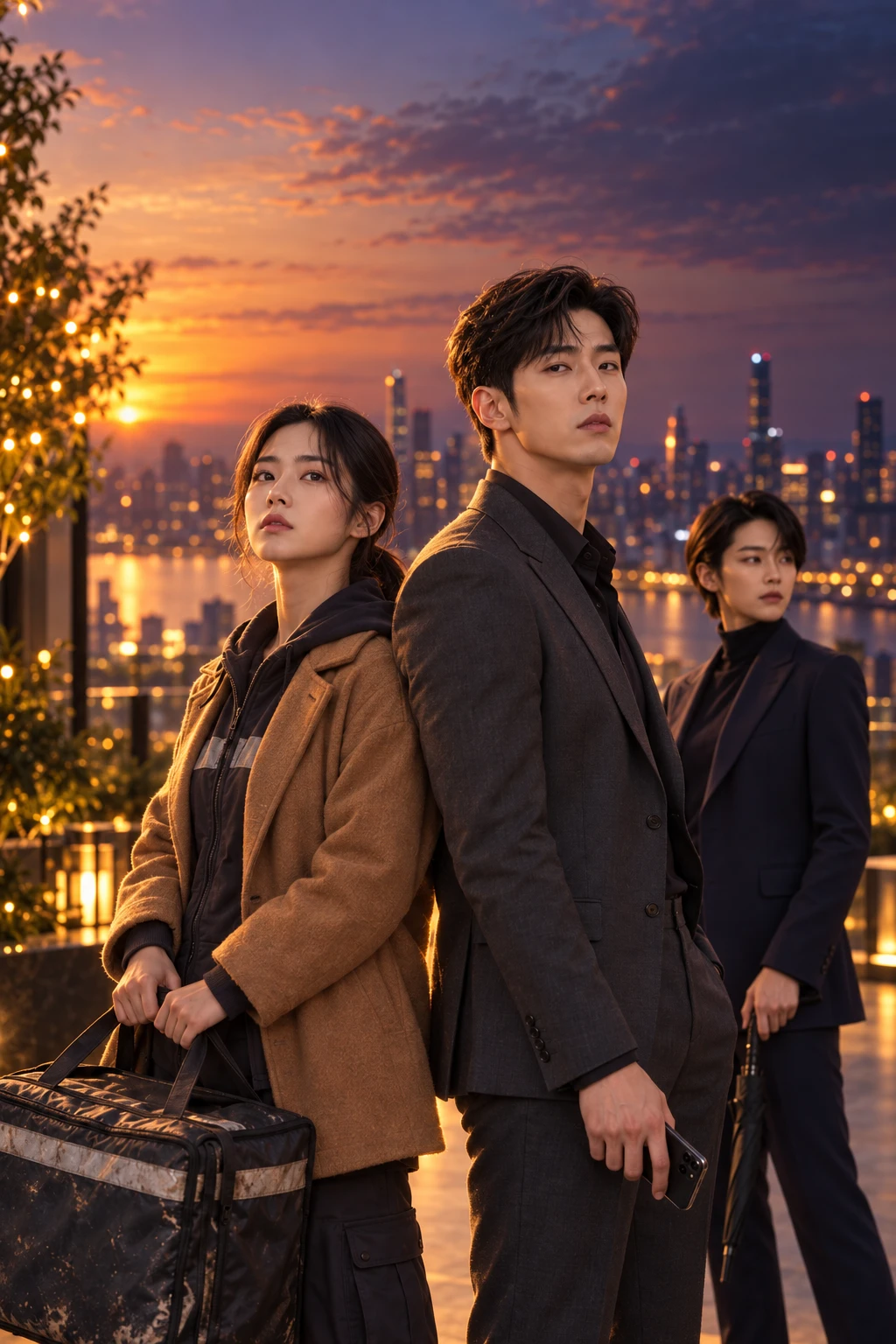
  • Episode still — the delivery-bag standoff, two leads gripping the same bag, the scene staged from one line.
    One line staged: two people, one object, one refusal.
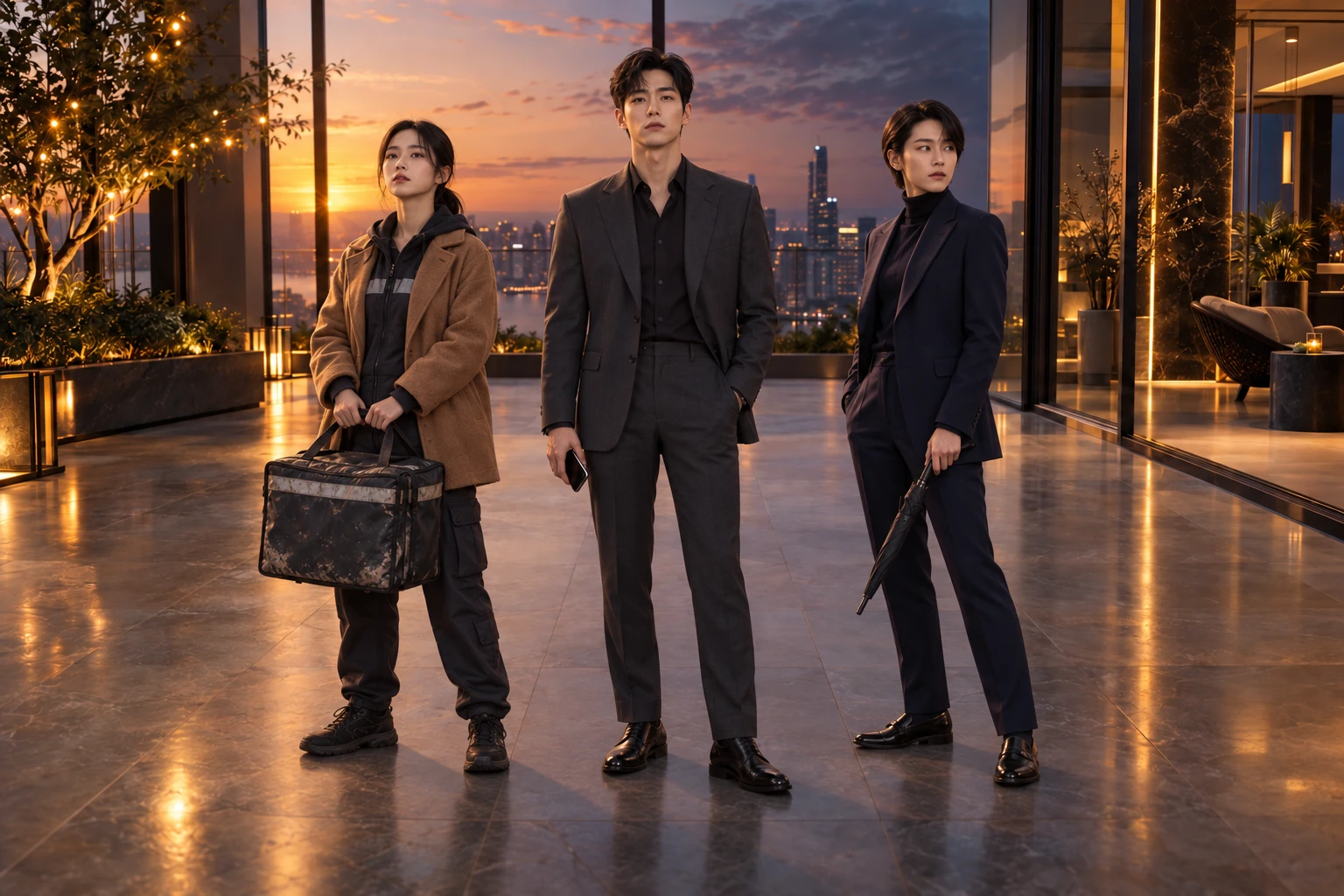
  • The terrace scene populated and blocked — the leads placed, the held positions readable at a glance.
    Blocking you can read: position is a direction too.
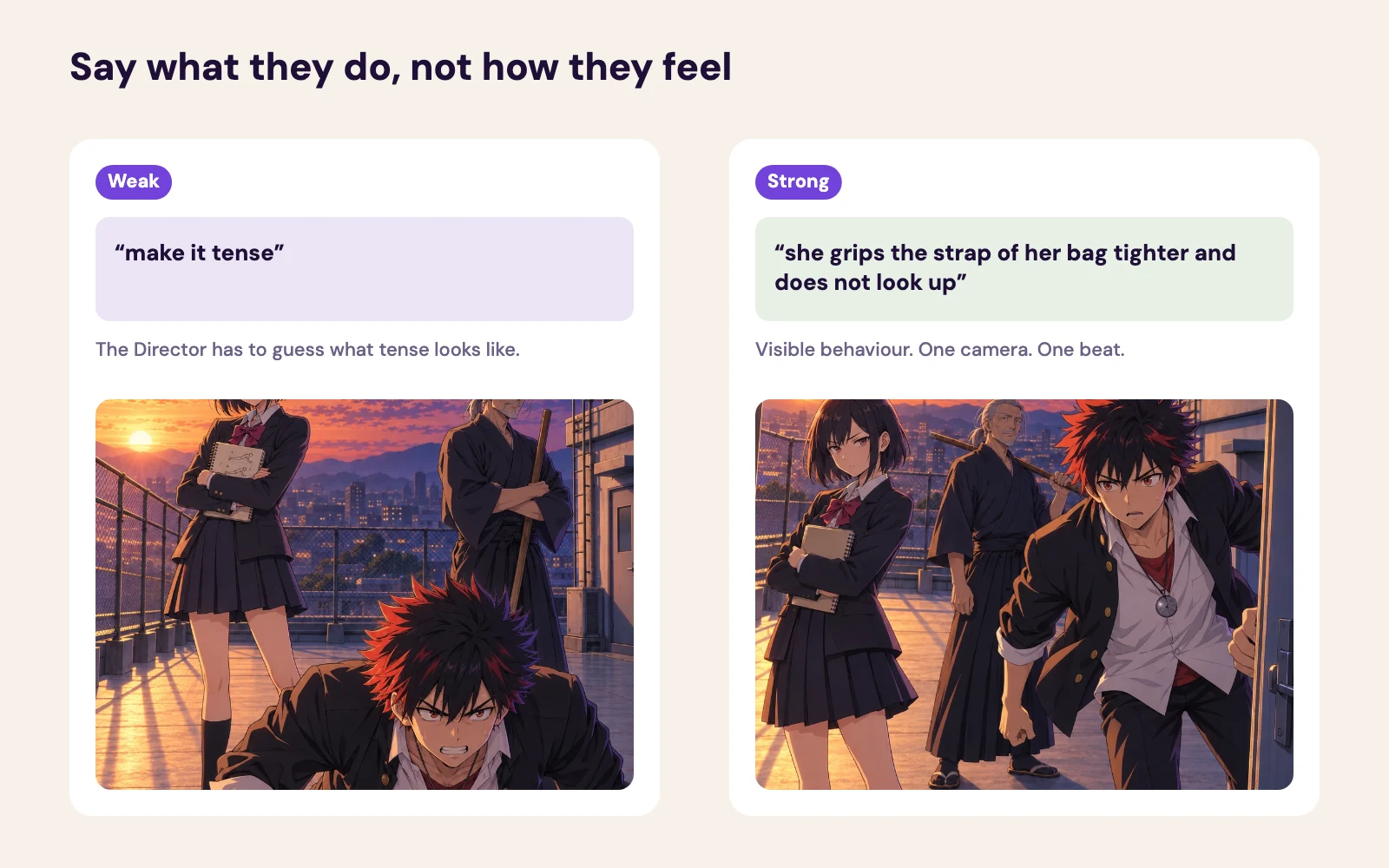
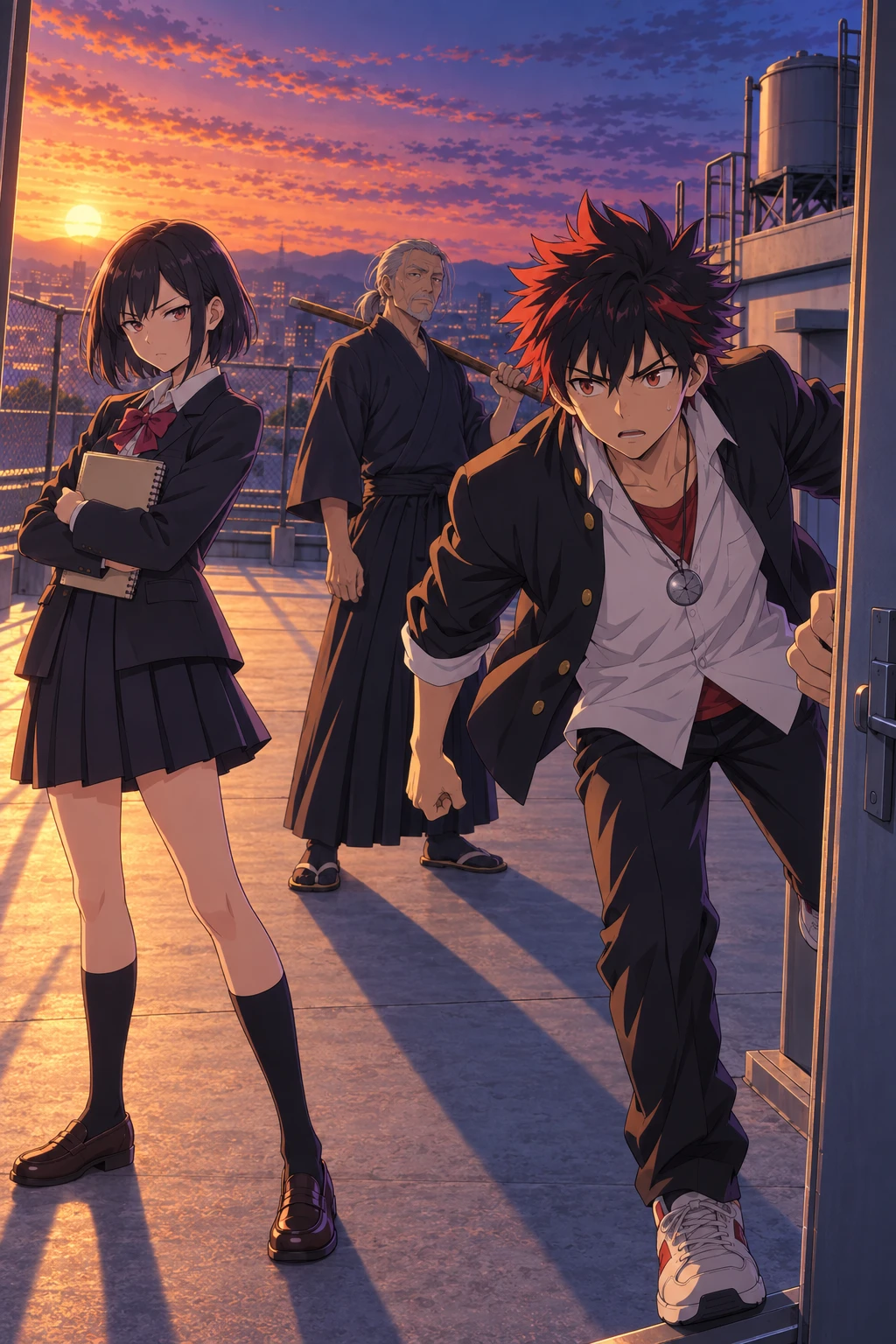
  • Anime episode still — the club president blocking the doorway, the transfer student mid-protest.
    Same grammar in anime: who, where, the turn, the hold.
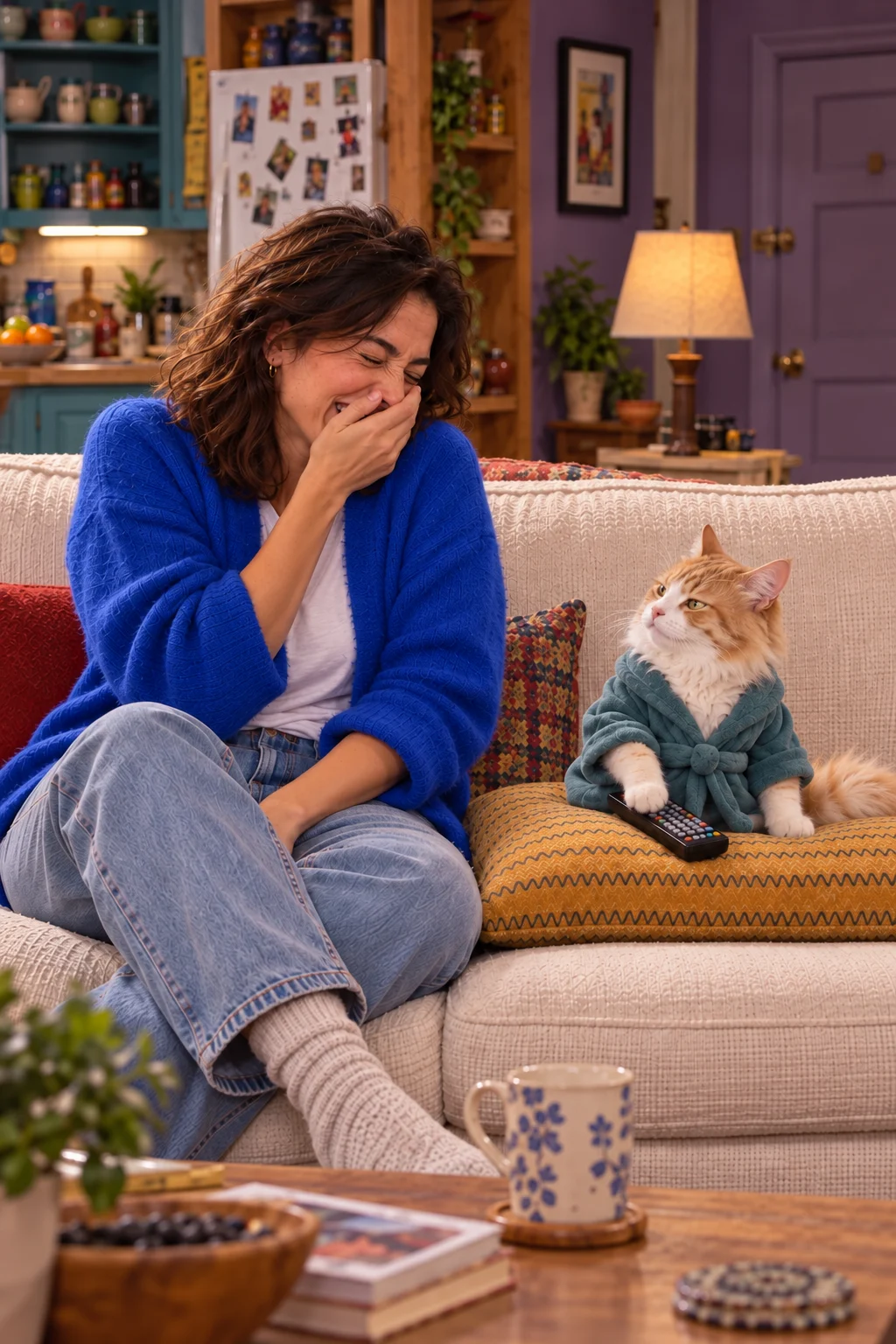
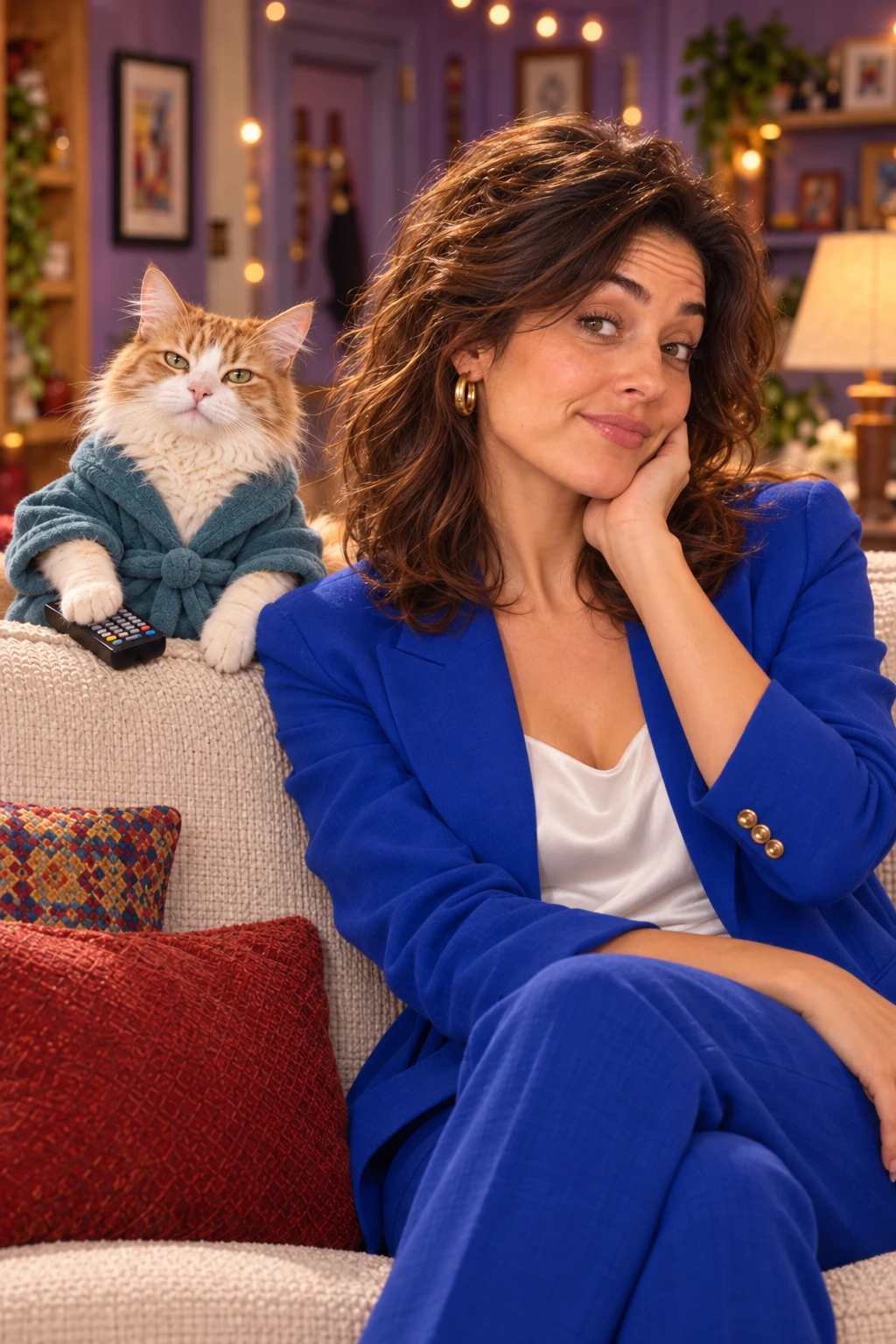
  • Sitcom still — the full cast on the couch for the punchline, the cat presiding from his armchair.
    A comedic held beat — same five parts, faster tempo.

Generated in Character App · example stills, not a live product demo

Common mistakes

  1. Adjectives instead of verbs. “Make it dramatic” gives the Director nothing to stage — describe what a camera sees, not what a viewer should feel.

  2. Re-describing the characters in the line. The Cast card already knows who they are — name them, never re-roll them.

  3. No held beat named. Without “end on X,” the scene ends on the last action instead of the last image — and actions resolve.

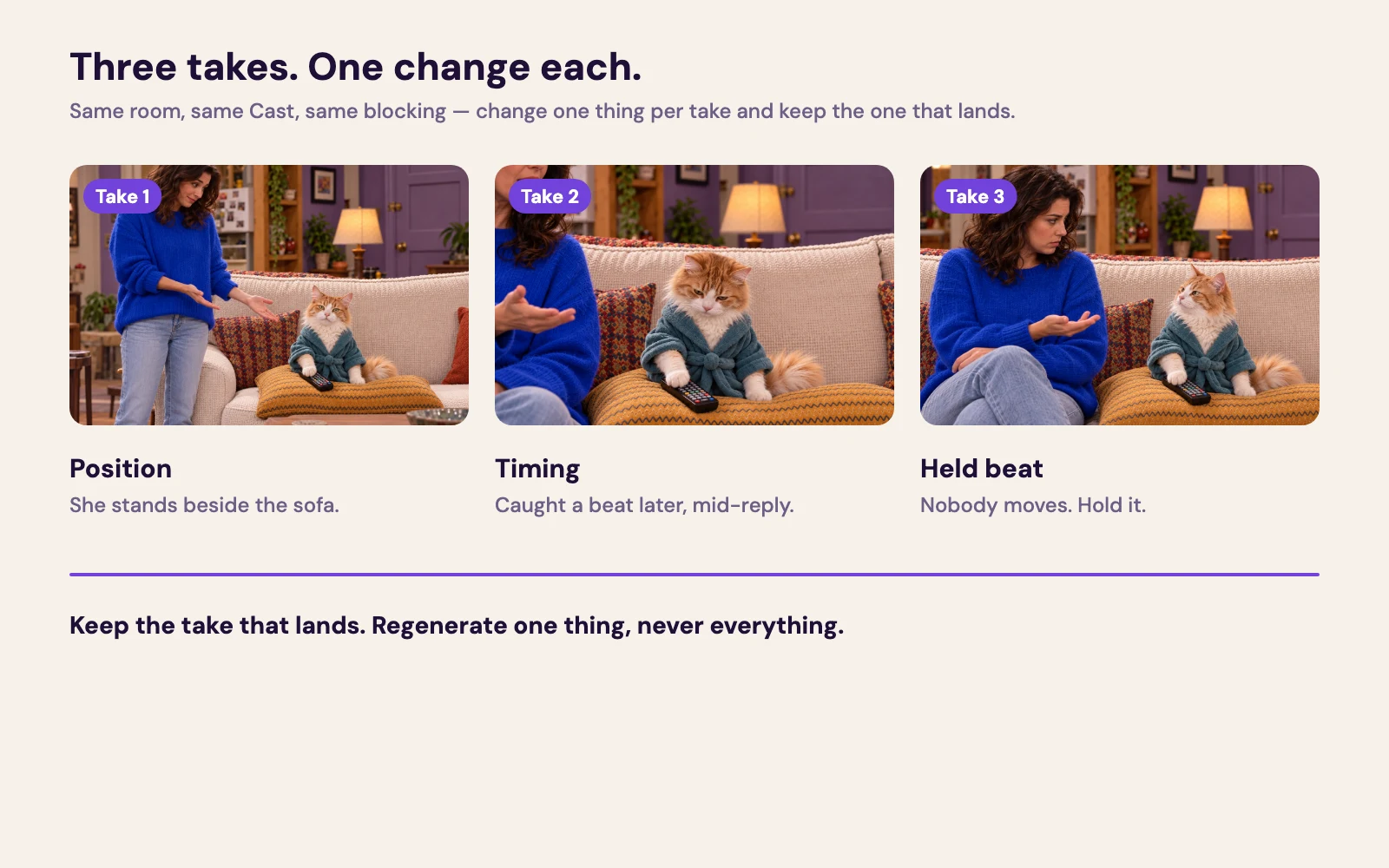
  4. Rewriting the whole line on a miss. A retake changes one thing; a rewrite re-rolls everything, including the parts that worked.

Questions

What’s the difference between a direction line and a prompt?

A prompt describes a picture; a direction line describes an event. Prompts produce stills — direction lines name who, what changes, and where the scene lands, so the Director can stage them.

How long should a direction line be?

One sentence, five parts. If it needs two sentences, it’s probably two scenes — the minute an episode guide covers the split.

Can I write dialogue in the direction?

Short lines, yes — “she says the name out loud” stages fine. Long exchanges work better broken across scene beats than embedded in one direction.

Why did my direction come back different than I pictured?

Usually an unstaged mood word or a missing held beat. Check the five parts — whichever one is absent is the one the Director improvised.

How many retakes is normal for one scene?

Two or three noted passes. Each retake is a charged Clip at the price on the button — change one thing per pass and you’ll rarely need more.

Your nextScene startswith you.

Make something you’ve always wanted to be in.

TRY THIS

Explore plans & Credits