character.appby charactrMake my show

How to write dialogue for AI-directed actors

Updated September 13, 2026 · 5 min read

AI dialogue sounds stiff for a fixable reason: it’s written like prose, and people don’t talk in prose. The fixes are mechanical — contract everything, let them interrupt, put the real meaning under the line instead of in it. This guide rewrites a stiff exchange line by line, then shows how the direction tells the actor where to breathe. What you need: a scene and two people who want different things.

Skill level
Craft
Works for
Every genre
You need
Two characters + a want
Studio surface
Director
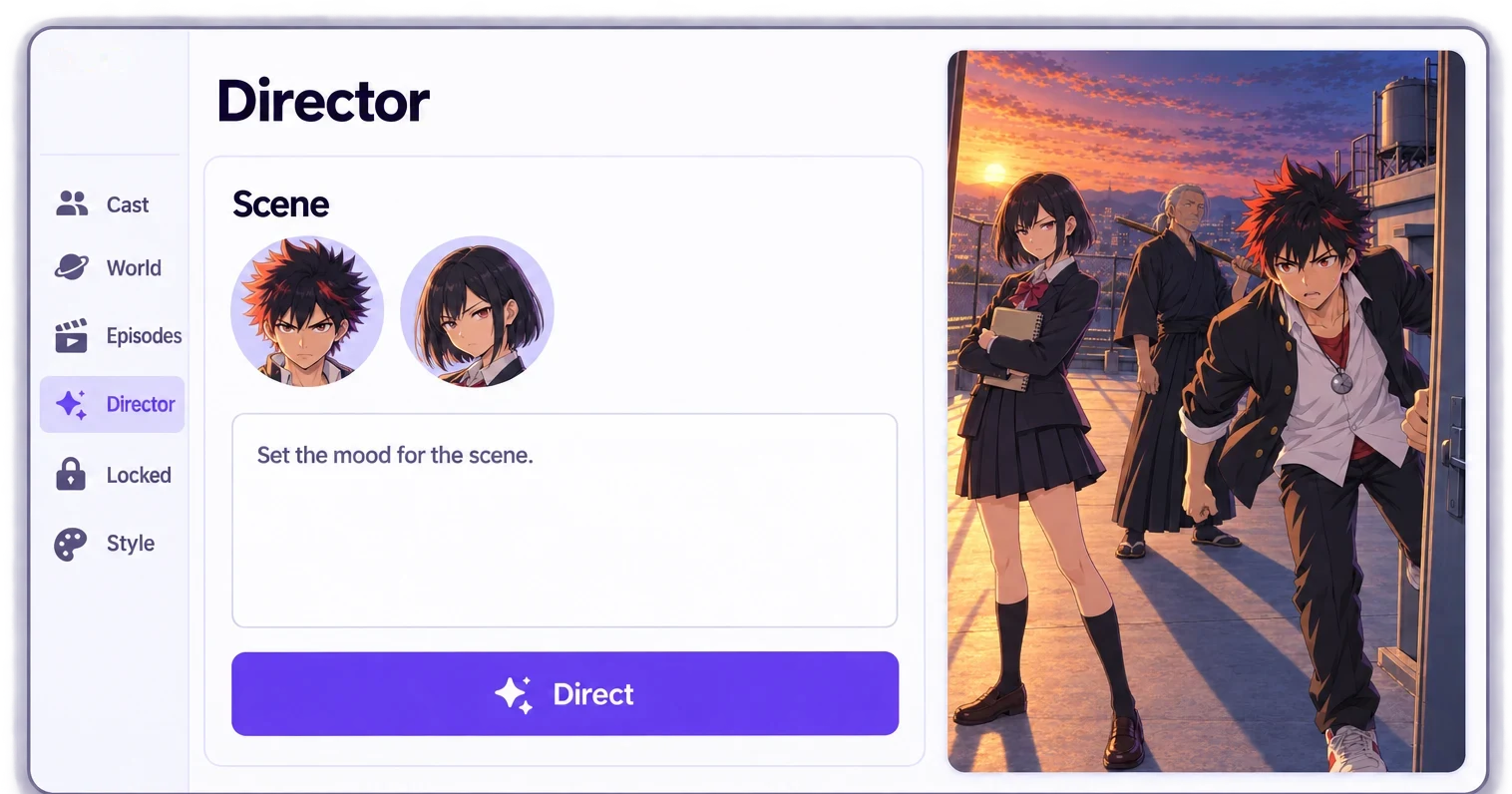
The Director panel — a scene direction with dialogue lines and the pauses staged between them.
Dialogue the Director can stage — lines plus where to breathe.

Made this way

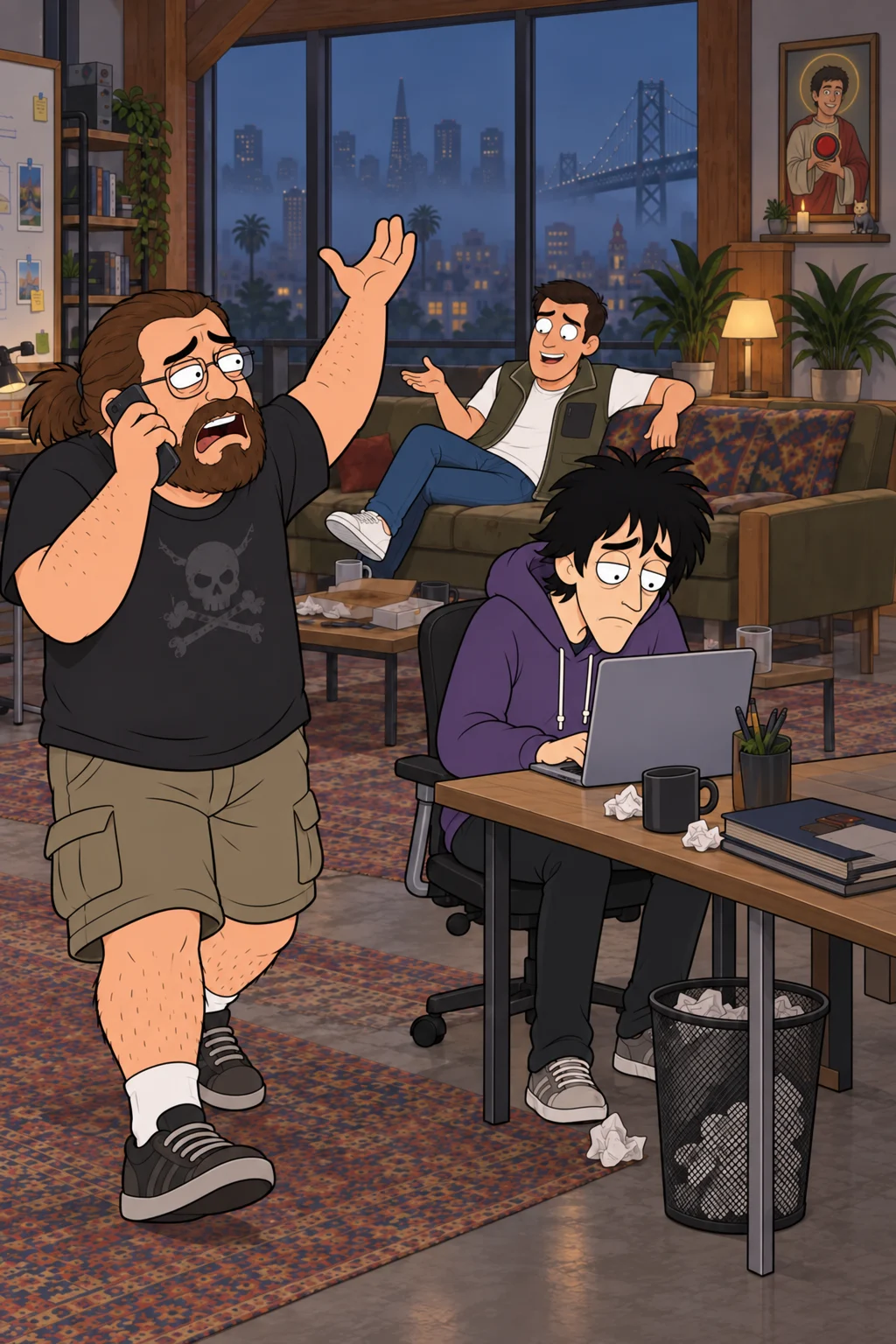
  • A satire scene — the plea “please, one more reset” carrying everything unsaid about the company.
    Satire: the polite line over the panic.
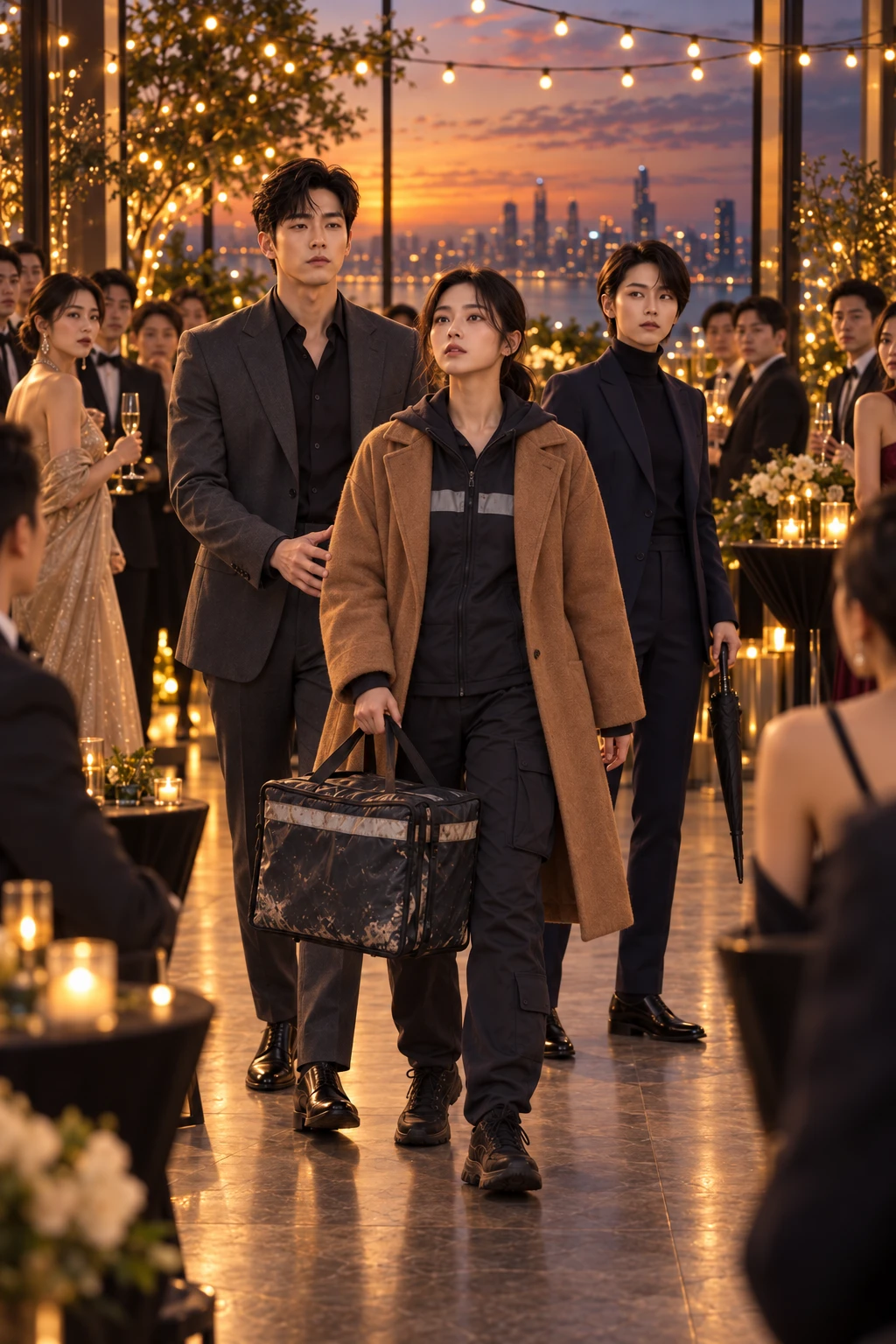
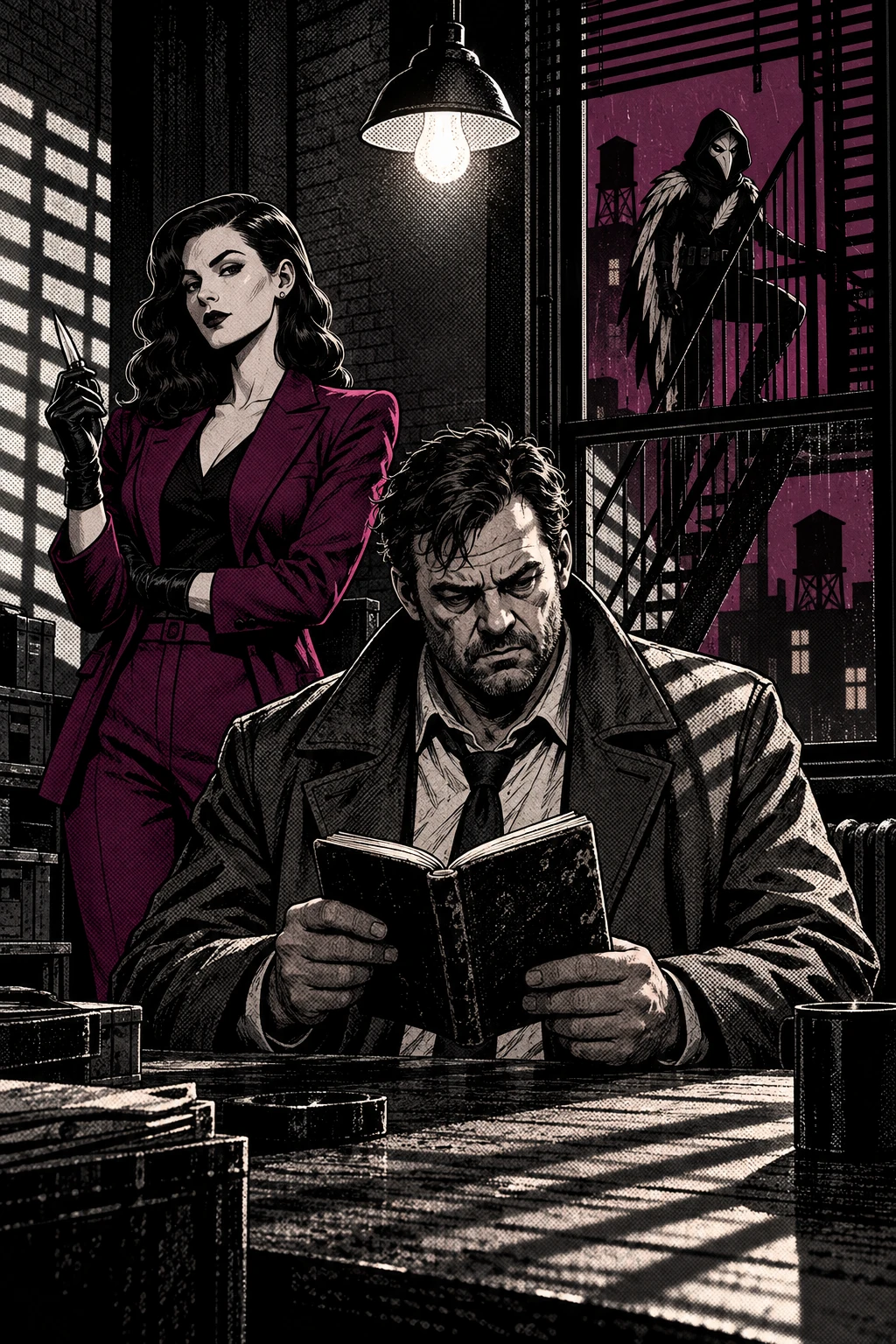
  • A noir exchange — Frank facing a silhouette on the fire escape, the threat delivered as small talk.
    Noir: menace said in a normal voice.
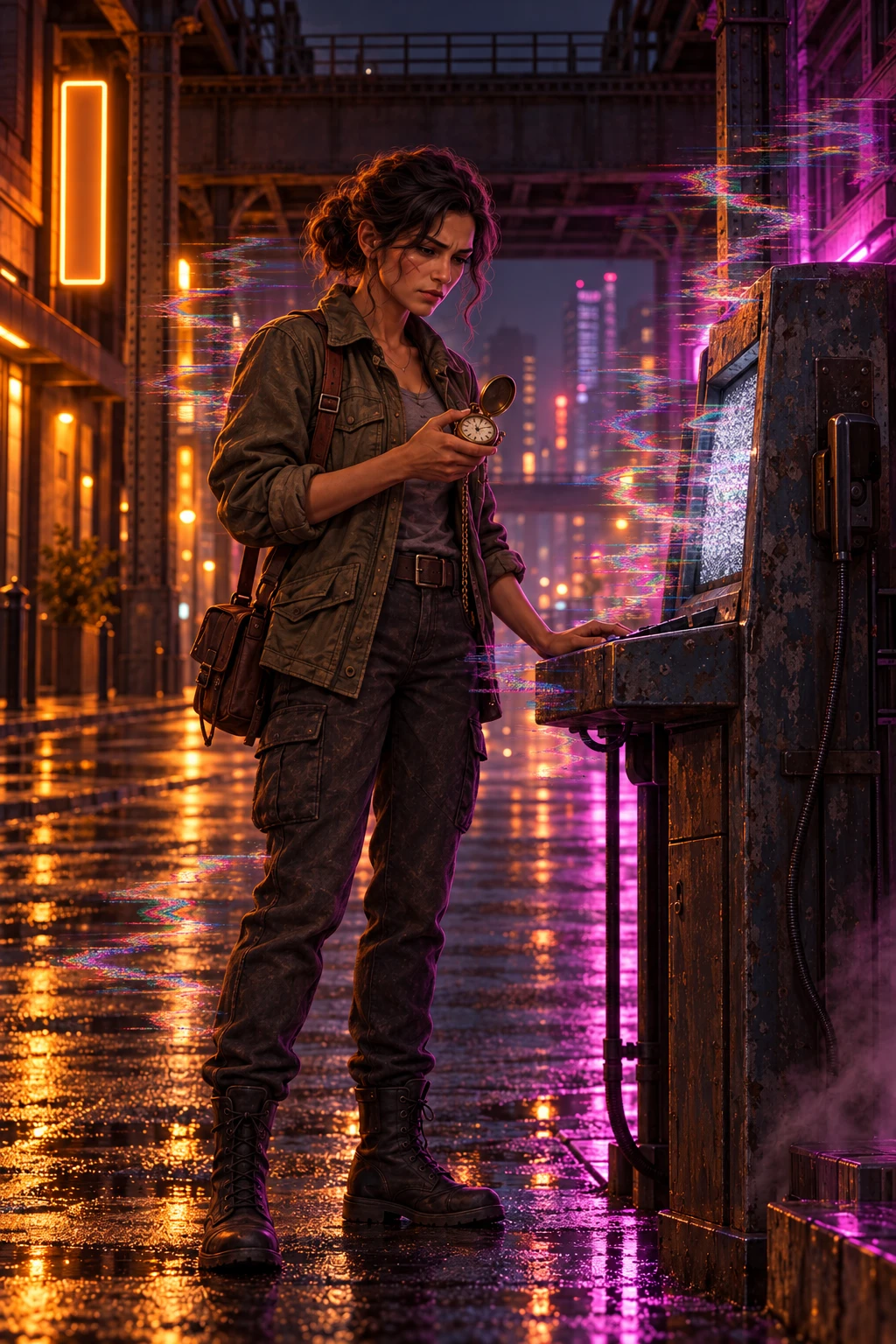
  • A 3D drama scene — Nadia alone at the console, a monologue that’s really a confession.
    3D drama: a monologue that’s really a confession.

Generated in Character App · example stills, not a live product demo

Common mistakes

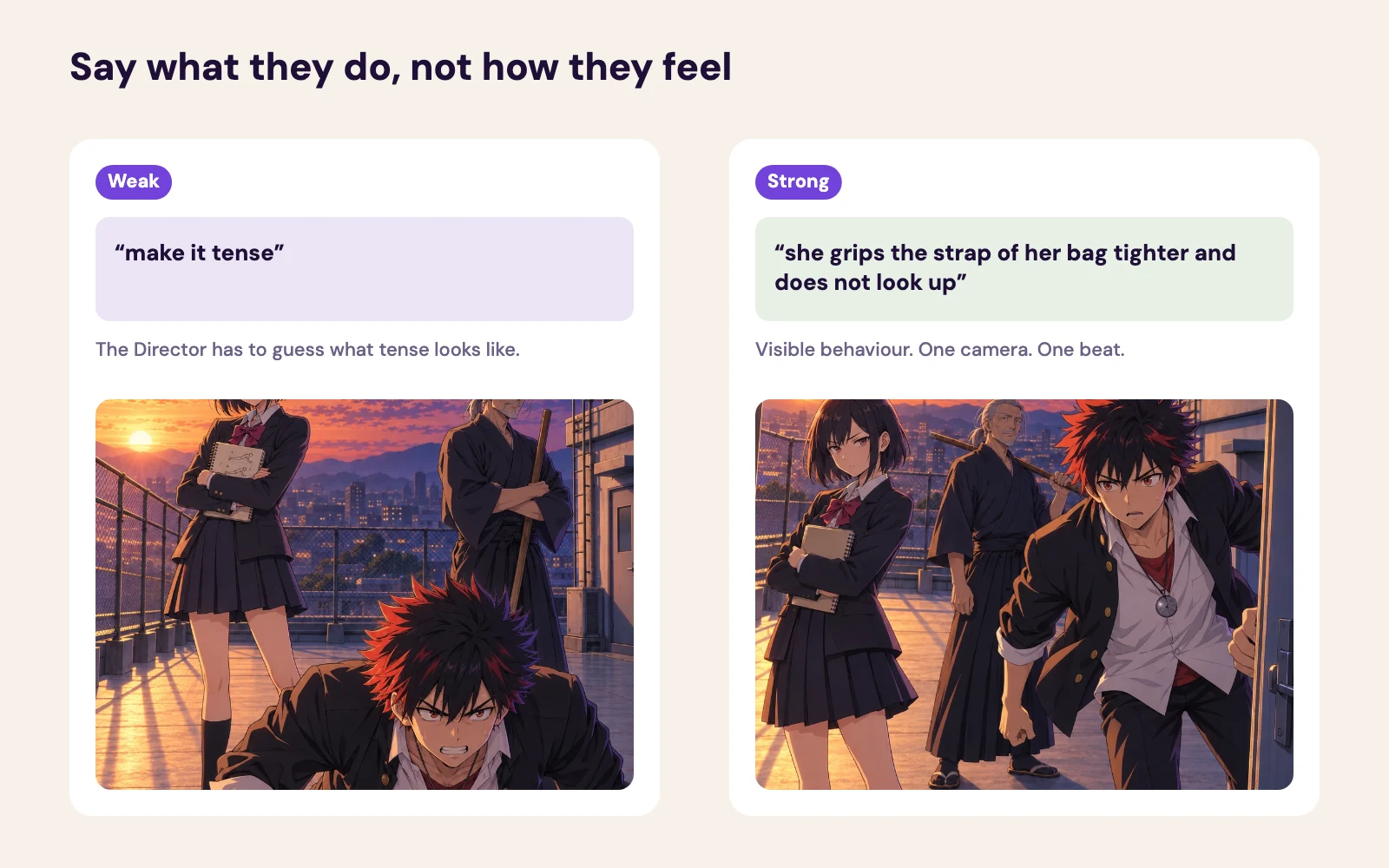
  1. Lines that announce feelings. “I’m angry at you” is a stage direction wearing a costume — write what anger does instead: the short answer, the dish put down too hard.

  2. Everyone finishing their sentences. Uninterrupted dialogue is two monologues taking turns — give each speaker a reason to cut the other off.

  3. Explaining the scene inside the scene. If a line exists to tell the audience what’s happening, the pictures failed — cut the line and let the frame work.

  4. Directing the emotion in the dialogue line. “Sadly, she says…” belongs in the direction, not the script — the line stays plain, the staging carries the weight.

Questions

Why does AI dialogue sound robotic?

Because it’s usually written as correct prose — full sentences, stated feelings, no interruptions. People talk in fragments and evasions; write the fragments and the stiffness disappears.

How do I get an interruption to land?

Write it with a dash where the cut-off happens — “We should—” / “Don’t.” — and let the direction carry the overlap. The punctuation is the stage direction.

Can AI actors do comedy timing?

The writing supplies the timing: the setup, the interruption, the understatement. Keep punchlines short and let the direction hold the beat after them.

How much dialogue can one Scene carry?

A few exchanges — a Scene is a moment, not a chapter. Long conversations work better broken across scenes than crammed into one take.

Is this different from writing the direction line?

They’re the two halves of a scene: dialogue is what they say, the direction line is what they do and where the camera sits. The directing guide covers the second half.

Your nextScene startswith you.

Make something you’ve always wanted to be in.

TRY THIS

Explore plans & Credits