Decide what the card says in two seconds
A title card answers exactly three things: the show’s name, its tone, and its one visual promise. Anything beyond that is noise — a viewer holds a card for about two seconds and reads the shape before the words. Write the card’s sentence first: “a cozy mystery,” “a deadpan office,” “an epic quest.” The design is that sentence, pictured.
If your name needs a paragraph of logo to be understood, the name — or the ambition — needs simplifying. One name, one shape, one promise.

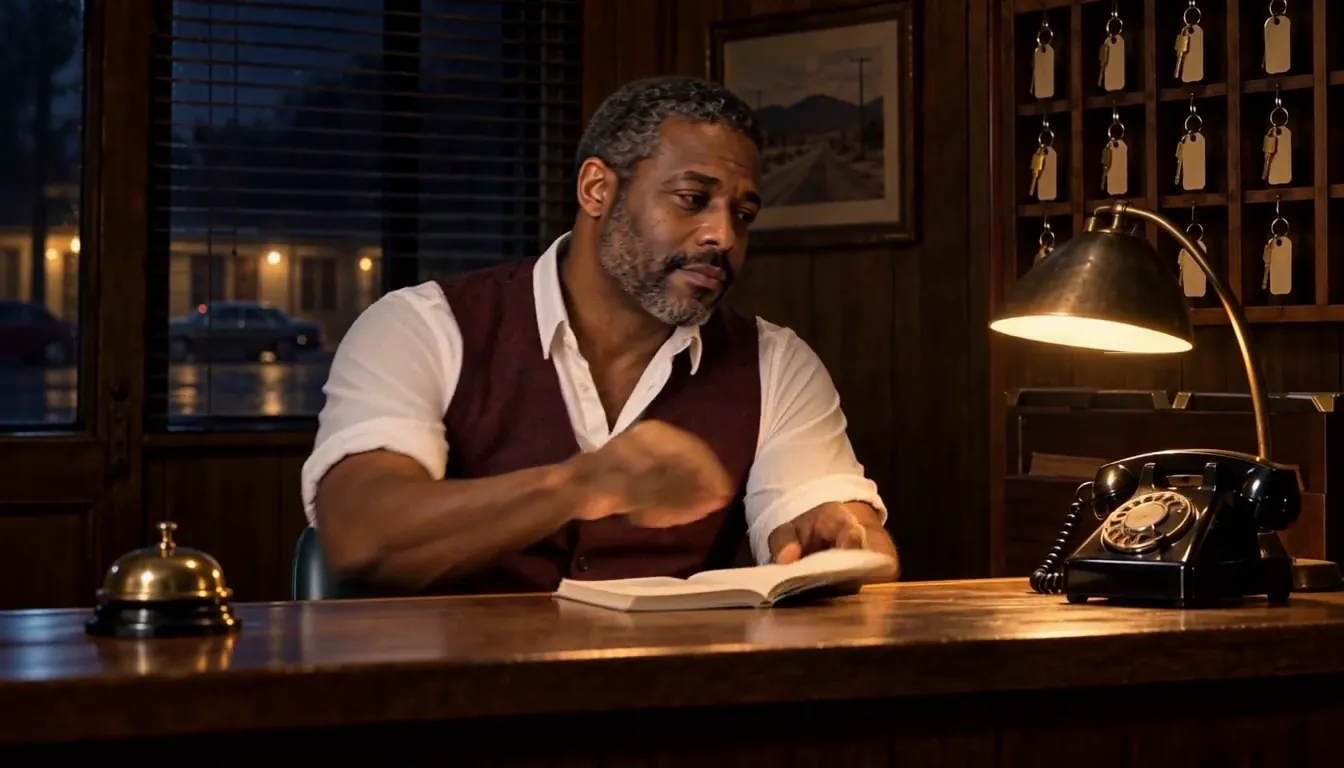
Harbor Courier (90s OVA anime) · Harbor Courier. Made with H3 Turbo, the Clip model in Character App · fictional sample series Steal the look from the World, not a font site
The strongest title cards wear the show’s own clothes: the penthouse’s gold light, the loft’s flat beige, the apartment’s dusk warmth. Pull one prop and the palette from your World — the show’s saved setting and style — so the card looks like a frame the show could have produced, not a logo pasted on top.
This is also the cheapest consistency trick there is: a card built from the World’s own colors and one signature object automatically matches every episode.
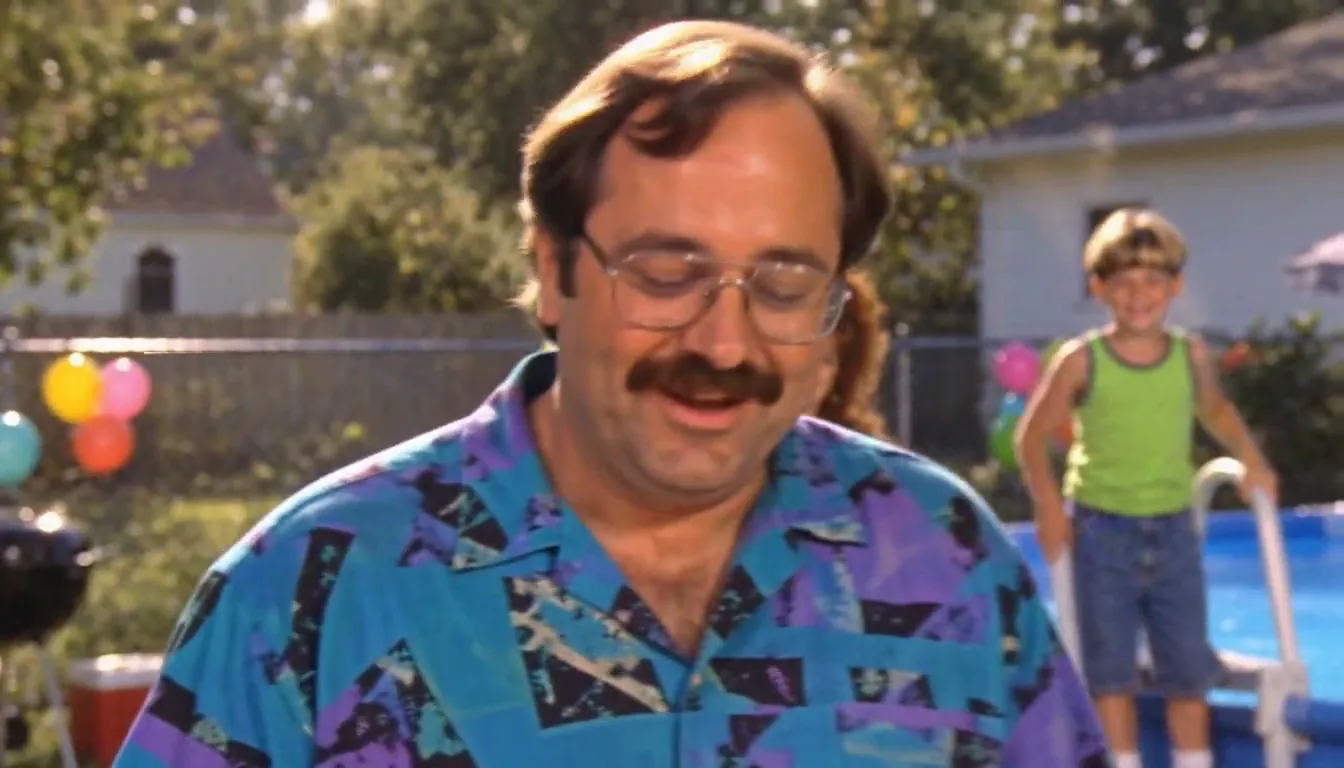
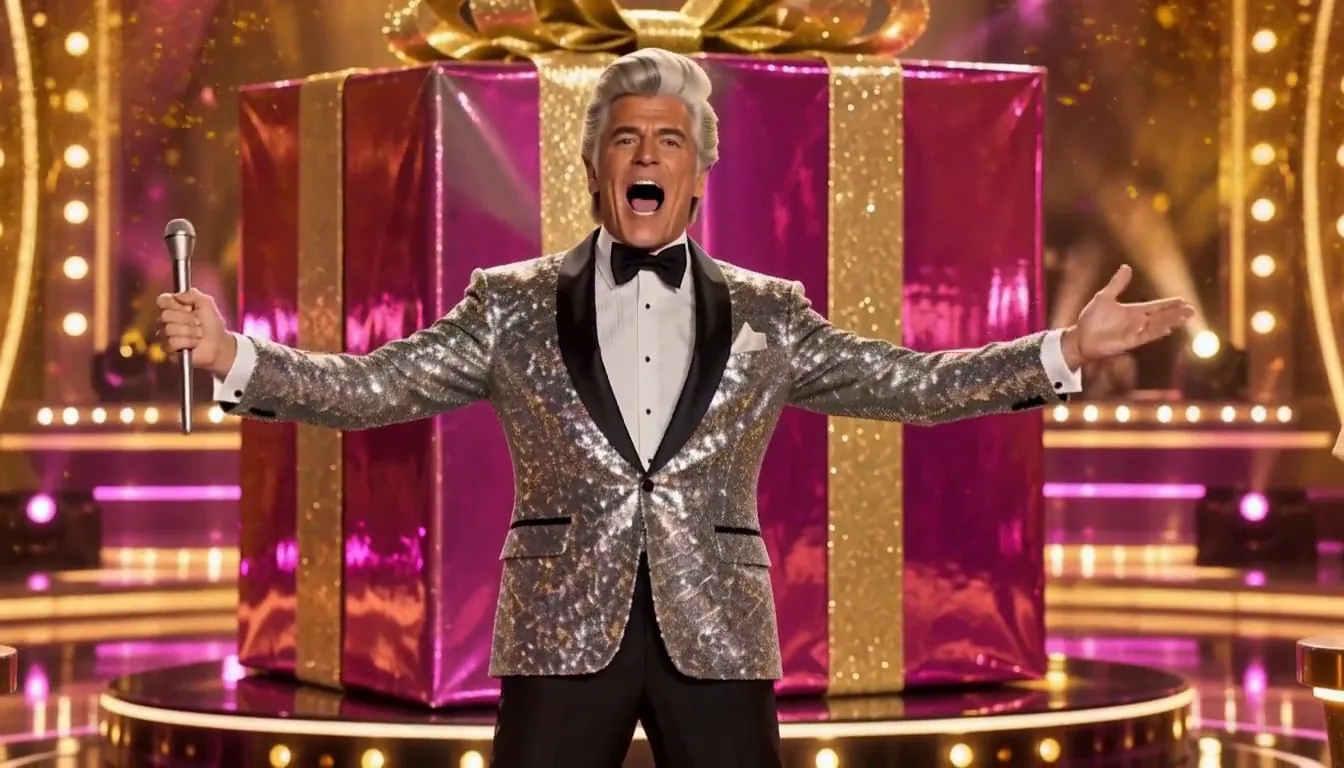
The Delgados (1996 camcorder sitcom) · The Delgados: the cake. Made with H3 Turbo, the Clip model in Character App · fictional sample series Write the card as a direction line
In the Studio, a title card is a directed beat like any other: “title card over the skyline — brass placard, serif type, three-second hold.” Describe what the frame contains and how long it sits; the Director — the text-to-scene surface — renders it the same way it renders a scene.
Keep the line identical across episodes. The card is the one place where repeating yourself verbatim is the whole point. Save it somewhere you can paste from — the card is a fixture, not a fresh prompt.
The line it came from: A violinist is booked to play her ex’s engagement party.
 E1The booking
 E2Too close
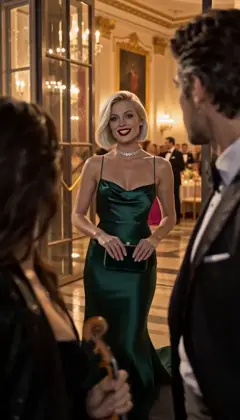 E3Your fiancée is getting cold
 E4Encore
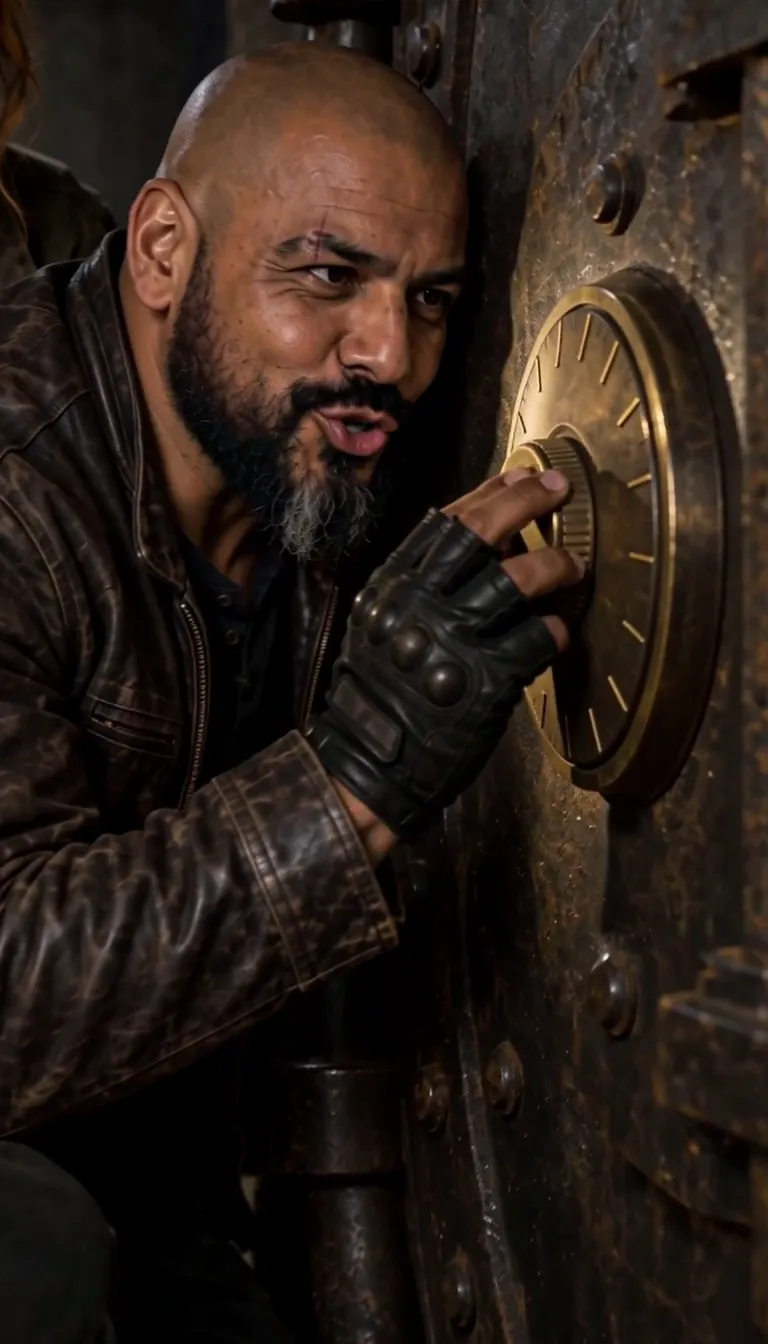
Midnight Sonata · one line to the AI Director: it casts the Characters and writes the Story as Scenes; plan each next Episode in one sentence. A fictional sample series made in Character App. Keep it identical — then earn one variation
Play the same card every episode until the audience can hum it. Variation is a reward for patience: a holiday version, a finale version in mourning colors — earned because the default never moved.
The rule of thumb: the card changes when the season changes, never because you got bored. If episode four’s card differs from episode one’s for no story reason, you’ve made ten intros for one show. Twelve identical cards make a brand; twelve different ones make a portfolio.
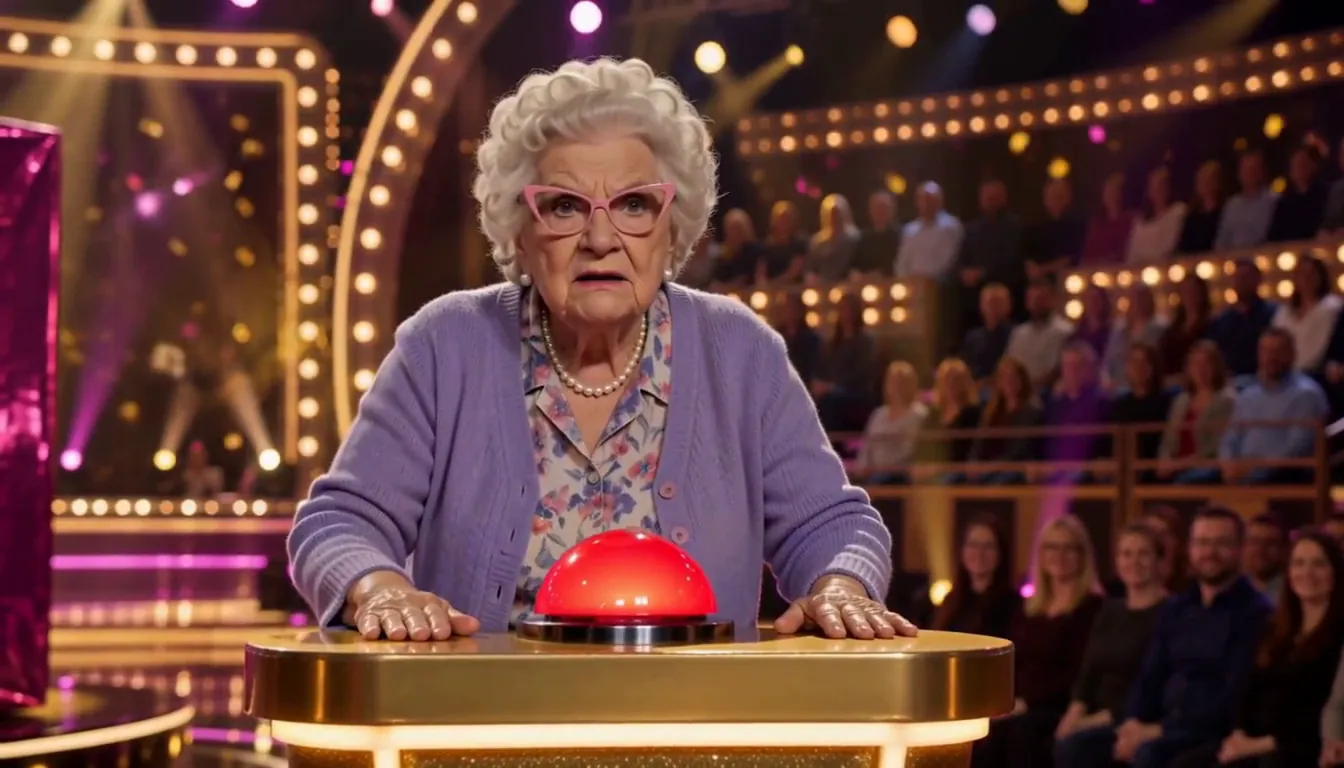
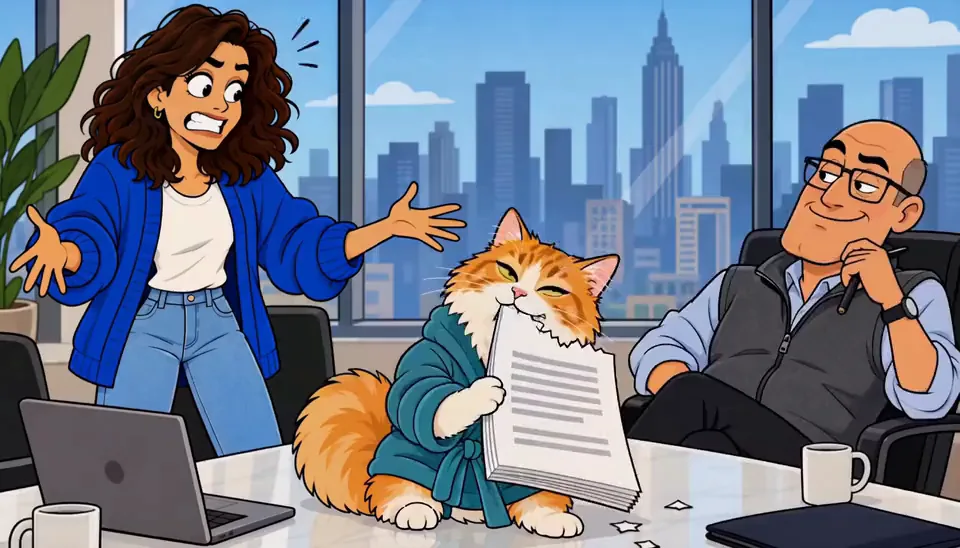
Mystery Box Mayhem · "It's a llama. It's always a llama.". Made with H3 Turbo, the Clip model in Character App · fictional sample series Place it against the cold open, not instead of it
Decide the order once: cold open first, then the card (the classic), or card first when the brand is the hook. Whatever you choose, the card and the cold open are one unit — the hook raises the question, the card names the show that will answer it.
Never let the card do the hook’s job. A gorgeous card followed by a slow scene is branding for a show nobody reached; the cold-open guide covers the three seconds before the card lands.



Common mistakes
Designing the card before the show has a tone. The card summarizes the show — if the show’s promise isn’t settled, the card is decorating a question mark.
A new card every episode. The signature is the repetition; changing it resets your brand to zero each week. Variation is earned, not defaulted.
Type nobody can read at phone size. Short-form lives on a 9:16 screen — if the name needs squinting, the card failed its two-second job.
Letting the card eat the hook. If the card is the most interesting frame in the episode, the cold open isn’t doing its job — fix the open, not the card.
Questions
How long should a title card hold?
Two to three seconds — long enough to read the name, short enough not to spend the episode’s attention budget. In a 60-second episode, three seconds is already generous.
Does a short episode even need a title card?
If you want it to feel like a show, yes — the card is the cheapest “this is a series” signal there is. A two-second stamp costs little and buys continuity.
Can the title card carry a joke?
A visual gag inside the card is a great running bit — a background detail that changes weekly. Keep the card itself fixed and let one small element play.
What if I want to rebrand mid-season?
Rebrand between seasons, not between episodes. A mid-run card change reads as a different show — unless the rebrand is itself the plot point.