Pull the promise out of your premise
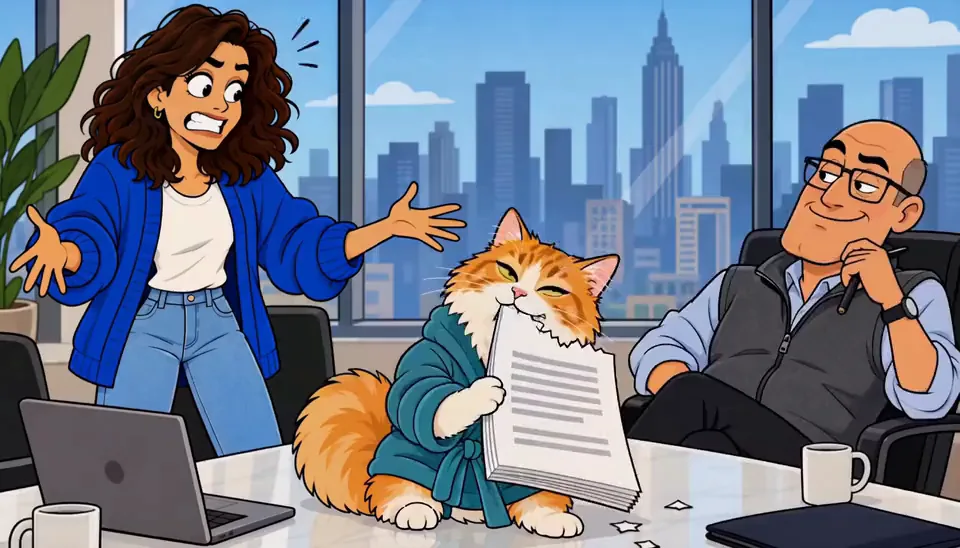
Titles don’t come from thesauruses — they come from the premise. Write your show in one line (“me and my cat, who runs the apartment”) and circle the part that makes it yours: the friction, the irony, the relationship. That circled piece is the naming material.
Ask what the show promises every single episode. A sitcom about a cat who runs the apartment promises the cat winning. Names like “His Chair,” “The Landlord,” or “Butter’s Building” all sell that promise — the plot can change weekly, the promise never does.

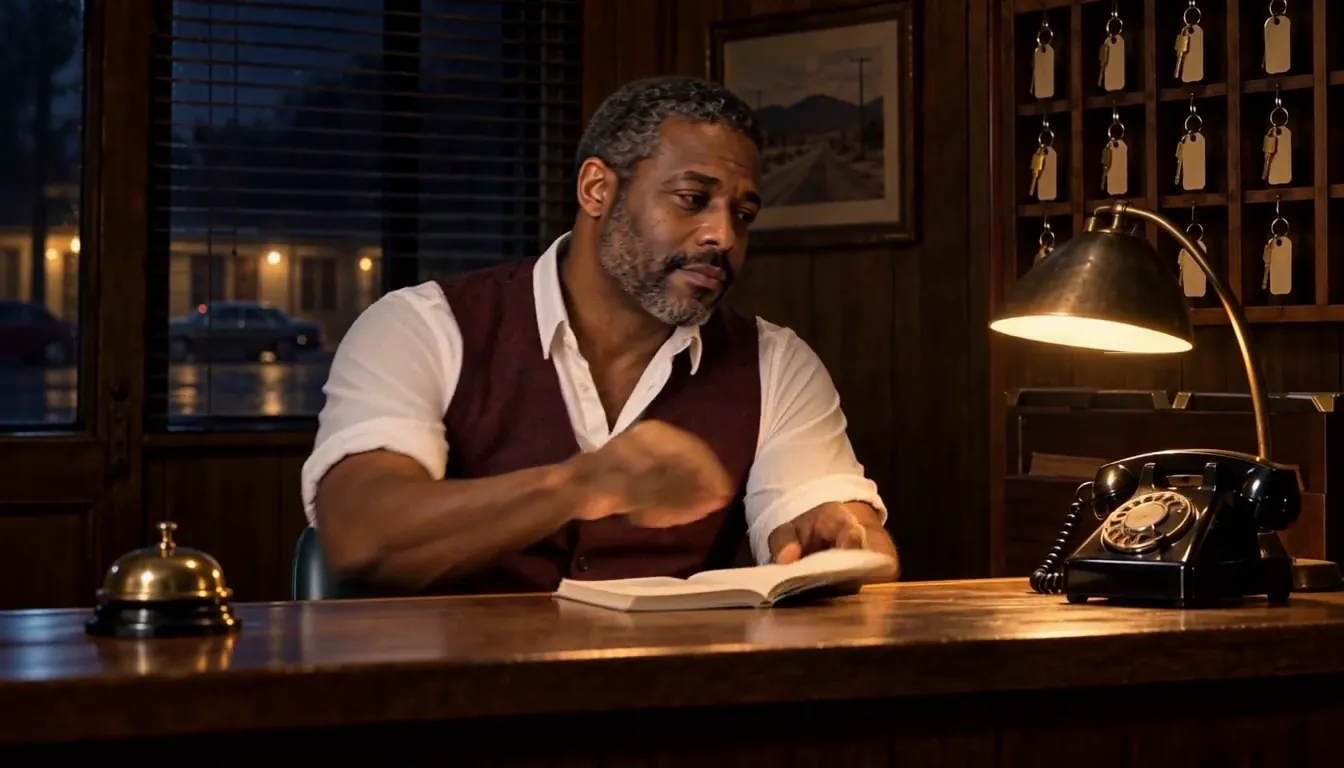
Harbor Courier (90s OVA anime) · Harbor Courier. Made with H3 Turbo, the Clip model in Character App · fictional sample series Run the premise through five naming patterns
Almost every show title is one of five moves. The place name (the bar, the office, the apartment). The character name (the lead’s name or nickname). The describe-it name — say what it is (“Situationship”). The ironic name — a straight face over chaos (“Rate Limited” for a startup that never ships). And the phrase-name — something the characters actually say.
Force one candidate per pattern before judging any of them. Five weak options beat one perfect-sounding blank, because patterns surface names you’d never brainstorm cold.
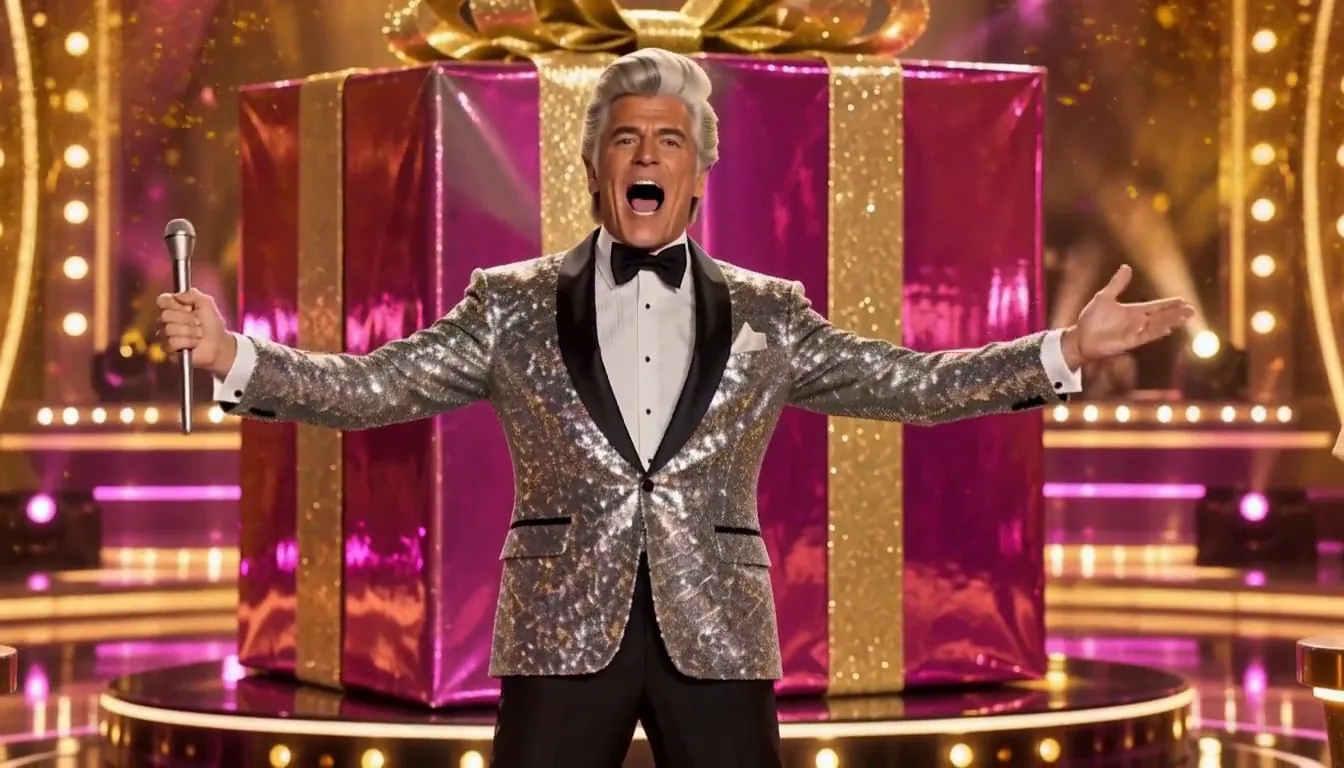
Mystery Box Mayhem · "Welcome back to Mystery Box Mayhem!". Made with H3 Turbo, the Clip model in Character App · fictional sample series Put each candidate through the search test
A title earns its keep in two places: the search bar and the thumbnail. Type each candidate into a search box — if the results are a wall of unrelated famous things, the name will never be findable, however good it sounds in your head.
Then shrink it. Read the name at thumbnail size next to ten other posters and ask whether a stranger could guess the genre and the attitude. “The Magpie’s Price” tells you noir before the art does; “Stuff Happens” tells them nothing.
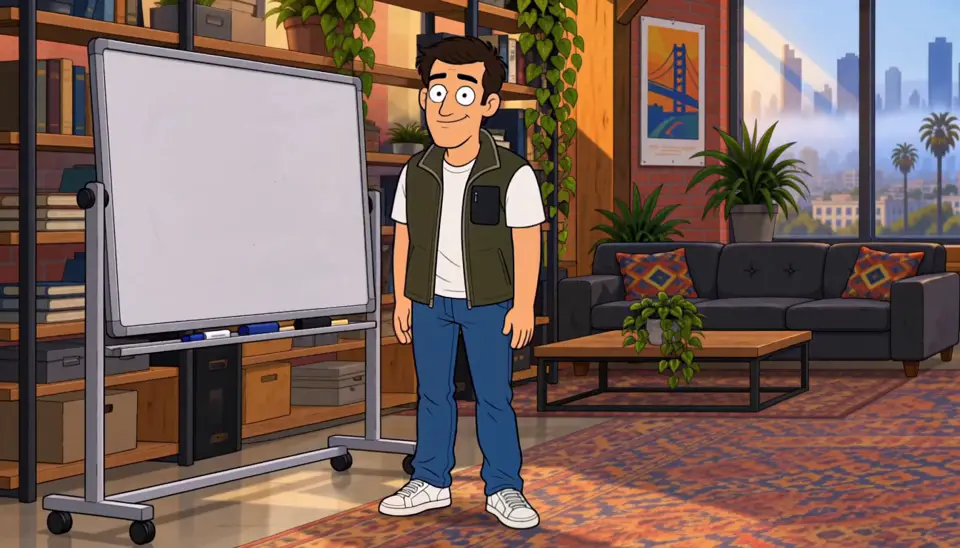
Rate Limited · Is it the feature? Made with H3 Turbo · founder-owned fictional cast Kill the unsearchable and the generic
Two candidates die in this step. The unsearchable one — a single common word already owned by something enormous. And the generic one — a title that could sit on any show in the genre (“The Chosen One,” “Office Life”). If it fits every show, it sells none.
The fix is specificity, not cleverness. Attach the name to your thing: the street, the pet, the scam, the rule. “The Toll at Emberfall” could only be one show — that’s the bar.
Lock it into the World and move on
A name isn’t finished when you love it — it’s finished when the show wears it. Put it on the World, say it in the pilot’s first scene, and let the poster carry it. Commitment is what makes a title feel inevitable; a name you keep changing never accretes meaning.
And don’t treat it as permanent — pilots get renamed all the time. Lock it for episode one, make the episode, and let the show teach you whether the name was right. That’s a cheaper test than another week of brainstorming.
The line it came from: A violinist is booked to play her ex’s engagement party.
 E1The booking
 E2Too close
 E3Your fiancée is getting cold
 E4Encore
Midnight Sonata · one line to the AI Director: it casts the Characters and writes the Story as Scenes; plan each next Episode in one sentence. A fictional sample series made in Character App.



Common mistakes
Naming the plot instead of the promise. Plots change every episode; the name has to survive all of them. Attach it to the thing that never changes — the place, the relationship, the rule.
Falling in love before the search test. A perfect-sounding title owned by a famous show is worthless — check the search bar before the feelings arrive.
Choosing a name only you understand. An inside joke nobody gets is a wall, not a door. If the title needs the show explained first, it isn’t doing its job.
Brainstorming in a vacuum. Ten minutes against the five patterns beats a weekend of waiting for inspiration — constraints produce names, blank pages don’t.
Questions
How long should a show title be?
Two to four words is the sweet spot — long enough to be specific, short enough to fit a thumbnail and a conversation. If it needs a subtitle to explain itself, the main title isn’t working.
Should I use a name generator?
Generators are fine for breaking a blank page, but they can’t know your premise’s promise. Use one for raw material, then run the winners through the five patterns and the search test.
Can I rename the show after the pilot?
Yes — early is exactly when to rename, before the audience learns the old one. Once a season has a poster and a following, the name is load-bearing.
What if every good name is taken?
Taken is a search-test result, not a dead end — attach your specific thing (the street, the scam, the pet) and the collision usually disappears. “The Office” was taken; the good version of your title isn’t.
Does the title affect how the Studio builds the World?
The premise does the heavy lifting — the name is mostly for you and your audience. A strong name still helps: it keeps every episode aimed at the same promise.