character.appby charactrMake my show

How to make your own graphic novel series

Updated September 13, 2026 · 6 min read

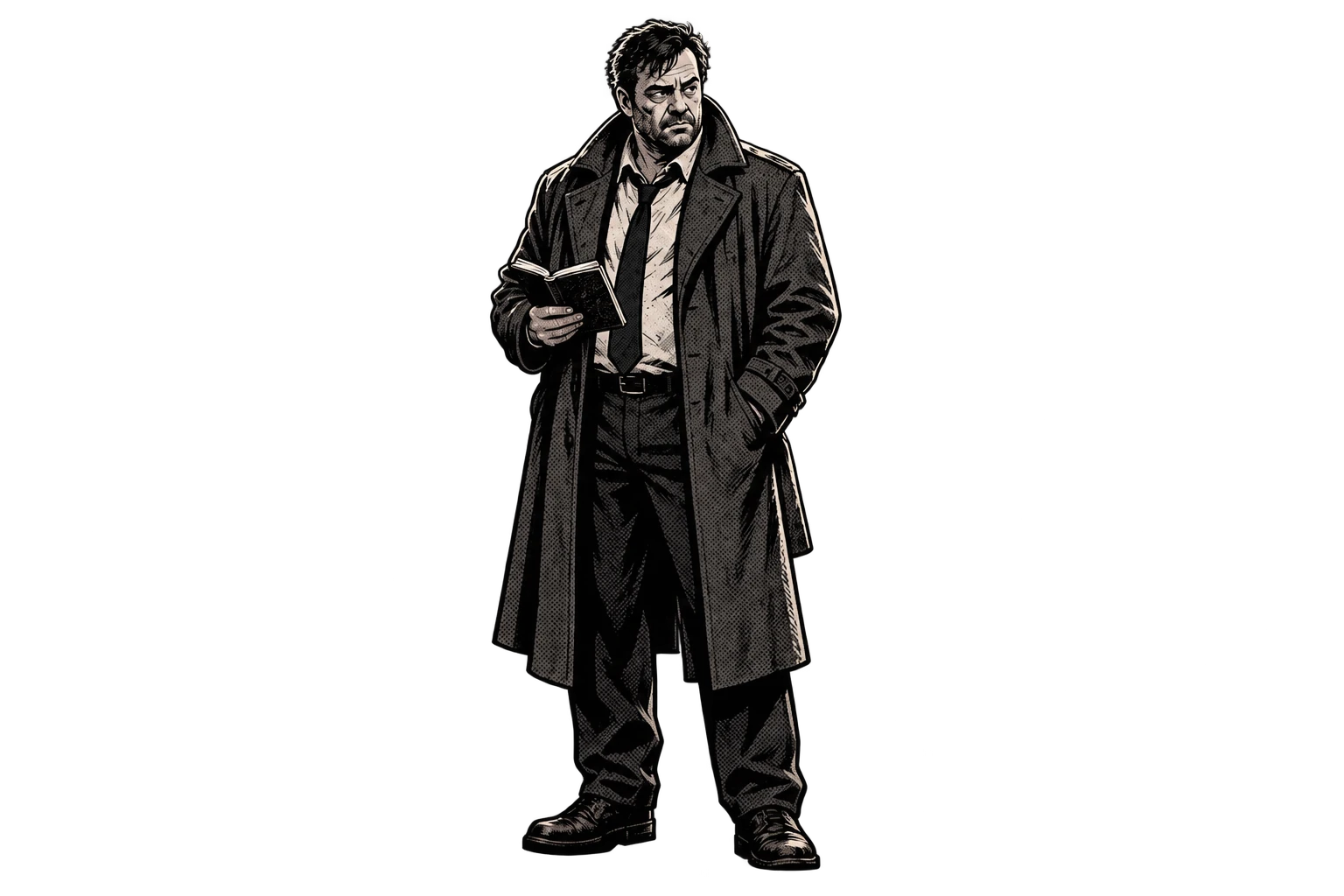
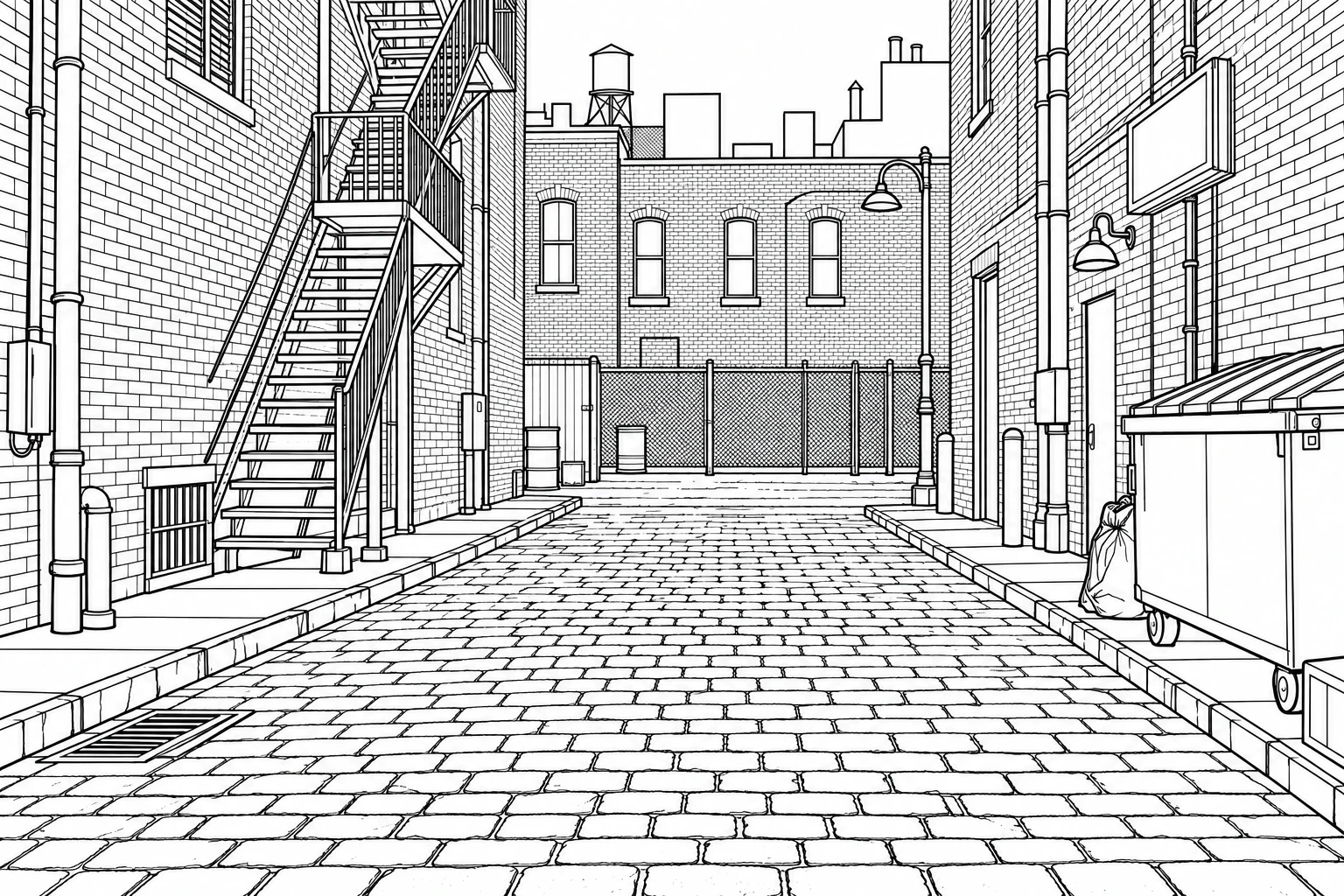
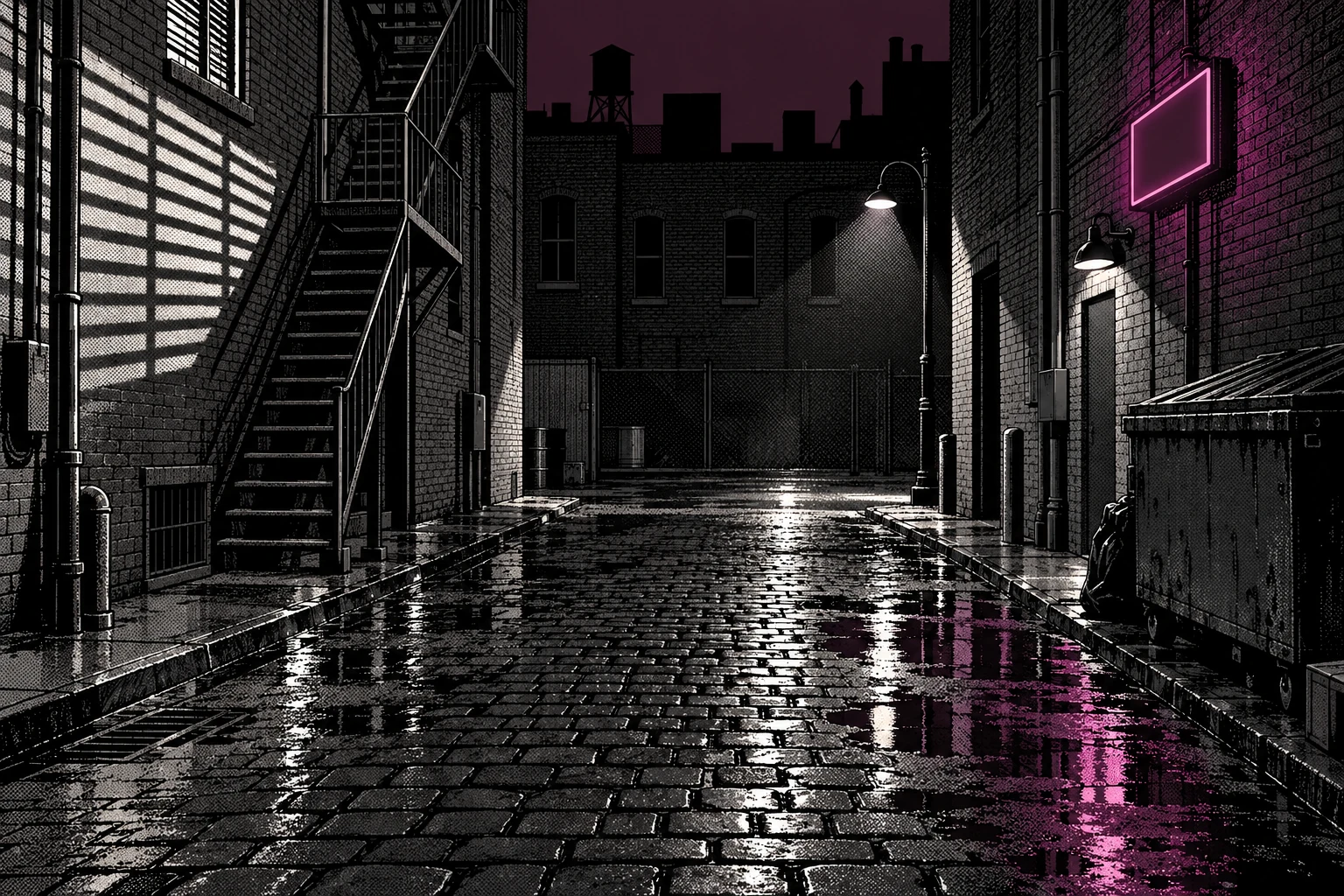
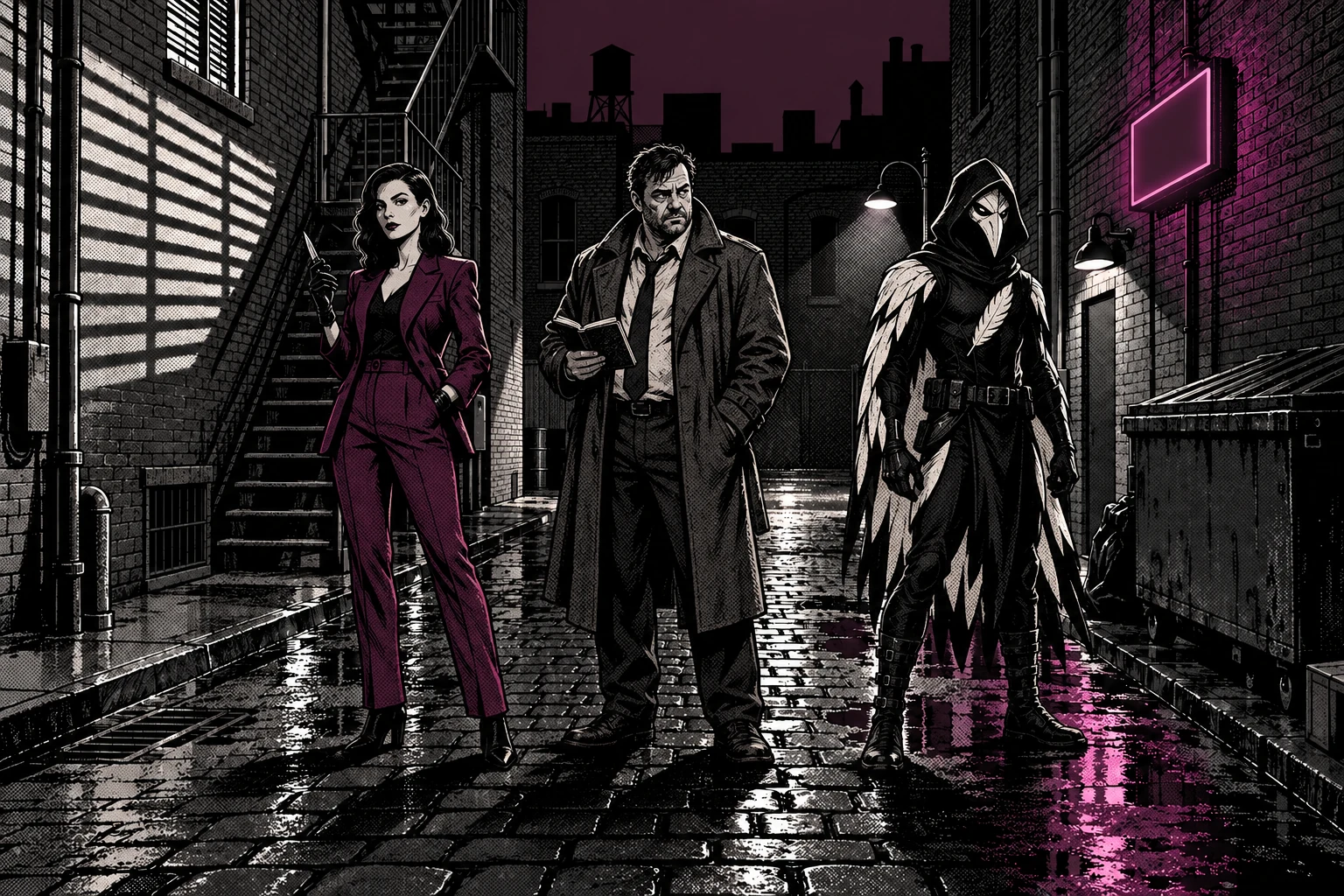
A graphic novel series is a hero, an ink style, and an issue structure — an ongoing comic where the same detective walks into a new case every issue and the same shadows follow. No drawing required: you write the premise and the issues, the Studio inks the World and keeps the Cast on-model. This guide builds one using a noir series — Frank the detective, Ivy, and the Magpie — as the worked example.

Time to first issue
~15 min
Difficulty
Beginner
You need
A hero + a case
Studio surface
World + Director
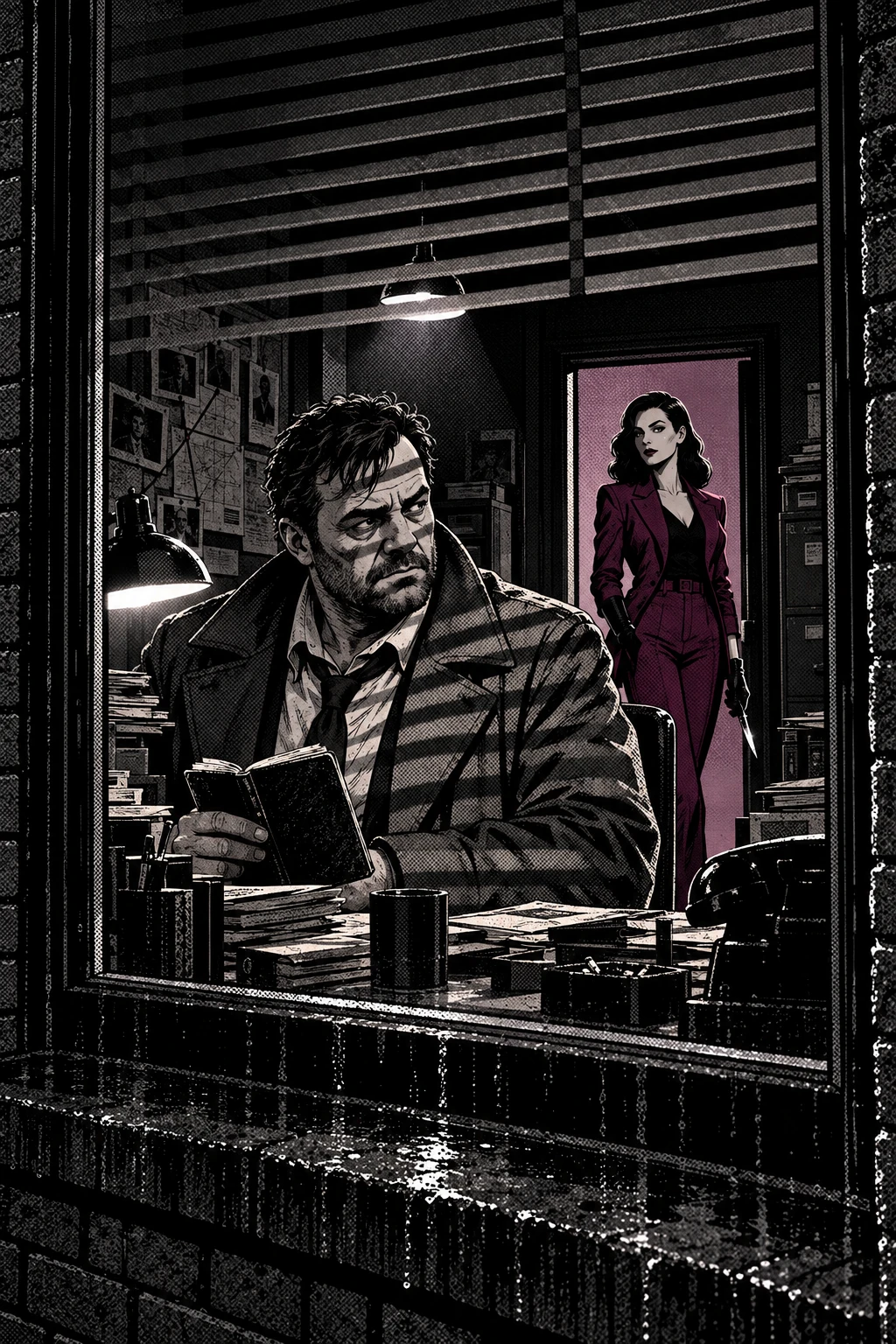
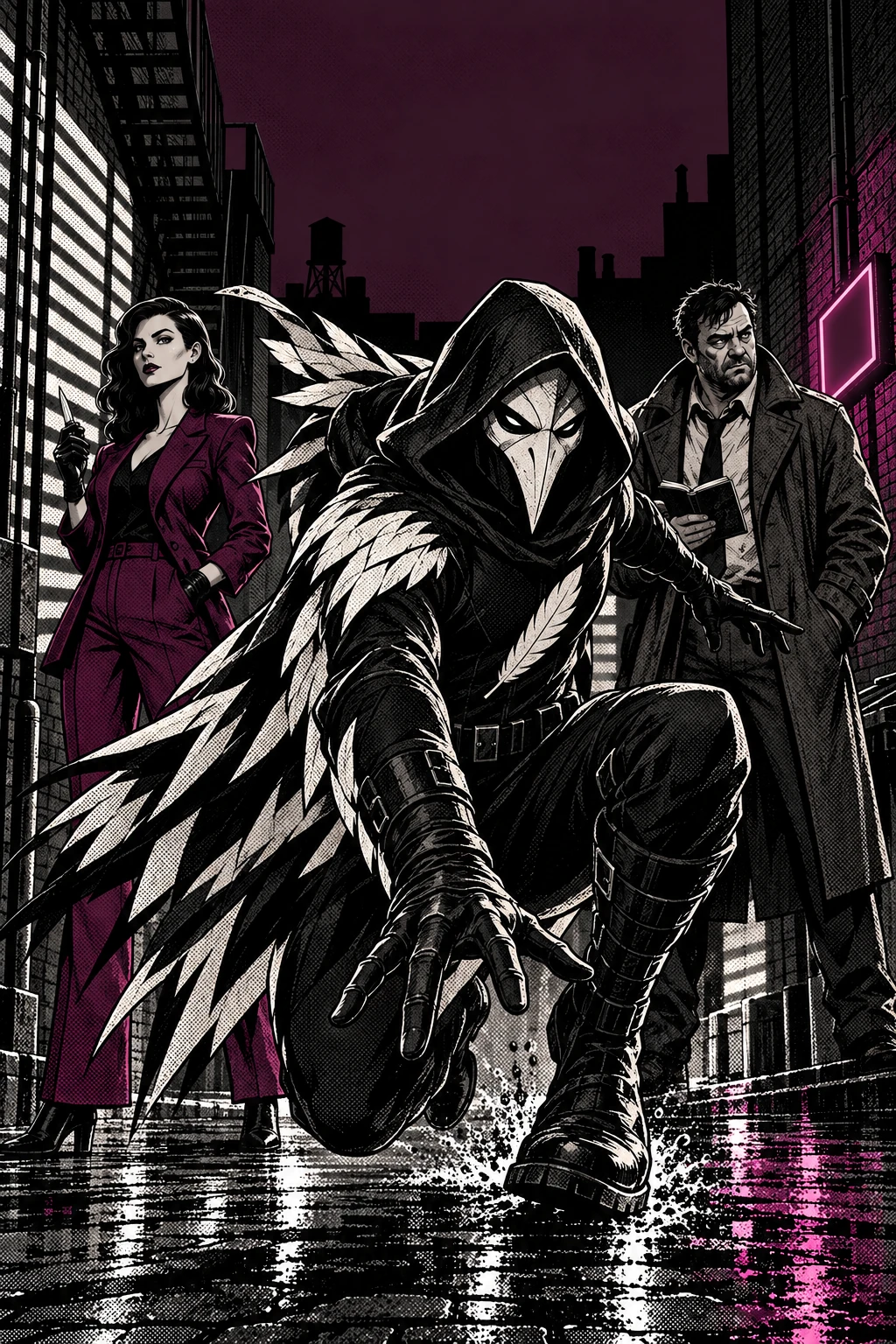
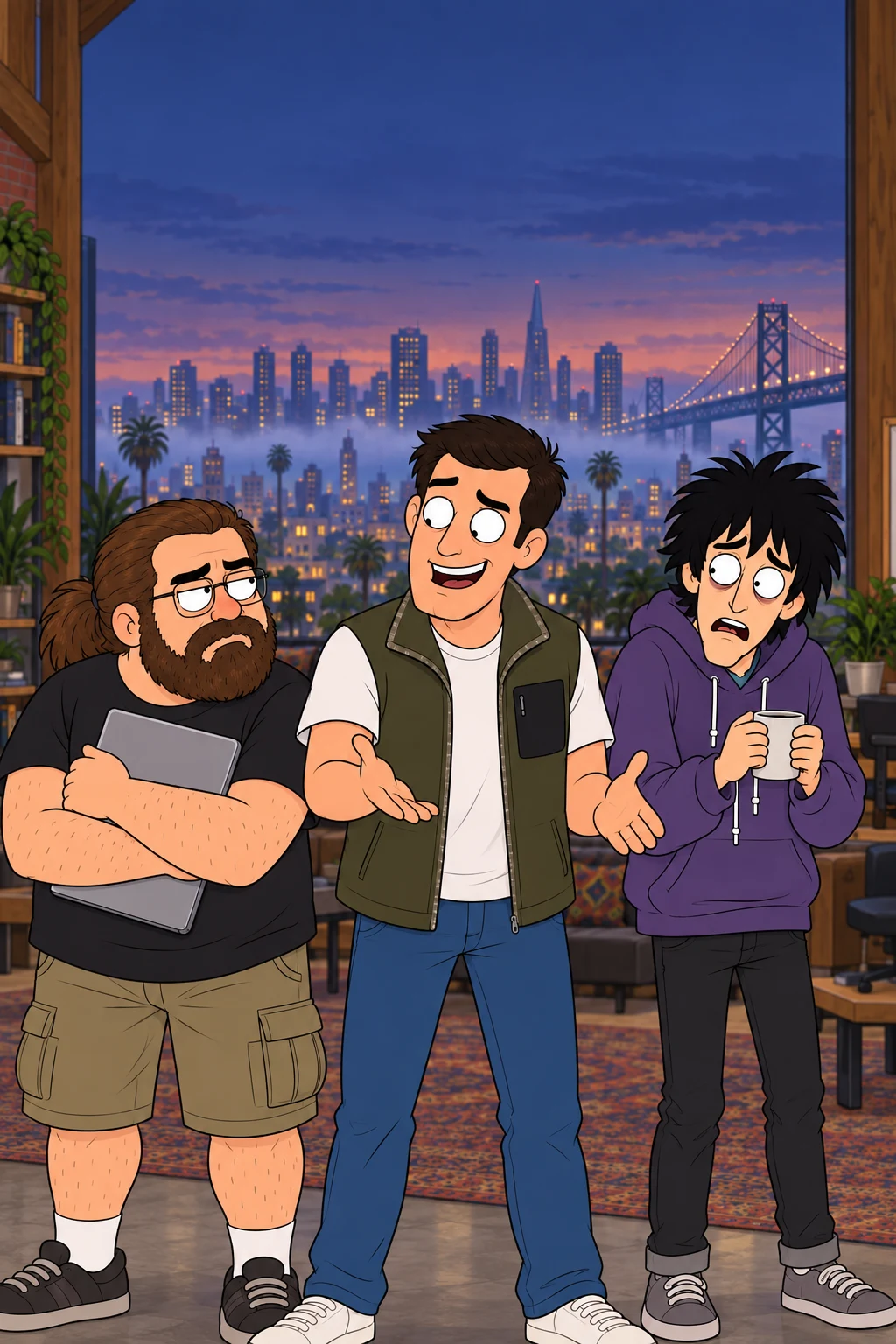
The alley populated — the detective, the informant, and the Magpie staged together in ink and halftone.
Ink, halftone, one hero, one city — a graphic novel series.

Made this way

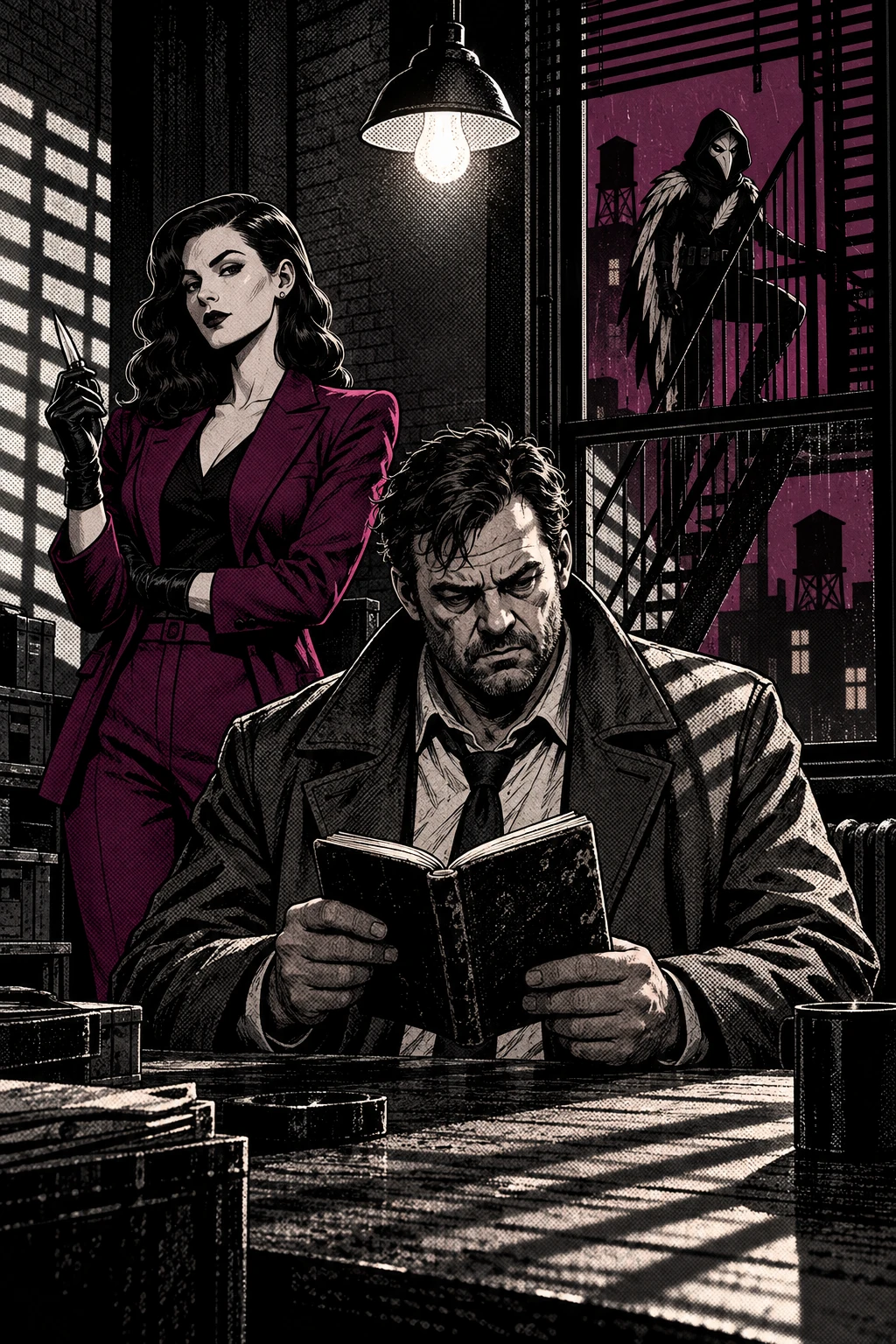
  • Issue still — A Name in the Margins: Frank under a bare bulb, the Magpie’s silhouette on the fire escape.
    “A Name in the Margins” — the turn arrives by silhouette.
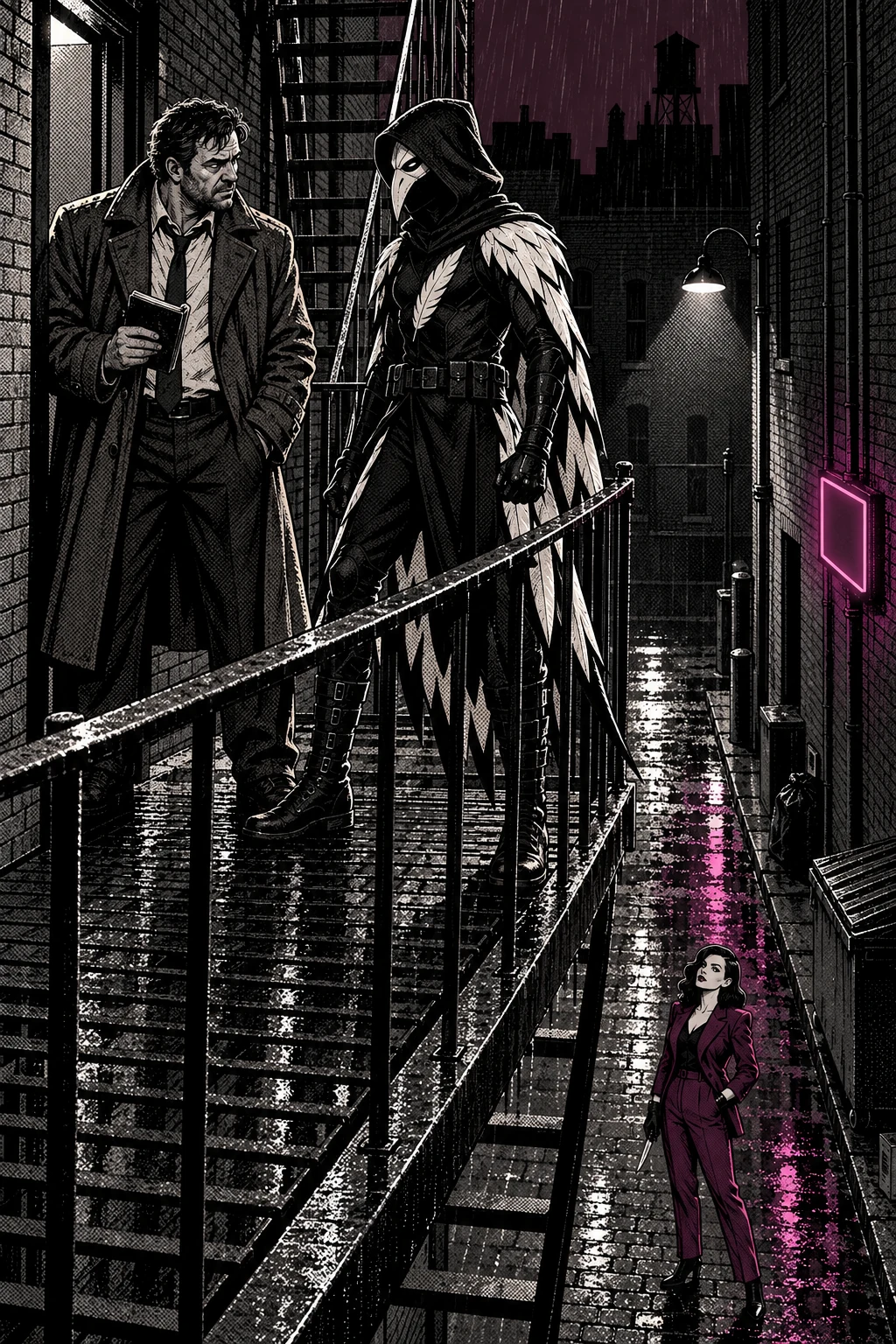
  • Issue still — The Magpie’s Price: the informant and the detective facing off on the fire escape at night.
    “The Magpie’s Price” — an old debt collected on the fire escape.
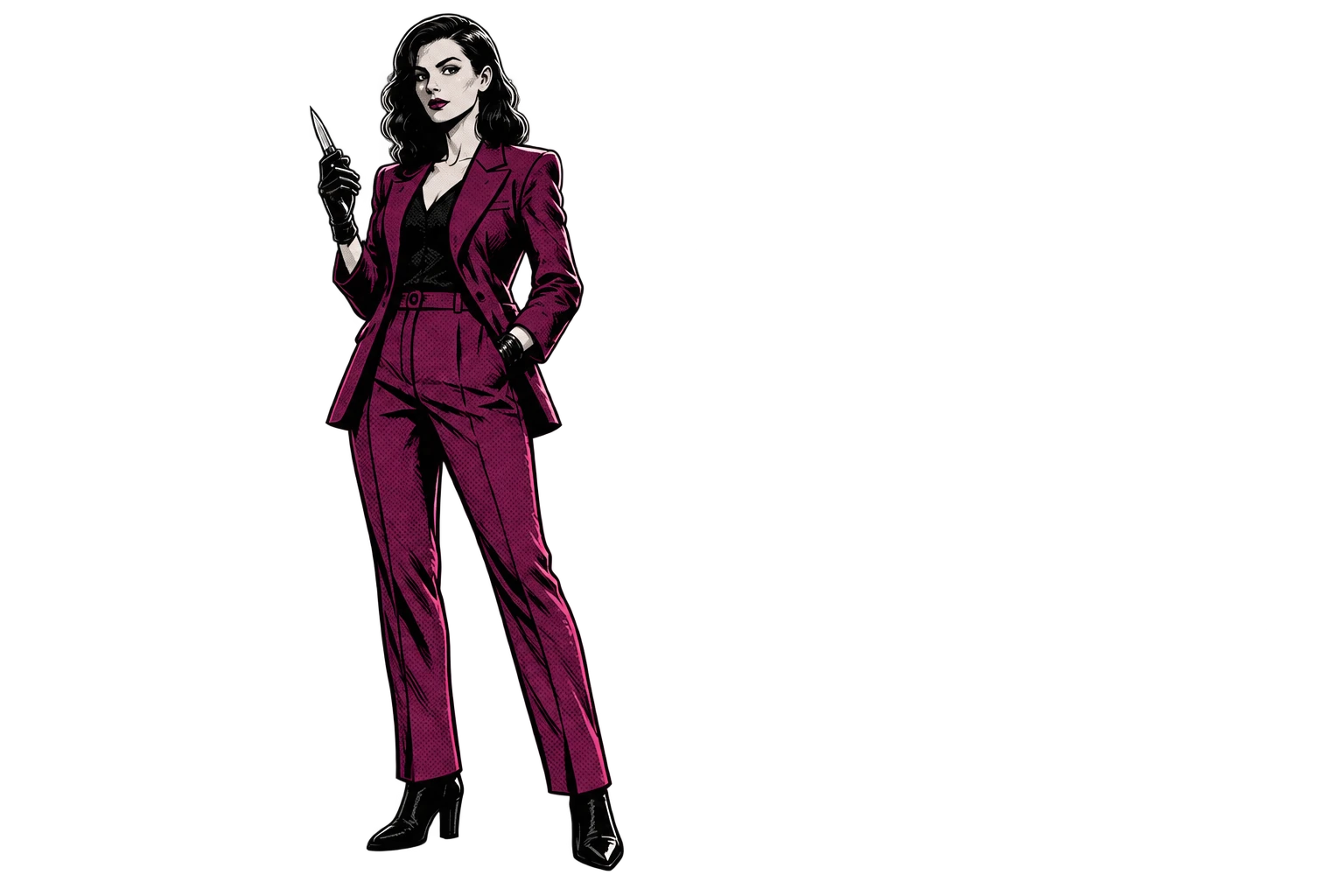
  • Character cutout of Ivy — the unreadable ally whose face stays on-model across every issue.
    Ivy — the ally whose loyalty is a plot thread.
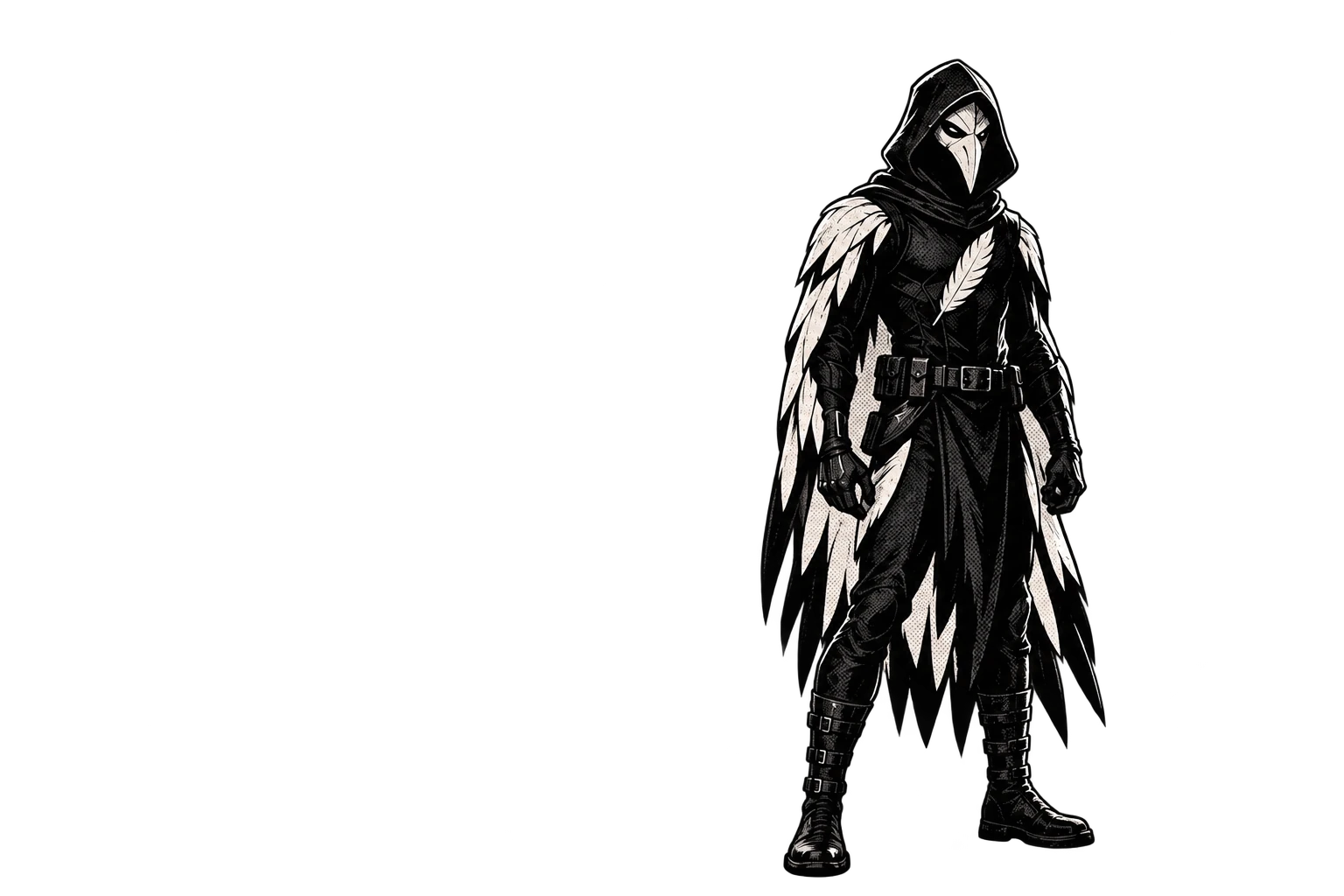
  • Character cutout of the Magpie — the informant villain, instantly readable in silhouette.
    The Magpie — a villain readable by silhouette alone.

Generated in Character App · example stills, not a live product demo

Common mistakes

  1. Designing ten characters, casting none. An ongoing comic needs a small company — hero, ally, antagonist — held on-model. Ten designs nobody reuses is a sketchbook, not a series.

  2. A look that changes per issue. If the ink drifts, it isn’t a graphic novel — set the style on the World and let it be the same book every issue.

  3. Issues that end flat. The last panel is the sales pitch for the next issue — withhold something. A resolved ending is a cancelled series.

  4. A case with no connection to the wound. Cases that don’t touch the hero’s wound or rule are interchangeable — the engine only turns when the case costs the hero something personal.

Questions

Do I need to know how to draw?

No — you write the premise, the characters, and the issues; the Studio draws the World and the Cast in the ink style you set. Art direction, not drawing, is the job.

Can I star in it myself?

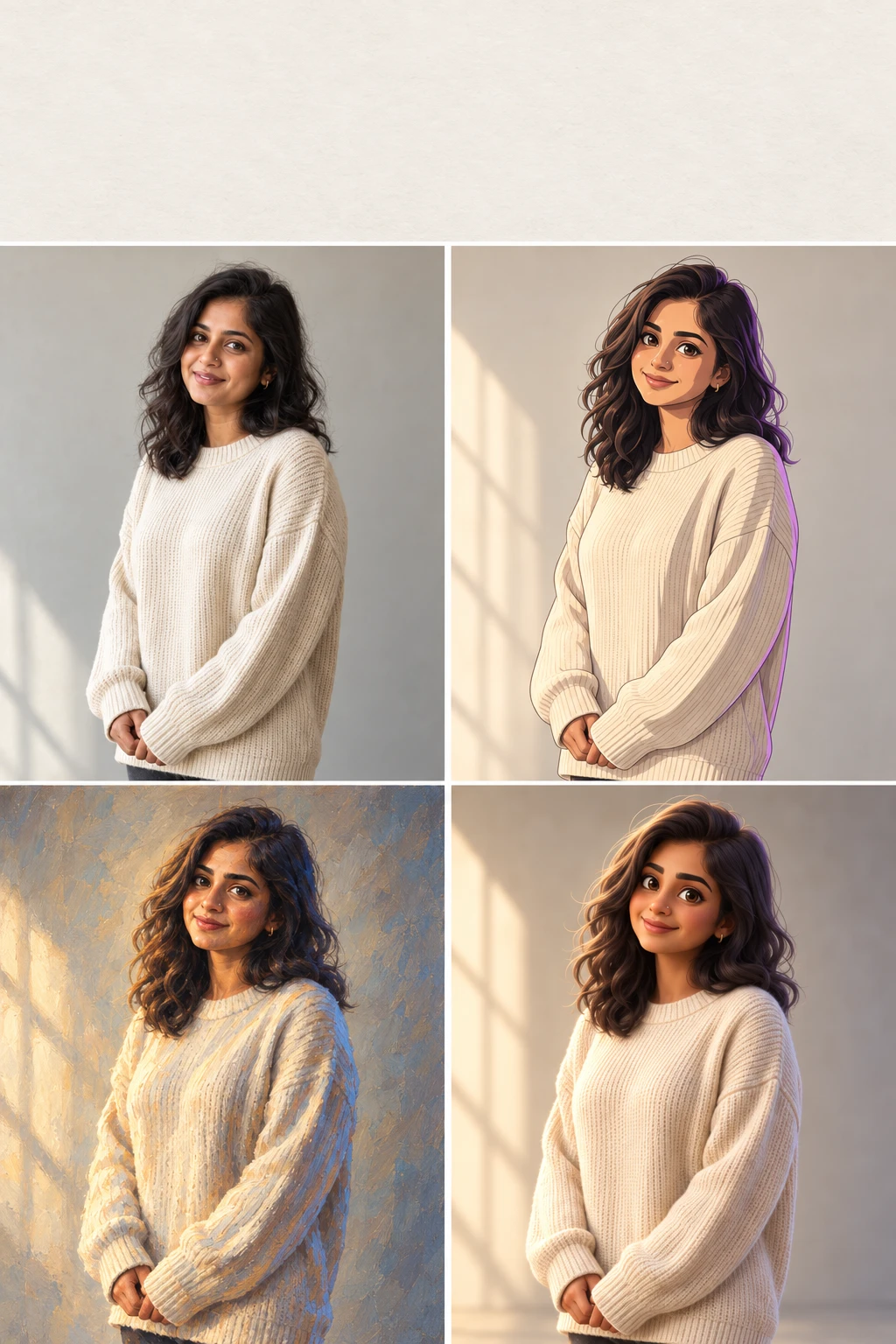
Yes — a photo becomes an inked character that keeps your likeness in every panel. The photo-to-character guide covers the path; consent applies to faces that aren’t yours.

How is this different from the cartoon show?

Cartoon is flat and elastic, built for jokes; graphic novel is inked and atmospheric, built for mood. Different contract with the reader — same cast-persistence machinery underneath.

How long is an issue?

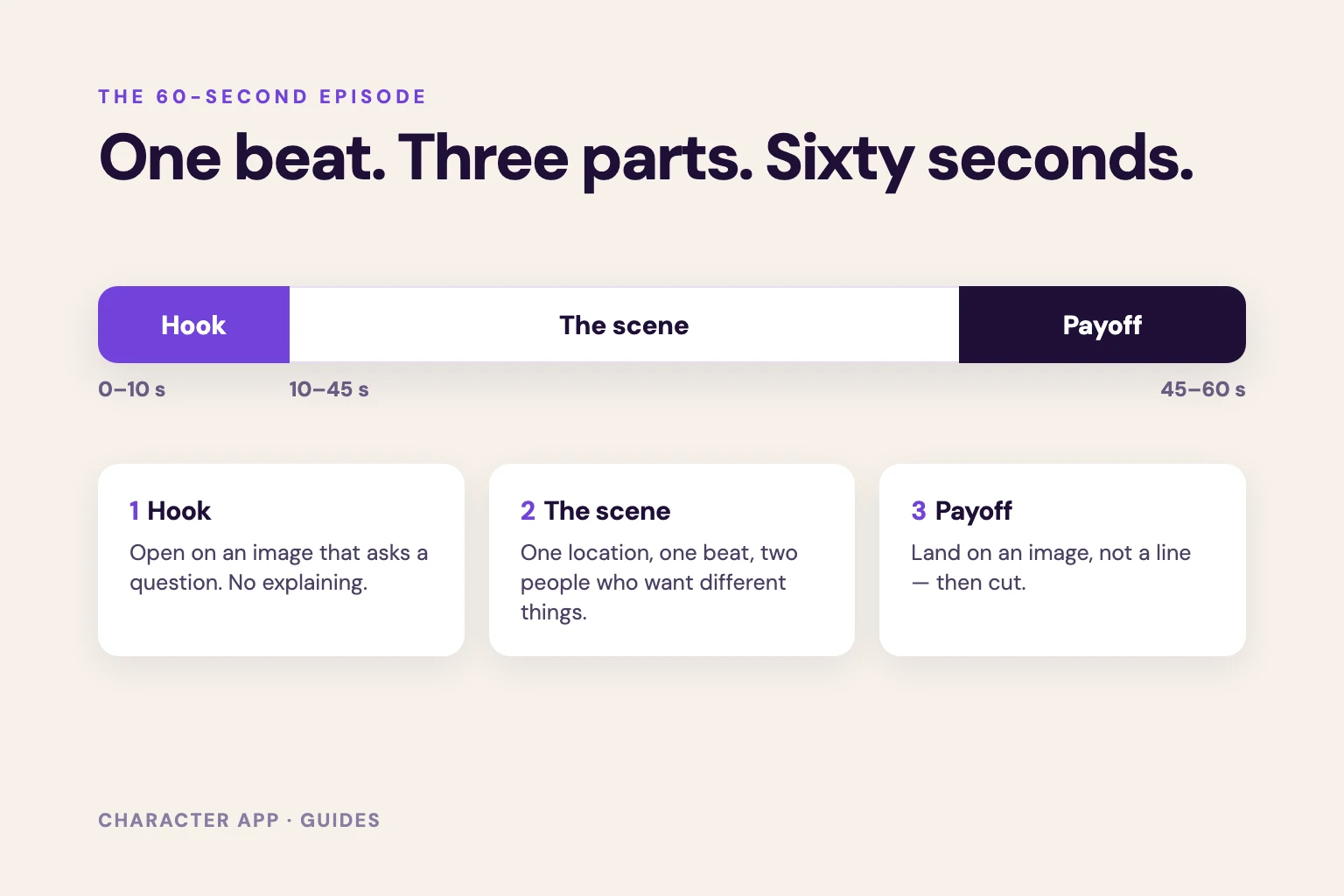
An episode’s worth of Scenes — a case, a turn, a last panel. The 60-second structure guide covers the per-issue pacing in detail.

Can the same World host a second series?

It can — the city you built can host a spin-off with a different hero. Shared Worlds are how comic universes work.

Your nextScene startswith you.

Make something you’ve always wanted to be in.

TRY THIS

Explore plans & Credits