

Write the logline — one sentence, one turn
The outline starts with a sentence: “[character] wants [thing] when [turn].” An episode with exactly one setup, one twist, one payoff is a complete episode — most first drafts fail because they try to carry two turns.
If the logline has an “and then,” split it. One episode is one turn; a season is a string of single turns, not a knot of them. Write the sentence before anything else — it’s the test every later scene has to pass.
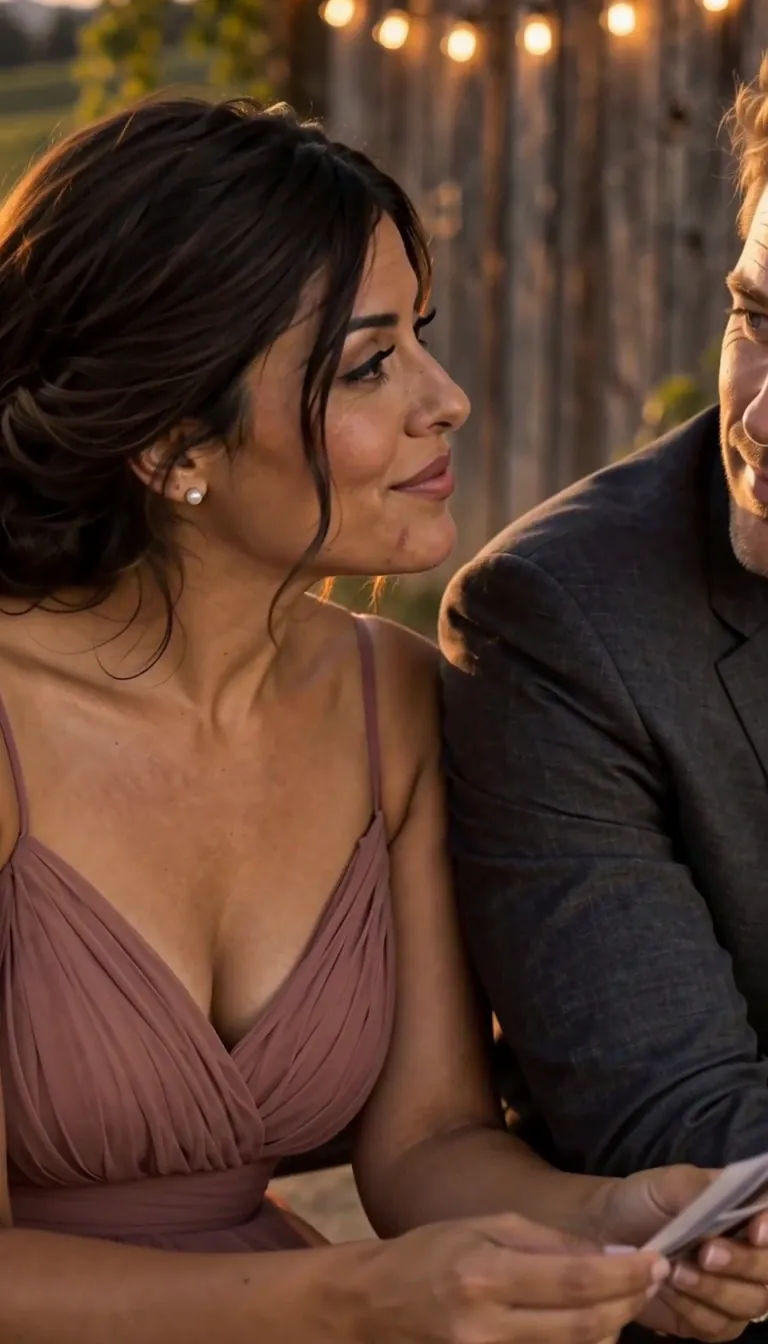
The line it came from: A violinist is booked to play her ex’s engagement party.
 E1The booking
 E2Too close
 E3Your fiancée is getting cold
 E4Encore
Midnight Sonata · one line to the AI Director: it casts the Characters and writes the Story as Scenes; plan each next Episode in one sentence. A fictional sample series made in Character App. Mark the three beats: setup, turn, payoff
Every episode is three moves. The setup puts the want on screen. The turn changes what the scene is about — the twist, the reversal, the arrival. The payoff lands it: an image, a decision, a line that resolves this episode’s question while the season’s stays open.
Write one line per beat before you write any scenes. If a beat takes two lines, it’s two beats — and the episode is telling you it wants to be two episodes, which is a season’s worth of good news.
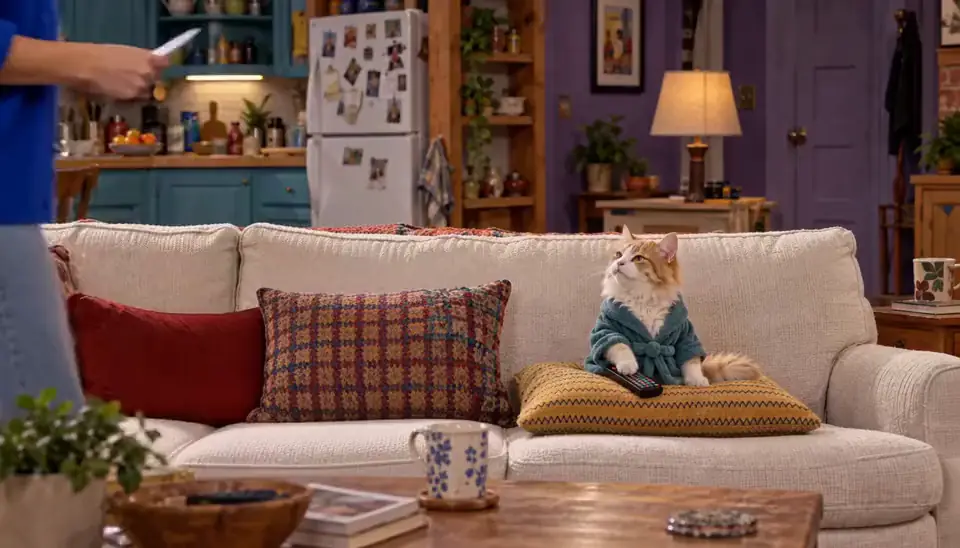
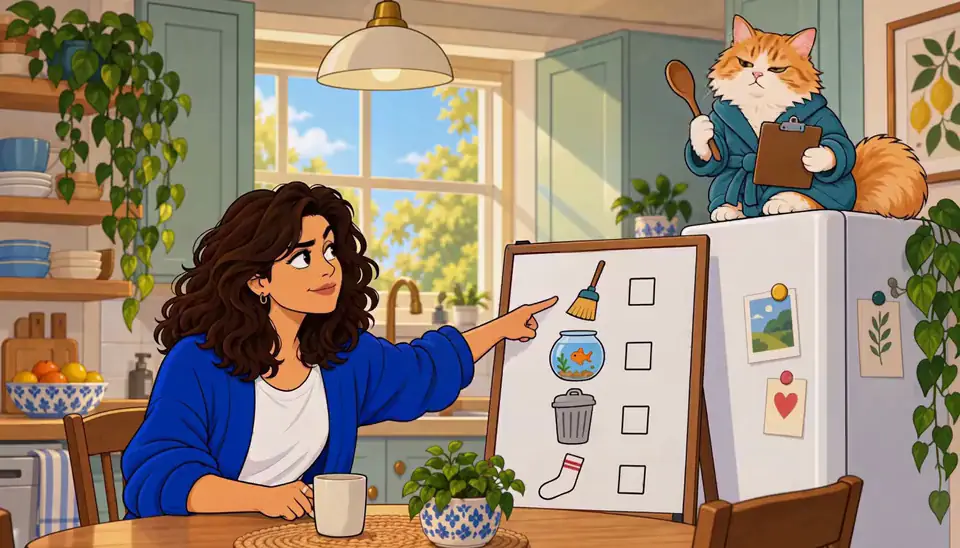
Roommates & Rent · Episode 1: Rent Is a Suggestion. Made with H3 Turbo, the Clip model in Character App · fictional sample series Assign each beat its scenes
Now distribute: the setup usually gets one scene, the turn one, the payoff one or two — three to five scenes is a complete episode. Write a line per scene: who’s in it, where, and what changes by the end. If a scene changes nothing, it’s a transition, not a scene — cut it.
This is where the Scene Planner earns its name: each line becomes a Scene slot, and the outline turns into the episode’s shot order without retyping.

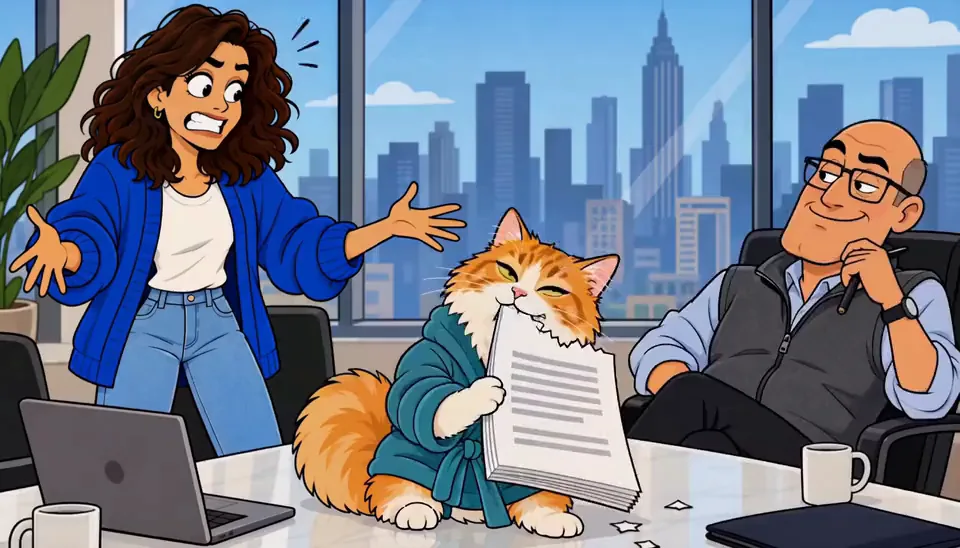
Roommates & Rent · A sovereign nation. Made with H3 Turbo, the Clip model in Character App · fictional sample series Place the turn where it hurts most
The turn’s position is a decision, not an accident. Early turns give the episode room to breathe after the shock; late turns make the episode a fuse. “One More Reset” puts its turn at the flip chart — late enough that the plea has already happened.
A rule of thumb: if the payoff needs fallout, the turn goes earlier — the episode needs room to react. If the payoff IS the fallout, the turn goes last and the credits land on the shock.

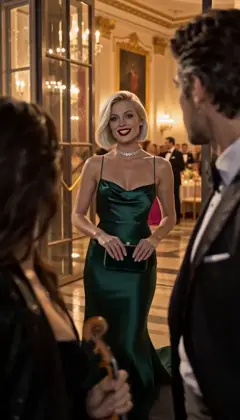
Date Night (Kind of) · Opinions about the salmon. Made with H3 Turbo, the Clip model in Character App · fictional sample series Cut everything that isn’t the one beat
Read the outline once, hunting for anything that doesn’t serve the turn: a subplot, a second joke, a scene that’s only interesting because it’s clever. Sixty seconds is a small bag — the episode guide on timing shows how little fits.
What survives gets made. Hand the beat sheet to the Director in scene order and let the outline — not improvisation — decide what gets a take. A five-line plan you actually trust beats ten takes you don’t — every time.



Common mistakes
Outlining after generating. Scenes made first ask to be kept — the outline exists so the episode is designed before takes are spent. Plan first, then shoot.
Two turns in one episode. The second twist doesn’t deepen the first — it orphans it. One setup, one twist, one payoff; save the other turn for the next episode.
Scene lines that describe, not change. “They talk at the table” is a location, not a scene. Every line needs its “what changes by the end” — that’s the whole test.
A payoff that isn’t an image. The last beat lands as a picture — the held frame, the decision made visible. A payoff written as dialogue explained is a landing that never touched down.
Questions
Is a beat sheet the same as a script?
No — a beat sheet is five lines of structure; the script is what the Director stages. Outline first, then let each Scene’s direction line do the detail.
How many scenes does a 60-second episode need?
Three to five — one per beat is the common shape. The 60-second guide budgets the seconds; this guide budgets the turns.
Can the Studio outline for me?
The Story flow drafts an outline from your premise — the method here is how to read and fix what it drafts, which matters more than who typed it.
What if my idea needs more than one turn?
Then it’s two episodes, which is good news — a season is a string of single turns. The cliffhanger guide covers how to hand off between them.
Do I outline every episode the same way?
The skeleton stays; the emphases move. Bottle episodes put more weight on the payoff; plot-heavy ones on the turn. Same five lines either way.