Pick something small enough to survive repetition
A running gag has to be repeatable, which means small: a prop that keeps appearing (the garden gnome), a phrase that keeps failing (“this one’s different”), a habit that keeps timing out (the spreadsheet that keeps being consulted mid-date). Plot points can’t run — they resolve. Pick something that can appear in any scene without becoming the scene.
In Situationship it’s the spreadsheet — Maya’s system for a love life that refuses to be systematized. If you can’t picture the thing in the background of three different scenes, it’s too big to run.
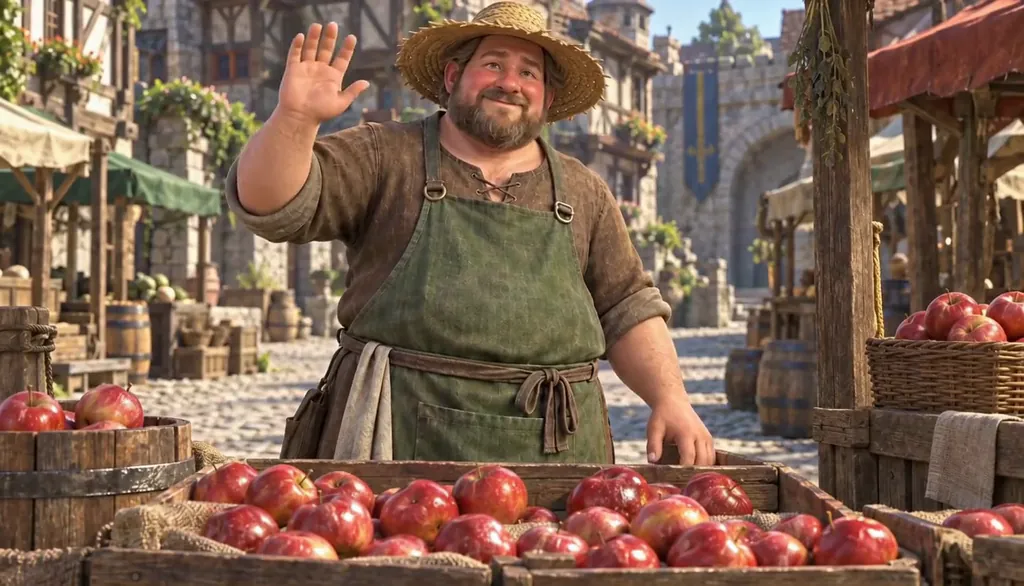
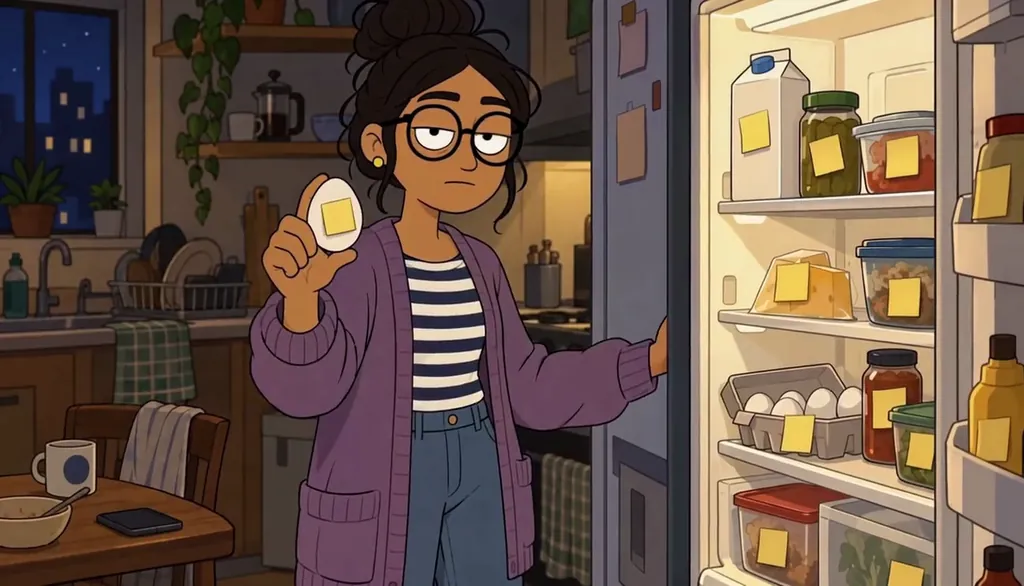
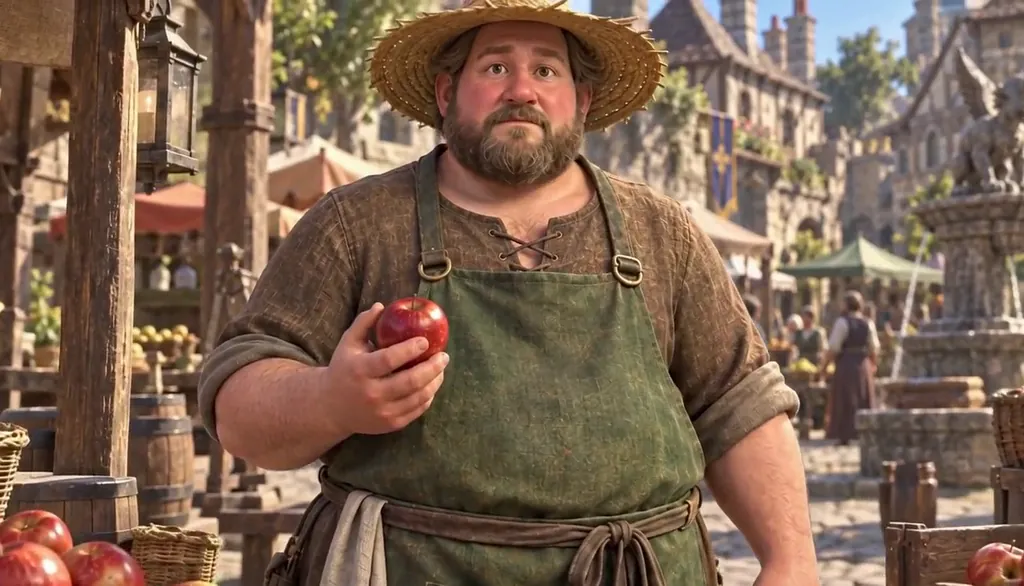
Background Dale · The same wave. Made with H3 Turbo, the Clip model in Character App · fictional sample series Beat one: plant it so quietly it isn’t a joke yet
The first appearance plays straight. The spreadsheet opens in episode one and it’s just who Maya is, not a bit — nobody comments, the scene moves on. You’re not landing a joke; you’re installing a detail the audience will notice retroactively.
If beat one winks at the camera, the gag has nowhere to go — the funniest first appearance is the one that seems like an accident. Viewers love realizing a detail was planted early; it rewards them for paying attention.
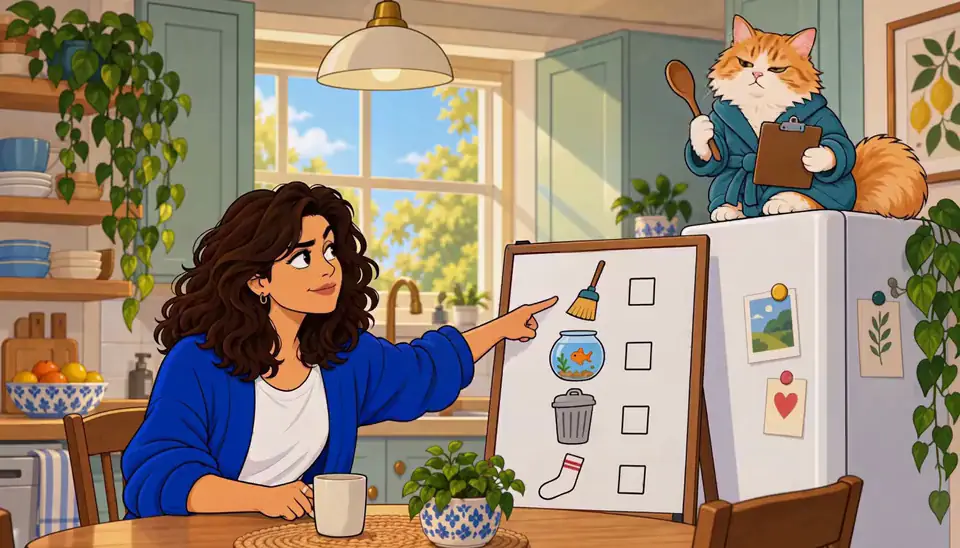
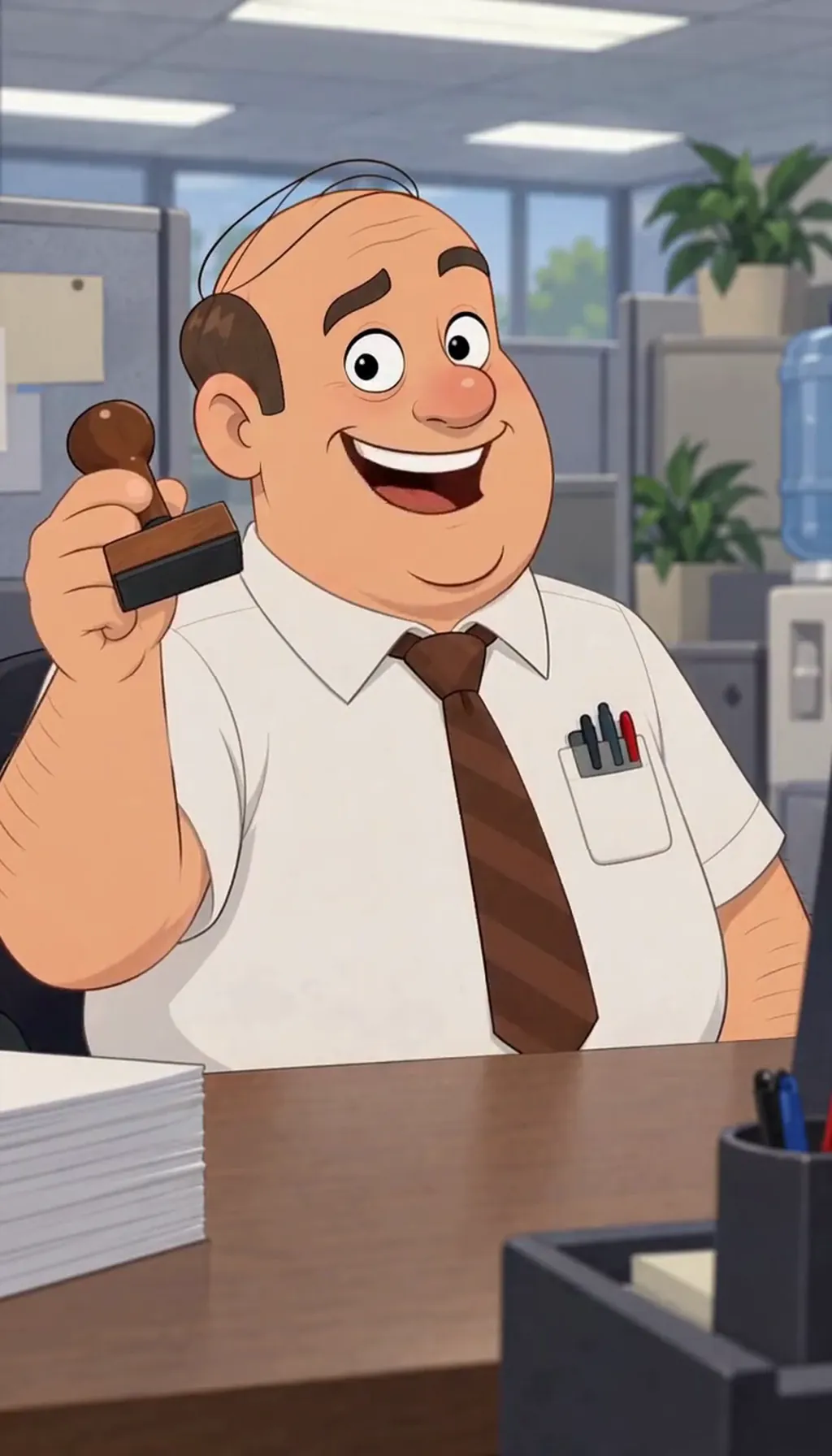
House Rules · The household meeting. Made with H3 Turbo, the Clip model in Character App · fictional sample series Beat two: repeat it with the edges changed
The second appearance rhymes with the first but shifts one variable — new scene, new victim, new stake. The spreadsheet returns in episode four, but this time cited out loud mid-date: “you’re a 6.8 on paper.” Repetition is the mechanism: the audience’s “wait, AGAIN?” is the laugh, and it only exists because beat one stayed quiet.
Same shape, new context — that’s the whole beat. Resist improving it: the audience isn’t laughing at the prop, they’re laughing at the recognition, and recognition only works if the shape stays put.

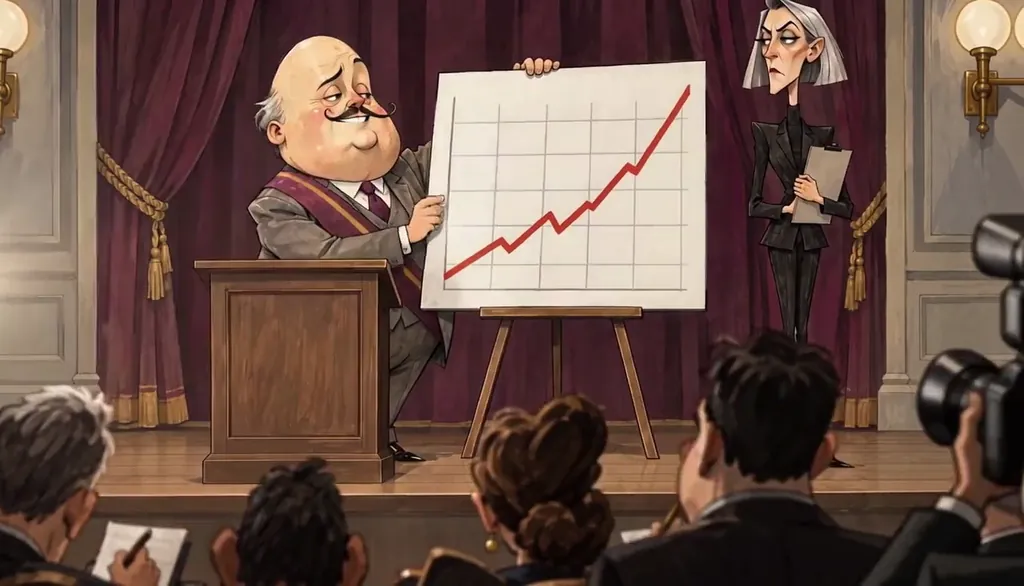
Roommates & Rent · A sovereign nation. Made with H3 Turbo, the Clip model in Character App · fictional sample series Beat three: break the pattern at the payoff
The third-plus appearance is where the gag earns its season: the spreadsheet finally approves of someone — at exactly the wrong moment — and the payoff recontextualizes every earlier score. Breaking the pattern is the point of the pattern; a gag that only repeats is a tic, a gag that breaks is a story.
The break can also hand the gag to a new owner — Lena starts her own spreadsheet — and the pattern restarts bigger. Either way, the season gets its best episode out of it.
Write the gag’s rule into the World so it survives
A running gag is continuity — it lives in the World’s memory (the saved setting, cast, and episode history), not in your head. Write its rule where the show’s memory lives: “the spreadsheet is right about everyone except the one who matters.” The Director — the text-to-scene surface — can then echo it without you re-explaining, and a stable cast keeps the prop’s look fixed across episodes.
A gag the World remembers compounds; a gag only you remember evaporates. Write the rule down like a law of physics the show obeys.
Common mistakes
A gag too big to repeat. If the joke needs the plot to stop for it, it can only run once — running gags are props, phrases, and habits, not set pieces.
Winking on the plant. If the first appearance announces itself as a bit, beats two and three have no escalation left — the plant has to play straight.
Breaking it the second time. One repeat is a coincidence, not a pattern — the break pays off only after the audience trusts the pattern.
A gag only you can see. If the repetition isn’t visible on screen — same prop, same framing, same phrase — it isn’t running, it’s trivia.
Questions
How many running gags can one show carry?
Two or three, comfortably. Each needs screen time to plant and repeat; more than that and the show becomes a checklist of callbacks with no room for episodes.
Running gag vs catchphrase — what’s the difference?
A catchphrase is a line a character owns; a running gag is a situation the show owns. Catchphrases repeat word-for-word; gags repeat shape-for-shape.
When should I retire one?
When the break has paid off and there’s no bigger version left — or hand it to a new character and let the pattern restart. Retire on the biggest laugh, not the fiftieth repeat.
Can a drama run a gag?
A dramatic version exists — the recurring motif, the object that keeps surfacing — but it plays straight and pays off as meaning, not laughs. Same mechanics, different tone.