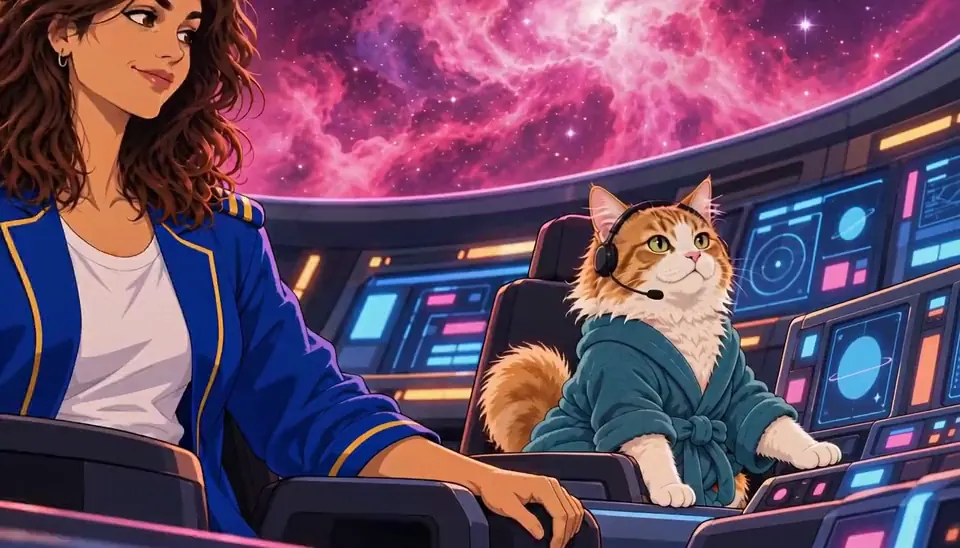
Name the feeling before the label
Forget genre names for a minute. What should a viewer feel sixty seconds in — the warmth of people who know each other too well, the tension of a secret mid-leak, the delight of a world bigger than the screen? Write the feeling down. Every genre is a machine for producing one of these on schedule, so the feeling is the spec the genre has to meet.
If the feeling is “I want them to laugh with these people,” you’re already holding a sitcom; “I want them to gasp,” a drama.
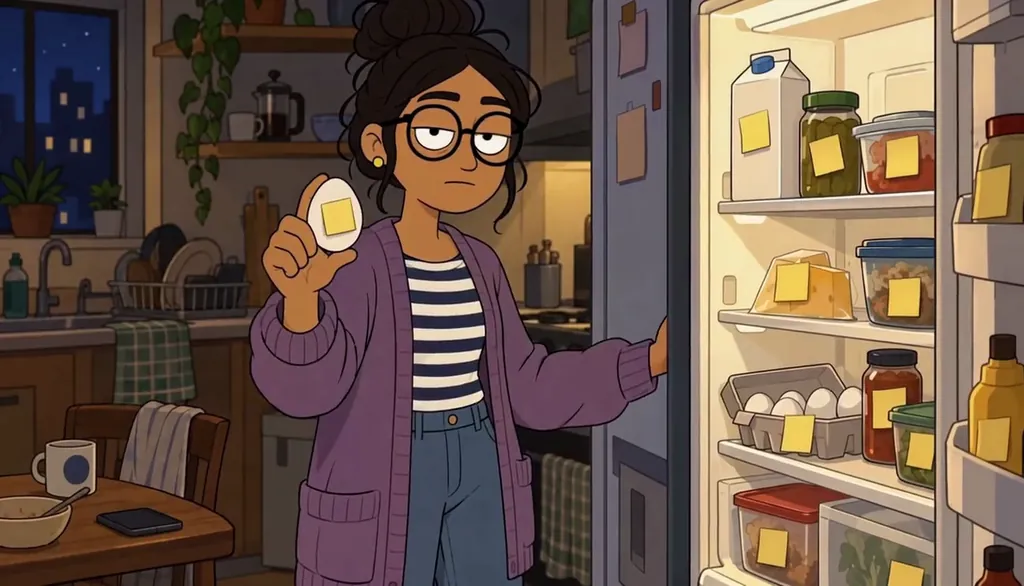
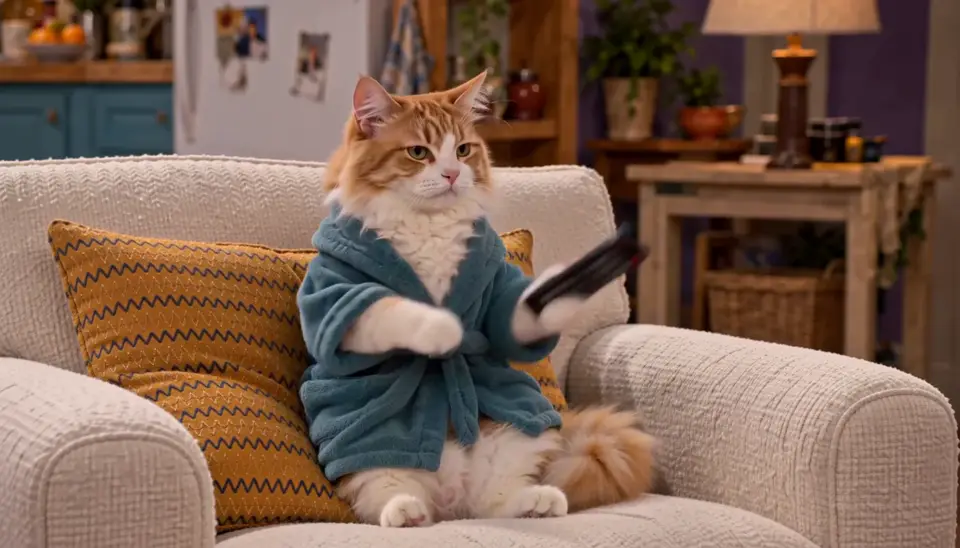
Unit 4B · He labeled the egg. Made with H3 Turbo, the Clip model in Character App · fictional sample series Match the cast shape
Sitcoms run on a small ensemble with built-in friction — roommates, coworkers, a pet with opinions. Dramas run on a lead with a secret and the people it endangers. Fantasy and anime want a hero with a wound and a world with rules. Sketch your cast in one line each; the shape that falls out is usually the genre’s shadow.
If every character exists to set up one person’s punchlines, sitcom. If they exist to complicate one person’s secret, drama.

Last Train, Yellow Umbrella · The last train too. Hana, a university art student, and Ren, from the bakery by the station · made with H3 Turbo, the Clip model in Character App · fictional sample series Check what the world does to people
In a sitcom the world is a pressure cooker that stays the same size. In a drama the world is a trap closing. In fantasy or anime the world is a door opening. Ask what your setting does to the people in it — keeps them, corners them, or calls them — and you’ve picked the genre’s physics.
The workplace that never changes: sitcom. The inheritance that rewrites the family: vertical drama. The map that won’t stay still: fantasy. Name yours the same way — one noun, one verb — and the genre usually names itself.
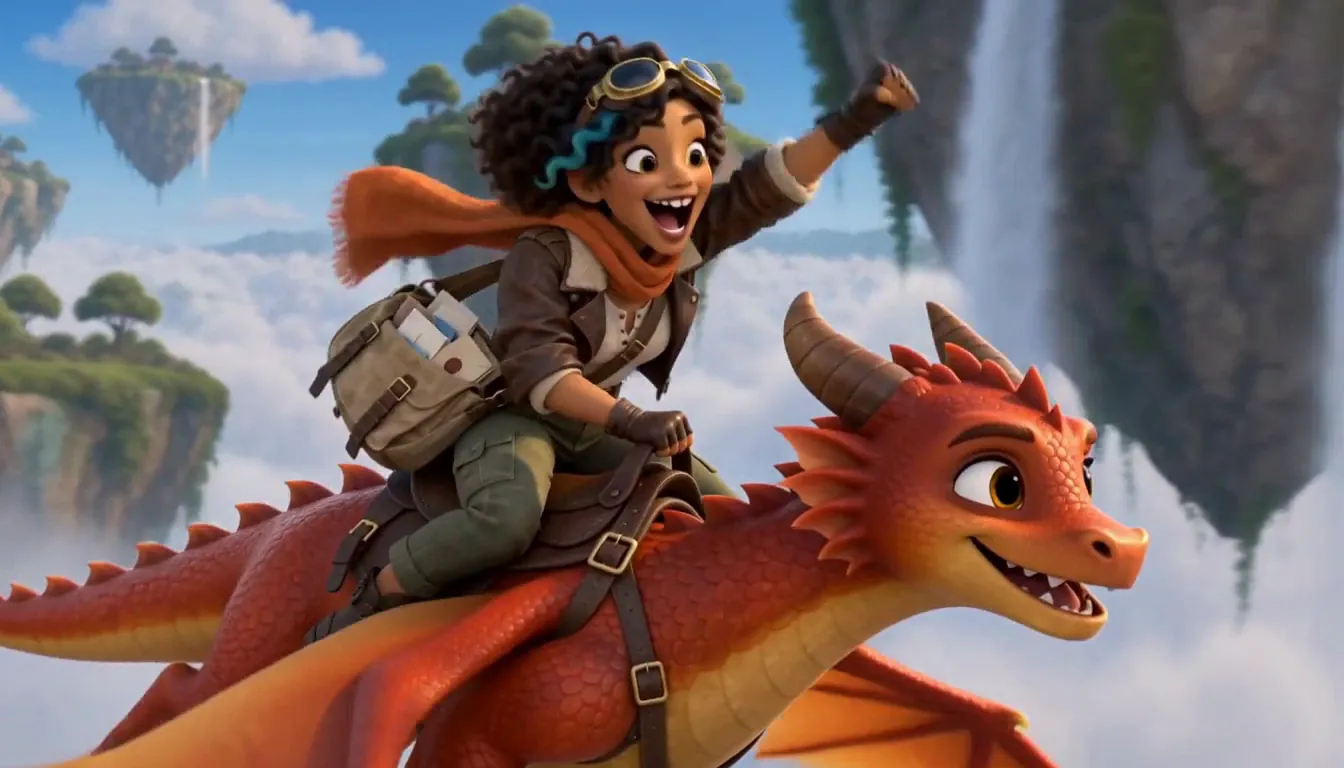
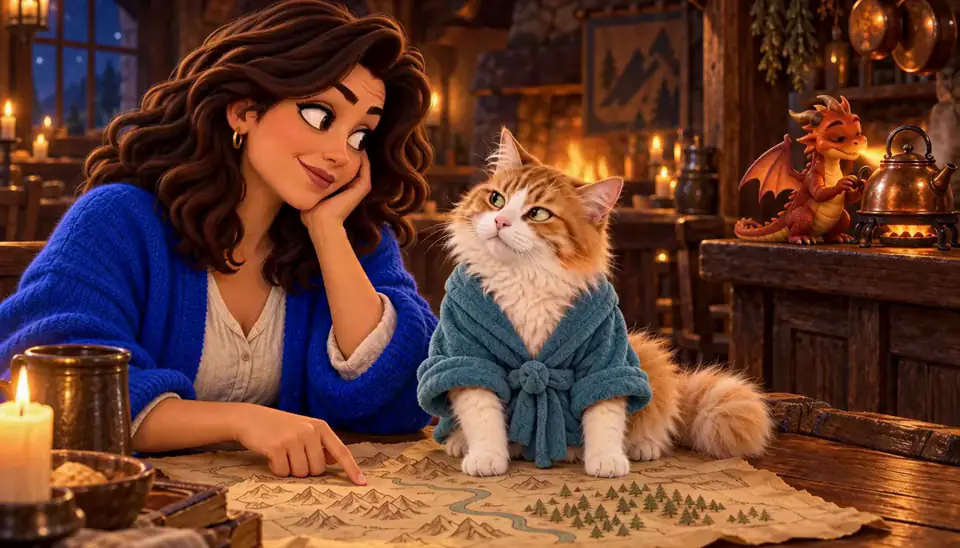
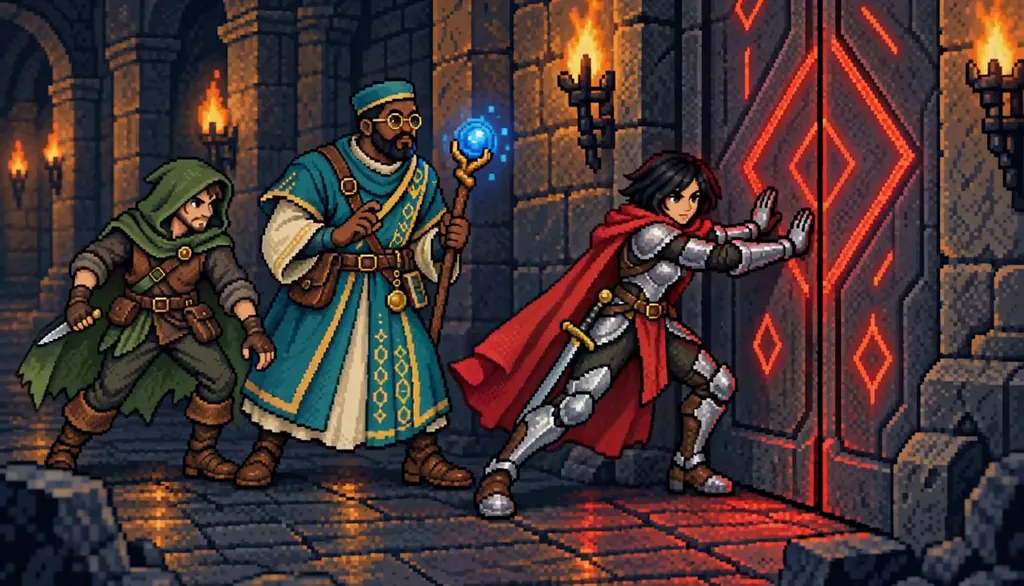
Emberwing · Emberwing. Made with H3 Turbo, the Clip model in Character App · fictional sample series Pick by the ending, not the premise
Premises overlap — “a family-run restaurant” could be anything. Endings don’t. Imagine your pilot’s last frame: a laugh (sitcom), a reveal that re-prices everything (drama), a wince of recognition (satire), a door to a bigger world (fantasy, anime), a cozy solved knot (mystery). Whichever ending you want is the genre.
If two endings fit, write the one you’d rather watch twice — that’s the senior partner, and the other tone can live inside it. An audience forgives a quiet middle long before it forgives a wrong ending.
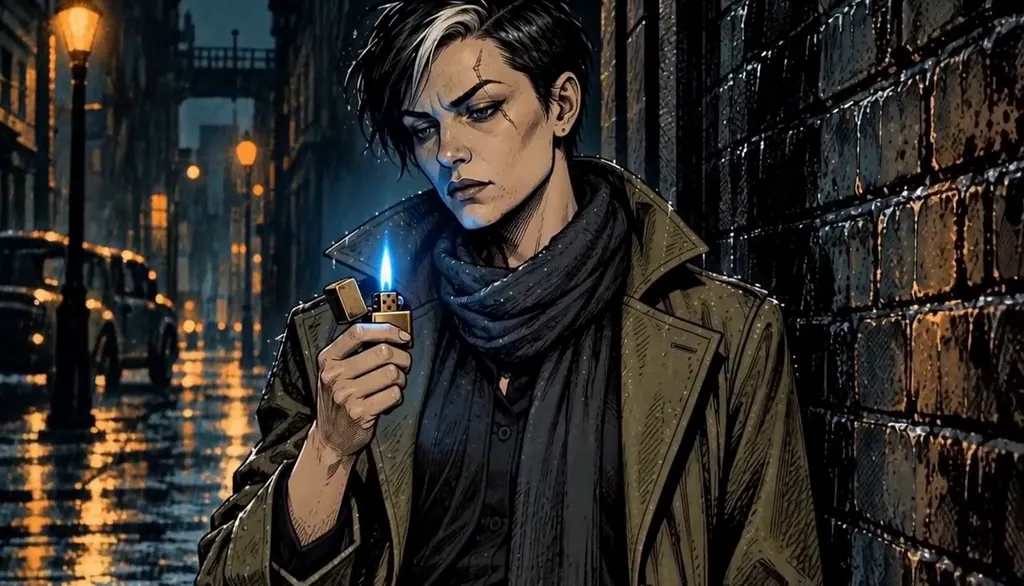
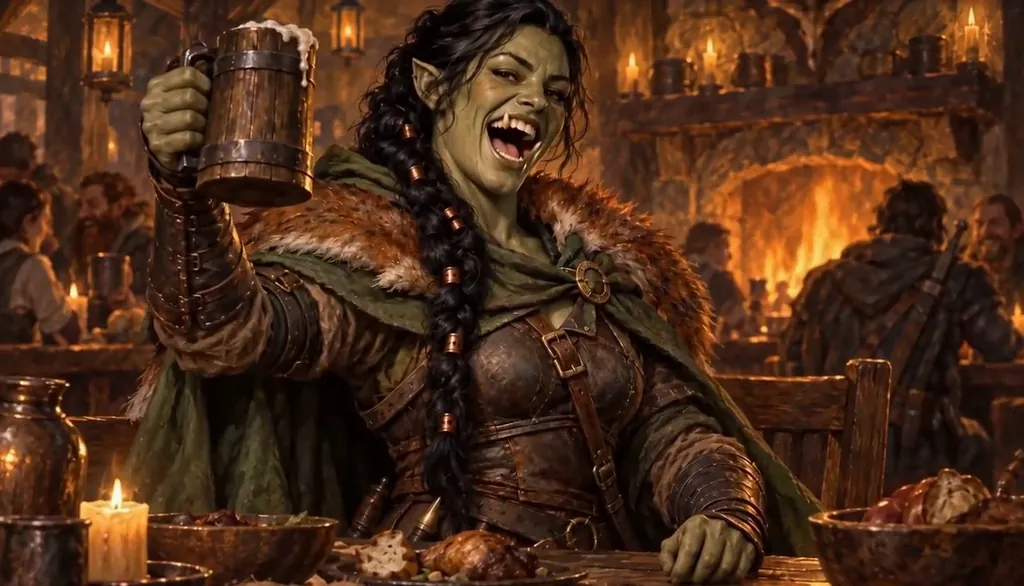
Ashgrove After Dark · Blue flame. Made with H3 Turbo, the Clip model in Character App · fictional sample series Test it as a one-scene pilot
The cheapest genre test is one scene, not a season. Take your premise to the Studio — the app’s creation surface — set the tone you think it is, and watch the first frame. If it reads wrong — funny when you wanted tense — that’s the genre telling you the truth early.
A scene is a five-minute audition; a season is a commitment. Audition first — and if the scene reads right, keep it: a pilot that survives the audition is already episode one of the season it earned.
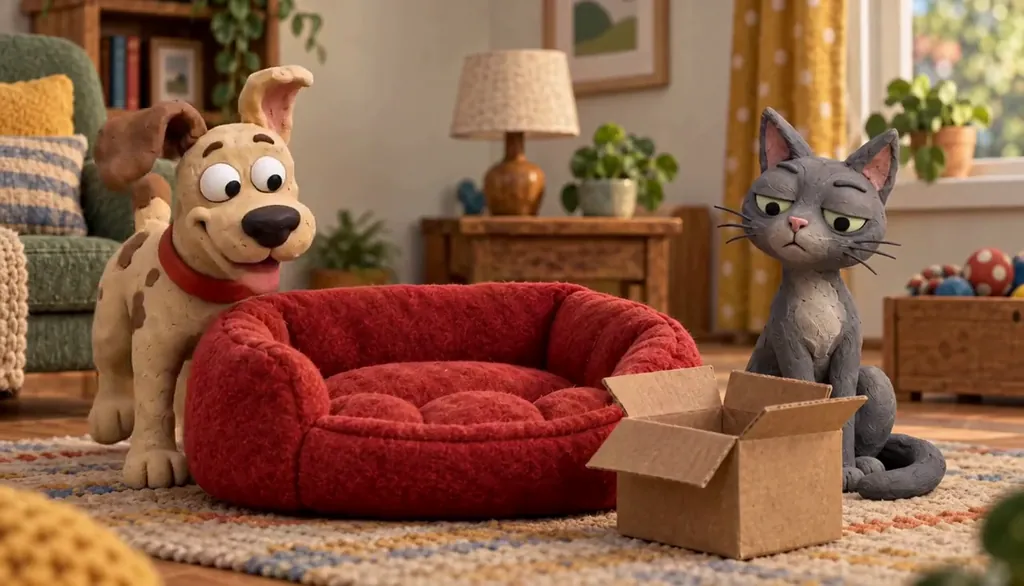
Biscuit & Pickles · The box. Made with H3 Turbo, the Clip model in Character App · fictional sample series
Common mistakes
Picking the genre that’s popular rather than the one your idea produces. A premise forced into a trending genre reads as a costume, not a show — the mismatch shows up in every ending.
Merging two genres because you can’t choose. “Dramedy” is earned by episodes, not declared at the pitch — pick the dominant promise first and let the second tone live inside it.
Choosing before imagining the ending. Premises lie about genre; endings don’t. If you can’t picture the last frame, you’re choosing blind.
Treating the choice as permanent. The World — your saved cast and setting — holds across experiments; a pilot in the wrong genre costs one scene, not the show.
Questions
Can a show really be two genres?
Yes — most good ones are. The trick is knowing which genre owns the ending: a sitcom can have dramatic episodes, but the season still lands on laughs. Pick the senior partner.
What if my idea doesn’t fit any genre?
It fits something — genres are wide. Name the feeling and the ending; if it still resists, you may have a format idea (a documentary frame, a video diary), which is also a real choice.
Does genre change what an episode costs?
Credits price the Scene, not the genre — but genres differ in how many takes a typical episode wants. The cost guide has the real ranges.
Can I change genre mid-season?
You can — the World keeps the cast — but do it between arcs, not between scenes. A genre change is a renegotiated promise to the viewer.