Write the first picture and the last picture
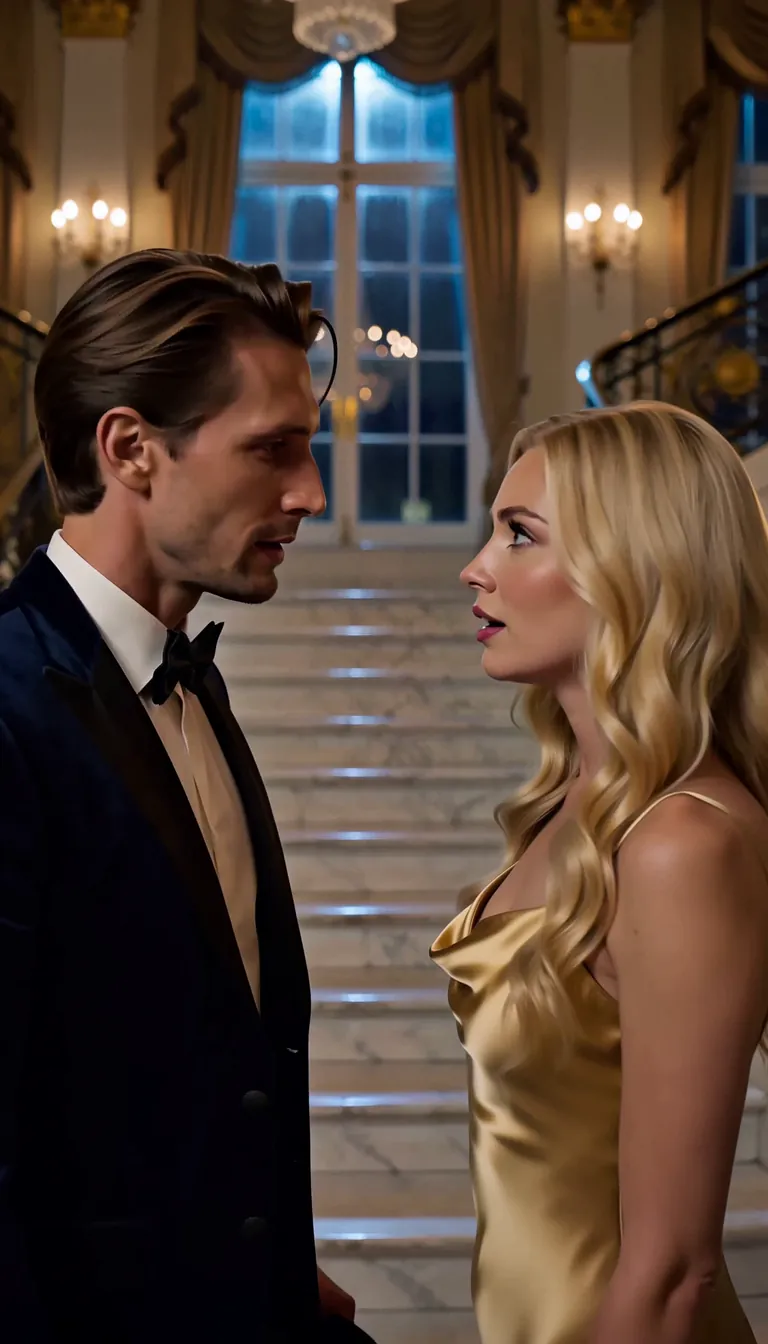
Play the three silent Vandermere clips together if you want to compare the looks, the staircase and the change of distance as you read.
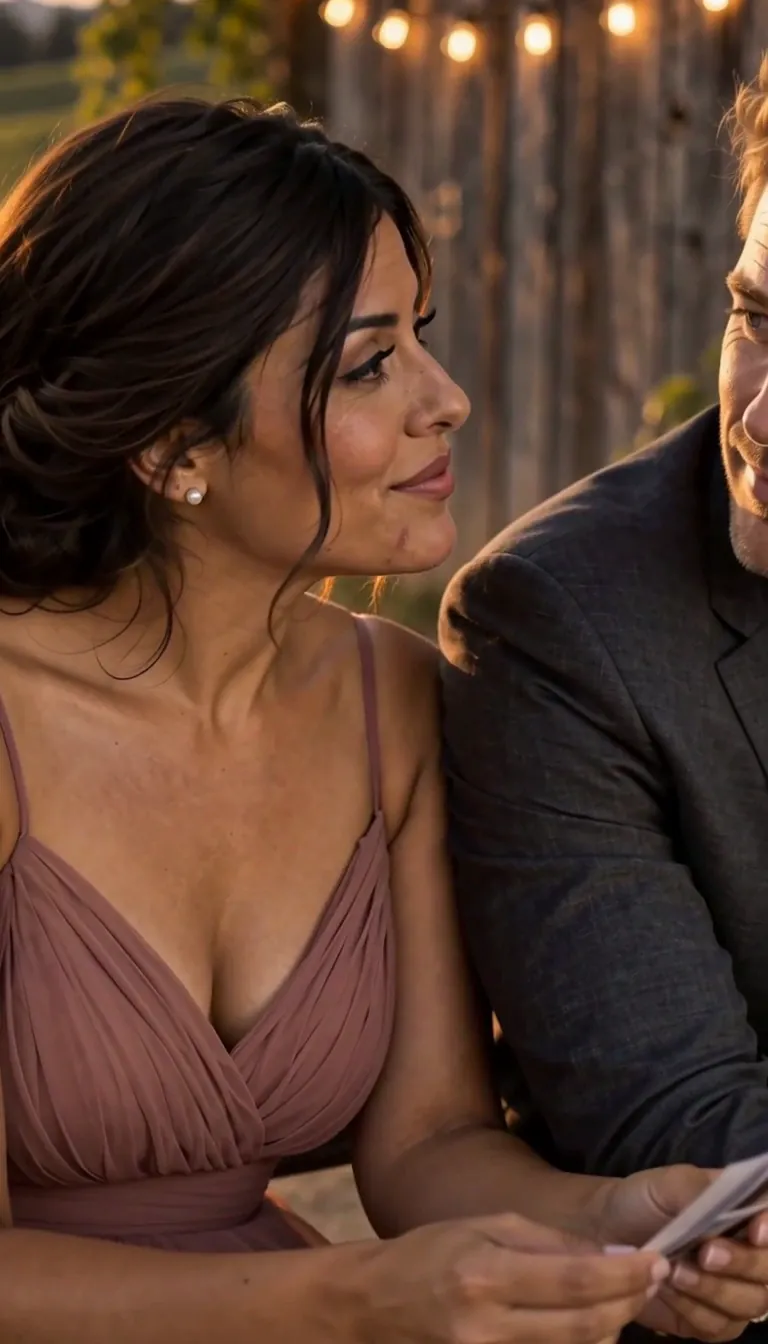
Try describing the rooftop clip to someone who has never seen The Vandermere. At the start, the woman has a page for the man opposite her. By the end, he is holding it and looking straight at her. Those two pictures give you an action to stage even if you never decide what the page says.
For your own scene, draw two boxes on paper. In the first, sketch who has the object or who stands apart. In the second, change one of those facts. Write a verb underneath each picture that an actor could perform.
Pass a prop, then follow the eyes
Replay “He read the last page.” On the wet rooftop, the sheet begins near the woman. The man takes it, tips his face down and then raises his eyes to hers. The letters on the page are too small to read. The sequence gives the viewer a different piece of information they can trust. Whatever he has seen merits a look at the person who handed it over.
Try replacing “she explains that she is leaving” with a visible exchange. She puts her house key in his open hand. He turns toward the empty hook by the door. A viewer can follow that exchange even if they disagree about how he feels.
Let the distance between two people change
In “The driver came down the stairs,” look at the stretch of pale stairway visible between the man in black and the woman in gold. Pause near the beginning, then again near the end. The steps you could count have given way to two faces at the same height. He has closed the gap. The shot leaves you to read the encounter.
Stage your version with two chairs at opposite ends of a table. Have one person slide a chair closer. Keep both chairs visible long enough for the viewer to see who made the move. The choice belongs to that person.
Save the face for the moment it matters
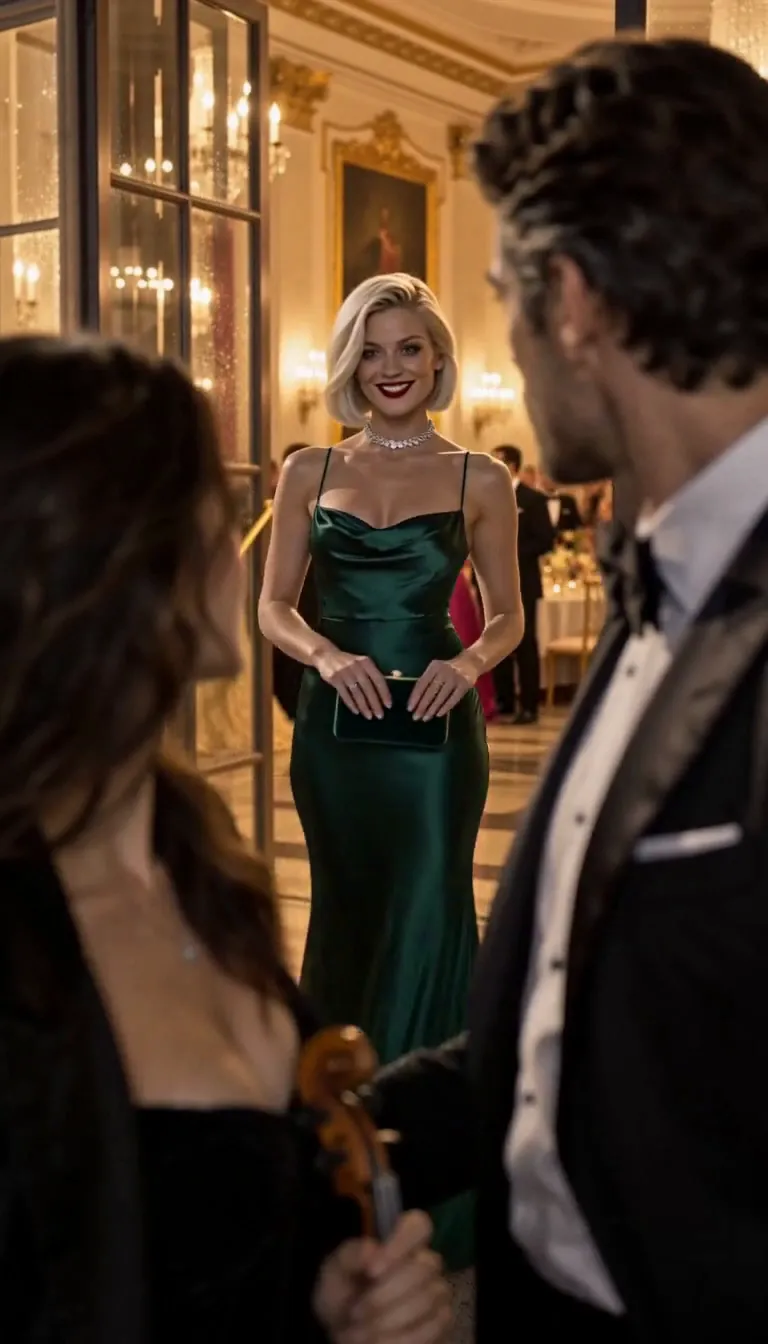
Open “Valerie doesn’t lose” and cover the title. The first image gives you a red gown, the back of a head and a staircase. Valerie turns, moves toward the camera and smiles. Compare what you can infer at the start with what you can see on her face at the end. The title suggests a history. The turn and the smile are the evidence the shot actually supplies.
Try the same idea with a character standing at a window. Sketch the opening from behind. Then decide what they will do when they turn. A held-out ticket, a raised eyebrow and a hand over a mouth each make a different ending.
Test a five-second scene on a fresh viewer
Write your own opening, action and last look. Here is a complete rehearsal example. A baker sets out two cups before opening the shop. A hand slides one cup back across the counter. The baker returns it to the shelf and leaves the other cup where it is. Put the three pictures in order and cover any captions.
Ask someone to describe what happened before you tell them the premise. “Someone sent the cup back” means the action read. If they say the baker cleared the table, show the other hand for longer. If they invent different reasons for the refusal, you have a choice about how much to reveal in the next scene.
Common mistakes
Starting after the handoff. Show where the prop begins so the viewer can tell who gave it away.
Cutting at the instant someone reads the page. Leave room for the look that follows.
Asking viewers what the character felt before asking what they saw. Check that the physical action reads first.
Questions
Can a silent scene work with a single actor?
Yes. Valerie begins with her back to the camera and ends facing it. Her turn changes what the viewer can read without a second actor or a spoken line.
Does the audience need to read the letter?
Only when its wording is essential to the plot. In the rooftop clip you can follow the handoff and the reader’s reaction without seeing a word. For a plot that depends on a name or a date, plan a separate legible view of that detail.
How do I write a wordless scene in a script?
Write the action in present tense and name the person who performs it. “Mara slides the key across the counter. Eli closes his hand over it.” A reader now knows which hands and which object the camera needs to see.
How can I tell whether viewers understood it?
Play the scene once without an introduction. Ask who did what, then ask what they expect to happen next. If people agree about the action but differ about the motive, decide whether that uncertainty serves the story.