character.appby charactrMake my show

How to turn a real story from your life into an episode

Updated September 13, 2026 · 5 min read

The best first episode is usually something that actually happened — to you. The method isn’t transcription, it’s adaptation: find the one moment everything turned, change every fact that needs changing, keep every feeling that doesn’t, and give the story the ending life forgot to deliver. Five steps take it from memory to a finished Episode, with the consent guardrails built in.

Time to adapt
~15 min
Difficulty
Craft
You need
A story you keep retelling
Studio surface
Director

Stories that feel lived

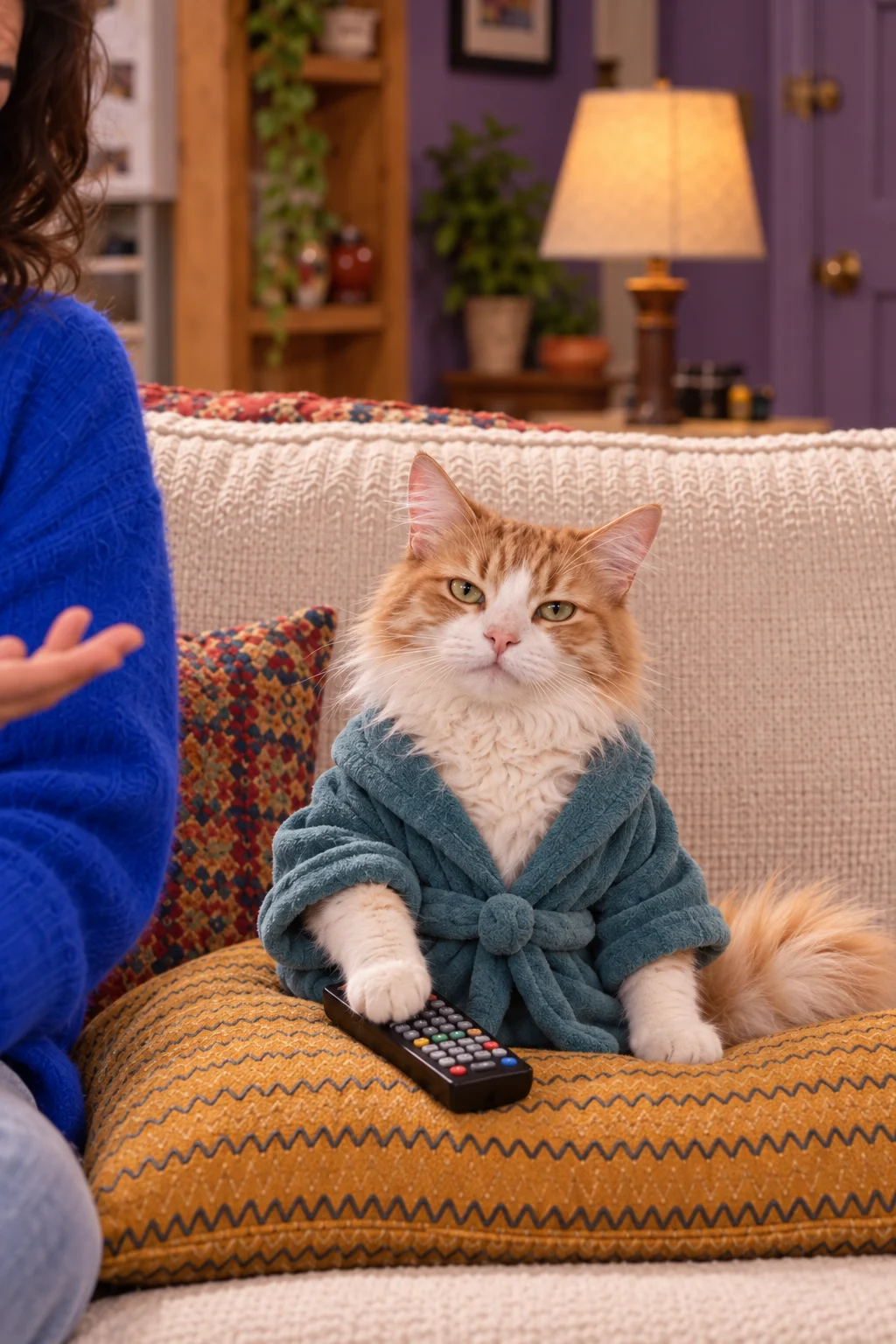
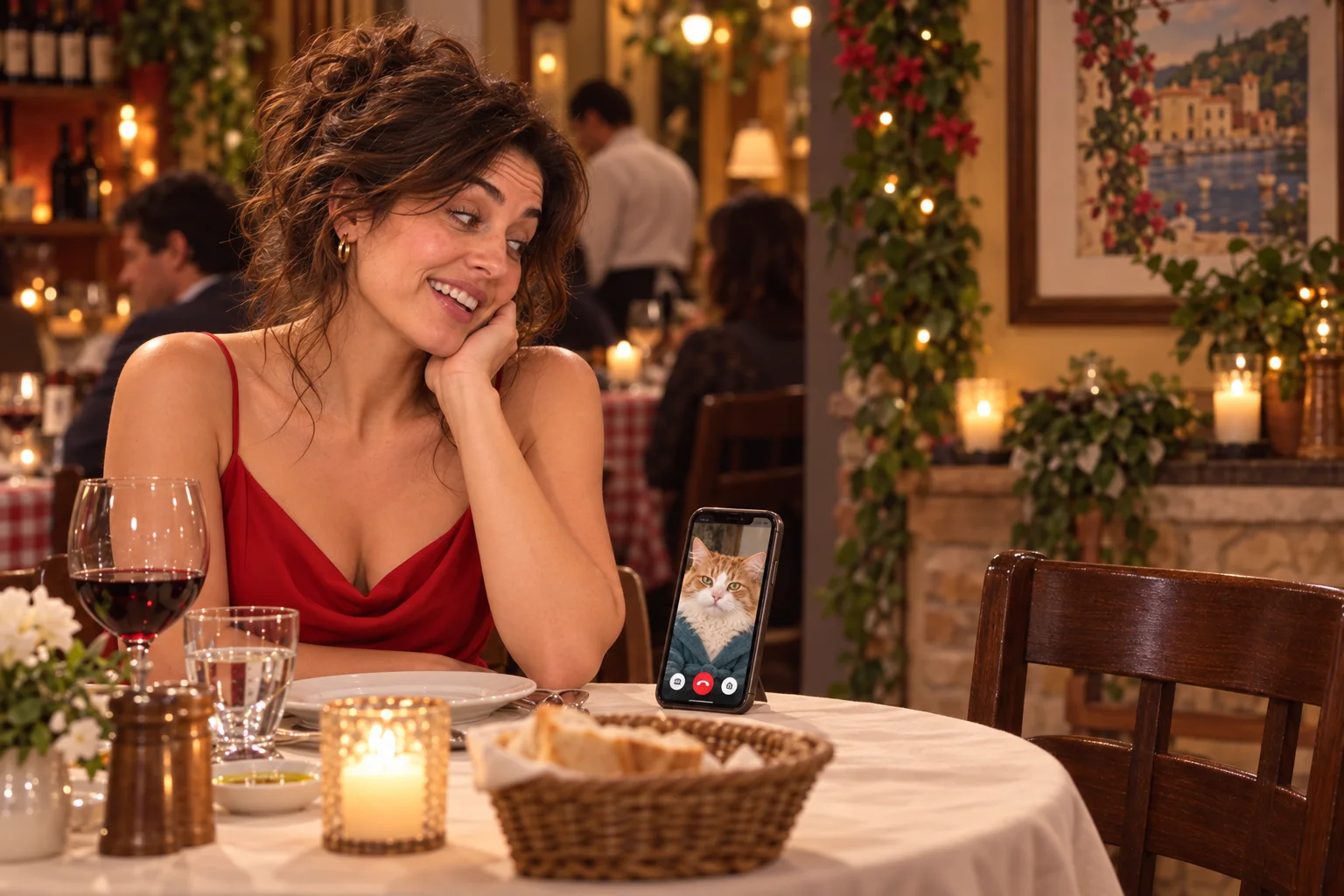
  • Episode still — a date night interrupted on schedule, the kind of story somebody actually lived.
    “Date night” — the genre of things that happen to people.
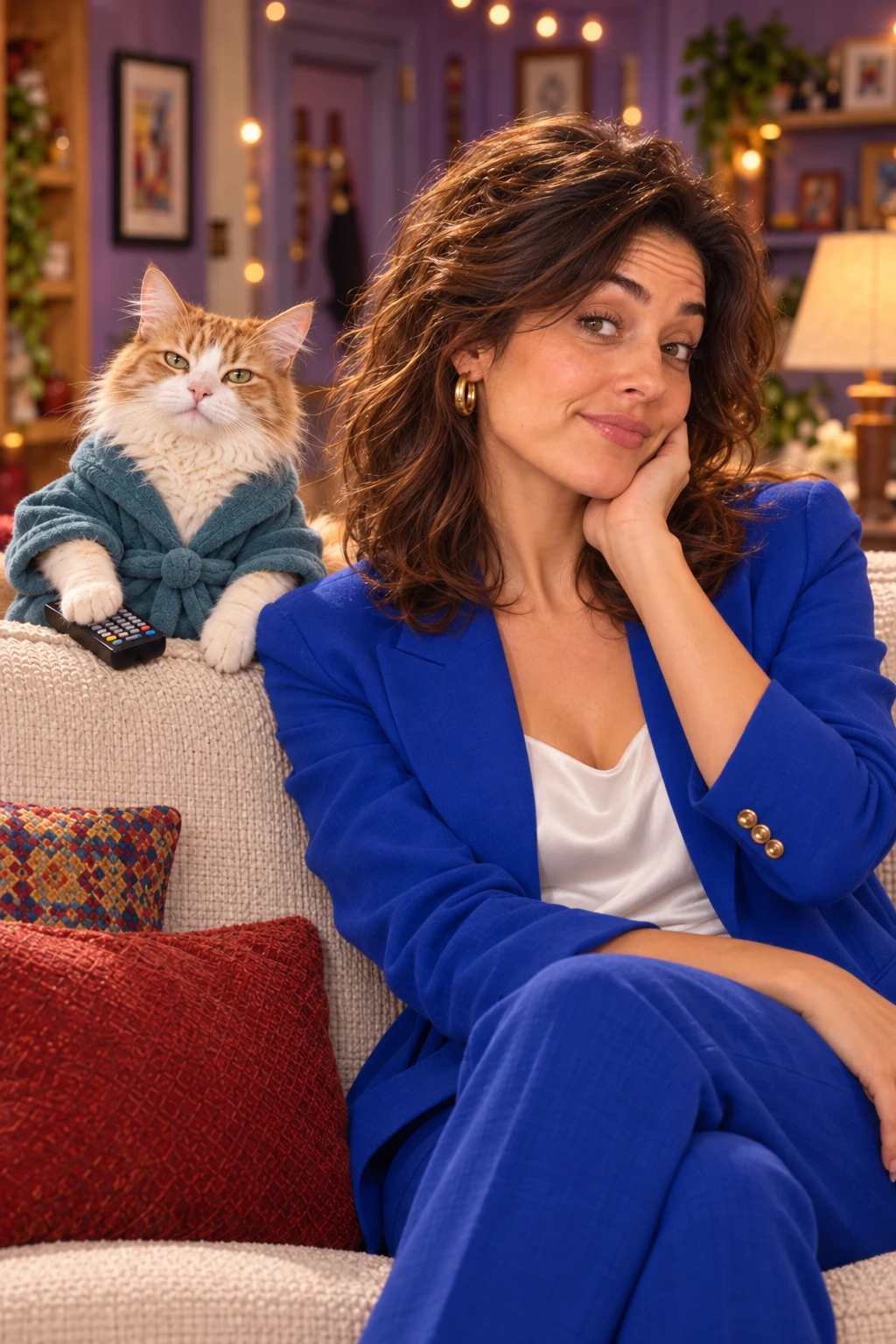
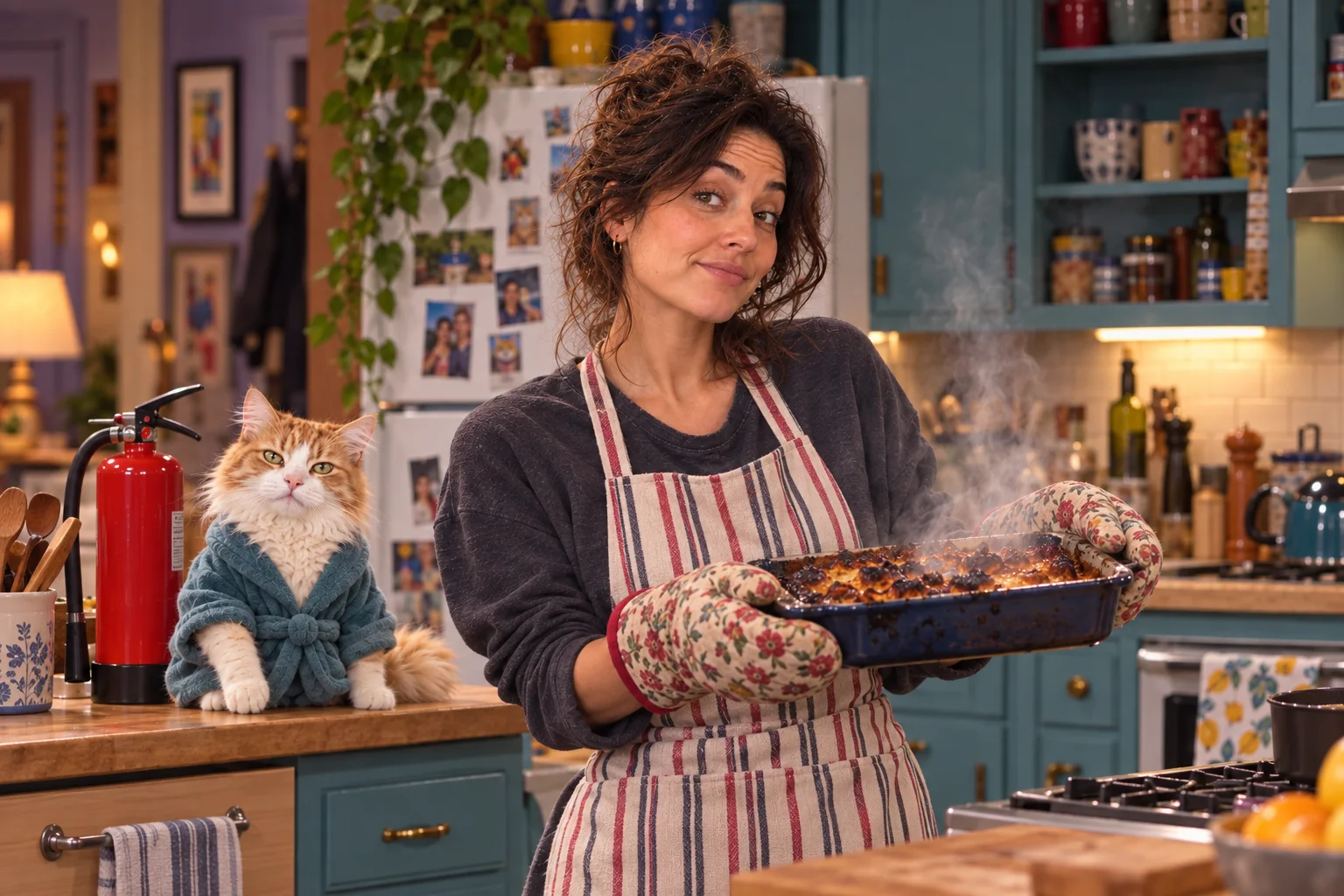
  • Episode still — dinner going wrong in a familiar way, domestic chaos as episode material.
    “Dinner disasters” — every family has this episode written already.
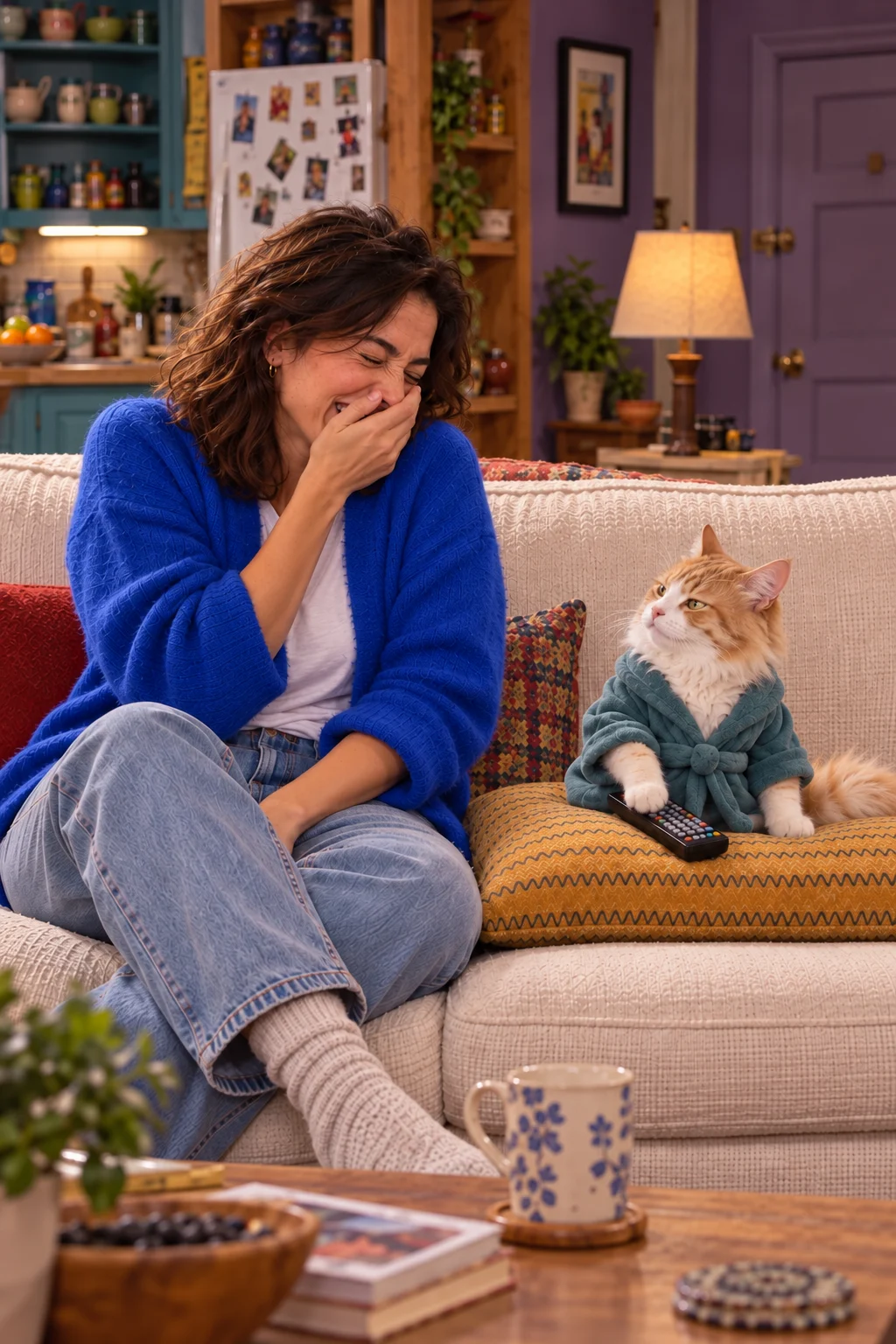
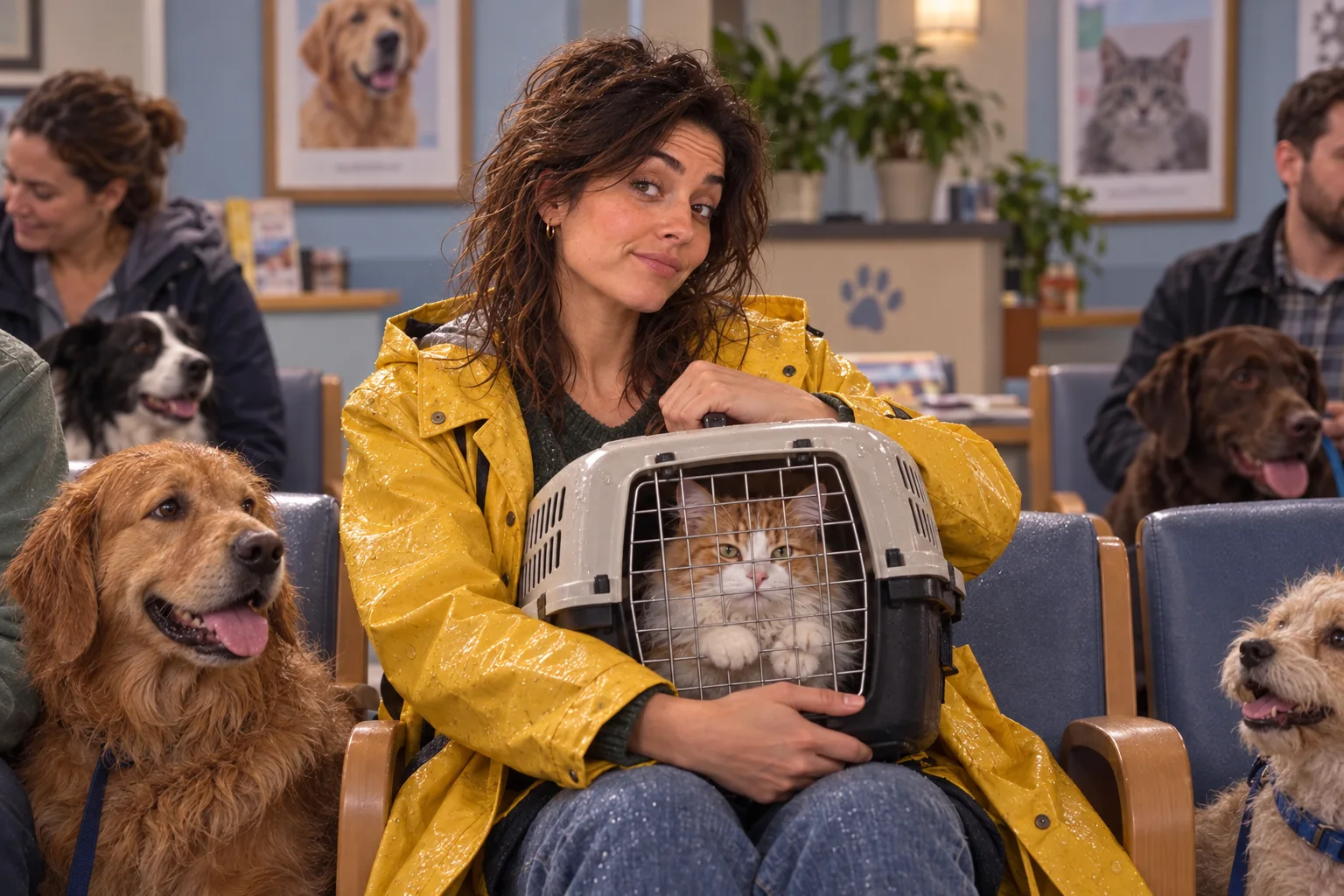
  • Episode still — a vet visit that became an episode, mundane stress dramatized into stakes.
    “A vet visit” — the smaller the real story, the better it adapts.

Generated in Character App · example stills, not a live product demo

Common mistakes

  1. Transcribing instead of adapting. “Then we waited for the tow truck for two hours” is true and unwatchable — compress to the turn.

  2. Keeping real names and faces. Real people become characters — for consent reasons and because fiction lets them say the better line.

  3. Cramming three incidents into one episode. One turn per episode; the second disaster is episode two.

  4. Protecting the facts so hard the story dies. If changing the venue breaks the episode, the episode was about the venue — pick a different turn.

Questions

Do I have to tell people they’re in my show?

Legally the answer rides on consent — the likeness guide has the rules — but the kind answer is: if a real person would recognize themselves, fictionalize until they wouldn’t, or ask first.

Can I use my own photo in a real-story episode?

Yes — your own likeness is the intended path. Other people’s faces are the consent case; see the photo and likeness guide before uploading anyone else.

How much should I change before it’s “a story”?

Names, faces, places — the load-bearing facts. Keep the turn and the stakes; everything else is scenery. If a real person could sue or sulk, change it.

What if the real story has no ending?

Then it chose you to write one — the “proper ending this time” is the most common reason these episodes get made. Pick the ending the story deserved, not the one it got.

Is this a sitcom or a drama?

The turn decides: if the flip is absurd, sitcom; if it costs someone something real, drama. The genre-picker guide covers the full decision.

Your nextScene startswith you.

Make something you’ve always wanted to be in.

TRY THIS

Explore plans & Credits