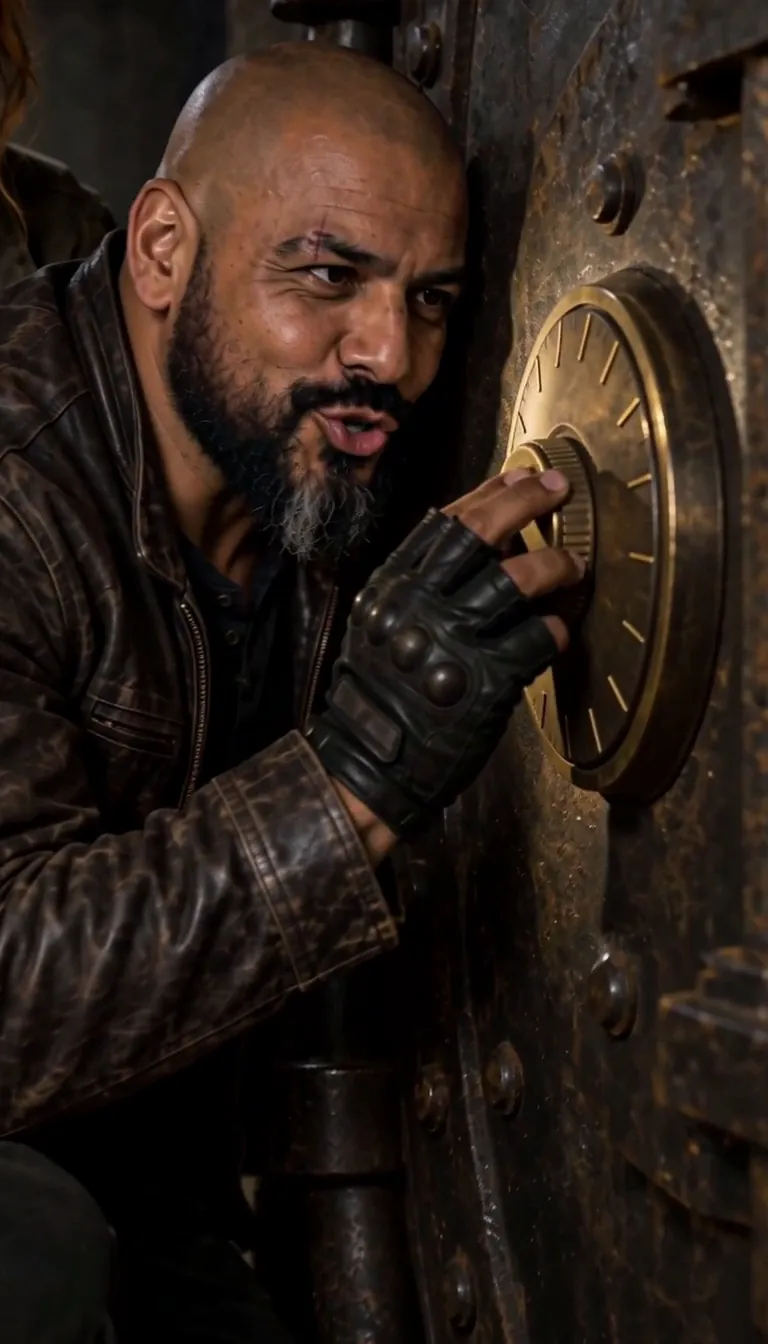
Open a blank sheet and write the decision
Open the plain-text pitch template, copy it into your document and fill in the premise first. A useful first draft for Gary was “Two clerks run a permit desk.” You can picture where they sit. You still have no reason to watch either of them stand up.
Give someone a request that has to be answered today. Now try “June needs a leak fixed before the office closes. Gary refuses to approve a wet form.” You have a scene you could hand to two actors. Widen it by one sentence to explain why these two will face each other again.
Try thisFree: your idea as a World with its first Story in pictures. A plan films every Scene.
Show what generates episode two
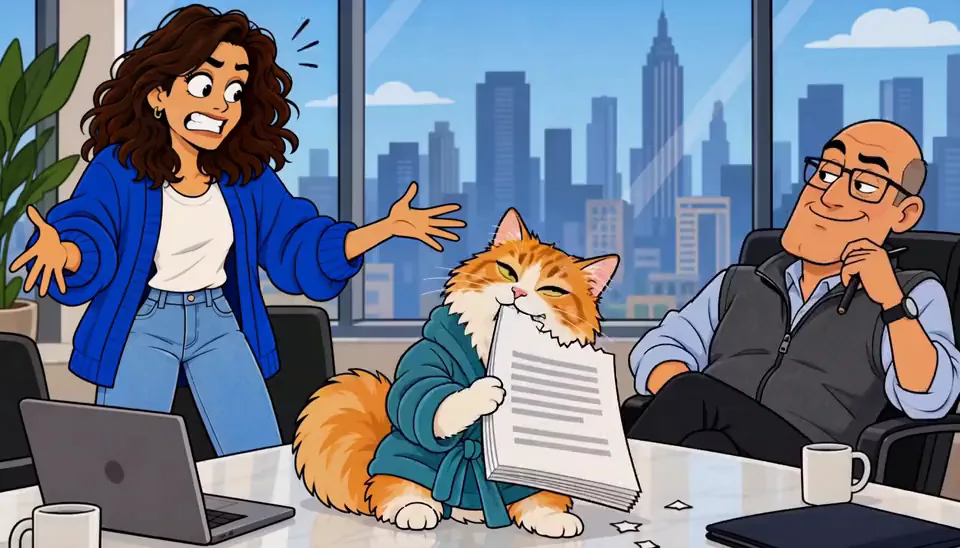
Take the last object out of your pilot and put it on the counter at the start of the next episode. Here it is the receipt. June thinks a stamped receipt closes the case. A cleaner reads it as proof that the bucket belongs to the building. Both readings make sense, and the cleaner needs an answer before the next shift.
Try a third episode with a different person who benefits from the same decision. If your second and third episodes both read “another applicant gets angry,” name what each wants to take home. Keep the two stronger lines on your sheet. The season arc guide takes those consequences further.
Let a short filmed scene carry the tone
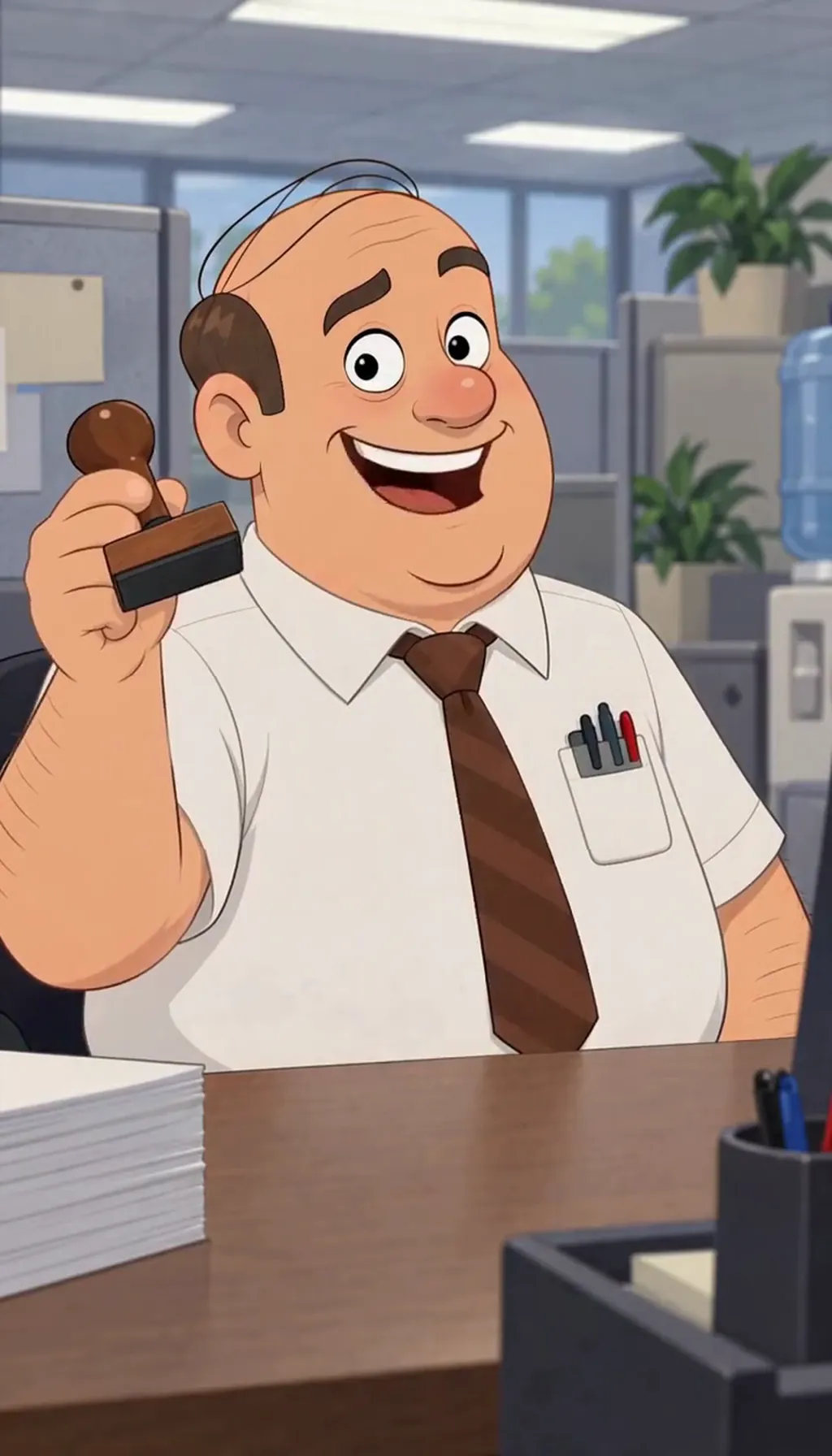
Play Gary’s stamp interview once with the sound off. He raises the stamp, grins and kisses it. Play it again with sound. His line explains his authority. The kiss tells you how much he likes having it. “An office manager who loves procedure” takes fewer words, but gives an actor less to do.
For your own pitch, choose one action that someone could describe after a single viewing. Put the link beside that sentence. Label a Clip with its actual length. A reader can then ask about the longer pilot knowing exactly how much of the idea has been filmed.
Read it to someone who has never met the cast
Give the reader the one-page pitch and ask what they expect June to do when a third applicant arrives with a receipt. If they give you a plausible new dispute, the page has explained the show. If they ask why June bothers to help, keep the sentence about her losing a day’s pay to stand in that queue. If they ask how the bucket leaked, cut a mechanical detail.
Ask whether the exchange would be funnier if June noticed the documentary camera. That answer helps you choose which reaction to film. A general request for feedback rarely settles that choice.
Bring one scene from the pitch into Studio
Use the premise field to describe your own opening scene. For the proposed pilot, try “At a permit counter, June slides a damp repair form toward Gary. A drop lands on his stamp pad before he can refuse it.” The form opens Studio with your idea. You can review the Story there and choose what to film.
Keep the rest of the one-page pitch beside you. Once the first scene feels right, the episode outline helps you decide what happens around it. The AI series maker explains how your World and returning Characters carry into another Episode.
Common mistakes
Opening with several paragraphs of town history before the reader meets the person asking for help.
Spending the pilot’s final paragraph on a mystery and giving no example of a second episode.
Calling a short filmed scene a finished pilot. Give its running time and say which part of the pitch it illustrates.
Questions
What belongs on a one-page TV series pitch?
Give the title and format, the premise, the returning cast, what happens in a typical episode, and a pilot decision. Add two later episode ideas. If you have a filmed scene, link it and say what you want the reader to notice.
How does a pitch differ from a series bible?
A pitch helps a reader decide whether to develop the idea. A bible helps people working on the series keep the cast, world and continuity straight. Once your premise works, use the series bible template to track what carries between episodes.
Can I write a pitch before filming a pilot?
Yes. Write the pilot decision and the next two episode ideas. If you have filmed a sample, label its length and link it. The sample on this page is one short interview. The bucket storyline is a proposed pilot you can read in the pitch.
Can I use this template to pitch a broadcaster?
Use it to develop the show, then check the recipient’s current brief. SBS Scripted, for example, describes a one-page summary as one part of its pitch material. Other recipients may ask for a script, a deck or a different format.