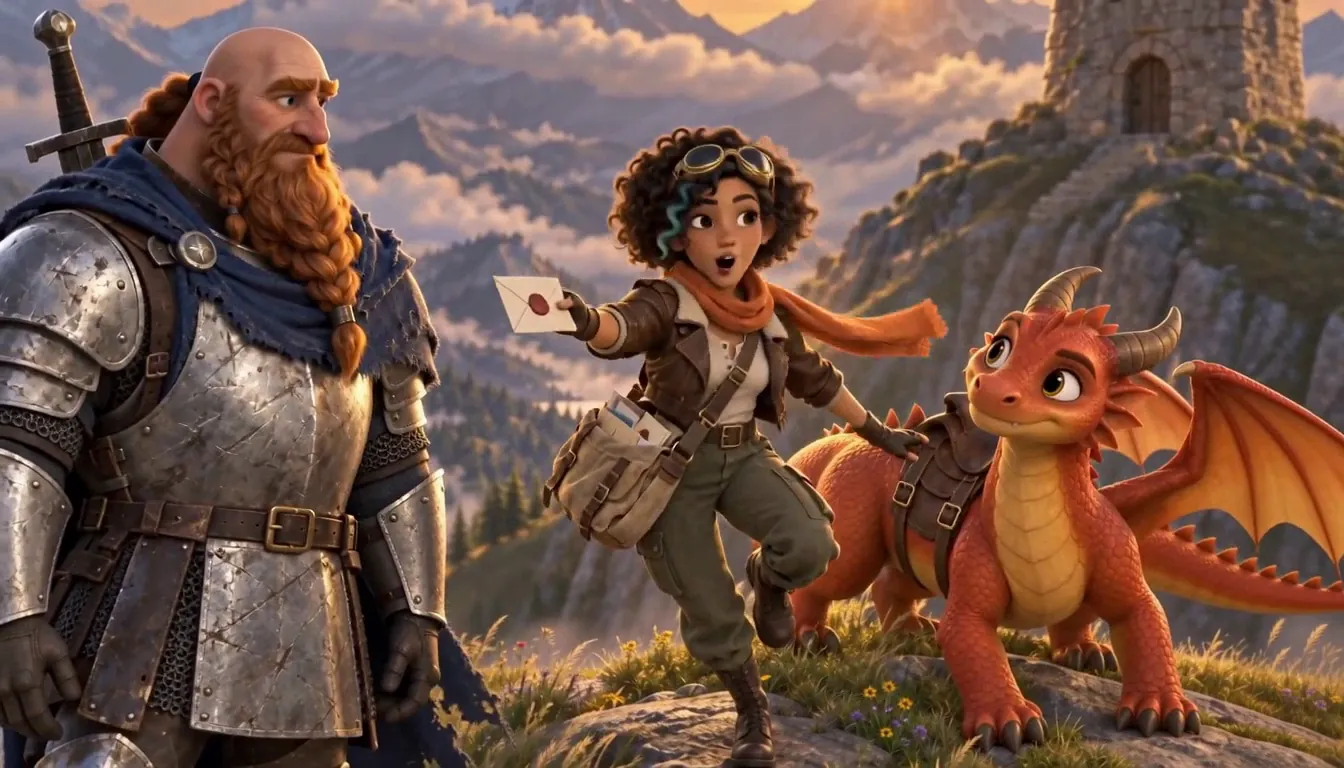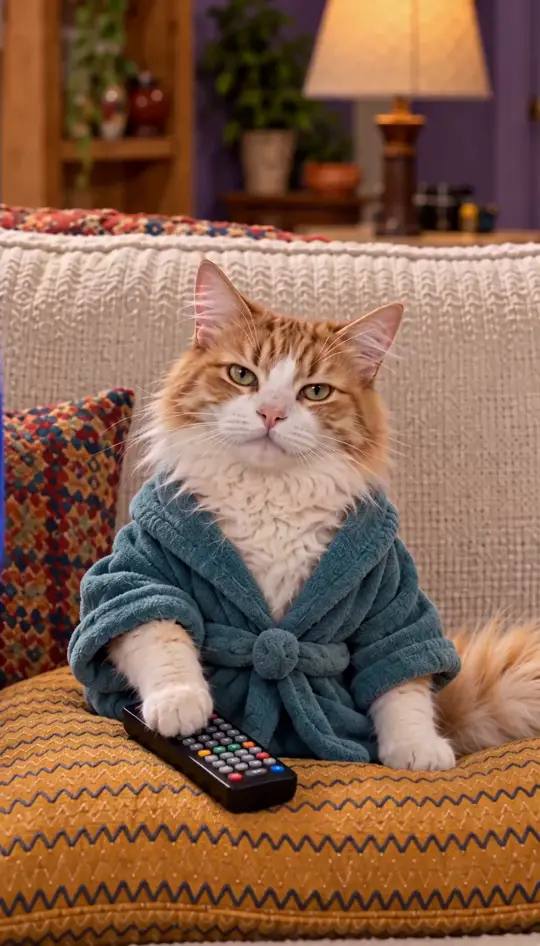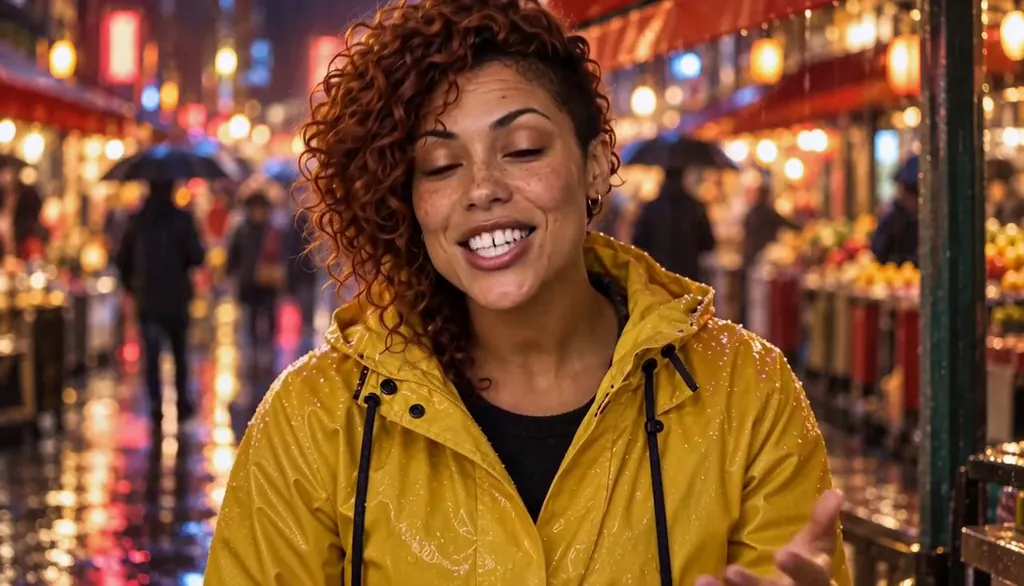
A Cast is the people your World knows
Every member is a card: a drawn portrait, a name, and a reference the Studio draws from. Three things on the screen do the work — the card itself, the Locked pill under it, and the dashed add slot for the next member.
The Cast answers the question every Scene asks first: who’s in this? Tag a member and they arrive already drawn in the World’s Look — no re-description, no re-upload, no hoping the face comes out the same.
The line it came from: Three friends, one AI startup, one rate limit.
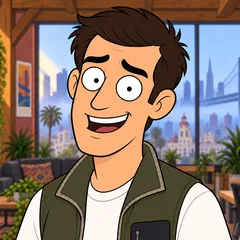 MilesFounder
 DevEngineer
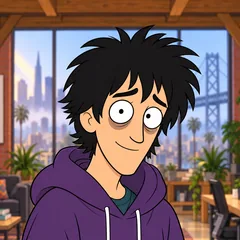 WizProdigy
Rate Limited · one line, and the Cast it drew: three Characters who keep their faces in every Episode. Our own fictional sample series, made in Character App. Members come from a photo — or from nothing
Two ways in. Drop a photo and the Studio translates the person into the World’s Look — your face, drawn the way this show draws faces. Or invent someone: a name and a line about them is enough for the Studio to draw a lead from scratch.
Either path ends at the same place: a Character whose look you can keep. “Me and friends” seats up to five people at once during first run — one photo each, one Cast when it’s done.
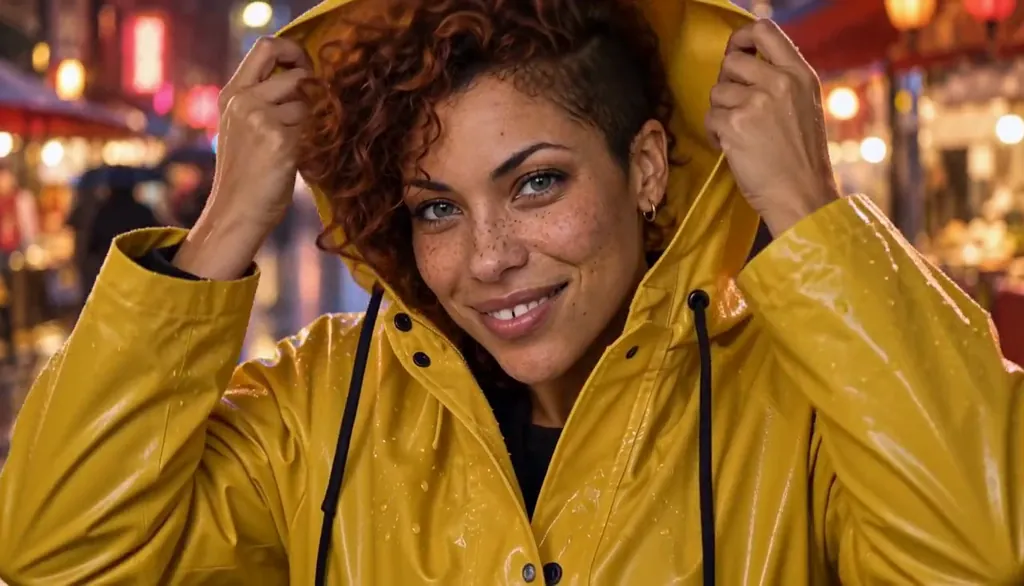
Juno, everywhere · Hi, I'm Juno. Made with H3 Turbo, the Clip model in Character App · fictional sample series “Locked” is the consistency contract
When you keep a Character’s look, the Locked pill appears — and that’s a contract, not decoration. The kept design becomes the reference: the same face structure, the same wardrobe, the same silhouette, reused as the starting point every time they appear in a Scene.
This is what separates a Cast from generated lookalikes. An unseated drawing can drift between renders; a locked Cast member has a canonical design the World treats as truth, and every draw starts from it.
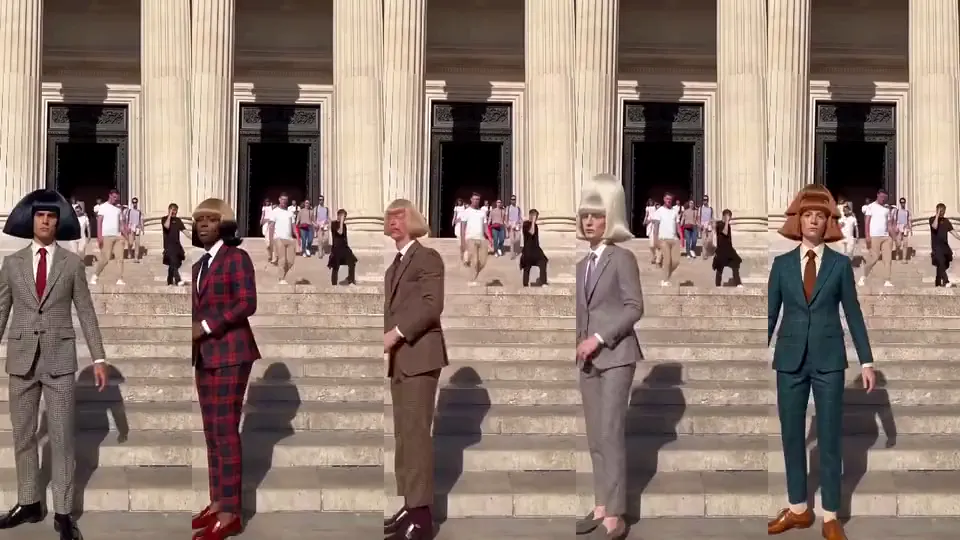
Jean Paul · The whole gang, on the walk. Made in Character App · H3 Turbo The drift check is the proof
Consistency claims are cheap; the check is whether it holds. Put the locked Cast reference beside a recent Episode still — the identity detail (the glasses, the scar, the haircut) should read identical in both frames, not approximately.
That comparison is what “on-model” means in practice: not similar-looking strangers episode to episode, but the same person the World drew last time. When a Scene draws a member, it’s working from their kept design — which is why the drift check passes.

Milo Fenn · character sheet. How a Cast keeps one face on-model in every Scene and Look. Made with gpt-image-2.5; a design reference, not an app export. Add members as the story needs them
A Cast isn’t fixed at first run. The dashed add slot seats someone new whenever the story calls for it — a rival in episode three, a love interest in episode five. They go through the same keep-the-look contract as the founding members.
One honest limit from the product: one Character a day is the free rhythm. Plan the additions the story actually needs rather than stocking a roster nobody uses — a Cast earns its seats by appearing in Scenes.

Milo Fenn · Milo, anime. Original character made for Character App’s character pages with gpt-image-2.5 and H3 Turbo One Cast, every Episode
The payoff is cumulative: the same faces in episode one, episode five, episode nine — not by luck but by reference. Each new Episode draws the Cast it already has, so the series accumulates people the audience actually recognizes on sight.
And because the Cast belongs to the World — not to one Episode — a member written out for a while stays seated in the row, ready to walk back into a Scene the moment the story wants them again.

Mika Solenne · Coffee first. Original character made for Character App’s character pages with gpt-image-2.5 and H3 Turbo
Common mistakes
Seating lookalikes instead of members. If a Character’s look was never kept, the World can’t reference them — the Locked pill is the difference between a person and a portrait.
Too many seats too early. A Cast earns members by the story needing them; five unused seats are five people the audience has to keep track of for no payoff.
Same silhouette, different names. Members who read alike at a glance blur together in fast Scenes — distinct silhouettes and one signature detail each keep the Cast legible.
Re-uploading the photo for every Episode. The photo’s job ended at the lock; the kept design is the reference now, and it’s more consistent than the original photo was.
Questions
How many people can be in a Cast?
First run seats up to five photos at once, and the add slot grows the Cast afterward — one new Character a day on the free rhythm. There’s no hard cap worth worrying about; the practical limit is how many people your audience can track.
Can a Cast member appear in more than one World?
Cast is seated per World — a member lives where their look is locked. The same person can be drawn again in another World, but each World keeps its own seated version and its own memory of them.
What if I want to change a member’s look?
The lock is the point, so treat it as canon — a haircut episode or a costume change is a story event, and the Bible can carry it. Deliberate change beats accidental drift.
Do Cast members remember what happened to them?
Their look is locked and their facts live in the World’s Bible; recent Episodes inform what the Director writes next. Memory belongs to the World — the Cast supplies the people it happens to.
Can I cast real people — friends, family?
Yes, with their photos and their consent — “Me and friends” exists for exactly that. Likeness is treated as permission, not raw material; the consent guide covers the guardrails.