Make your OC once, then give them a new outfit for every Scene
Make the Character first, then write each outfit as a new Look: an era, an occasion and a palette, with the face kept the same.
Free: your idea as a Story starring your Character, with Scene 1 filmed. A plan films every Scene.
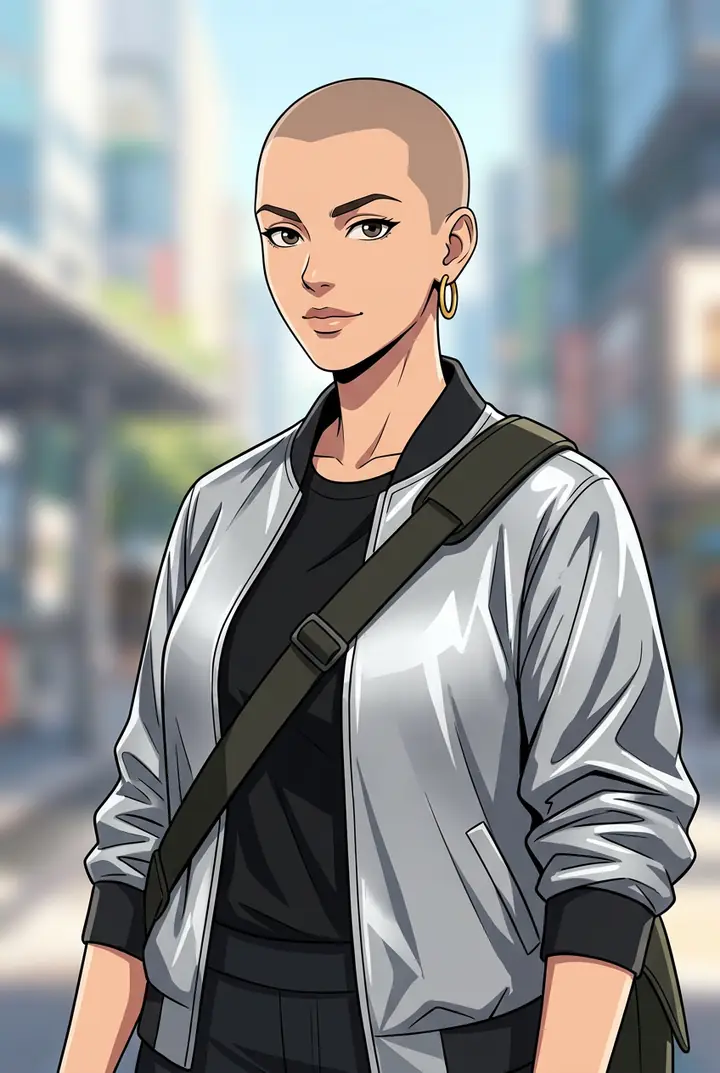
Tess, a tall courier woman in her thirties with a shaved head, a gold hoop earring and a silver bomber jacket over a black tee.
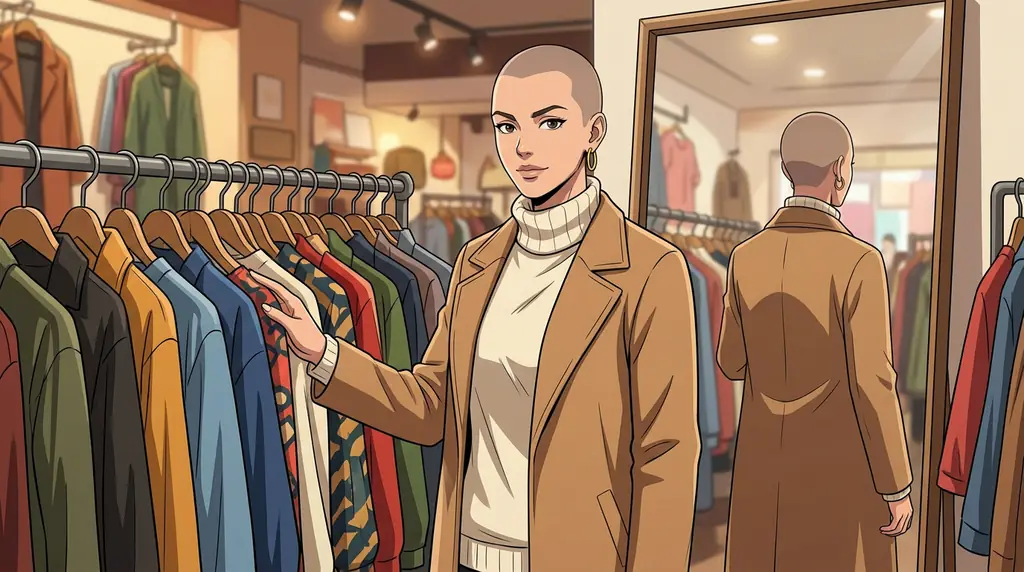 Second outfit
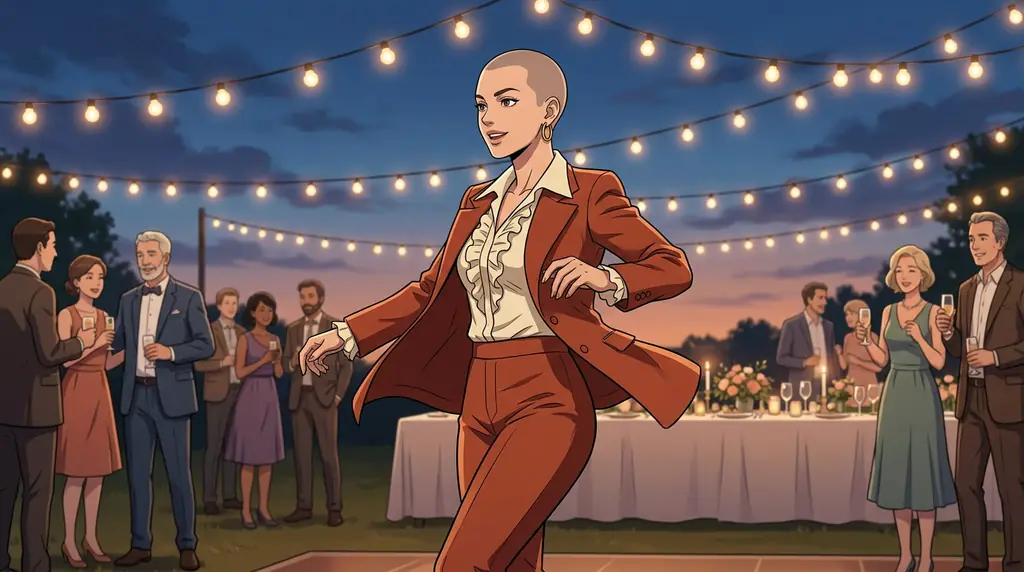 1970s wedding Look
How to make an OC outfit
Make your Character first: describe them in one line with the outfit they start in. Then give them a new outfit as a new Look of the same Character, written as three choices: an era, an occasion and a palette, such as 1970s, a wedding, rust and cream. character.app keeps the face, the hair and the build the same across every Look, so only the clothes change. Put each Look in the Scene that needs it, and film the Story as moving Clips.
By the Character App team · Updated · A 5-second Clip on HG H3 Max: about $0.62 (25 Credits) · Web and iPhone
At Starter’s price ($19.99 a month for 800 Credits); our arithmetic.
Looking for the general tool? Start with the AI character creator.
Same Character, new Scenes
Tess drawn once, then put into 3 more Scenes with the portrait as the reference, so the Character stays recognisable from one Scene to the next. The Studio's Cast works the same way: your Character's own pictures are the reference for every Scene.
01 Portrait
02 Second outfit
03 1970s wedding Look
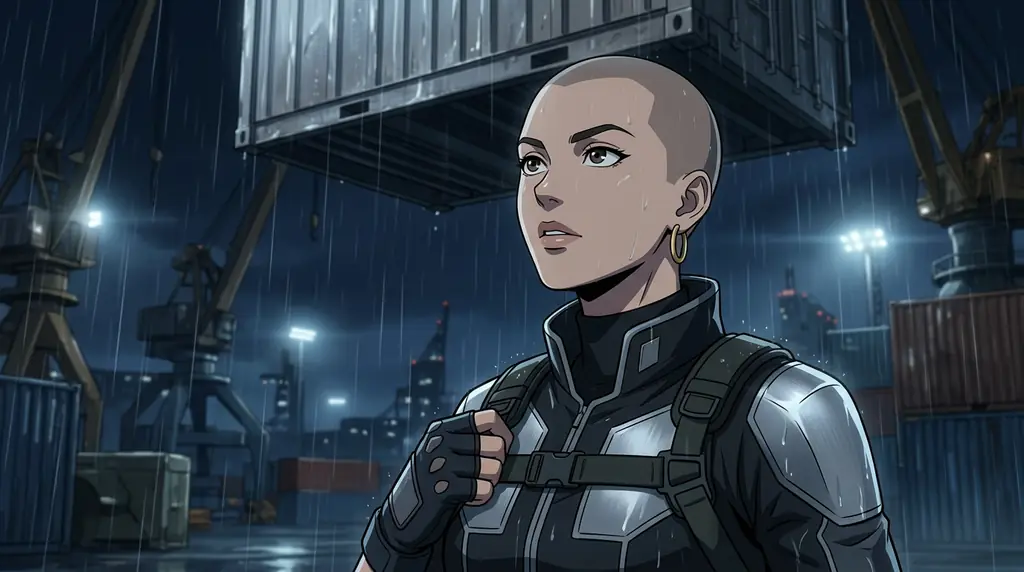
04 Far-future night shift
Example Character drawn for this page with Nano Banana 2.1, each Scene from the portrait as the reference.
A costume for the Scene, not a new Character
An outfit is a Scene's costume, not a new Character.
A base outfit
The clothes they wear when nothing special is happening. Every other outfit is a change from this one.
One thing that never changes
A ring, an earring, a scar, a hairstyle. One constant tells the audience it is still them in the ballgown.
An outfit with a reason
The wedding, the job interview, the winter, the disguise. The Scene asks for the outfit, not the other way round.
Roll an outfit: era, occasion, palette
Write every new outfit as three choices. The era: 1920s, 1970s, the far future, a medieval court, today. The occasion: a wedding, a battle, a first date, a funeral, a night shift. The palette: two or three colours, such as rust and cream, black and silver, mint and white. 'A 1970s wedding outfit in rust and cream' is one Look; 'a far-future night shift in black and silver' is another. Make each one a Look of the same Character, keep the one constant (the gold hoop earring) in every Look, and the face, the hair and the build carry over. Then put each Look in the Scene that needs it.
Kinds of outfit change
Pick why the clothes change.
The occasion
The same Character at work, at a wedding and on the beach. A slice-of-life Story.
The era jump
A time traveller in a new century every Episode, dressed for each one. Adventure.
The transformation
Day clothes to armour, uniform to ballgown. The change is the Scene.
Same face in every outfit
The common failure in outfit changes: change the clothes and the face changes with them. character.app builds each Character once and keeps them on-model across Scenes, Episodes and Looks, so a new outfit is a new Look of the same person, not a new person. Every Scene is filmed as a moving Clip, so the coat swings and the dress turns. Looks change the outfit and the style of a Character you have made; they dress your Character, not you.
8 OC outfit ideas to start from
Ideas to try once your Character is made. Type one in, or your own.
- 01Three WeddingsA wedding planner attends three weddings in one summer, in three outfits, and the same ex is at all of them.
- 02Time CourierA courier delivers one parcel to a different century every Episode, dressed for each one.
- 03UndercoverA detective needs four disguises in one night to follow a single suspect.
- 04The AuditionAn actor goes to five auditions in one day and changes in a taxi between each.
- 05SeasonsOne Character, four seasons, four outfits, one year that changes everything.
- 06Night and DayA banker by day and a club singer by night keeps the two outfits, and the two lives, apart.
- 07Royal FittingA palace tailor has to make the queen's coronation outfit in three days.
- 08UniformA new recruit tries on the uniform for the first time and is not sure it fits who she is.
From one line to a Character on film
- 1
Make the Character
One line for the face, the hair and the base outfit. The Character comes first.
- 2
Add outfits as Looks
Write each outfit as an era, an occasion and a palette, and make it a new Look. The face stays locked.
- 3
Film every outfit
Put each Look in the Scene that needs it, film the Clips and keep the take where the outfit lands.
Questions, answered
Still curious? Using your own photo and the guides go deeper.
Can my Character wear a different outfit in each Scene?
Yes. Make each outfit a Look of the same Character, then pick the Look for each Scene. The face stays the same.
Will the face change when the outfit changes?
No. Each Character is built once and kept on-model across Scenes, Episodes and Looks; only the clothes change.
Do I make the Character first?
Yes. Make the Character with a base outfit, then add new outfits as Looks.
How do I describe a new outfit?
As three choices: an era, an occasion and a palette, plus the one thing that never changes, such as an earring or a scar.
Can I copy an outfit from a famous film or brand?
Describe your own. Named costumes and brands belong to their owners; an era, an occasion and a palette are yours to pick.
What does it cost?
Free: your idea as a Story starring your Character, with Scene 1 filmed. A plan films every Scene. Today's prices are on the pricing page, and each Clip's Credits are on its button before you press.
More character types
Every character type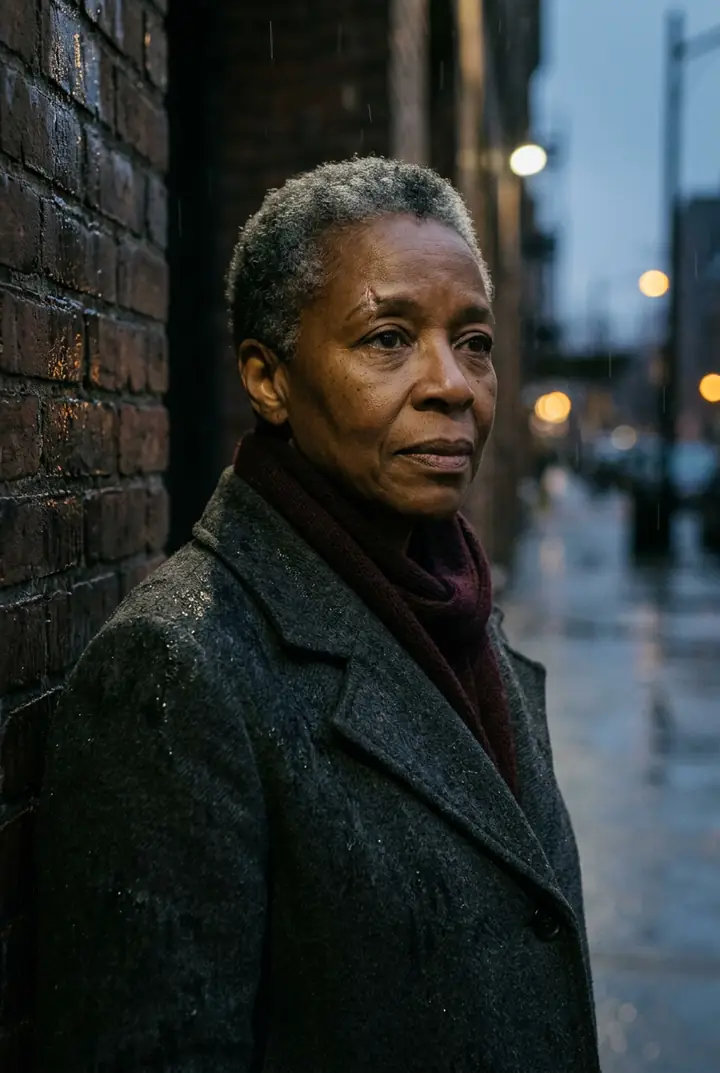
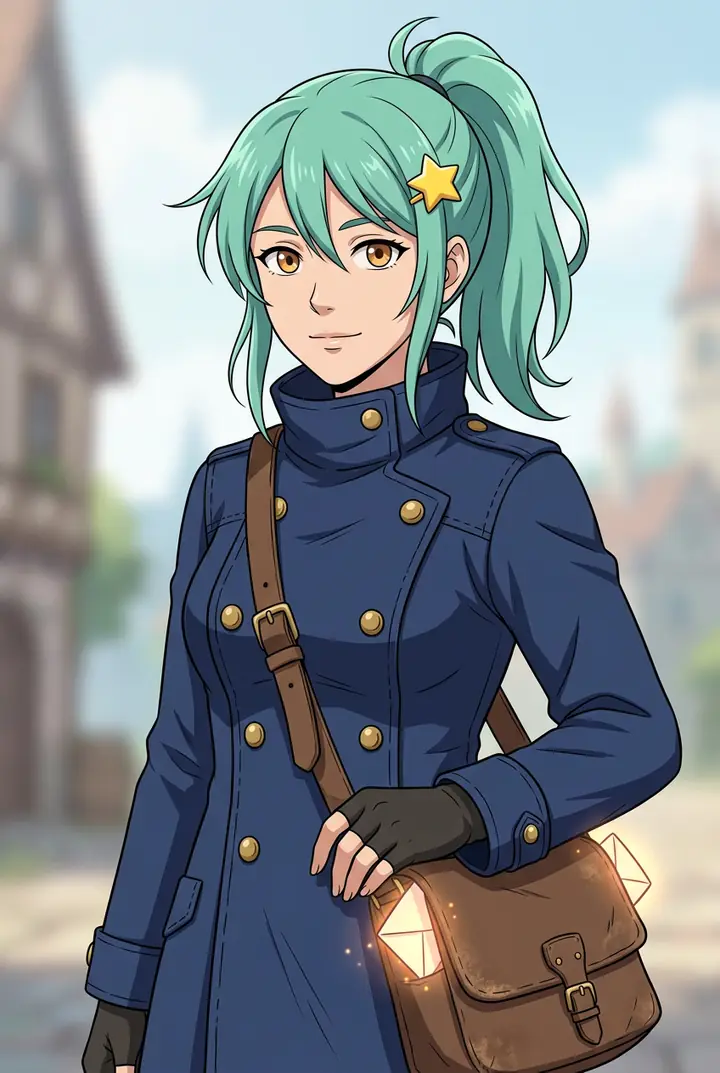
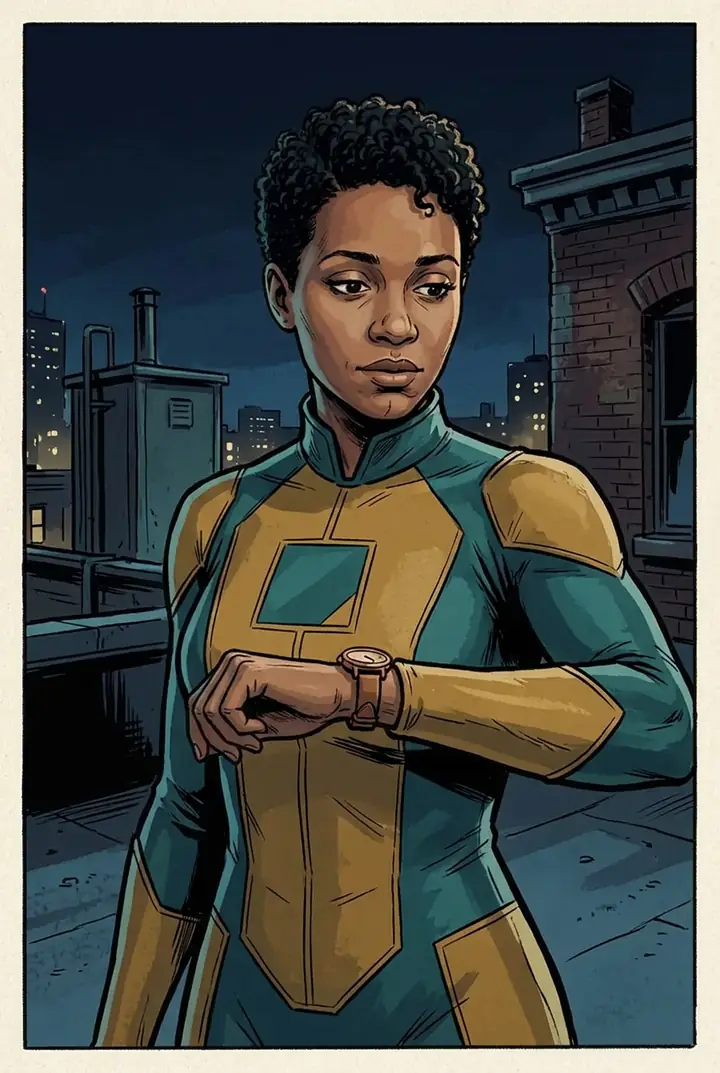
Make your OC outfit now.
Free: your idea as a Story starring your Character, with Scene 1 filmed. A plan films every Scene.