01
Use a four-part brief instead of a famous name
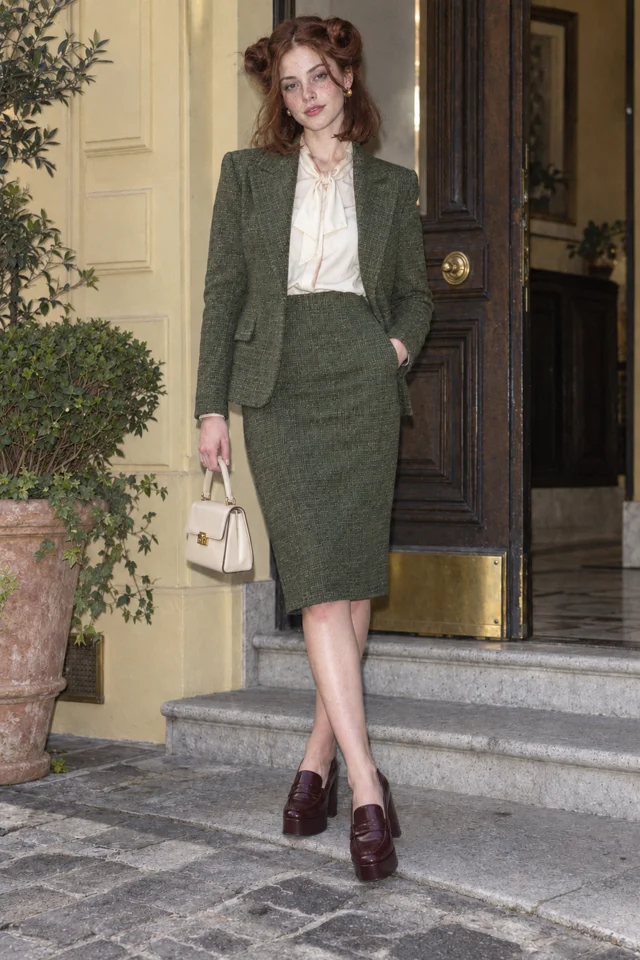
The structure is identity, silhouette, expression and repeated behavior. A starting Image brief might read: “Original fictional character Ivo Moss, a formal beekeeper with a broad lilac veil over a charcoal suit, narrow copper spectacles, calm attentive expression, full figure standing in a simple garden.” The behavior comes next: he treats garden insects like citizens at a town meeting.
This approach makes your intention visible and editable. Asking only for a named character leaves unclear whether you mean their face, clothing, attitude or joke. Choose the qualities you actually want and invent the rest. Name the face, the fit and the bit one by one, because a prompt that only says a name leaves the model to guess which part you want. Keep your Character reference once you select a design you want to continue.
The artwork is our concept example. Your edited brief opens the real Character form; no drawing starts here.
02
Try a human persona with a strong physical task
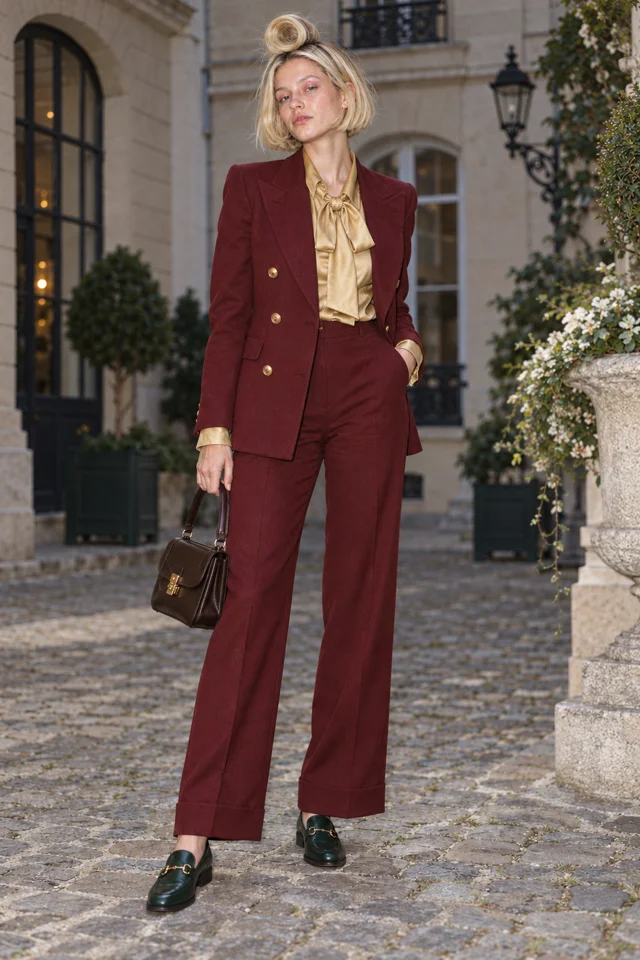
Prompt one: “Original fictional character Pippa Kestrel, an ice-rink usher in a forest-green tailcoat and cream mittens, neat angular hair, composed expression, upright posture beside an empty rink.” Clip premise: Pippa solemnly presents a reserved seat to a drifting snowball. The task gives the outfit a reason and makes the contrast concrete.
Prompt two: “Original fictional character Oren Pike, a harbor weather clerk with a rounded orange rain hood, navy overalls and small circular glasses, neutral concentrated expression.” Clip premise: Oren attempts to stamp an official approval on a passing cloud. Begin with the Character Image, then stage one clear action. Keep the scene simple enough that you can tell whether the intended joke happened.
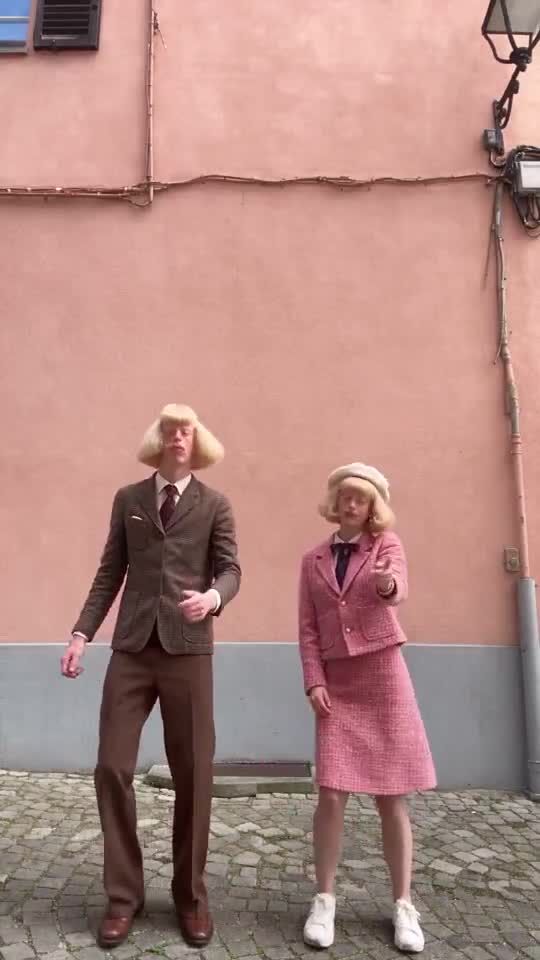 Observed reference · Jean + Clarabelle
03
Try a mascot or robot without losing the behavior
Prompt three: “Original fictional character Dot, a tiny brass robot librarian with a rectangular head, one softly glowing blue eye and short articulated arms, carrying an oversized return stamp.” Clip premise: Dot politely stamps a leaf before allowing it to fall. The design is nonhuman, but the belief is recognizable: everything must be properly checked in.
Prompt four: “Original fictional character Pebble, a broad round stone gardener with moss eyebrows, terracotta gloves and a striped canvas apron, gentle serious expression.” Clip premise: Pebble carefully waters an empty flowerpot while sheltering the watering can from rain. Existing original Beanie art demonstrates a simple mascot identity; your new mascot should have its own materials, proportions and repeated behavior.
Every entrance is a runway.
Live action selected for this walkthrough. Choose your Look in the app; this inspector keeps the original reference artwork.
04
Make the fifth brief a contrast test
Prompt five: “Original fictional character Vera Soot, a chimney inspector in an immaculate ivory coat, flat black cap and polished red boots, calm skeptical expression, standing beside a soot-covered doorway.” Clip premise: Vera wipes one invisible speck from her sleeve while leaving the enormous mess behind her untouched. The clean costume and dirty setting create a clear visual contradiction.
Now revise just one variable to test your intention. Put Vera in a dark coat while keeping the same scene. If the joke becomes harder to read, the contrast was doing useful work. This is a design comparison, not a demand for multiple paid attempts; you can evaluate the briefs and existing Images before deciding whether to make another result.
DIRECT YOUR ORIGINAL CHARACTER
Give your Character one clear action.
Open Playground to make a Clip with a Character reference of your own.
Open Playground ↗CREATOR WORKSPACE PREVIEW
Your Character. Their next move.
Give your original Character a face, a fit and a bit.
Pick an original cast concept to inspect.
01 · ORIGINAL CONCEPT
02 · YOUR CHARACTER
Original cast artwork for this guide. Selecting a concept does not generate a Clip or transfer a performance.
Create my Character ↗03 · CHARACTER PREVIEW
05
Revise the unclear part and review the price
If an Image loses a feature, name the missing feature directly: “the rain hood is broad and rounded, with the face visible beneath it.” If the expression is too theatrical, describe the quieter alternative. If a Clip has too many competing actions, keep the Character’s principal gesture and remove secondary events. A precise revision gives you a visible criterion for the next review.
Use words and Image references in the creation workflow available to you, and inspect the controls and displayed credits before making a result. These recipes do not promise a particular generation time, flawless identity or preservation of a source clip’s choreography. They are creative briefs for original characters. Keep media and likeness permissions in mind whenever you introduce real people or existing footage.
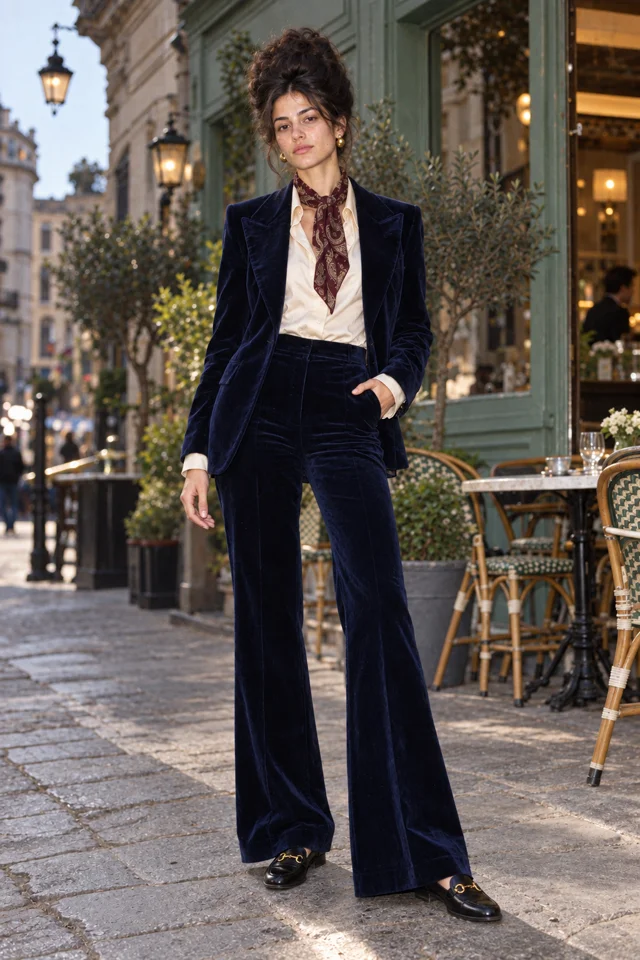
Keep it sharp.
- Using a named character as an exact likeness target rather than spelling out the creative qualities you want.
- Packing a prompt with incompatible expressions, outfits and actions.
- Changing the whole brief when a single missing visual feature needs correction.
Things you’re wondering.
Should the Character prompt include the entire Clip?
Separate the base design from the scene when possible. Establish the Character’s identity and Look, then describe the concrete action and setting for the Clip.
Can I adapt these fictional examples?
Yes. Change occupation, silhouette, palette and behavior to create your own identity. Keep the brief specific enough that you can review whether the result matches your intention.
Will one prompt guarantee the same character every time?
No. Reuse the chosen Character reference, preserve the important traits and review the output. The prompts provide direction and review criteria, not a guarantee of identical results.
Do these recipes need a specific model?
They describe creative intent in ordinary language. Use the models and controls available in the app, then judge the result against your brief and the price displayed before making it.