01
Write the repeat as a verb, not a biography
Nell announces destinations. That is an action you can stage and recognize, while “Nell is quirky” is a judgment that leaves the next Clip undefined. Her brief is “a formal lift attendant who believes every journey deserves an announcement.” A repeated behavior gives you a practical way to decide which ideas belong in the series.
Choose a behavior simple enough to fit one clear scene: presenting, inspecting, saluting, waiting or rearranging. Avoid relying on a long speech or a complicated transformation for the first attempt. Nell can raise a gloved hand and indicate a destination. A caption or later dialogue can help, but the basic contrast should be visible in the composition.
02
Lock the character, framing and beginning
For the first three Clips, keep Nell’s plum uniform, cream gloves and silver side-part. Give each premise a similar beginning: she stands at attention beside an ordinary passage. This is an editorial plan you control through references and review, not a guarantee that every generated detail will repeat automatically. Check each result against the same character brief.
Begin from your own Character Image of Nell. Save the chosen reference, reuse it for every Clip in the run and keep your written premise beside it while you develop the sequence.
03
Change one obstacle across three premises
Premise one is a picnic: Nell announces “top floor” while pointing to a hill. Premise two is a laundrette: she ceremonially presents an empty washing machine as a destination. Premise three is a beach: she holds the entrance open for a wave. Each idea changes the place and obstacle while preserving the same overly formal behavior.
Write each Clip in three beats: the ordinary place, Nell’s professional gesture, the unexpected response. At the beach, the wave ignores her invitation and reaches her boots. Keeping the ending concrete helps you evaluate the result. “Make this hilarious” gives you no observable target; “the wave reaches her immaculate boots” tells you what the scene should deliver.
DIRECT YOUR ORIGINAL CHARACTER
Give your Character one clear action.
Open Playground to make a Clip with a Character reference of your own.
Open Playground ↗CREATOR WORKSPACE PREVIEW
Your Character. Their next move.
Give your original Character a face, a fit and a bit.
Pick an original cast concept to inspect.
01 · ORIGINAL CONCEPT
02 · YOUR CHARACTER
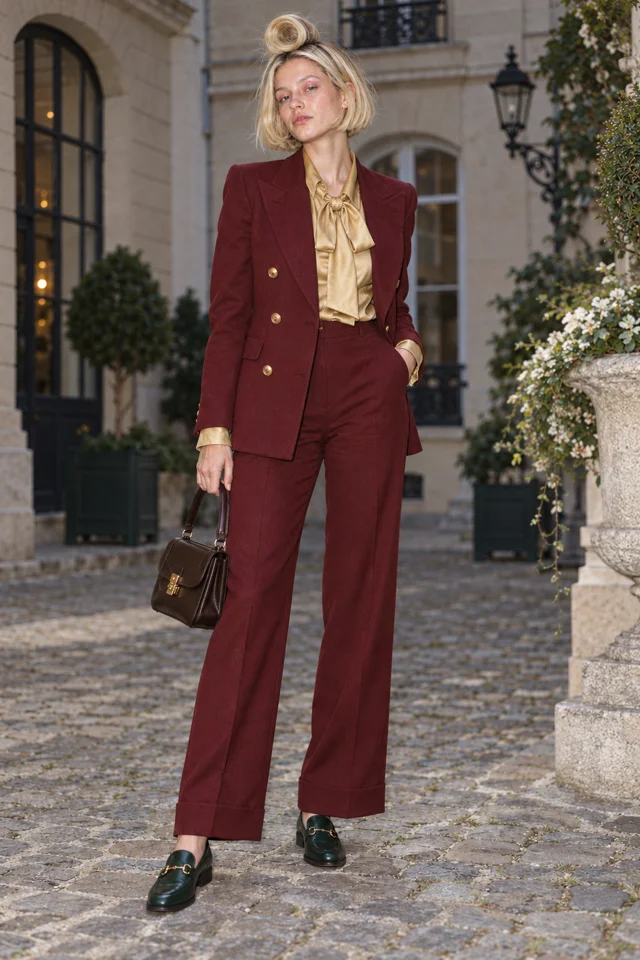
Original cast artwork for this guide. Selecting a concept does not generate a Clip or transfer a performance.
Create my Character ↗03 · CHARACTER PREVIEW
04
Make the third ending break the expectation
Repetition earns a payoff when the audience understands the pattern well enough to notice it changing. An alternative third Clip puts Nell beside an actual lift. For once, the place fits her job, but she refuses to enter because the passengers have no reservation. The break reveals that her real commitment is ceremony, rather than useful service.
You do not need to make every installment bigger. A smaller, more precise ending can work because the setup has taught the viewer what to expect. Write two possible endings for the third premise and choose the one that reveals something new about Nell. Keep the character recognizable even when the repeated action changes its consequence.
SCENE 1An entrance
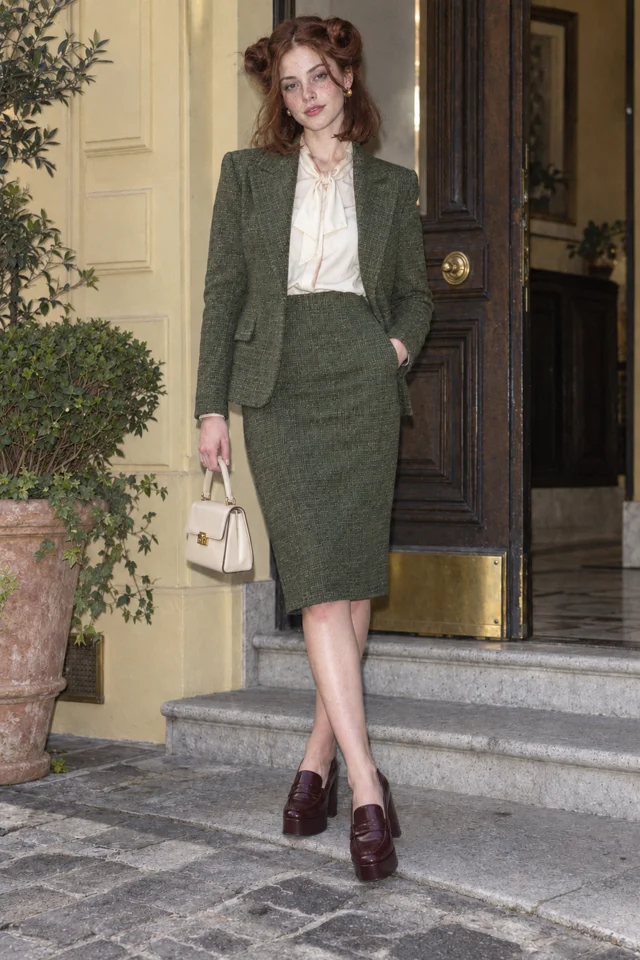
Lucie Loop makes a perfectly serious entrance.
 SCENE 2
A complication
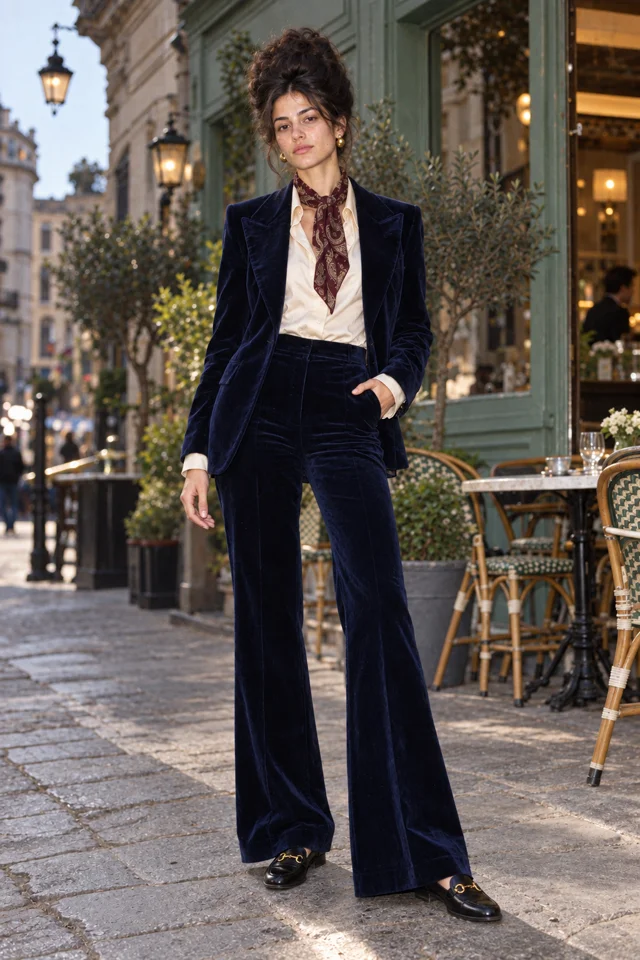
Ines Brume has already claimed the good chair.
 SCENE 3
A next episode
Sofia Velluto turns a small errand into a new episode.
Original artwork and illustrative Scene cards · not generated Film frames.
Start my World ↗05
Review the series as a group before exporting
Place the three selected results together and ask three questions: can I identify Nell without the title, does each premise communicate a different obstacle, and does the payoff make sense after the first two? If the character changes more than the situation, return to the reference. If every ending feels identical, revise the obstacle rather than the entire persona.
Make Clips using the controls available in your current Playground or Story workflow and read the price shown before each press. If you would rather start from a dance or shadowboxing clip than write the action yourself, open Star in a clip in the Playground, pick your saved Character and a template, and read the price shown before you press. When exporting, use media and sound you have rights to use. The sequence is a craft experiment; neither a recognizable character nor a posting schedule guarantees reach.
A RECURRING CAST · ONE REPEATED MOVE
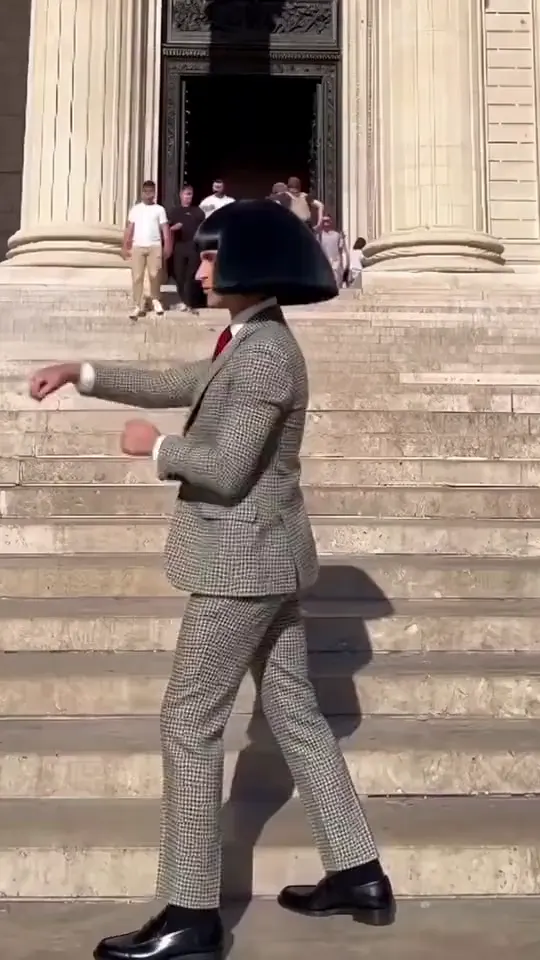
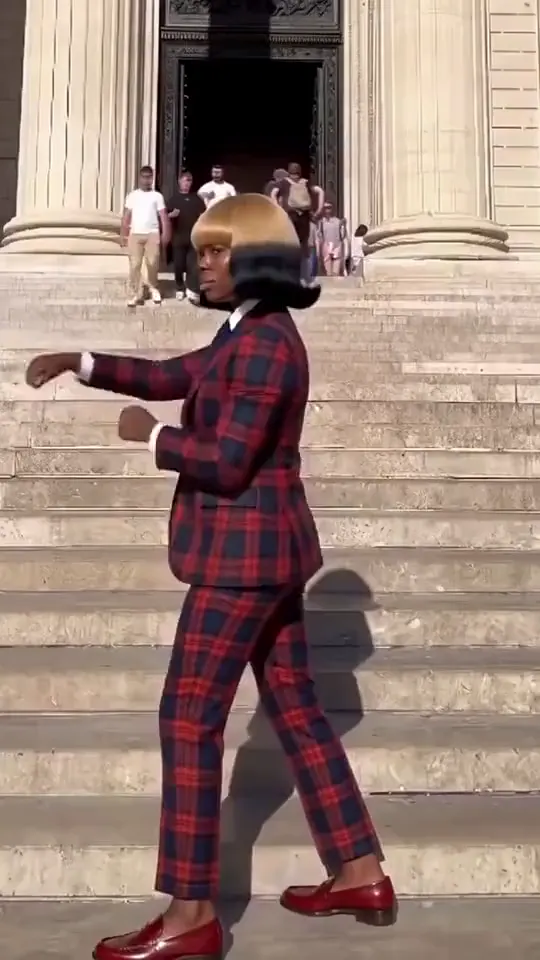
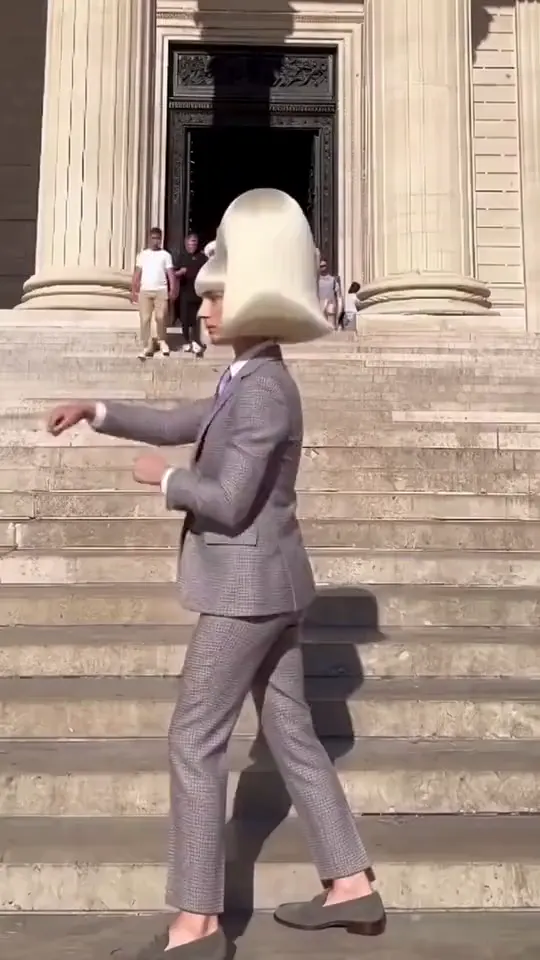
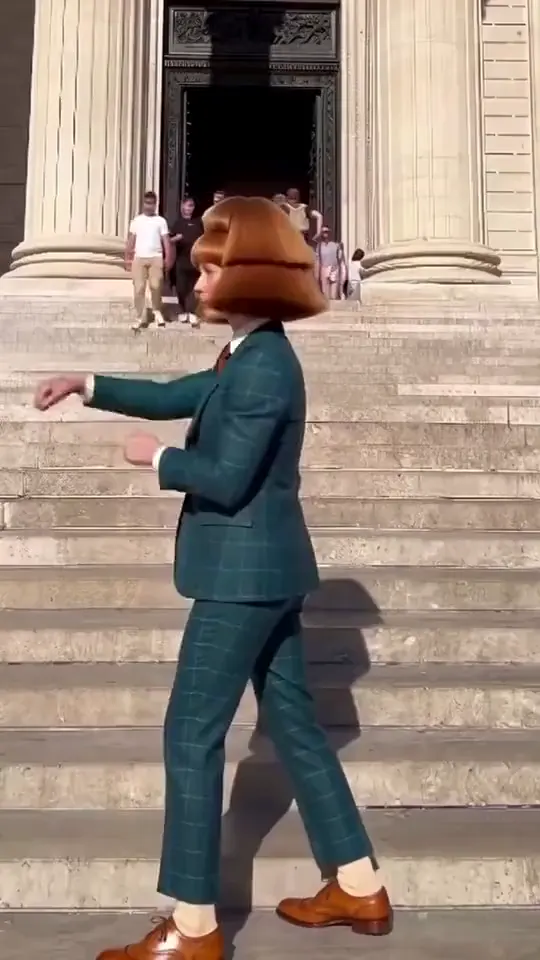
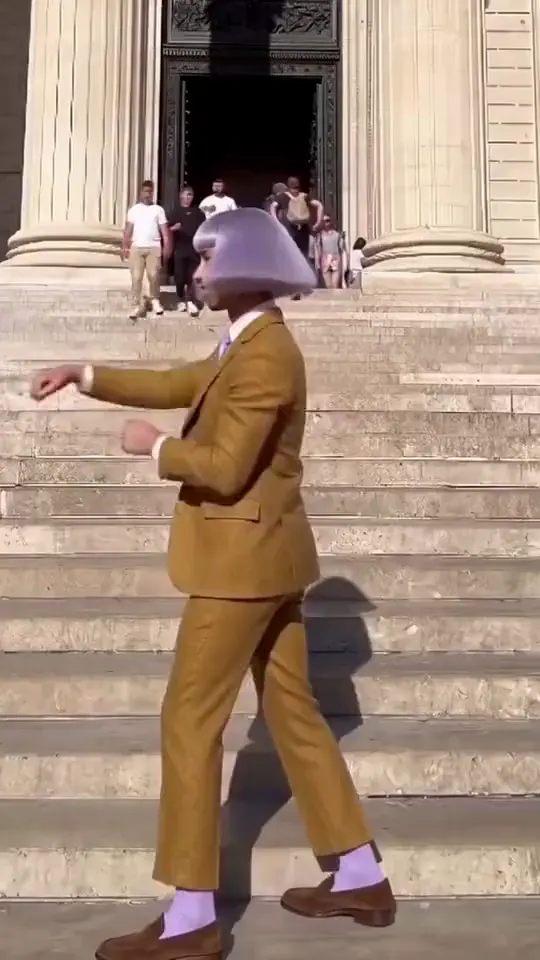
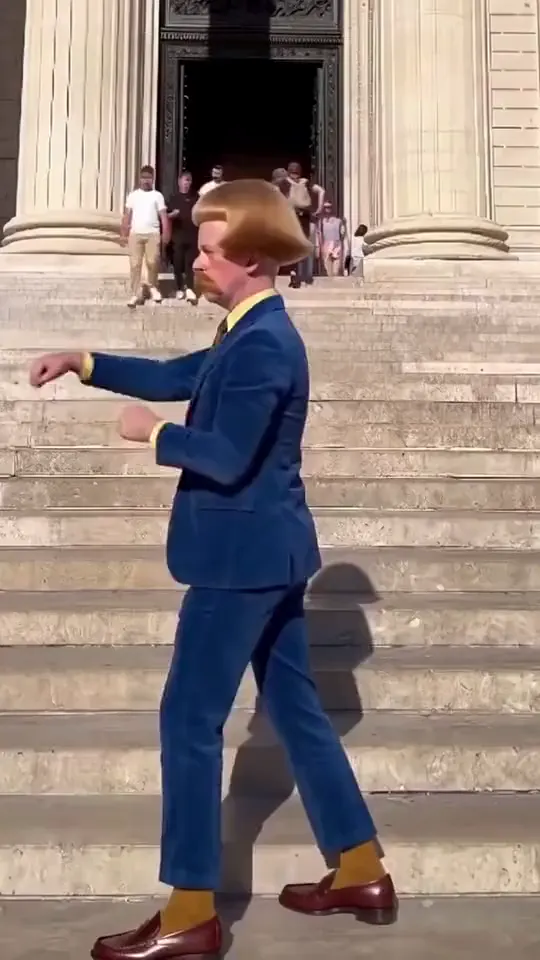
Six original Characters from the same cast, each doing the same move. Review them as a group, the way you would a series.
Keep it sharp.
- Changing the persona and the premise together so the installments no longer feel related.
- Repeating an action without giving each appearance a different obstacle.
- Treating a planned posting cadence as evidence that the series will attract an audience.
Things you’re wondering.
Does every Clip need the same opening?
A similar opening can help establish the first pattern. Once the Character is recognizable, you can vary the opening while keeping the central behavior clear.
Do I need trending audio for this method?
No. The visual premise should work on its own. Use sound you are permitted to use, and check the sound options available in the current creation workflow.
How many premises should I plan first?
Three gives you a setup, a repetition and a possible break. Planning those beats on paper helps before you decide which Images or Clips are worth making.
Is this a promise of viral growth?
No. It is a writing method for making a recognizable series. Audience response depends on many factors, and the examples do not establish reach or conversion results.