01
Give both rivals a reasonable goal
Ada wants the platform clear so the station runs on time. Basil wants the station beautiful so travelers feel welcome. Neither goal is absurd by itself. The comedy appears when each person treats their goal as more important than every other practical concern. They can return to the same conflict without becoming arbitrary enemies.
Write two beliefs: “a clear platform is a respectful platform” and “a flowering platform is a respectful platform.” The shared word matters: both think they are helping. That makes the disagreement richer than one sensible person reacting to one nuisance. You can stage new clashes by changing the object they both believe they are improving.

02
Separate their silhouettes and rhythms
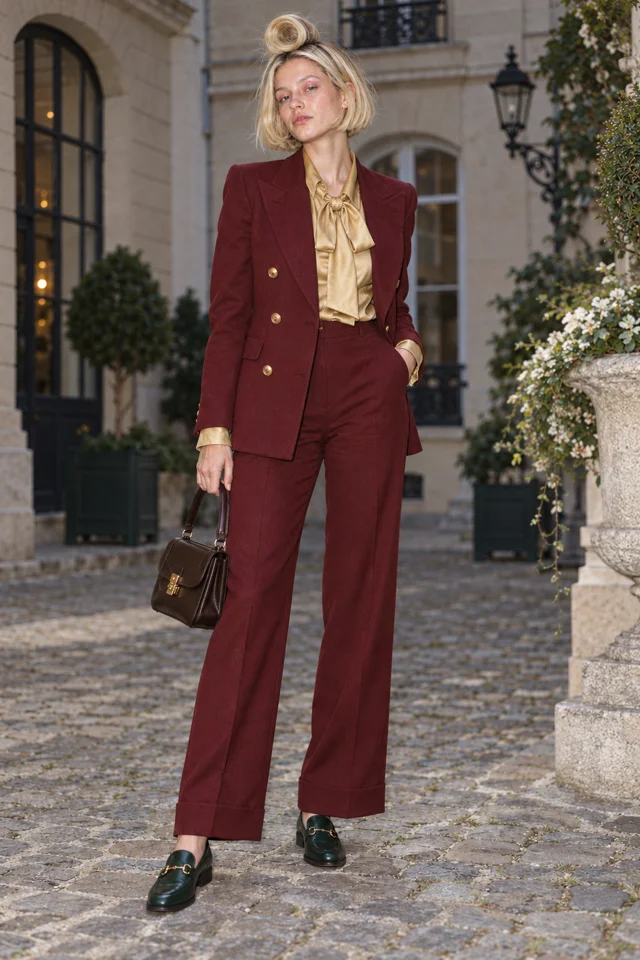
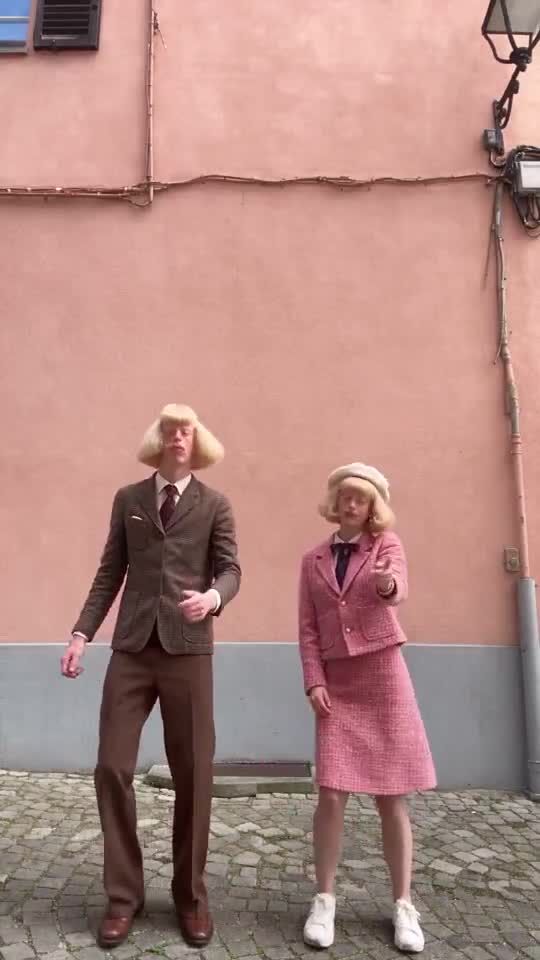
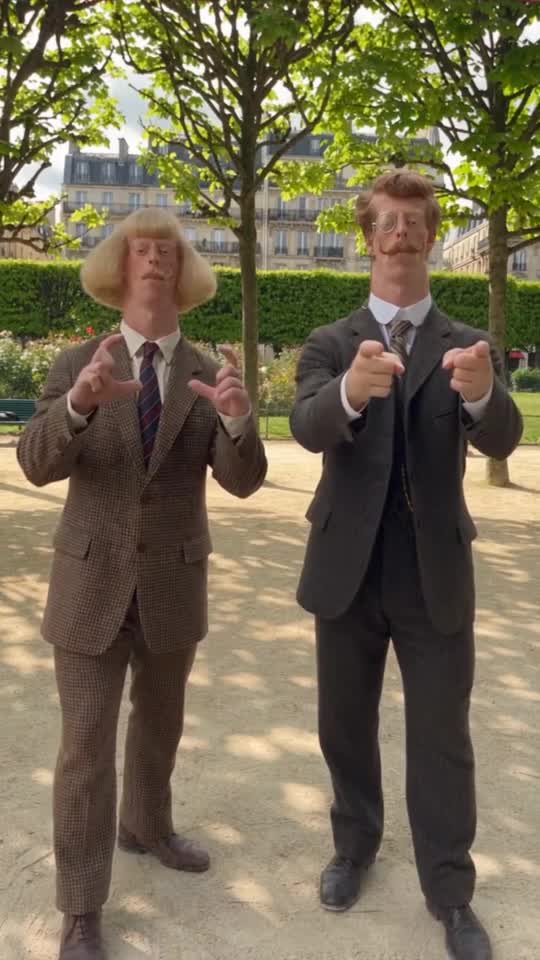
Ada has a straight crimson coat, a compact cap and a precise upright posture. Basil has a wide moss-green apron, a soft straw hat and an armful of flowers. Their shapes, colors and movements contrast before either speaks. Develop these as original fictional designs, so the two read as different people at a glance.
Make each Character on its own first. Save a reference for Ada and another for Basil, then review each result separately before you put them in a Clip together, so you know which design represents each person and can spot a mix-up.
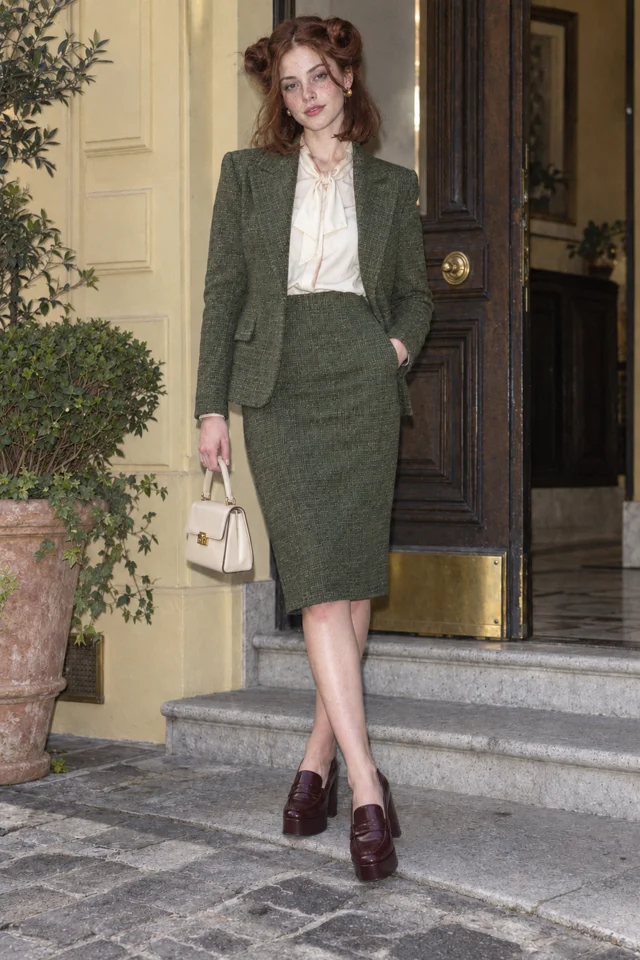
The artwork is our concept example. Your edited brief opens the real Character form; no drawing starts here.
03
Choose one shared place with a persistent constraint
Use a small platform with one bench, one station clock and a yellow safety line. The place makes the disagreement concrete. Ada needs the line visible; Basil keeps placing flower boxes near it. A stable location reduces the amount of explanation each scene needs and gives you recognizable objects that can become recurring joke anchors.
Keep the station fictional and the conflict modest. You do not need a real public figure, organization or event to give the rivalry stakes. Decide what neither character may change: the train schedule and the safety line. Those limits force them to invent solutions, which gives later episodes more material than a disagreement solved by moving everything away.
SCENE 1An entrance
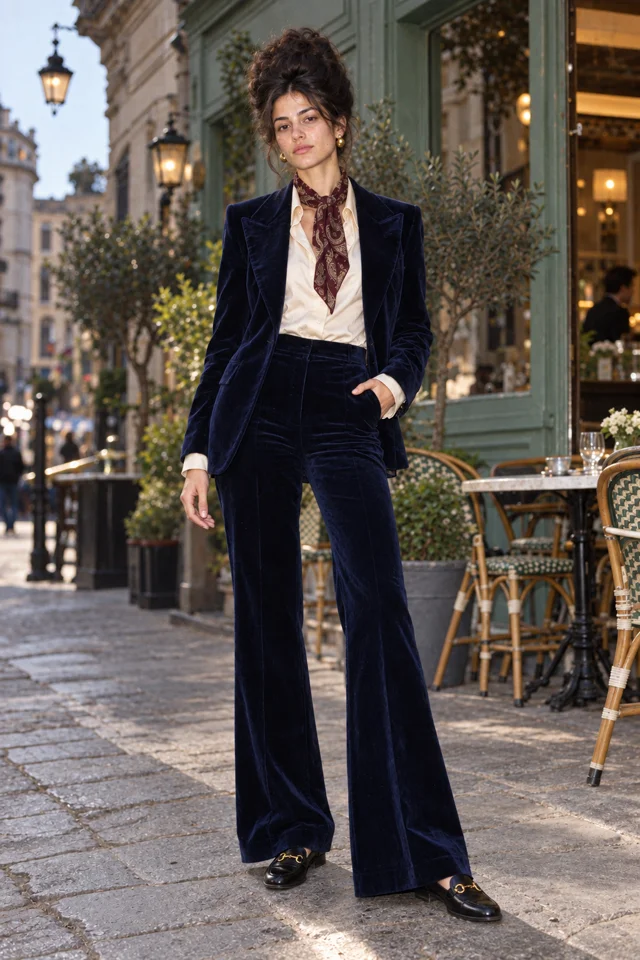
Ines Brume makes a perfectly serious entrance.
 SCENE 2
A complication
Sofia Velluto has already claimed the good chair.
SCENE 3A next episode
Sofia Velluto turns a small errand into a new episode.
Original artwork and illustrative Scene cards · not generated Film frames.
Start my World ↗04
Write three conflicts that exchange the advantage
In the first scene, Ada moves Basil’s flower box exactly one centimeter behind the line; he moves it back to balance the composition. In the second, Basil decorates the station clock and Ada trims the petals until the time is legible. In the third, Ada’s immaculate empty platform wins a cleanliness prize, and Basil supplies the celebratory flowers.
The advantage changes hands. Ada can be right about safety while Basil is right about hospitality. Give each person a scene in which their method works, then one in which it backfires. The rivalry will feel more generous and more reusable when both have competence. A relationship can carry repeated Clips because each result changes how they understand the other.
DIRECT YOUR ORIGINAL CHARACTER
Give your Character one clear action.
Open Playground to make a Clip with a Character reference of your own.
Open Playground ↗CREATOR WORKSPACE PREVIEW
Your Character. Their next move.
Give your original Character a face, a fit and a bit.
Pick an original cast concept to inspect.
01 · ORIGINAL CONCEPT
02 · YOUR CHARACTER
Original cast artwork for this guide. Selecting a concept does not generate a Clip or transfer a performance.
Create my Character ↗03 · CHARACTER PREVIEW
TWO RIVALS · TWO SILHOUETTES
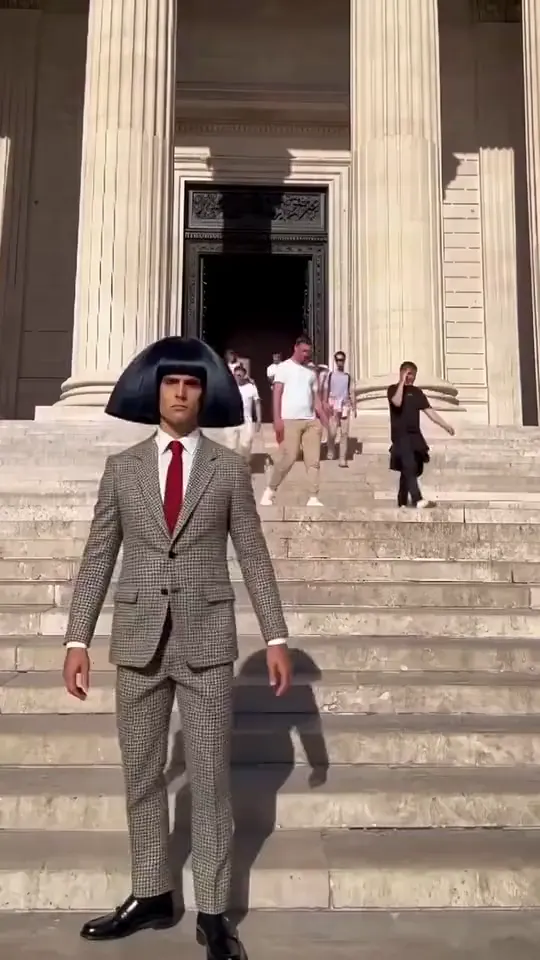
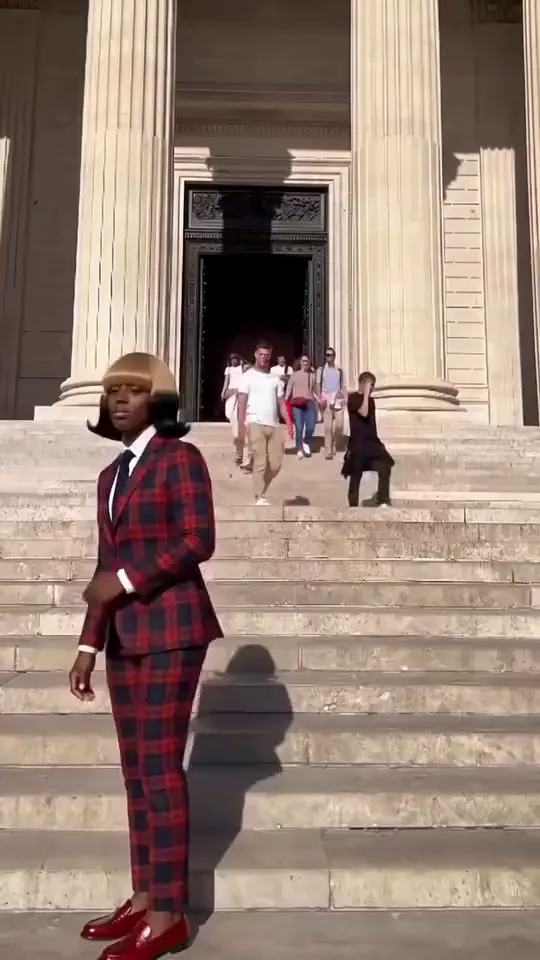
Corvin and Delphine are original Characters. Different silhouettes and a different rhythm make a rivalry readable.
05
Begin with separate moments, then grow the Story
You can introduce Ada and Basil through separate short scenes before attempting a shared scene. That helps you establish each visual identity and evaluate the joke without demanding precise two-person action in your first Clip. Character references support your direction, but review every result for identity, placement and whether the intended person performs the action.
A World is useful when the station, rivalry and recurring cast become one continuing Story. Record who wants what and what each has already conceded. Ask the AI Director for the next scene around a specific conflict rather than “more rivalry.” For example: “Basil must decorate without hiding the clock; Ada must accept one flower somewhere visible.”
Keep it sharp.
- Making one rival completely correct and the other merely irritating.
- Giving the pair matching silhouettes and asking captions to do all the identification.
- Inventing a huge conflict before establishing a small disagreement viewers can understand.
Things you’re wondering.
Should rivals look completely different?
Make them easy to distinguish, but let their designs belong to the same World. Differences in silhouette, palette and posture can be enough.
Does rivalry require a fight?
No. Opposing beliefs about a shared space, object or job can sustain a rivalry. Petty ceremonial conflicts are useful because each scene can remain short and concrete.
Can I introduce a rival without a shared scene?
Yes. Separate Clips can establish the opposing beliefs and designs. A later shared Story can bring the pair together once their identities and conflict are clear.
How do I keep the rivalry from repeating itself?
Change the object of the dispute and let each rival win sometimes. A concession or unexpected competence can create a new relationship beat without changing the premise.