01
Give the World one rule that makes scenes happen
Bellweather Quay’s rule is “every inconvenience deserves a ceremony.” A lost umbrella receives a public farewell. A broken bench receives a ribbon cutting after one screw is replaced. The rule does more than describe the atmosphere: it suggests what people will do when an ordinary problem appears. That is what makes it useful for recurring Stories.
Write the rule in plain language and add a boundary: ceremonies never solve the practical problem by themselves. Someone still has to find the umbrella or fix the bench. The boundary keeps the comedy from becoming a sequence of random spectacles. It creates tension between what the town celebrates and what its residents actually need.
02
Choose three places that serve different scenes
Begin with the quay, the station platform and the lighthouse entrance. The quay supports public gatherings, the platform supports arguments about timing and order, and the lighthouse supports solemn encounters with weather. Three locations are enough to suggest a larger town while giving your first episodes familiar geography. You can add places once a story needs them.
Describe each set through a few stable visual features. The quay has a blue railing and a tiny civic podium. The platform has a clock and flower boxes. The lighthouse has a brass bell and a meticulously straight doormat. Repeated features help you review continuity; they also give the audience concrete objects to recognize when a scene returns.

The artwork is our concept example. Your edited brief opens the real Character form; no drawing starts here.
03
Build a cast around conflicting interpretations
Celeste Brindle measures the inconvenience before a ceremony may begin. Basil Mott decorates the ceremony whether anyone requested flowers or not. Otis Vale welcomes attendees with the seriousness of a luxury hotel concierge. Each Character believes in the town’s rule, but each applies it differently. That shared belief lets their personalities clash without making every episode an argument about the premise.
Keep their design briefs separate: Celeste’s cobalt raincoat, Basil’s moss-green apron, Otis’s triangular navy cape. Use original Character references and review each Image. The point is recognizable people with reusable behavior; your names, silhouettes and relationships make the World yours.
SCENE 1An entrance
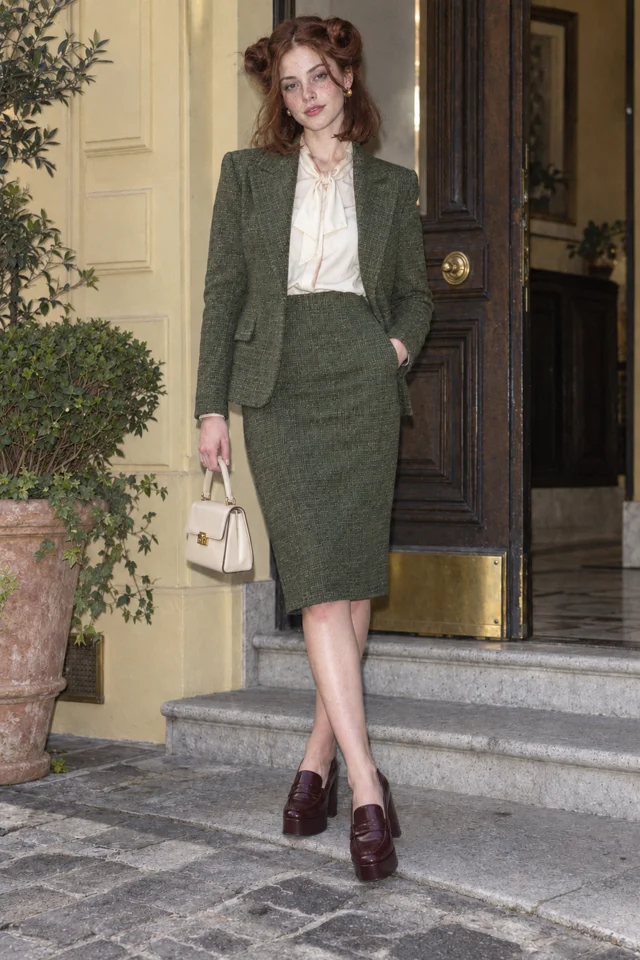
Lucie Loop makes a perfectly serious entrance.
 SCENE 2
A complication
Ines Brume has already claimed the good chair.
 SCENE 3
A next episode
Sofia Velluto turns a small errand into a new episode.
Original artwork and illustrative Scene cards · not generated Film frames.
Start my World ↗A CAST SHARING ONE PLACE
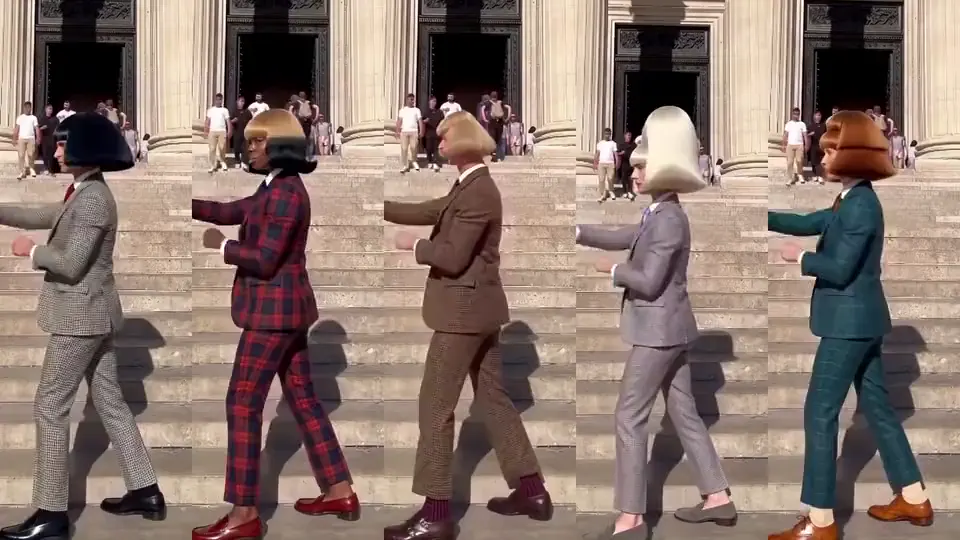
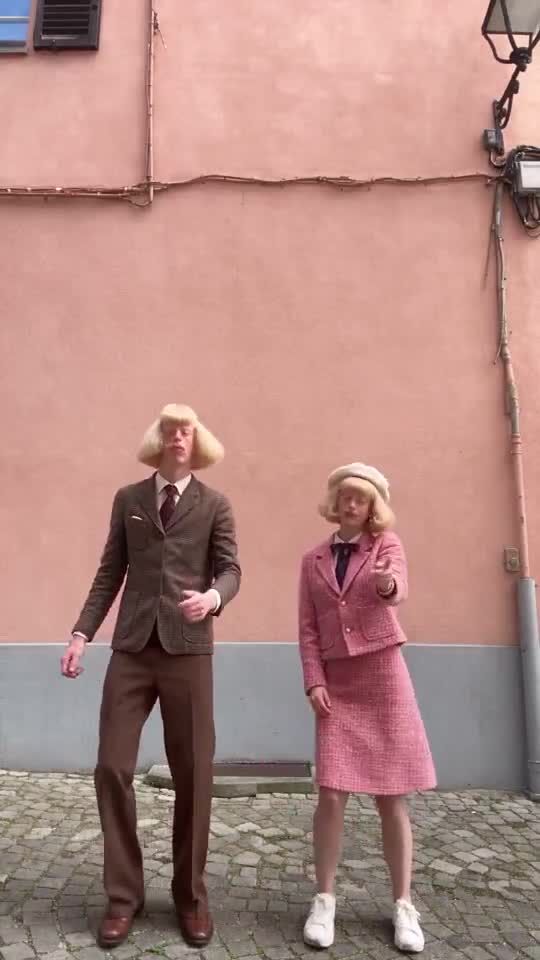
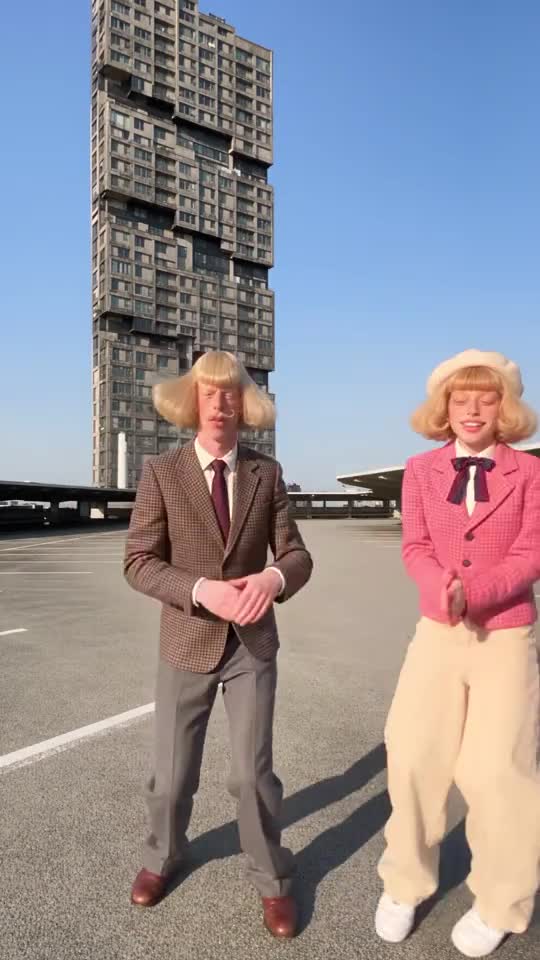
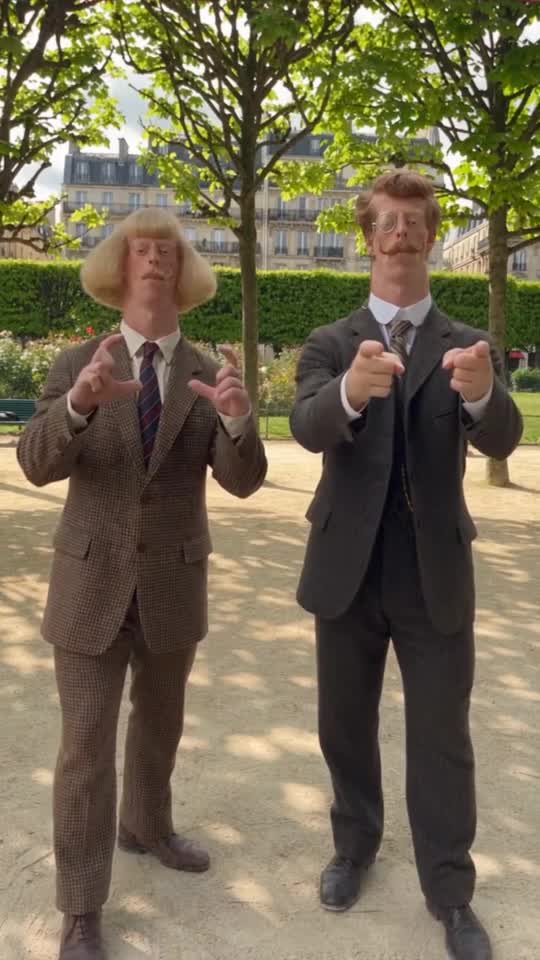
Jean Paul and his gang: one cast, one shared place, one move repeated across all of them.
04
Plan three episodes that test the same rule differently
Episode one celebrates the return of a missing umbrella, although three residents insist it belongs to them. Episode two dedicates a bench before anyone has checked whether it supports weight. Episode three welcomes a storm as an honored visitor, and the weather interrupts its own reception. Each story is different, but all follow the same ceremonial overreaction.
Outline a beginning, complication and consequence for each. In the umbrella story, Celeste measures the handle, Basil creates three identical bouquets, and Otis assigns the umbrella a guest room. The consequence is concrete: the ceremony ends with everyone sheltered beneath one disputed umbrella. A shared rule should help you write outcomes, not replace the need for an ending.
DIRECT YOUR ORIGINAL CHARACTER
Give your Character one clear action.
Open Playground to make a Clip with a Character reference of your own.
Open Playground ↗CREATOR WORKSPACE PREVIEW
Your Character. Their next move.
Give your original Character a face, a fit and a bit.
Pick an original cast concept to inspect.
01 · ORIGINAL CONCEPT
02 · YOUR CHARACTER
Original cast artwork for this guide. Selecting a concept does not generate a Clip or transfer a performance.
Create my Character ↗03 · CHARACTER PREVIEW
05
Write down what carries into the next Story
After the first episode, keep a short continuity note: the umbrella is still disputed, Celeste’s measurement method has become town policy, and Otis now considers lost property a class of guest. These details can generate the next episode. You do not need an encyclopedia of lore before the cast has done anything; preserve the facts that change relationships or future choices.
Use a World when you want the Characters, setting and Story to develop together, then give the AI Director a specific next premise. Review scene cards before filming and check the displayed price at the relevant press. Separate your written continuity intentions from the results you accept: a generated scene that changes a key fact should be revised before it becomes part of your ongoing story.
Keep it sharp.
- Building many locations before deciding which rule creates a scene.
- Treating an encyclopedia of backstory as a substitute for three workable episode premises.
- Giving every Character the same silhouette and the same joke, so the World has no contrast.
Things you’re wondering.
How is a World different from a single Character?
A Character can carry a short premise alone. A World connects Characters, places and Stories, giving recurring relationships and accepted events a shared setting.
How much lore should I write first?
Start with one rule, a few places, the cast’s conflicting goals and three episode premises. Add detail when a Story needs it or when an accepted event should affect what happens next.
Must every episode use the entire cast?
No. Give each premise the Characters it needs. A smaller scene can establish a relationship or rule clearly before the full cast appears together.
Can the World grow from Playground experiments?
Yes. Use the Characters and premises you decide to continue, then develop the setting and Story in a World. Check the accepted details rather than treating every exploratory result as continuity.