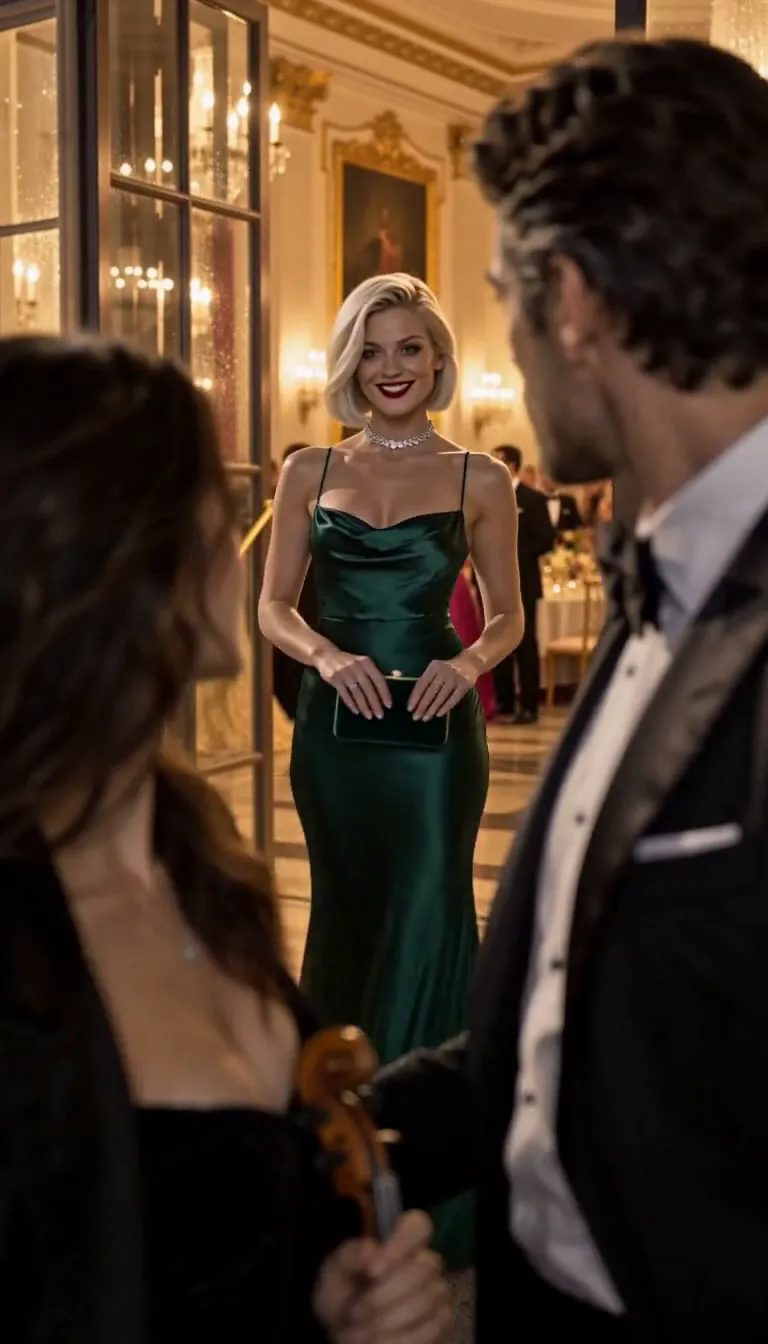


Same format, opposite sides of the glass
ReelShort and DramaBox sell you the glass side: shelves of vertical drama — billionaire revenge, secret heirs, werewolf vows — cut into dozens of one-to-two-minute episodes. Character App hands you the other side: the same 9:16 shape, but the show is one only you would pitch.
Nothing about that is a knock on the catalogs — they’re built for a real appetite, and their homepages prove the genre works. The question this page answers is which appetite you actually have: the next fix of somebody else’s cliffhanger, or your own.

Second Dance · We were twenty-two. Made with H3 Turbo, the Clip model in Character App · fictional sample series What a watch catalog is for
The catalogs are engineered for the binge: trope tags like CEO, Revenge, and Strong Female Lead work like genre rails, and episode counts in the high dozens are a promise — there is always another part. You pay in attention and unlocks; the shows arrive finished.
Use them for what they are: the fastest way to learn the genre’s grammar. Watch three episodes of anything trending and you’ll feel the shape — cold open, escalation, cliffhanger — that every vertical drama, including the one you might make, runs on.

Delphine Okafor · Keep the ring. Original character made for Character App’s character pages with gpt-image-2.5 and H3 Turbo What making your own changes
Making flips every term. The Cast is yours — faces you chose or invented, on-model in every Episode. The World is yours — it remembers what happened, so episode ten knows what episode two did. The cliffhanger is yours — you decide what it hides and when it pays off.
And the premise is the part no catalog can sell you, because the premise is the point: the story about your office, your town, your friends — the one that doesn’t exist on anyone’s shelves because you haven’t made it yet.

One More Thing · The envelope. Made with H3 Turbo, the Clip model in Character App · fictional sample series What the money buys in each
In a catalog, spending buys access — more episodes of their shows, faster. In Character App, spending is production: Images and Story draws run on Credits or the daily Lite allowance, and plans from $19.99 a month unlock Clips and Film — the moving layer of your own series.
Both models can be fair; they just buy different things. One buys the next chapter of a story someone else wrote. The other buys the footage of yours — and the free Studio (a World, a Character a day, four Lite Images, Story drafts at zero Credits) costs nothing to test.
If you only take one step
Do both tonight. Open a catalog and watch one episode of whatever’s trending — feel where the cliffhanger lands and what it made you want. Then open the free Studio and make one Scene of the drama only you would write.
If the watching satisfied you, the catalogs are excellent at exactly that and always will be. If watching made you think "I’d have ended it differently" — you’re a maker, and the fix is a text field, not a subscription.
Common mistakes
Assuming the catalogs let you make shows. They don’t — both are watch-first products; there’s no Cast builder or Director surface on either public site.
Thinking making means a crew and a budget. The free Studio is one text field and a photo — the catalogs’ genre grammar is learnable by watching, and the tooling carries the rest.
Paying for episodes before checking the free path. Browse the catalogs free; build your first World and Scene Images free — spend only after you know which urge you’re feeding.
Writing your own show "someday" while finishing theirs. The catalogs never run out of episodes; that’s the design. Making starts the day you describe the premise.
Questions
Are ReelShort and DramaBox free?
Their web catalogs browse free — we checked. Watching full series runs through their apps. Character App’s making side is also free to start: a World, a Character a day, four Lite Images a day, no card.
Can I make a vertical drama myself?
Yes — that’s the point of Character App’s vertical-drama spoke. Describe the premise, build the Cast, and direct Episodes in the same 9:16 frame the catalogs use.
Is my own series as long as a catalog series?
Length is your call — a catalog run is dozens of short episodes because that’s their business model. Your series can be one Episode or a Season; the World keeps continuity either way.
Do I need to pick just one?
No — watching and making feed each other. The catalogs are the genre’s reference shelf; the Studio is where the grammar becomes your show.
What does making cost after the free tier?
Images and Story draws use Credits or the daily Lite allowance; plans from $19.99 a month unlock Clips and Film. Every priced press shows its exact Credit cost before you make it.