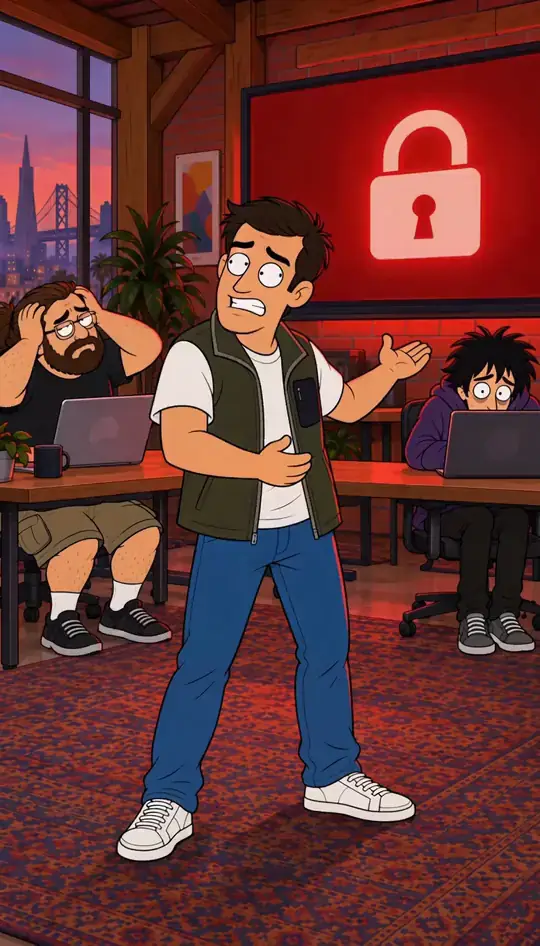
Series means more than a second clip
The word "series" is doing all the work on these pages. A real series needs three kinds of memory: the people (same faces, same costumes), the place (a World that knows its own rules), and the plot (episode ten aware of episode two). A tool that only remembers your last prompt makes clips with numbers on them.
Character App keeps all three — the Cast is saved, the World persists, and the Director carries continuity forward. Anijam describes a persistent cast and season outlines. Frameo claims character continuity for its episodic flow. Whatever you choose, make episode two before you pay for episode one.
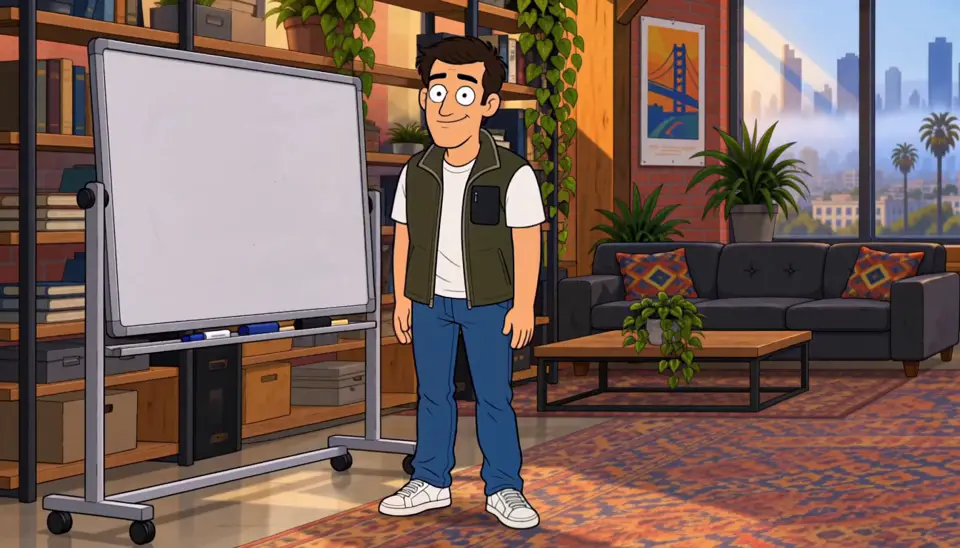
Roommates & Rent · Episode 1: Rent Is a Suggestion. Made with H3 Turbo, the Clip model in Character App · fictional sample series How each tool keeps a character
The mechanism matters more than the claim. Character App’s Cast is an asset you build once — from a photo or a description — and every Episode draws it on-model, with drift checks as part of the craft. Anijam says its cast is stored as a project asset rather than a re-generated image. Frameo’s page asserts continuity without describing the mechanism.
Ask any generator one question: where does my character live between sessions? "In a saved asset" is a series tool. "In the prompt" is a slot machine — every render rolls the face again.
The line it came from: Three friends, one AI startup, one rate limit.
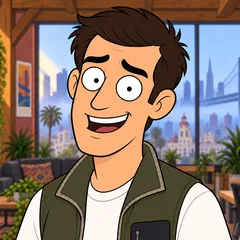 MilesFounder
 DevEngineer
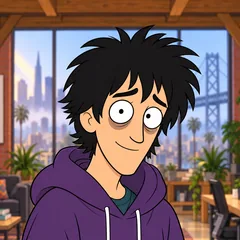 WizProdigy
Rate Limited · one line, and the Cast it drew: three Characters who keep their faces in every Episode. Our own fictional sample series, made in Character App. How much directing you actually do
These tools split on who holds the clipboard. Character App gives you the Director surface — write the line, get Scenes and Takes, retake what doesn’t land. Anijam’s agent writes scripts and shot lists that you adjust in a timeline editor. Frameo handles sequencing and pacing after you describe the episode.
Agent-first tools trade control for speed — fine for volume, thin for intention. If you have opinions about the third shot, pick the surface that lets you have them.
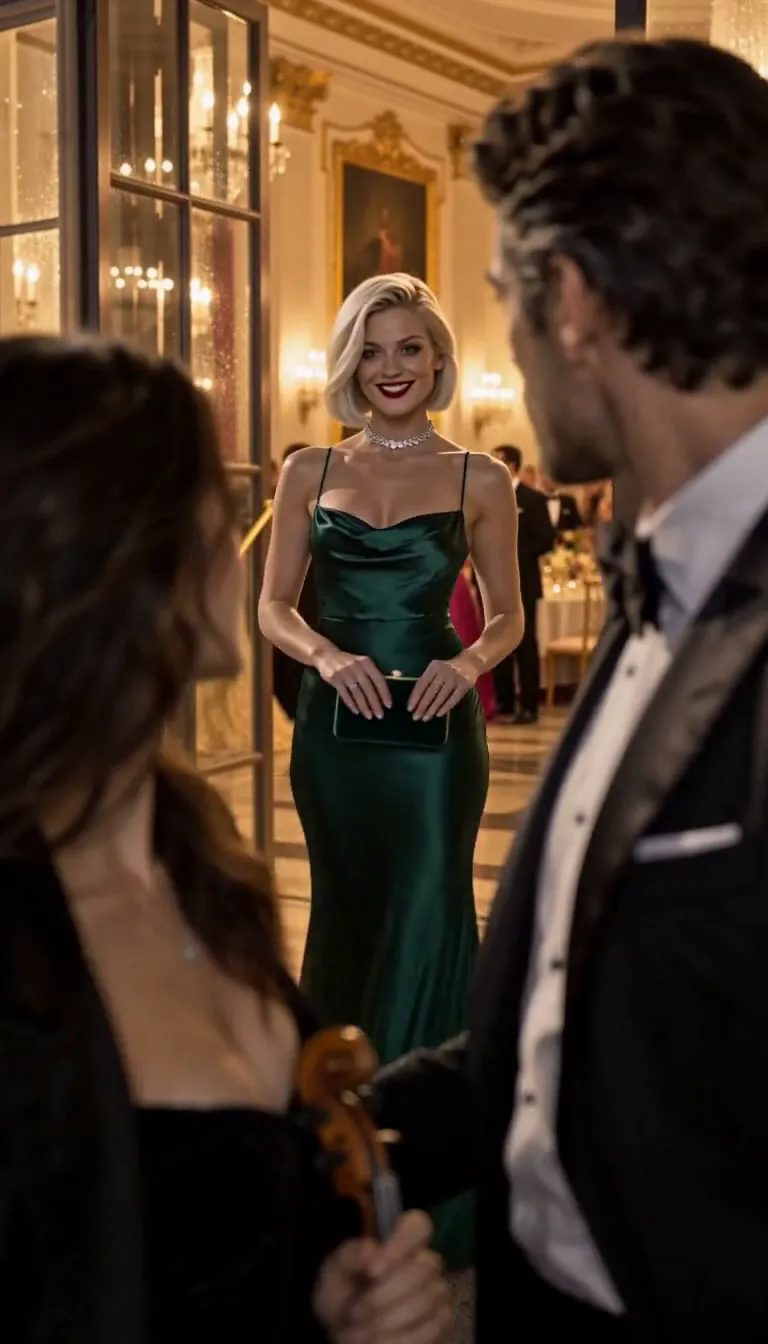
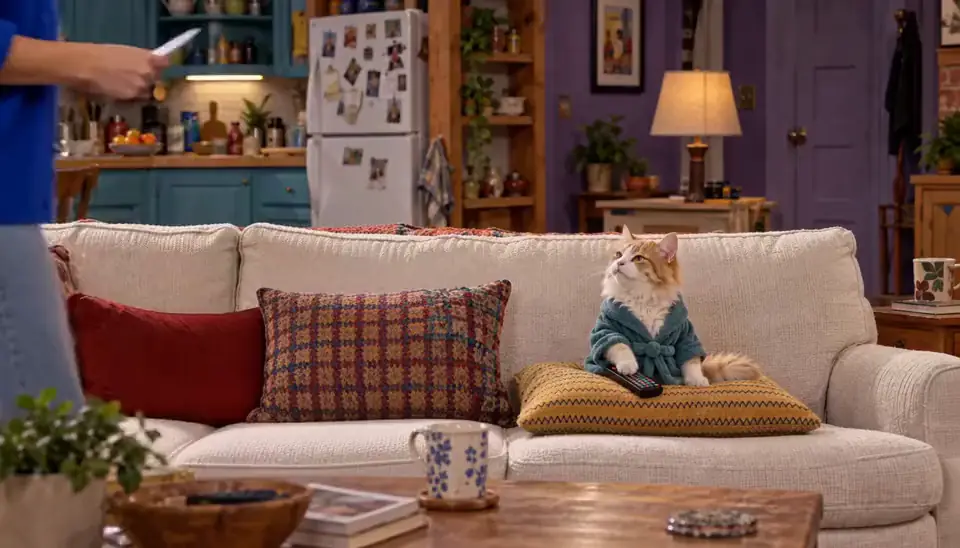
Midnight Sonata · Your fiancée is getting cold. Made with H3 Turbo, the Clip model in Character App · fictional sample series Where the episodes can go
Frameo exports for social platforms; Anijam publishes episodes to YouTube, TikTok, and Instagram and ships a synced mobile app. Character App plays where it’s made — on the web and the iPhone app — in 9:16 for phone-first audiences and 16:9 for shared screens.
Decide whether you want a publishing pipeline or a home. Export tools assume your audience lives elsewhere and your job ends at the file; a Studio assumes the series lives with you and travels only when you take it somewhere.

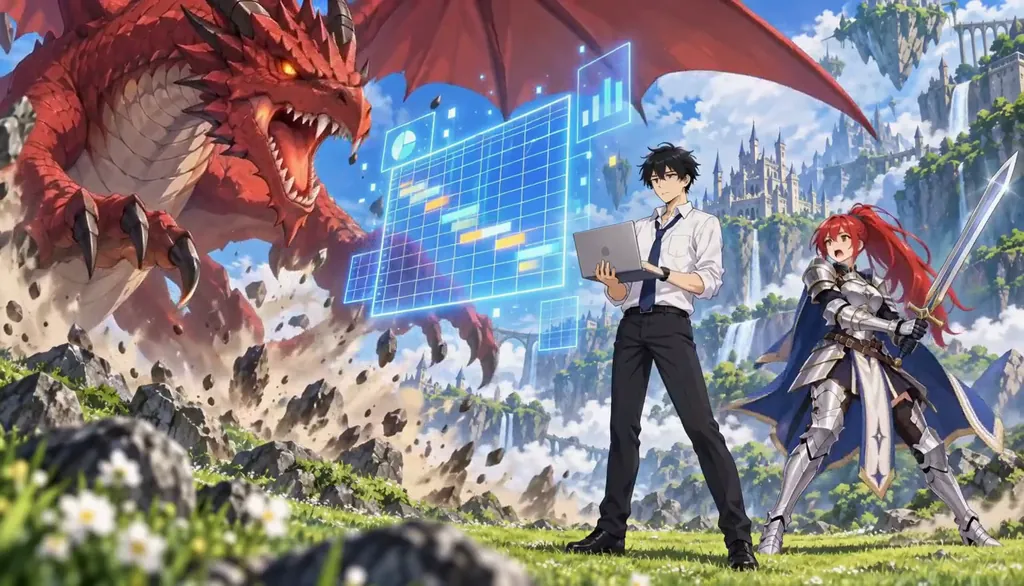
Emberwing · Emberwing. Made with H3 Turbo, the Clip model in Character App · fictional sample series Make one free Scene before you subscribe
All four tools here advertise a free start on their own pages. Character App’s free Studio covers a World build, a Character a day, four Lite Images a day, and Story drafts at zero Credits — enough to produce one real Scene today.
That Scene is the only honest benchmark: if it looks like the start of a show you’d keep making, the subscription question answers itself. If it looks like a demo, no plan price fixes that.
Common mistakes
Believing "series" on the strength of one clip. The claim is only checkable at episode two or three — make them before paying for anything.
Confusing a template library with a cast. Trending formats are not your characters; ask where your character lives between sessions.
Letting the agent make every call. Auto-sequencing is fast but flat — if you have opinions about shots, choose a tool with a directing surface.
Subscribing before a free Scene exists. Three of these four tools start free — the finished free Scene is the only benchmark that isn’t marketing.
Questions
What’s the difference between an AI video generator and a series generator?
Memory. A video generator renders a prompt; a series generator keeps the cast, the world, and the story between renders. Check whether your character is a saved asset or a re-rolled image.
Which of these keeps characters most consistent?
Character App and Anijam both describe the durable mechanism — a saved, persistent cast rather than a prompt trick. Frameo claims continuity without describing the mechanism on its page.
Can I write the episodes myself?
In Character App, yes — you write direction lines and the Director turns them into Scenes and retakeable Takes. Anijam accepts a pasted script too; Frameo starts from your idea or script text.
Do these tools make full-length TV episodes?
They’re built for short episodic work — Frameo says so plainly on its page. Character App’s long-form unit is the Season: connected short Episodes with continuity, not a single 22-minute render.
Which should I try first?
Whichever free path produces a finished Scene you’d actually keep. In Character App that’s a World, a Character, and Lite Scene Images — no card, today.