01
Pick the contour before the tiny strands
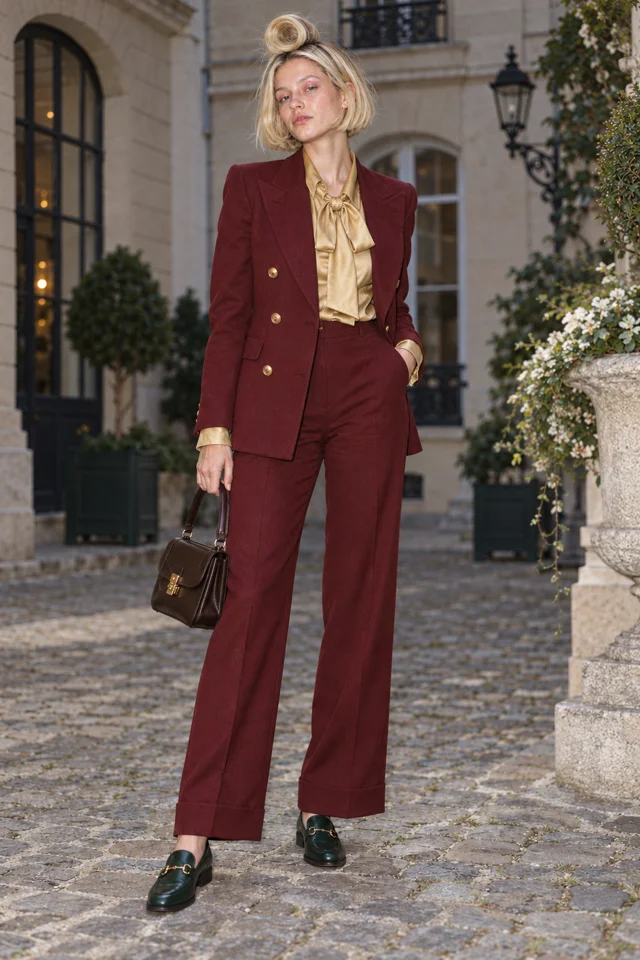
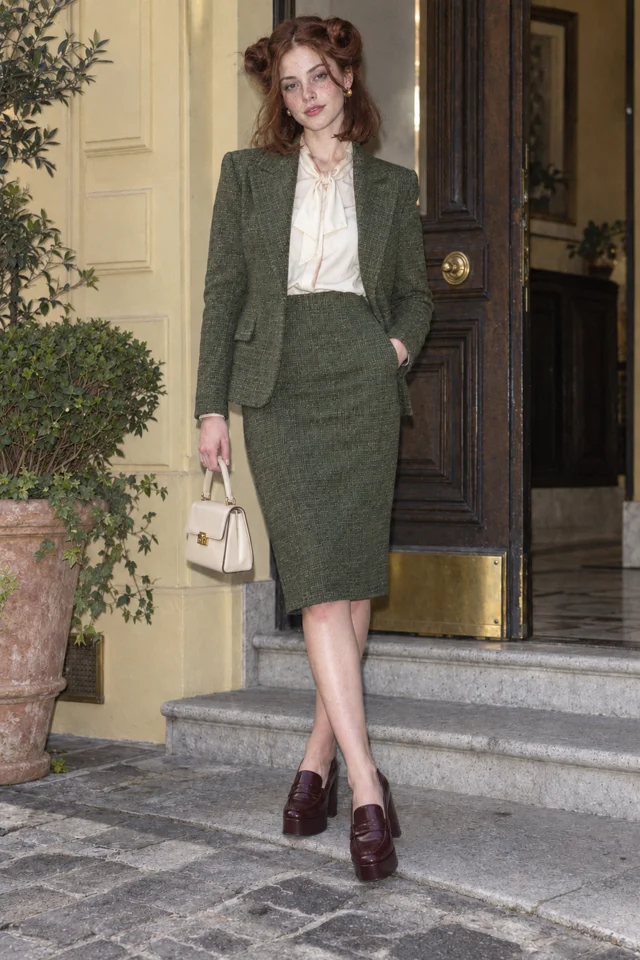
Think about the outline you would recognize in a small picture. Lucie’s arched-loop bob puts a clear loop above the forehead. Ines’s oversized pin curls mirror one another on either side of the head. Sofia’s sculptural bouffant gives the upper silhouette more volume. Keep a facial anchor alongside the hair: Lucie’s wide-set eyes, Ines’s contrasting brows or Sofia’s longer aquiline nose. Pick one starting direction rather than combining all three.
Write the largest shape first: bob, curl or bouffant. Add the distinctive geometry next: arched loop, mirrored coils or sculptural volume. Leave fine strands and shine for later. The Character should remain readable when the picture is small or the action places her farther from the camera. A hairstyle cannot do that job if every decorative detail has equal emphasis.
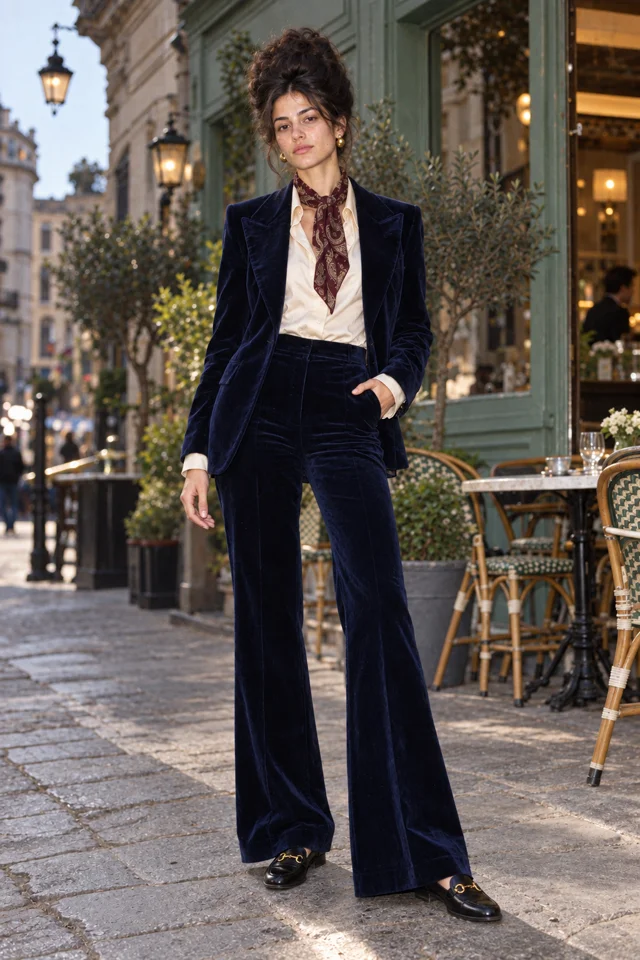
The smallest errand gets a grand arrival.
Live action selected for this walkthrough. Choose your Look in the app; this inspector keeps the original reference artwork.
02
Keep the face visible and the outfit quieter
Hair should help identify the Character without hiding the face. Check the eyes, cheek shape and expression in a front or three-quarter Image. If a large curl covers the expression that carries the joke, revise the placement instead of making the facial instruction more dramatic. The face and hair need to work together.
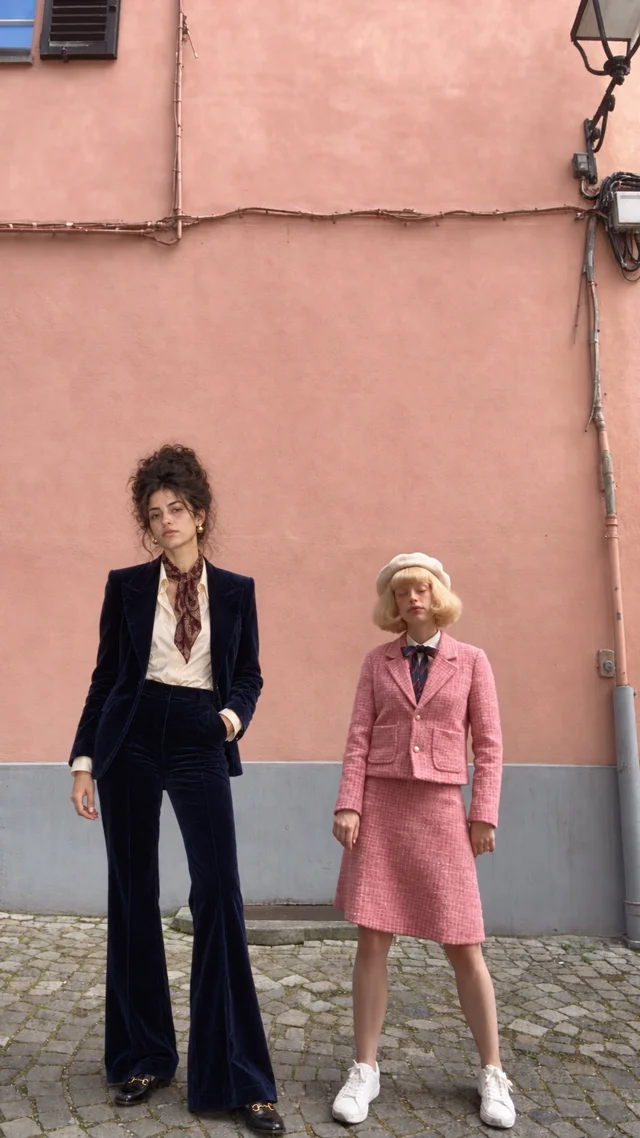
Pair the unusual shape with a comparatively controlled outfit. Sofia’s midnight-blue velvet suit, ivory shirt and burgundy scarf give the bouffant room to be the main silhouette detail. Ines’s tweed tailoring does the same for the pin curl. You can add a stronger clothing accent later, but the first review is easier when the hierarchy is obvious.
The smallest errand gets a grand arrival.
Live action selected for this walkthrough. Choose your Look in the app; this inspector keeps the original reference artwork.
03
Write the hairstyle as a small, inspectable instruction
Use a concrete phrase: “blonde arched-loop bob framing an adult face,” “auburn hair with symmetrical oversized pin curls,” or “dark sculptural bouffant with a clean outline.” These describe visible results you can compare. “Wild iconic hair” asks for impact without telling you which contour should survive.
Keep the rest of the Character brief stable while comparing hair ideas. Use the same adult age, face description, outfit and expression in your studies. If each attempt also changes clothing and personality, you will not know whether the hair improved the design. Keep the best reference once the outline reads clearly, and save the other descriptions as design notes.
The artwork is our concept example. Your edited brief opens the real Character form; no drawing starts here.
04
Check a wide view and another angle
A close portrait can make almost any hairstyle look impressive. Inspect a full-body Image as well: does the head shape still distinguish the Character, and does it balance the clothing silhouette? Then review another angle when useful. A curl that works from the front may look confusing from the side.
Use the available Character actions for an additional Look or turnaround when they help your review; read the current press price first. Keeping a Character does not automatically create a complete reference sheet. Compare the results with your intended contour and keep the useful ones. If the shape becomes complicated, simplify the instruction before adding more detail.
The smallest errand gets a grand arrival.
Live action selected for this walkthrough. Choose your Look in the app; this inspector keeps the original reference artwork.
05
Test the hairstyle in a small physical action
Now give the design a task. Sofia pauses at a revolving door, tilts her head slightly and waits for a formal introduction. Ines turns a closed umbrella once. Lucie checks an empty café table. A small action gives you a practical test of whether the hair, face and outfit remain legible together.
Open Playground with a supported Character reference and direct one moment. Keep movement modest at first so you can assess the design rather than a complicated sequence. Review the hair contour at the beginning, during the turn and at the end. If the Character stops reading as the same person, revise or choose another result before extending the idea into several Clips.
CLIP DIRECTION PREVIEW
Give Sofia one clear action.
Keep this direction for Playground. This artwork is a Character reference, not a Clip generated from your text.
Open Playground ↗Keep it sharp.
- Combining several signature hair shapes into one instruction.
- Judging the design only from a close portrait.
- Changing the face, clothing and hairstyle at the same time during a hair comparison.
Things you’re wondering.
What are three useful hairstyle ideas for an original Character?
Try one clear contour: an arched-loop bob, symmetrical oversized pin curls or a sculptural bouffant. These are original concept directions; adapt the face, color and scale to your own Character.
How much unusual detail should I add?
Start with one distinctive shape. Keep the rest of the hair and outfit controlled so you can tell which detail makes the Character recognizable.
Should hair color or hair shape carry the identity?
Use both when useful, but test the outline separately. Color may be less visible in different lighting, while a clear shape can still help the silhouette read.
Do I need a turnaround?
An additional angle or turnaround can help compare the hairstyle. Use the available action when useful; it is separate from simply keeping the Character.
Will the hairstyle stay exact in every Clip?
Review each result. Reusing a chosen Character reference supports the design, but action, angle and model can still change details.
How should I inspect hair in a recorded performance study?
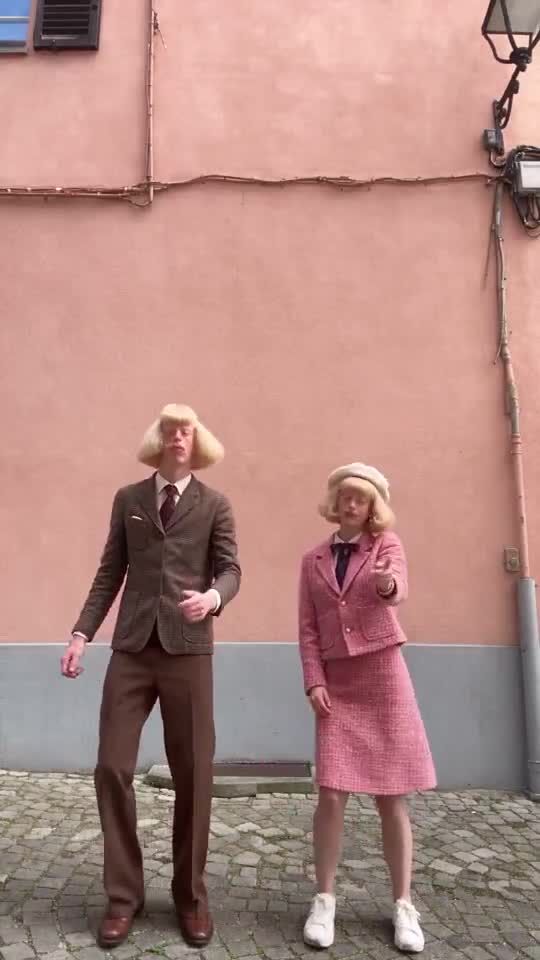
Compare the actual input and paired output through a turn or movement. Check the contour, face visibility and beginning/end frames. A polished portrait is a design reference, not evidence that the hair stays correct in motion.