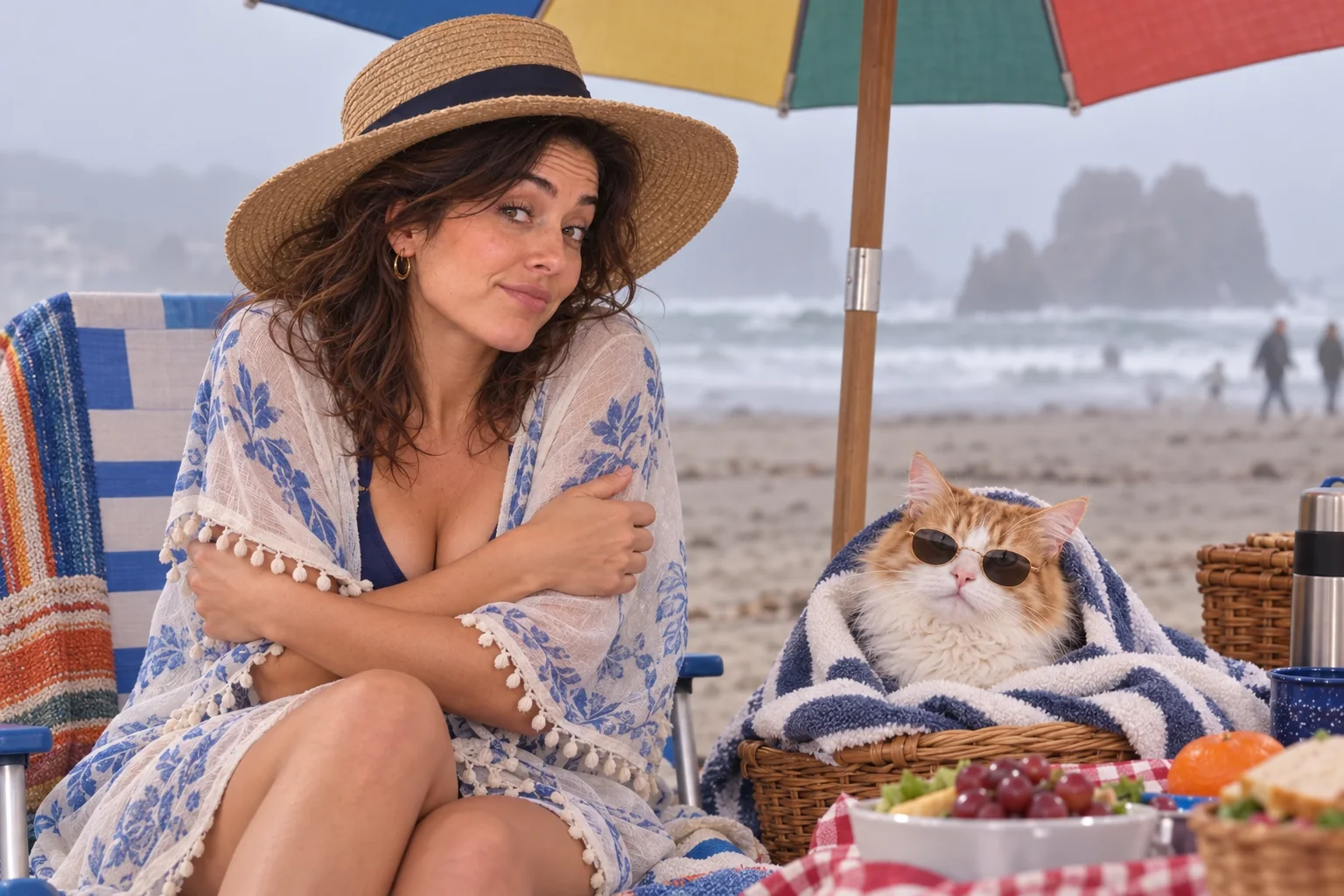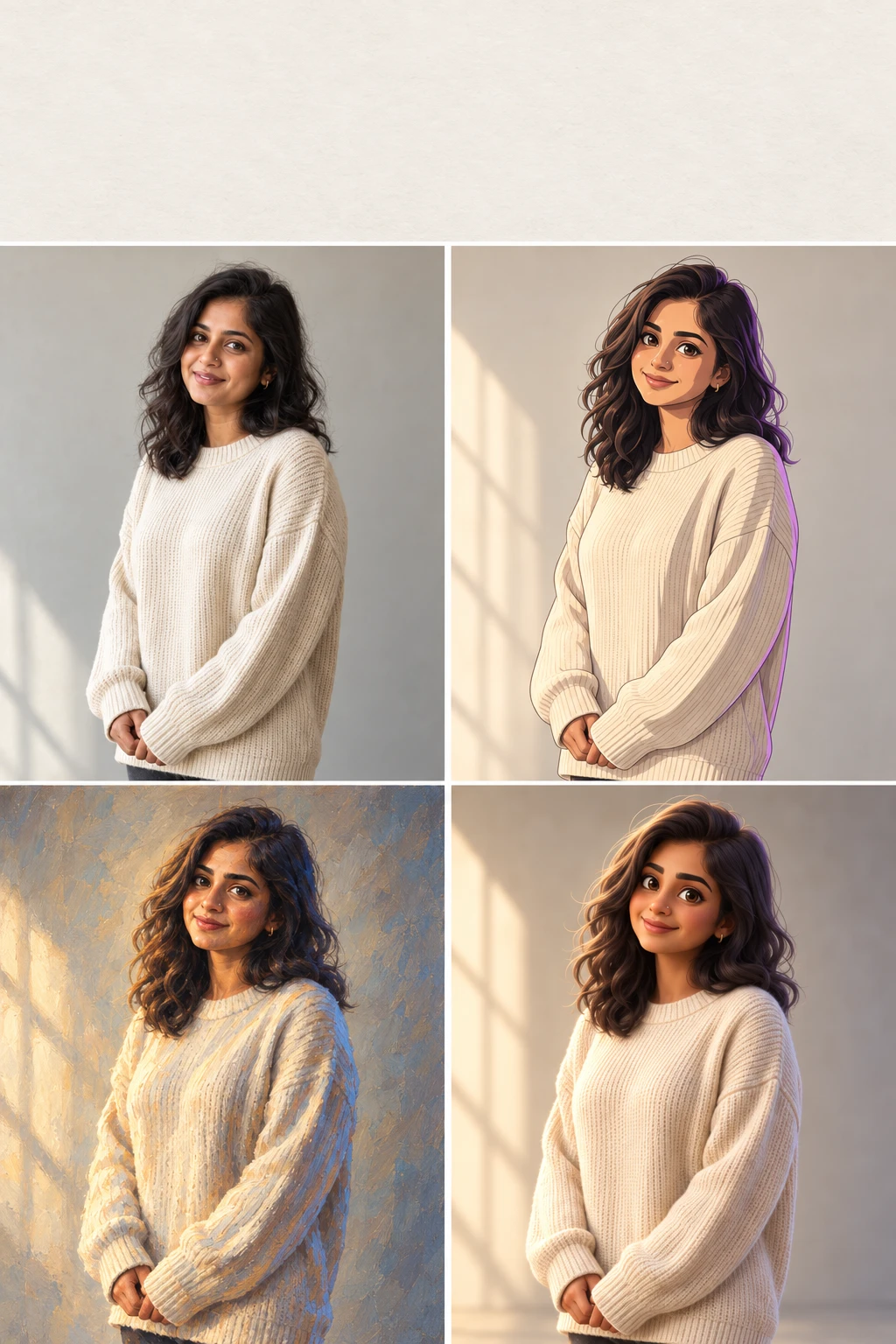
character.appby charactrMake my show

What you can make in Character App

Updated September 13, 2026 · 5 min read

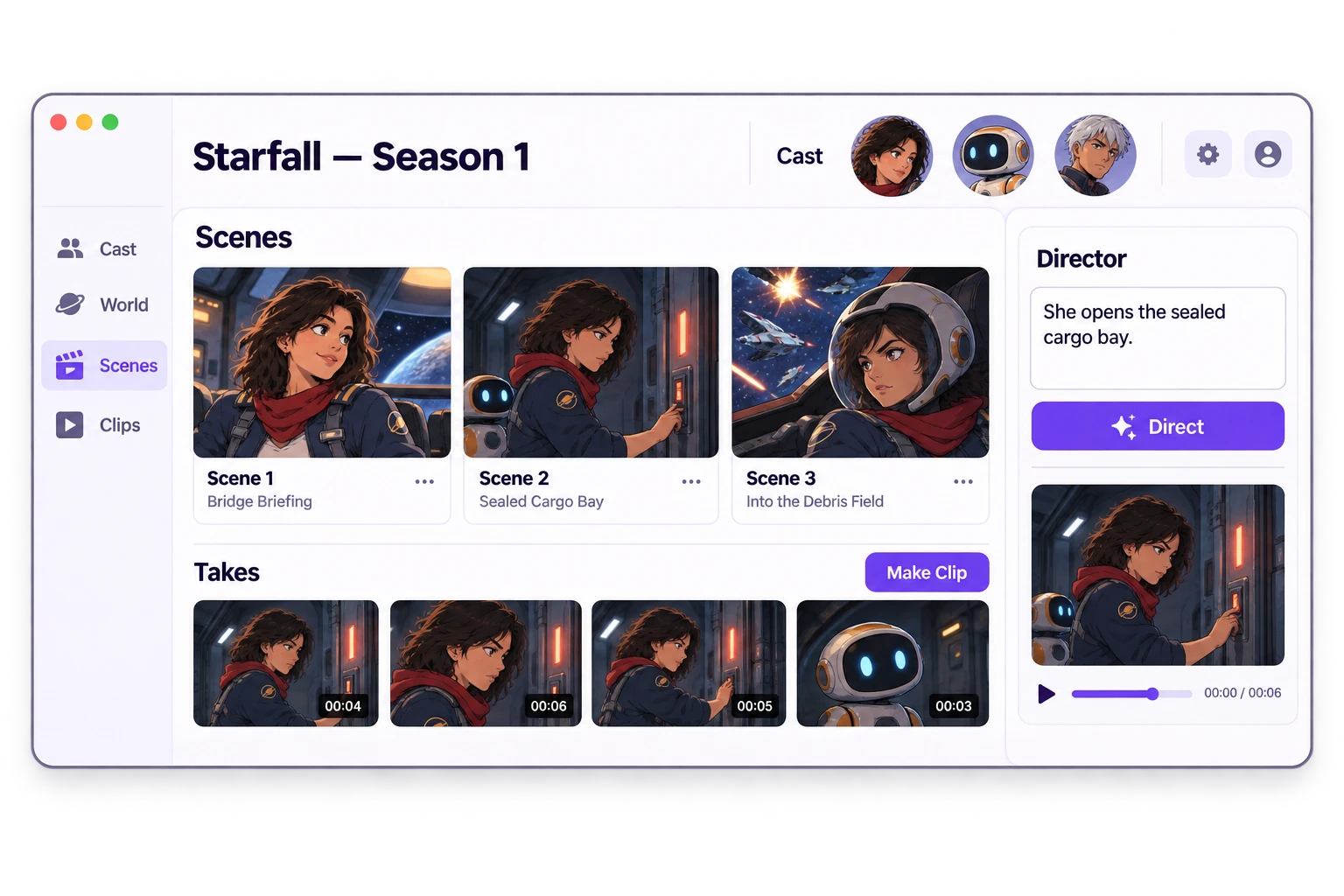
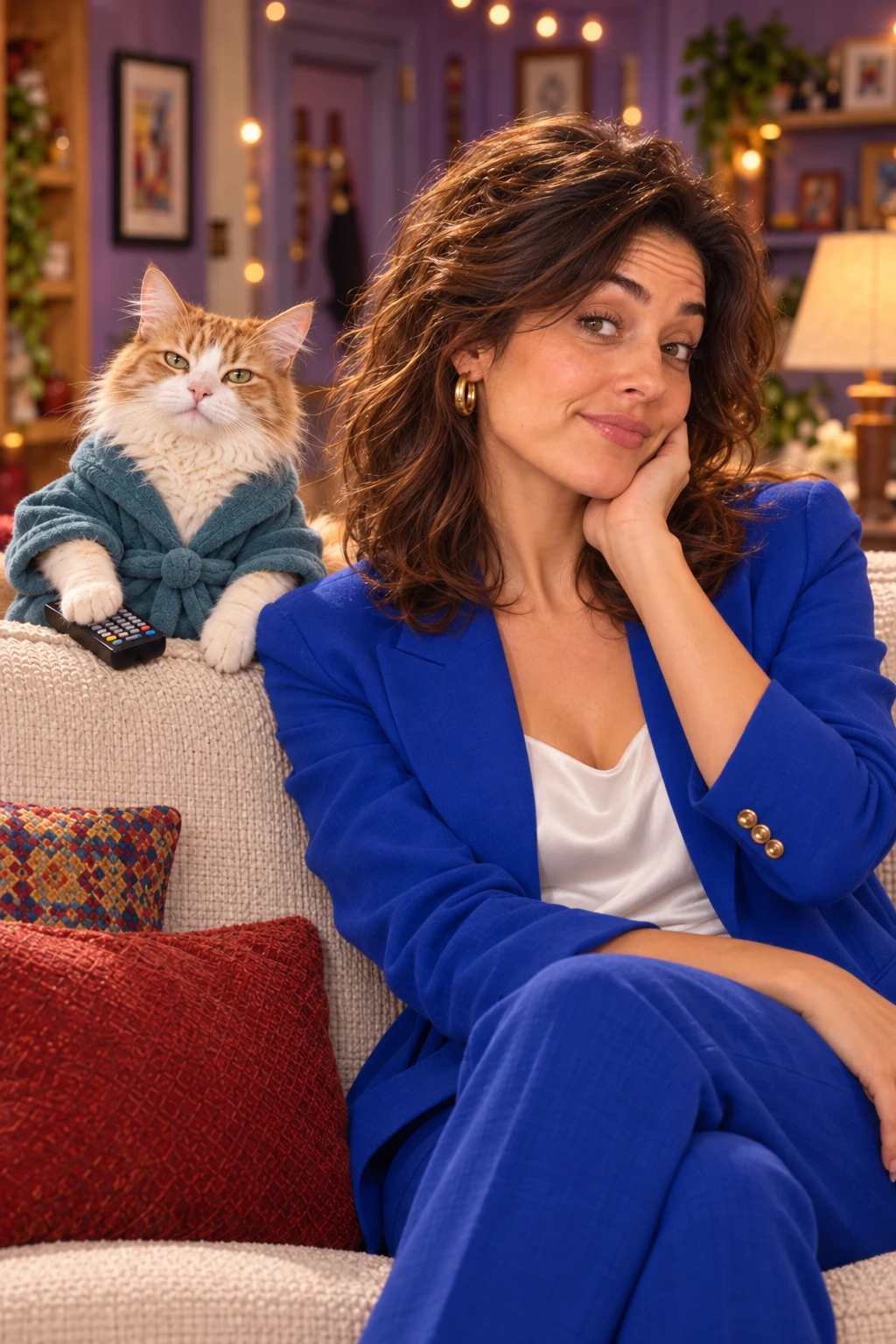
Character App makes serialized, character-driven video: sitcoms, vertical dramas, cartoons, anime, graphic novels, fantasy series, satire, and 3D animation — in 9:16 phone-first or 16:9 widescreen. The same pipeline powers all of it: a Cast that stays on-model, a World that remembers, and a Director that turns sentences into Episodes. The genre only changes the Look and the rules it plays by.

Formats
9:16 vertical · 16:9 wide
Genre paths
10 spokes
What stays fixed
Cast · World · memory
What varies
Look · rules · pacing
Entry
One line at the door
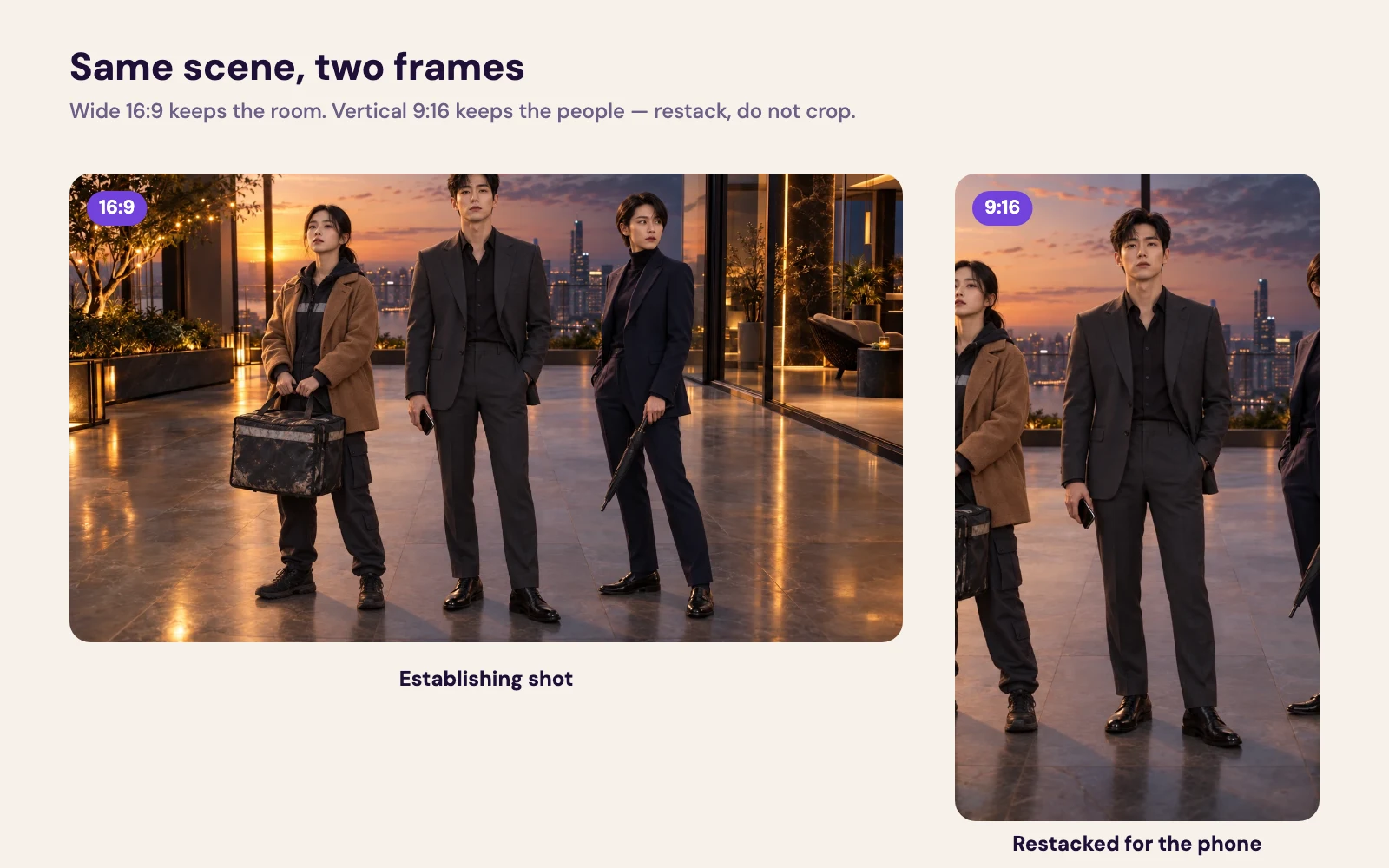
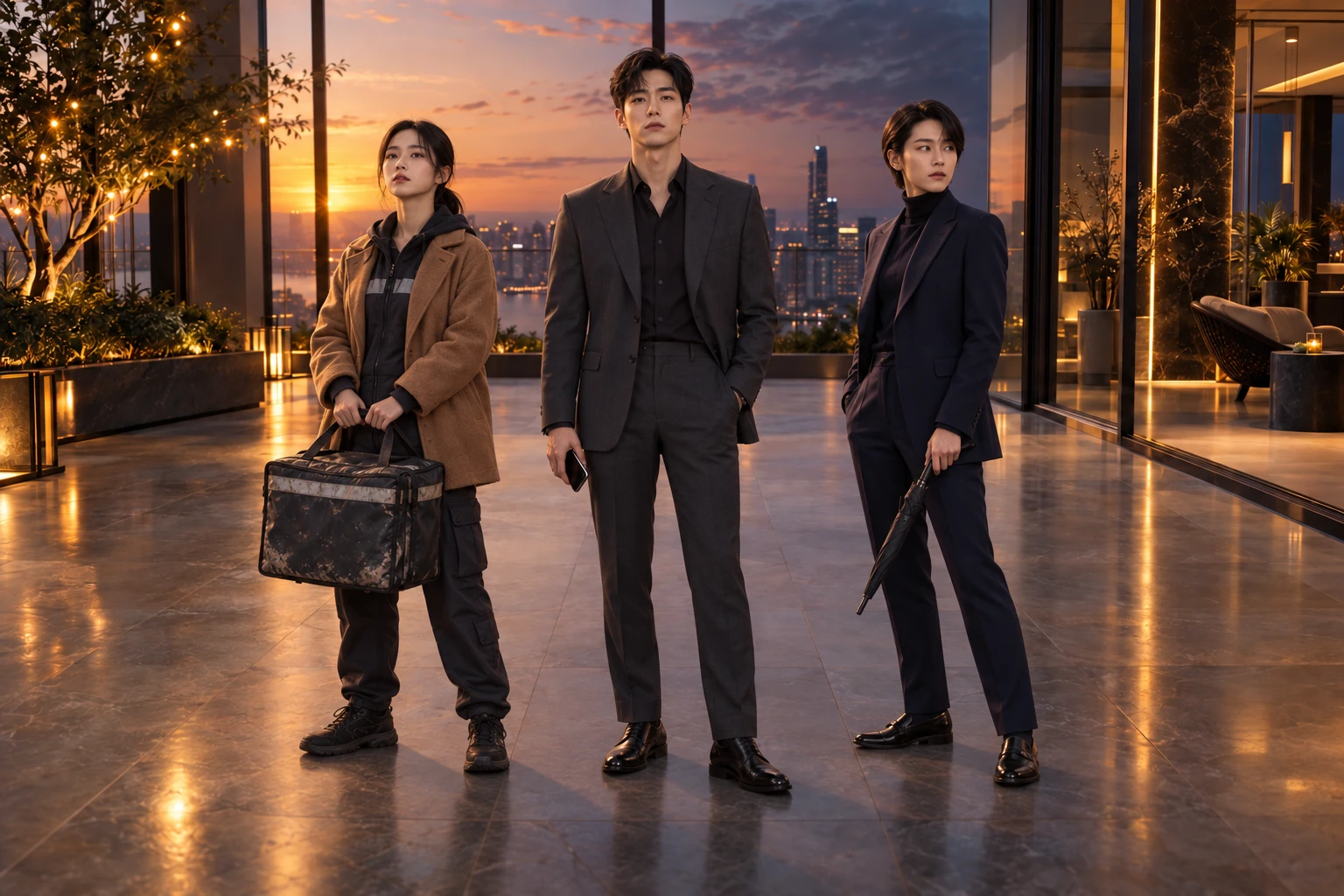
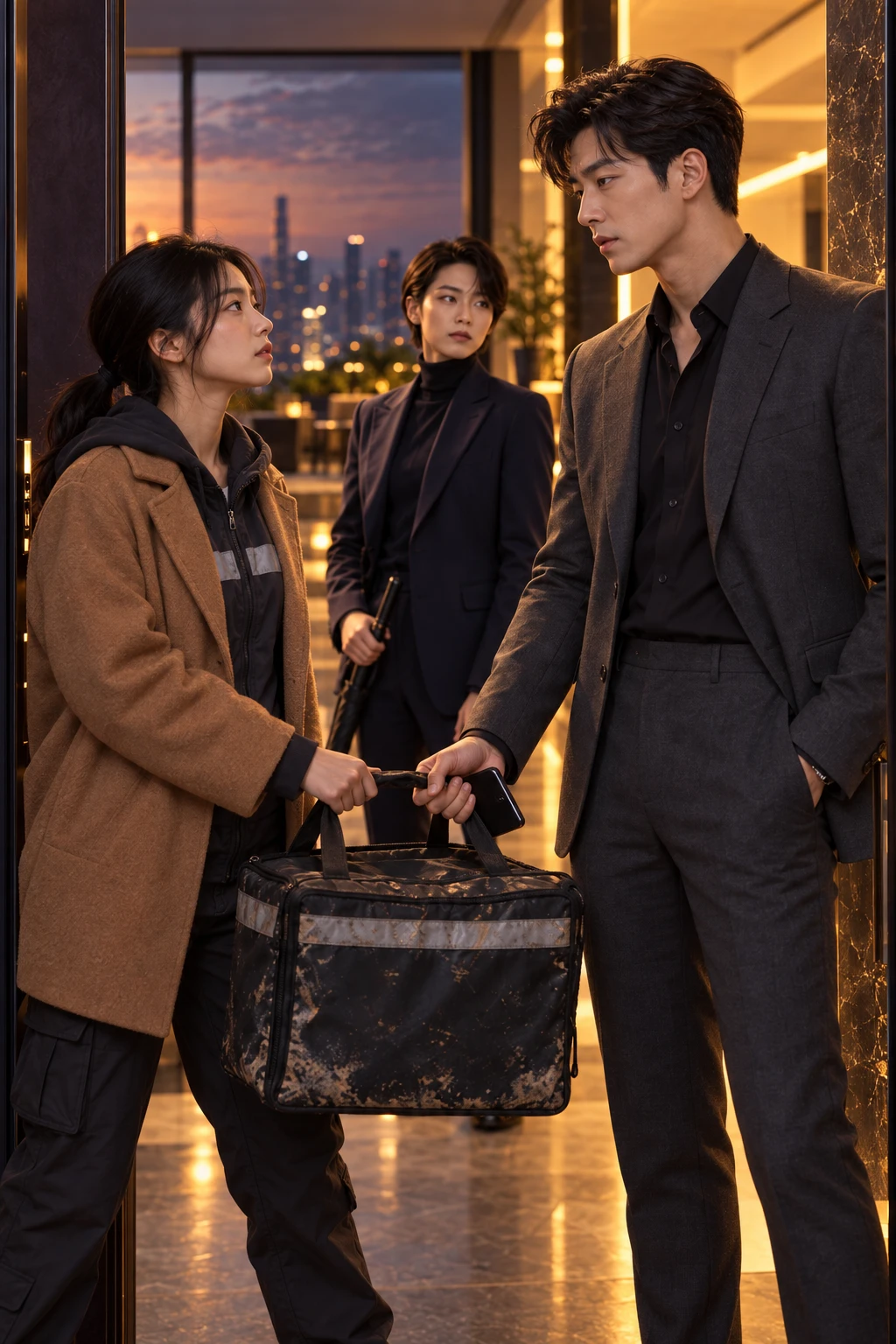
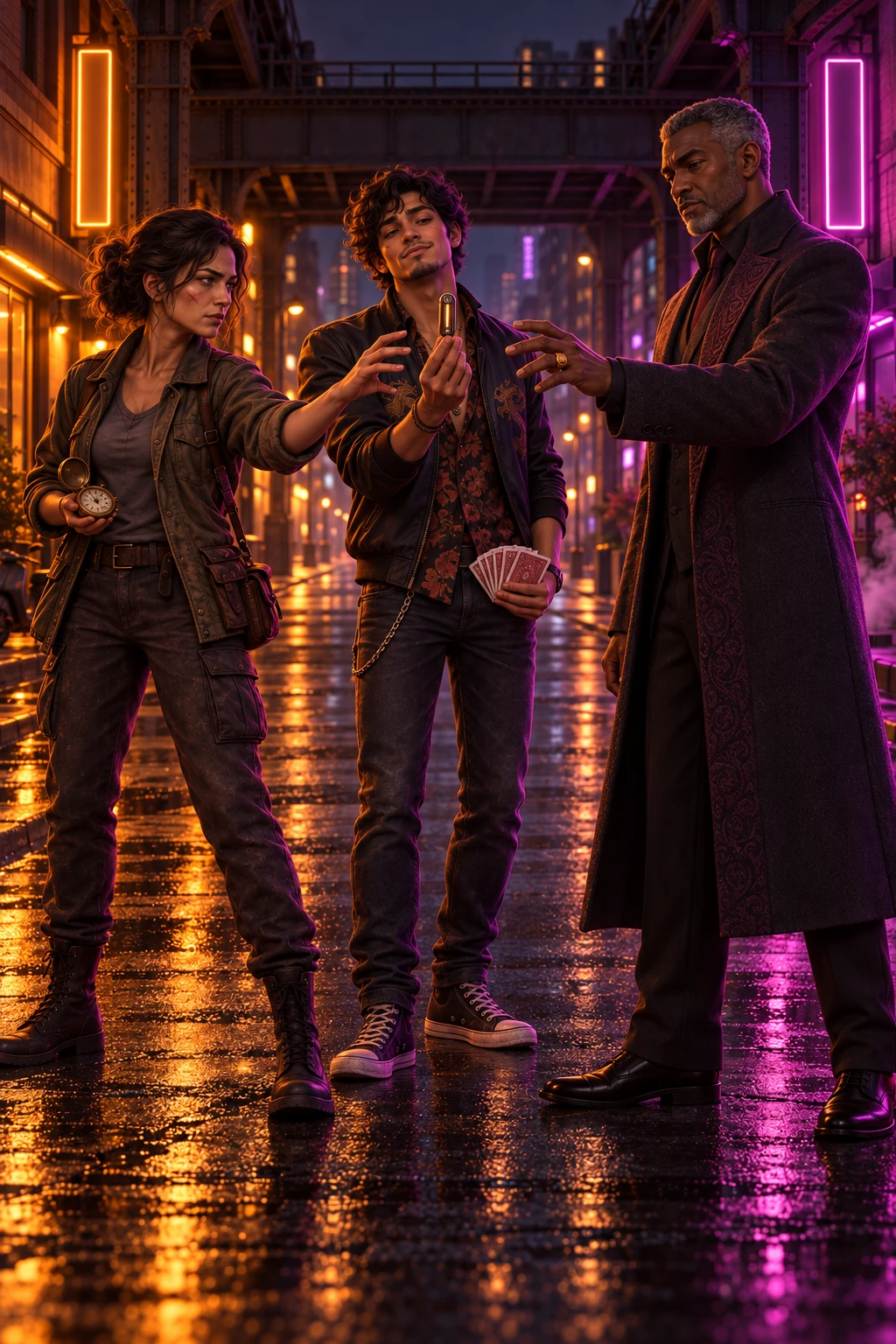
  1. A vertical-drama Episode still in a cinematic night look.Vertical drama
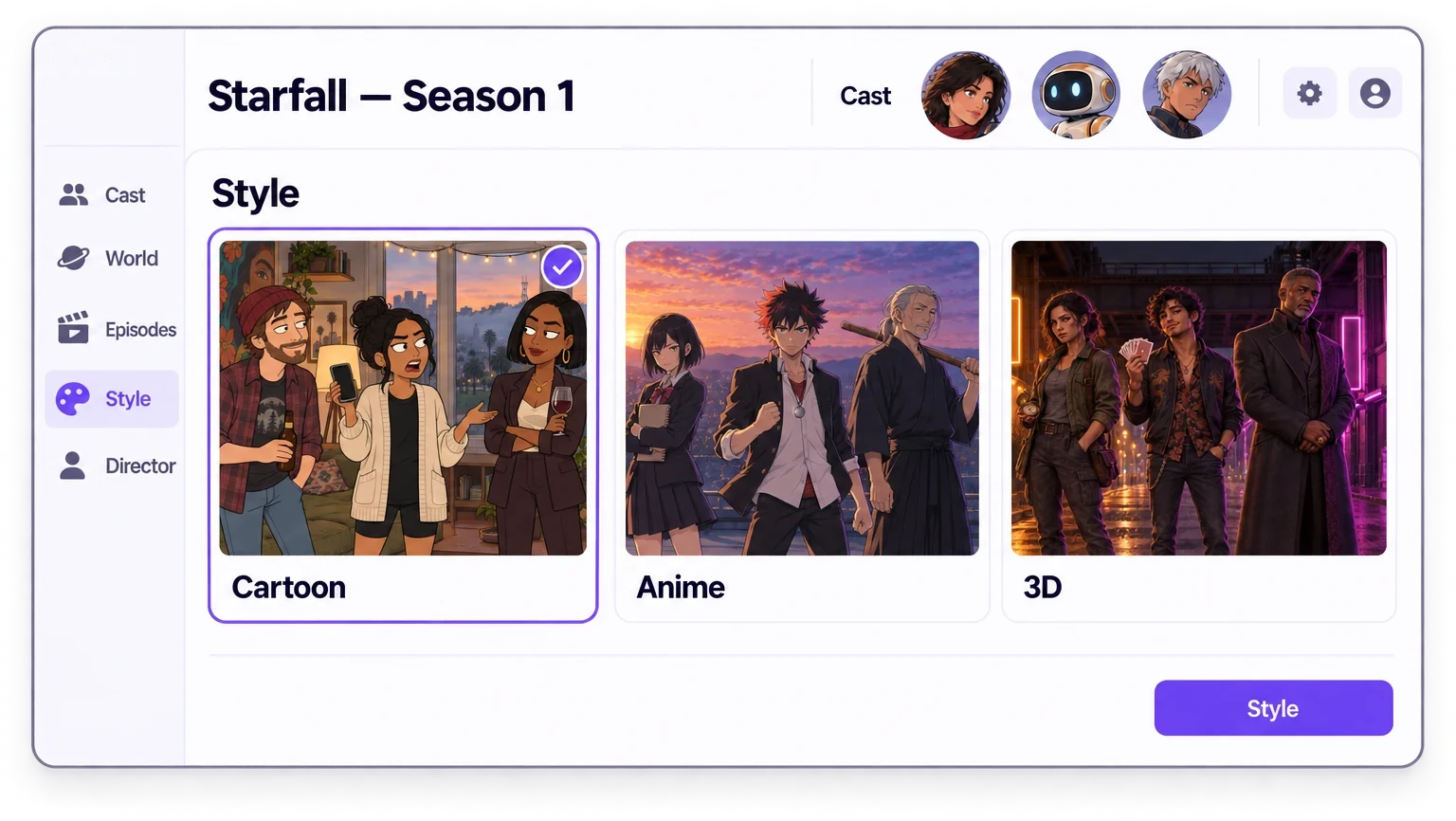
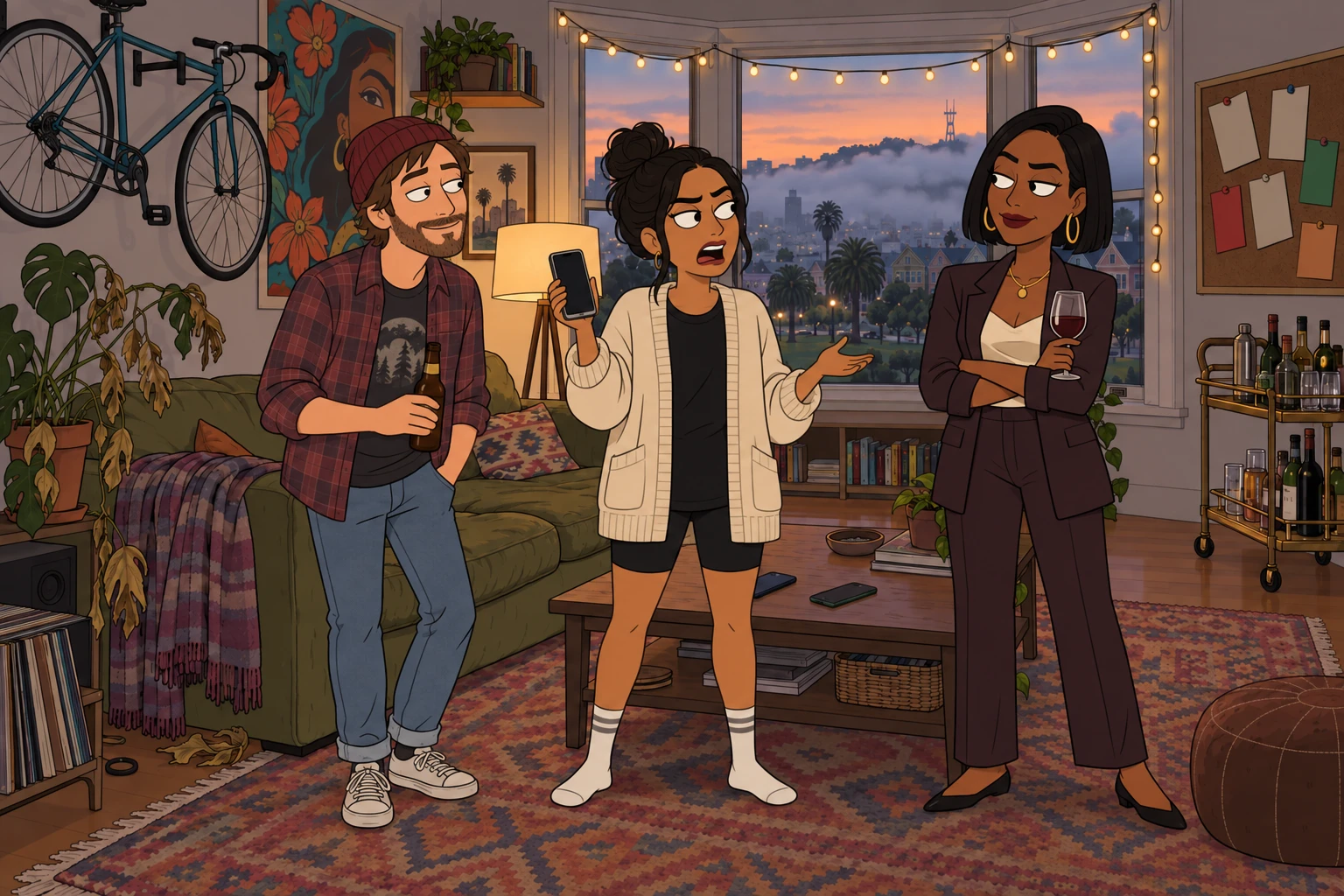
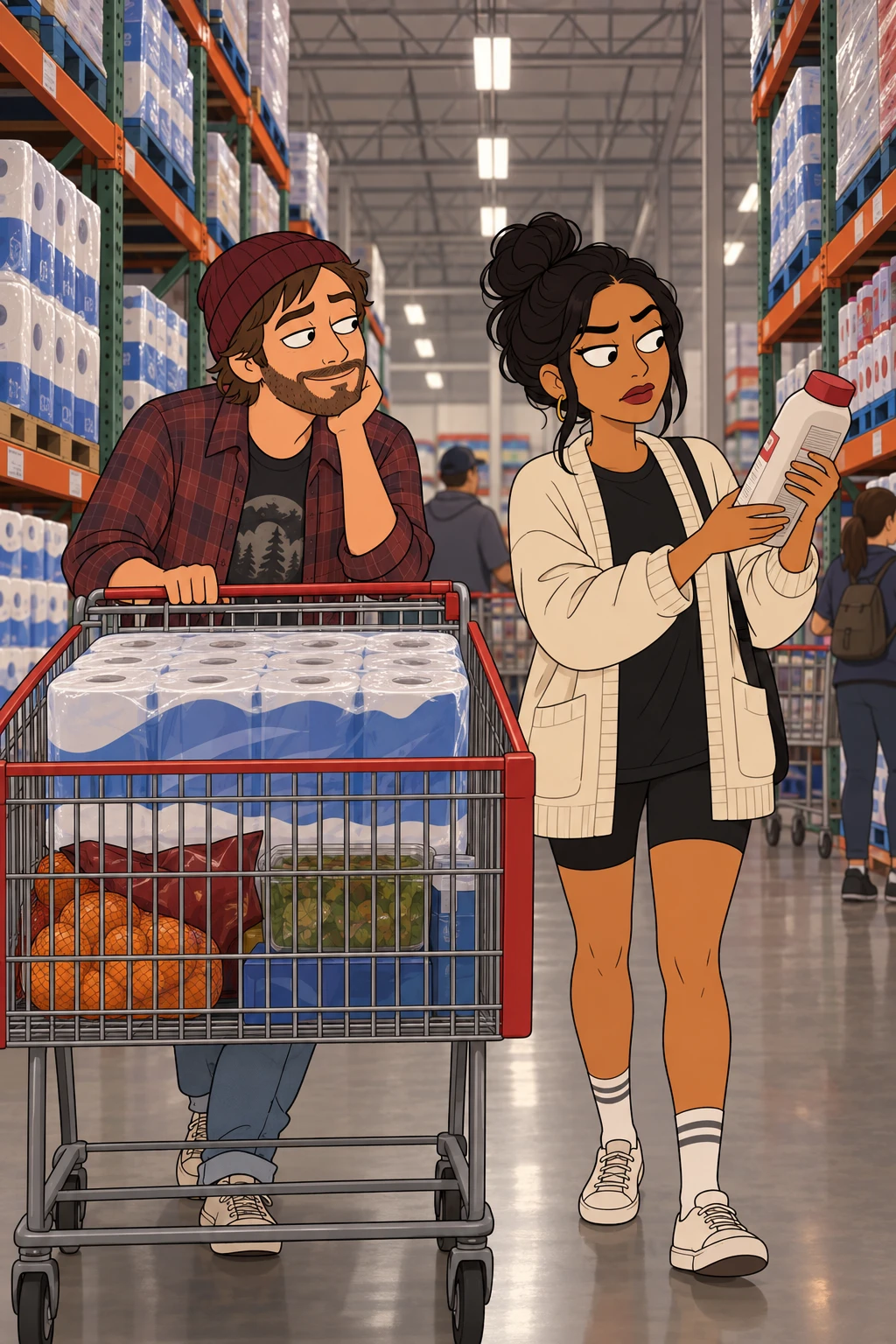
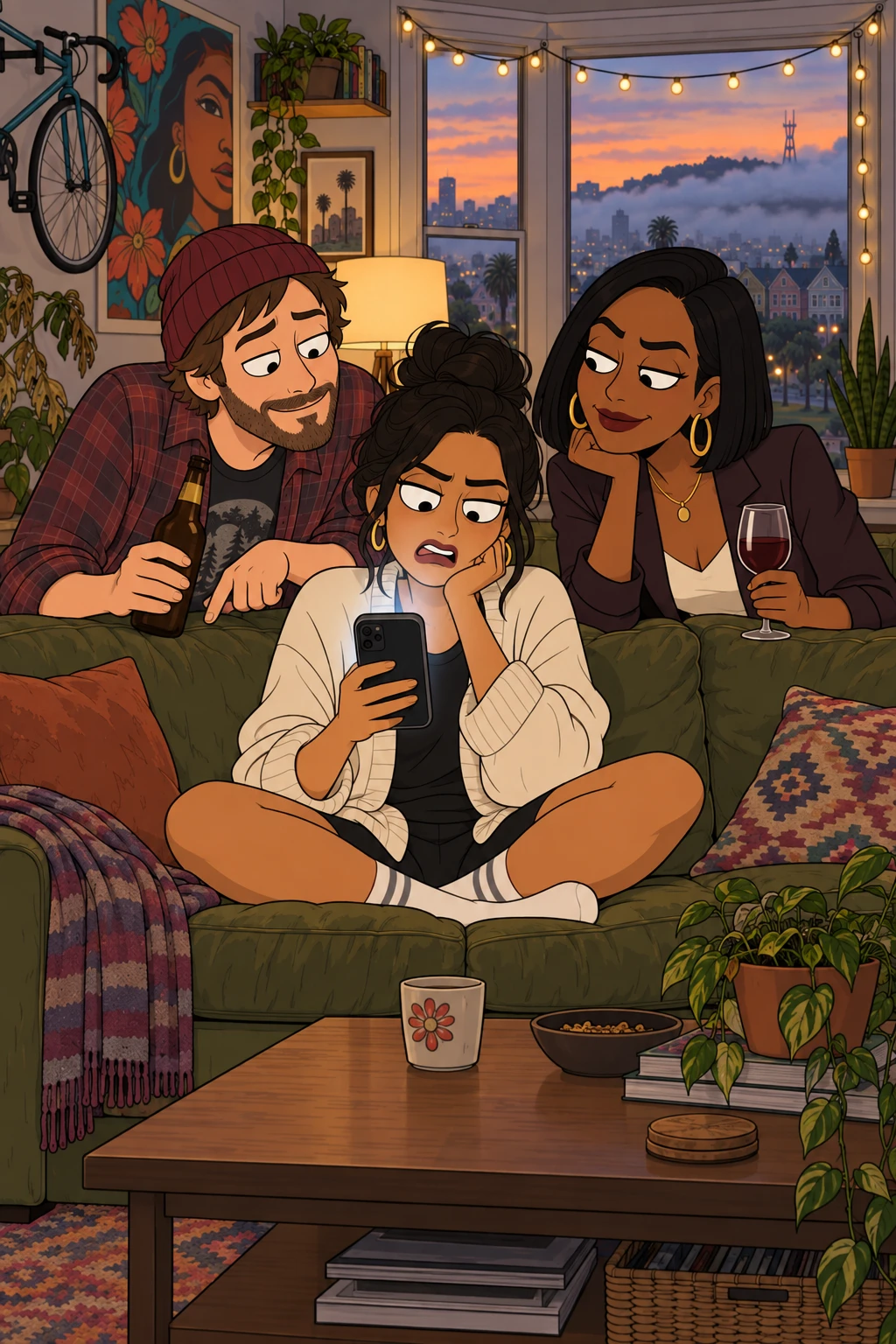
  2. A cartoon Episode still in a flat adult-2D look.Cartoon show
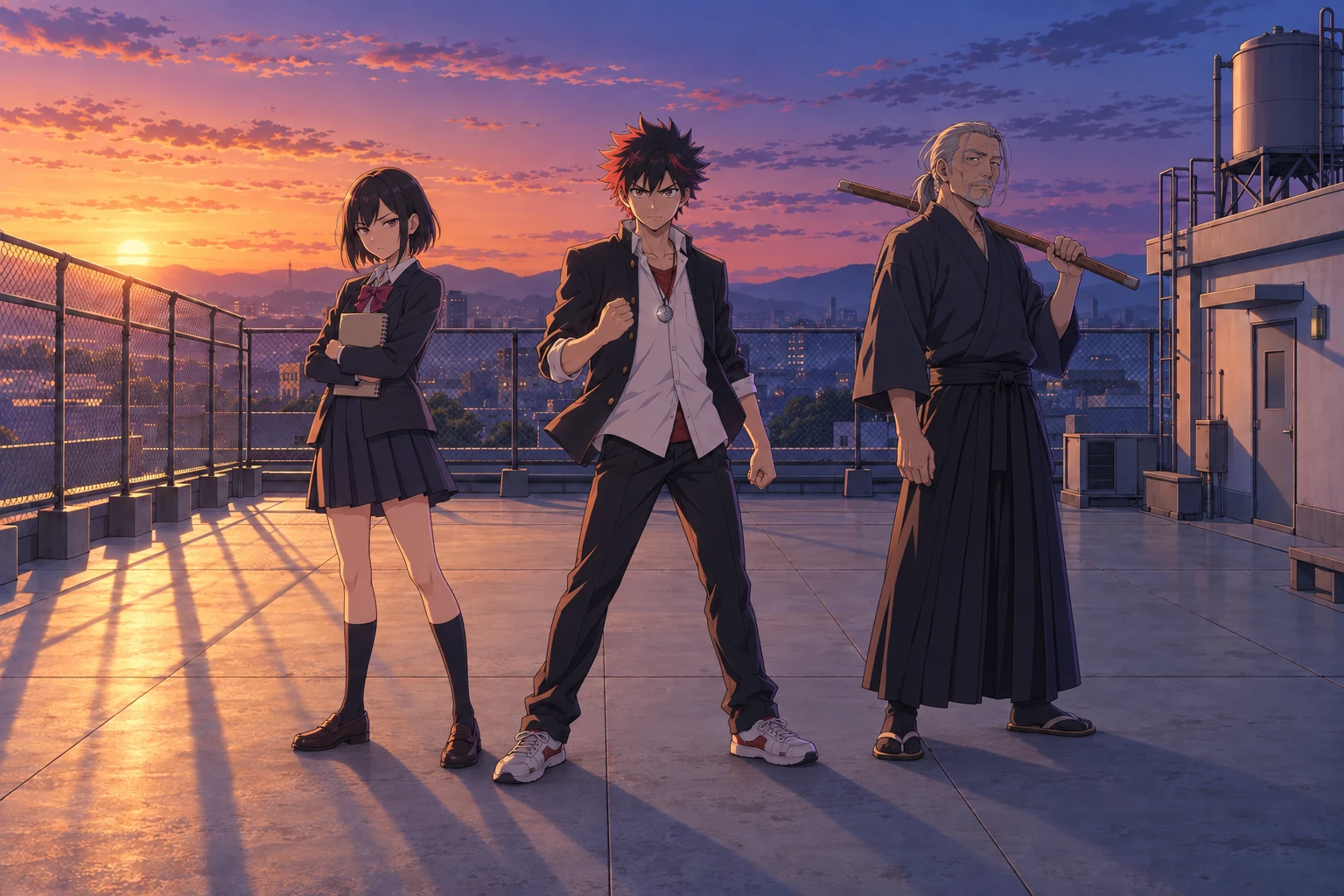
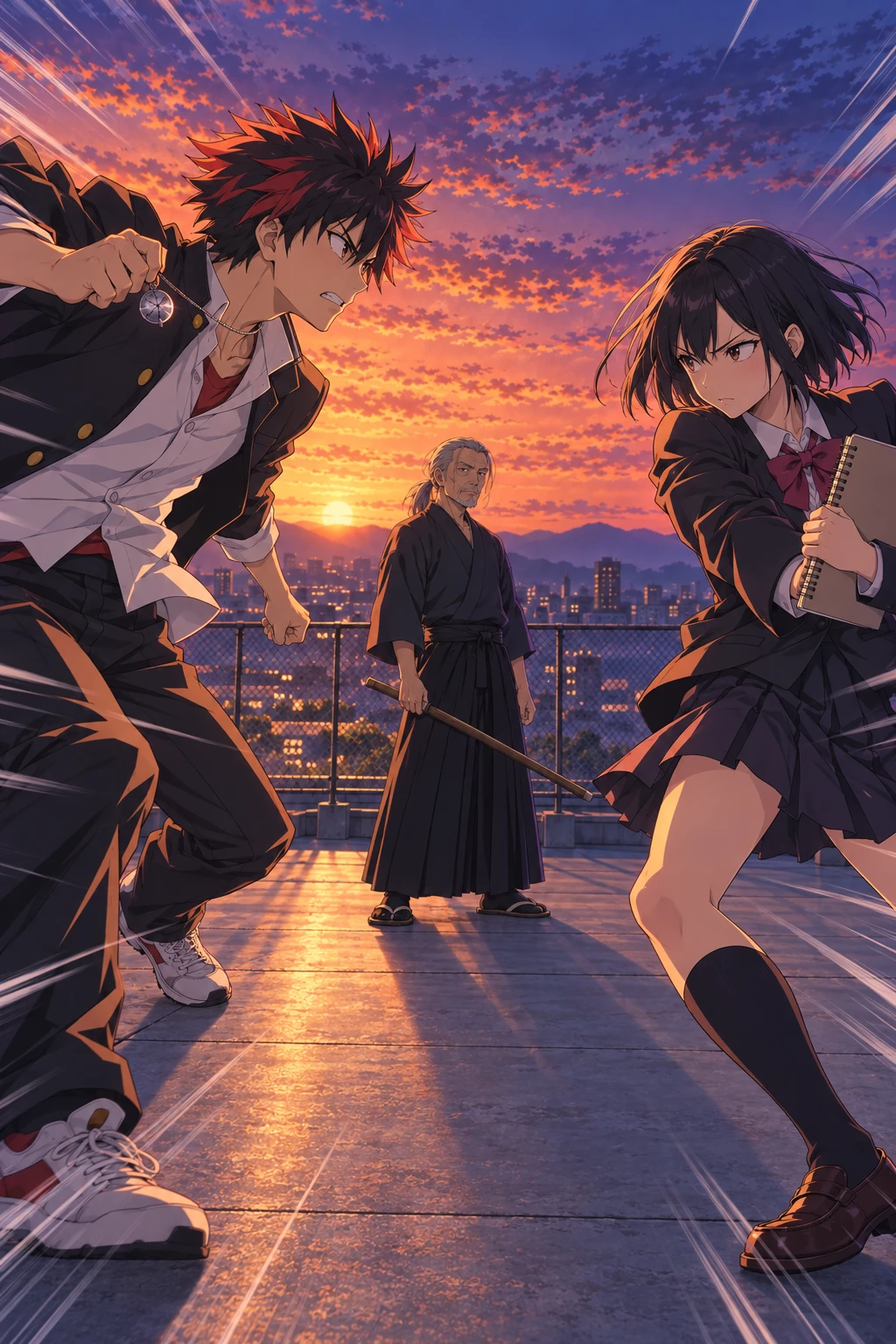
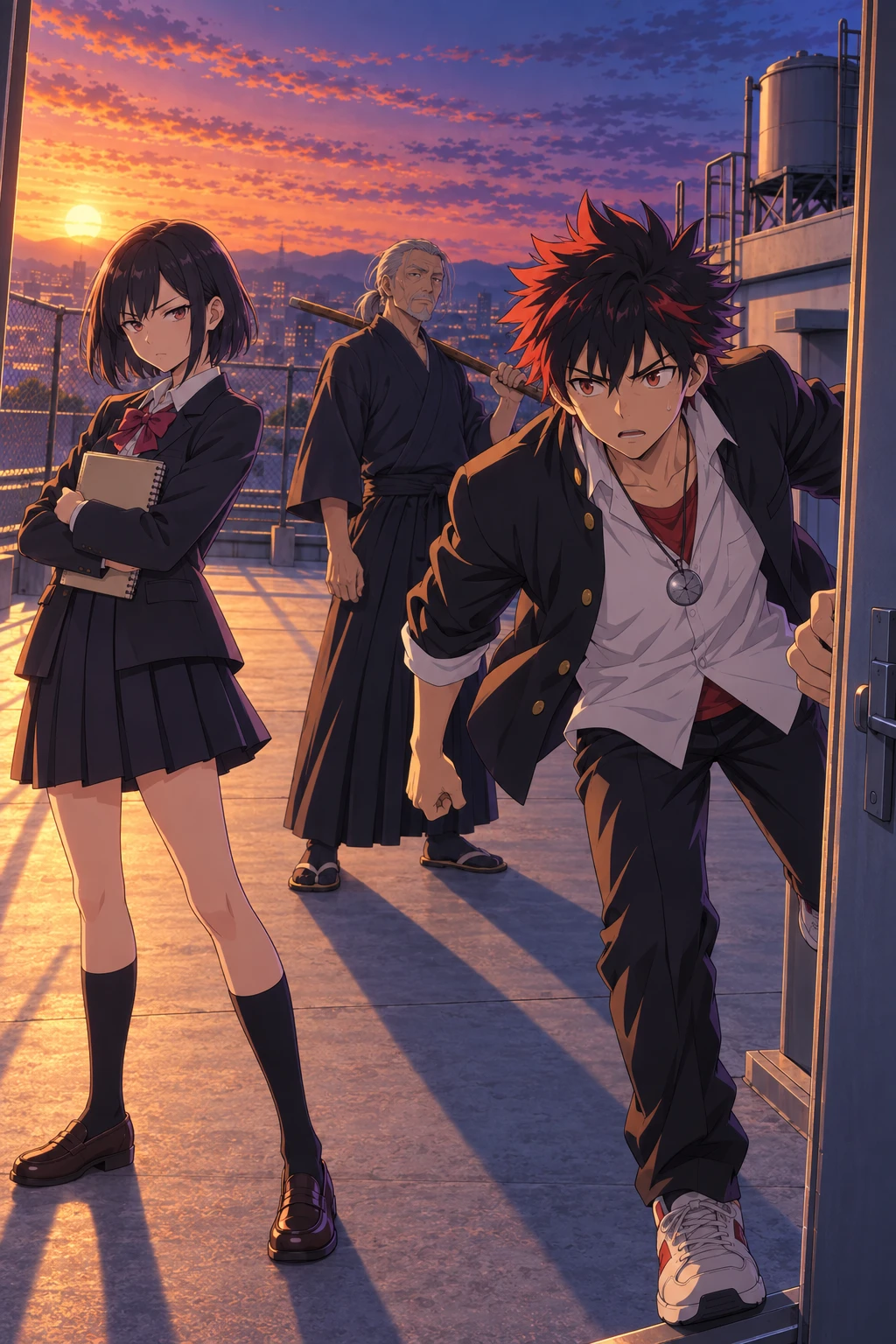
  3. An anime Episode still — cel-shaded cast mid-scene.Anime
  4. A 3D animated Episode still with cinematic depth of field.3D animated drama
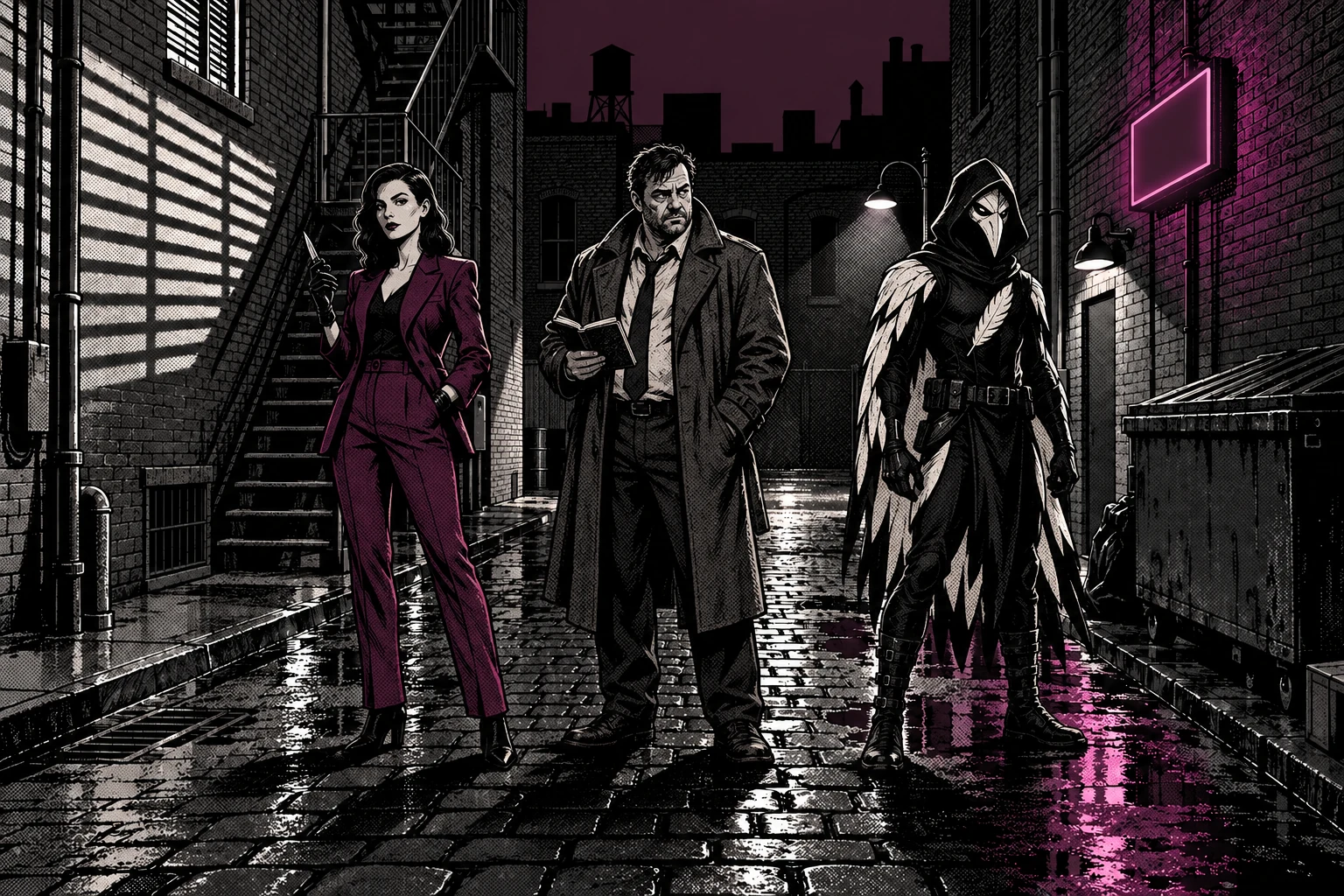
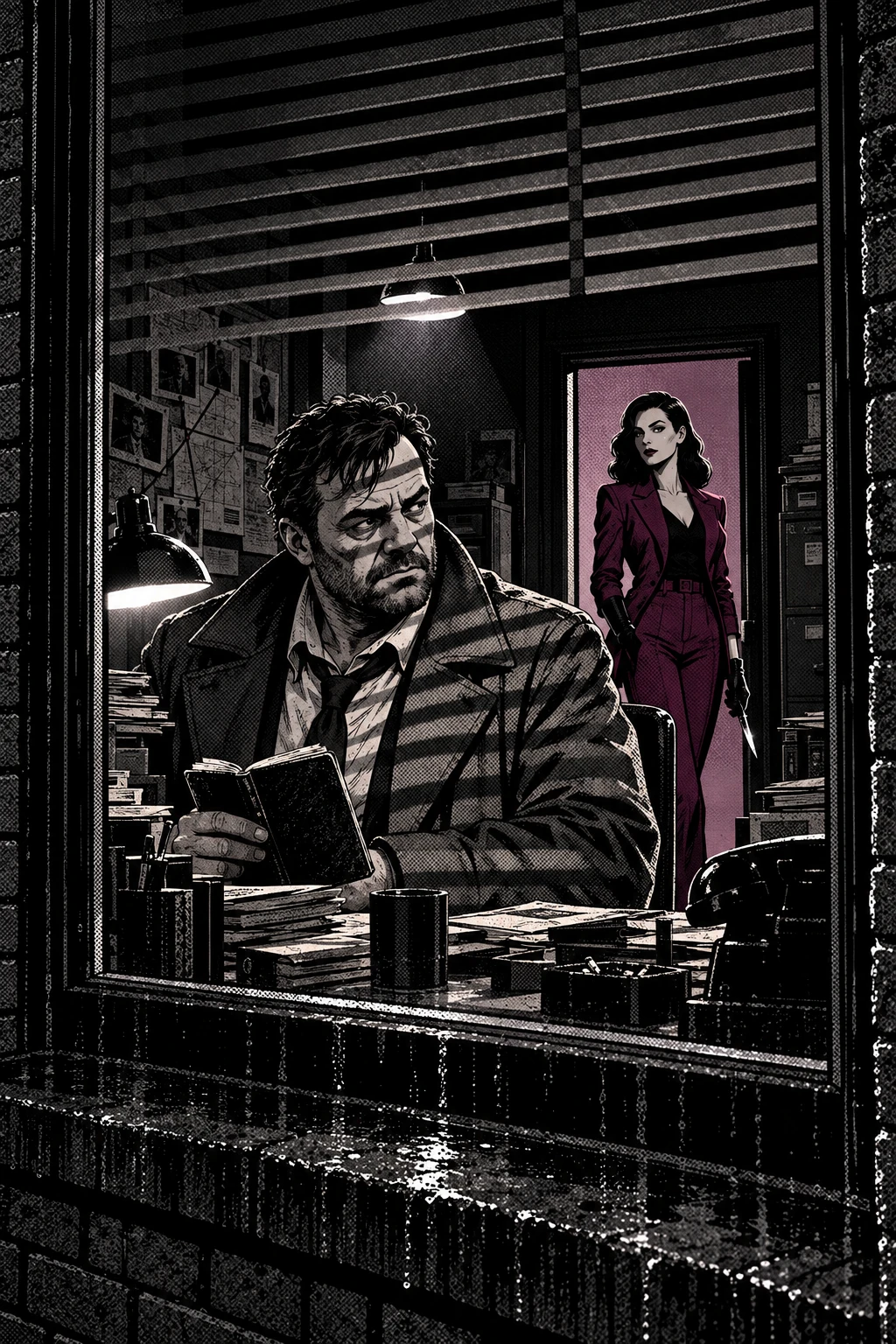
  5. A graphic-novel Episode still in an inked style.Graphic novel
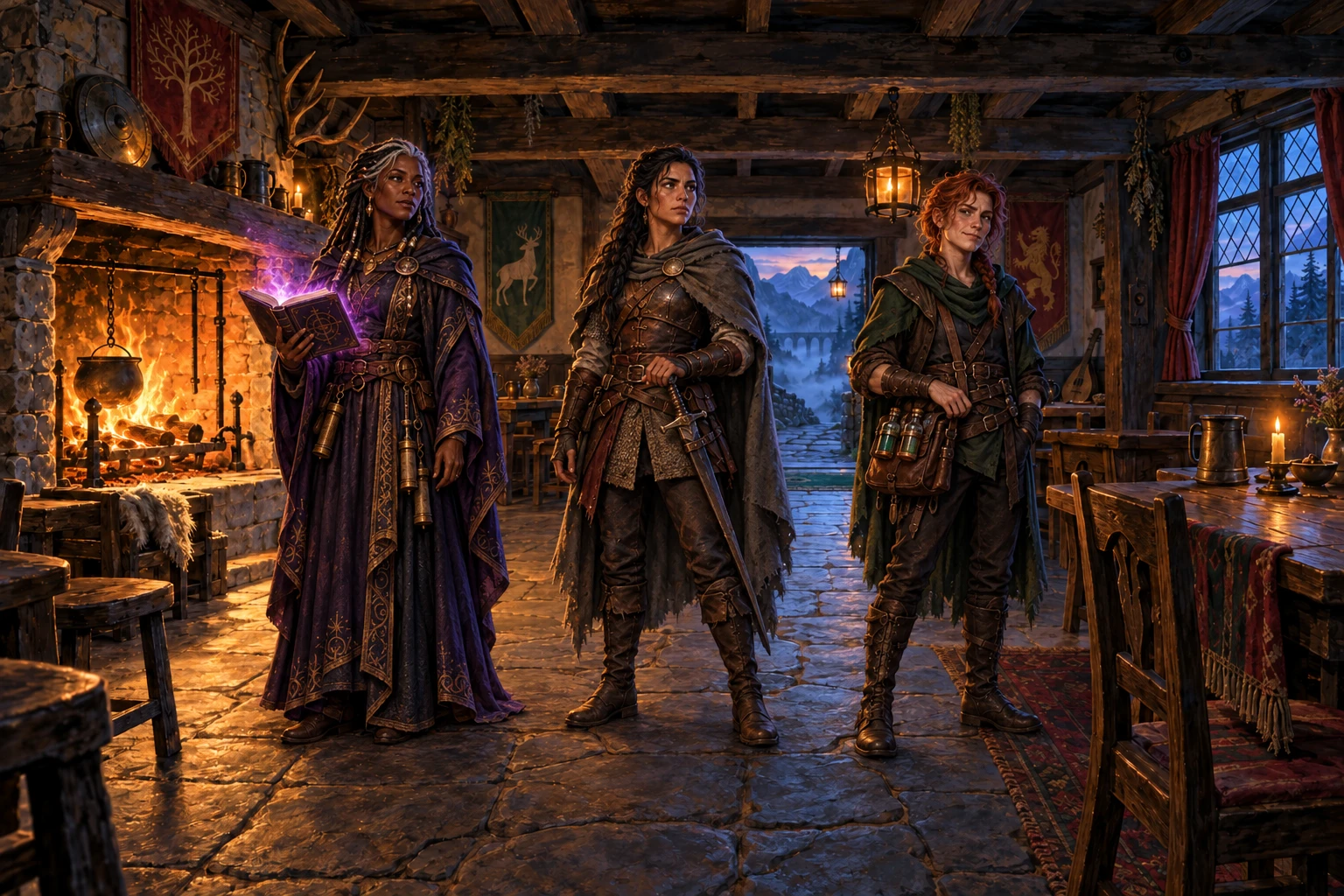
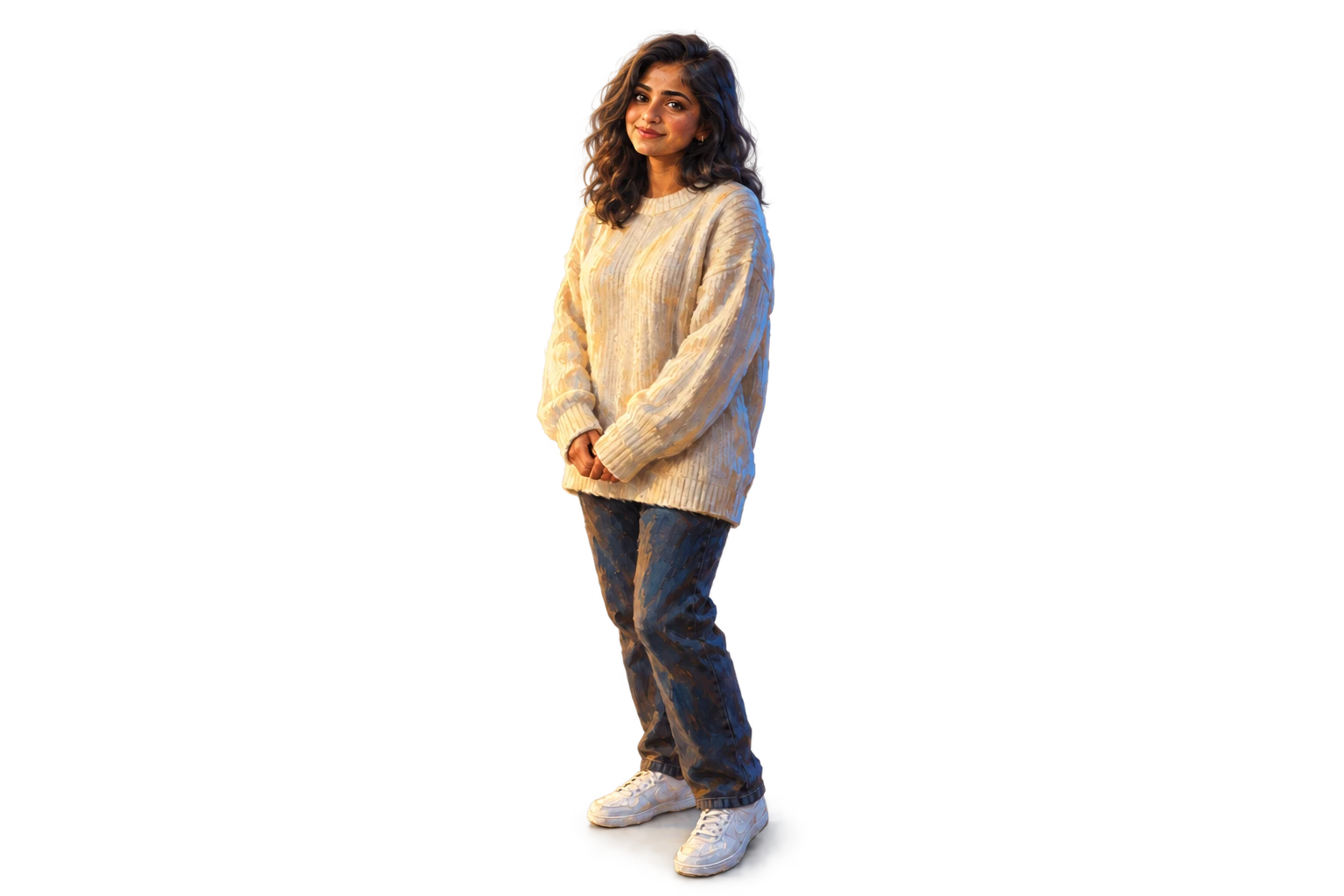
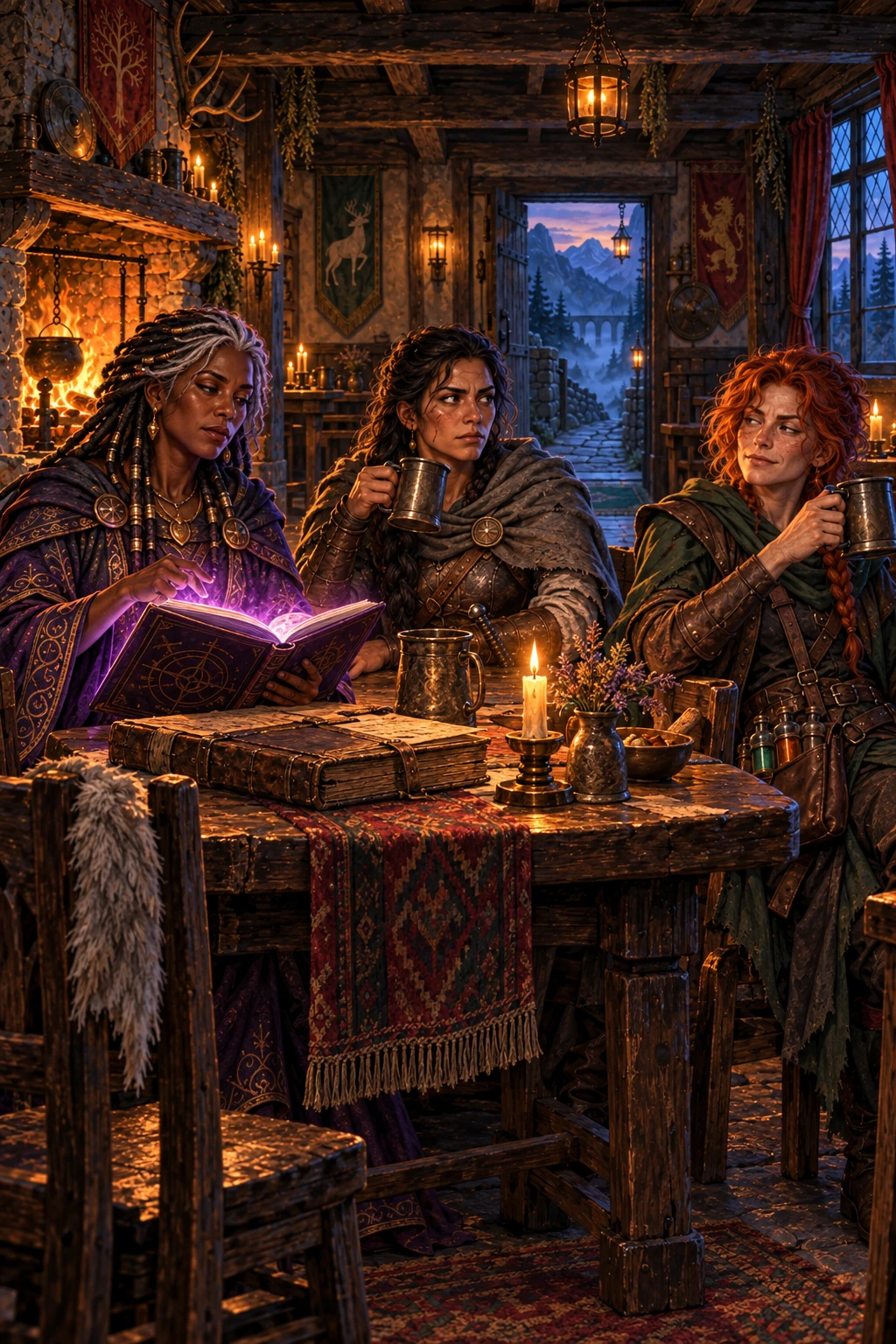
  6. A fantasy Episode still in a painterly kingdom look.Fantasy series
One pipeline, six Looks — the Cast and the continuity carry; only the genre changes.

Made this way

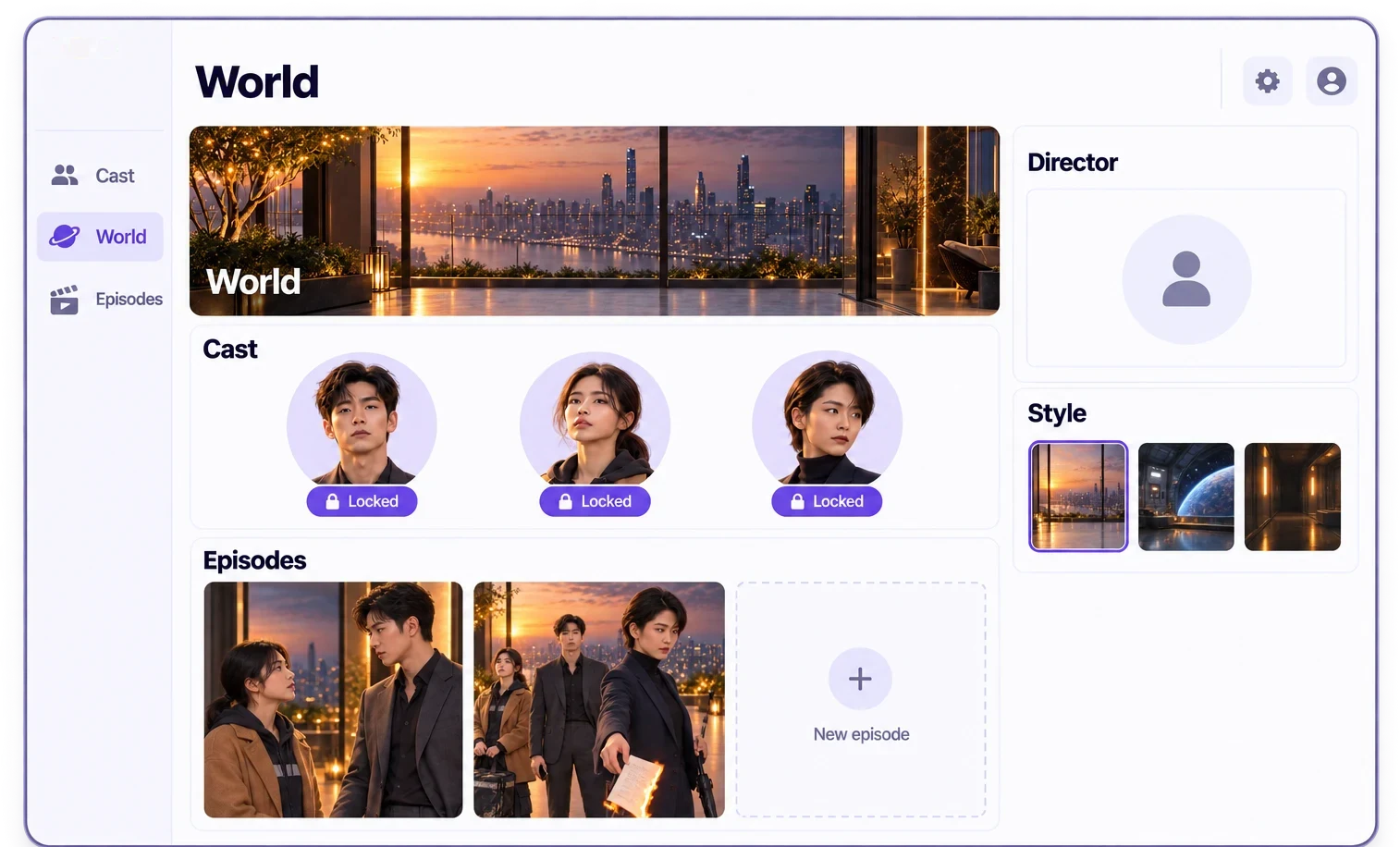
  • A vertical-drama World fully populated — the serialized-thriller look in use across its cast.
    Vertical drama — secrets and cliffhangers.
  • A cartoon Episode still — the ensemble mid-date in the flat Look the cartoon World keeps.
    Cartoon show — elastic and fast.
  • An anime Episode still — the cast mid-arc in the cel Look the anime World draws them in.
    Anime — stylized and serial.
  • A graphic-novel World populated — the inked city under its own weather, ready for the next issue.
    Graphic novel — inked and moody.

Generated in Character App · example stills, not a live product demo

Common mistakes

  1. Picking the format for the wrong reason. 9:16 vs 16:9 is a where-it’s-watched decision, not a taste decision — phone-first audiences get vertical, shared screens get wide.

  2. Choosing a genre by its stills. The Look is skin; the genre is rules — pick the one whose story defaults (secrets, gags, quests) match the thing in your head.

  3. Assuming each genre is a different tool. It’s one pipeline — Cast, World, Director — so learning one genre teaches you all of them; switching is a redirection, not a relearning.

  4. Starting ten shows to find one. One World with a real Cast beats five empty ones — commit to a single build long enough for an Episode to exist.

  5. Waiting for the idea to be perfect. The premise bar takes a sentence, not a thesis — the World builds around a rough idea and improves it in production.

Questions

Can I really make something that isn’t a template?

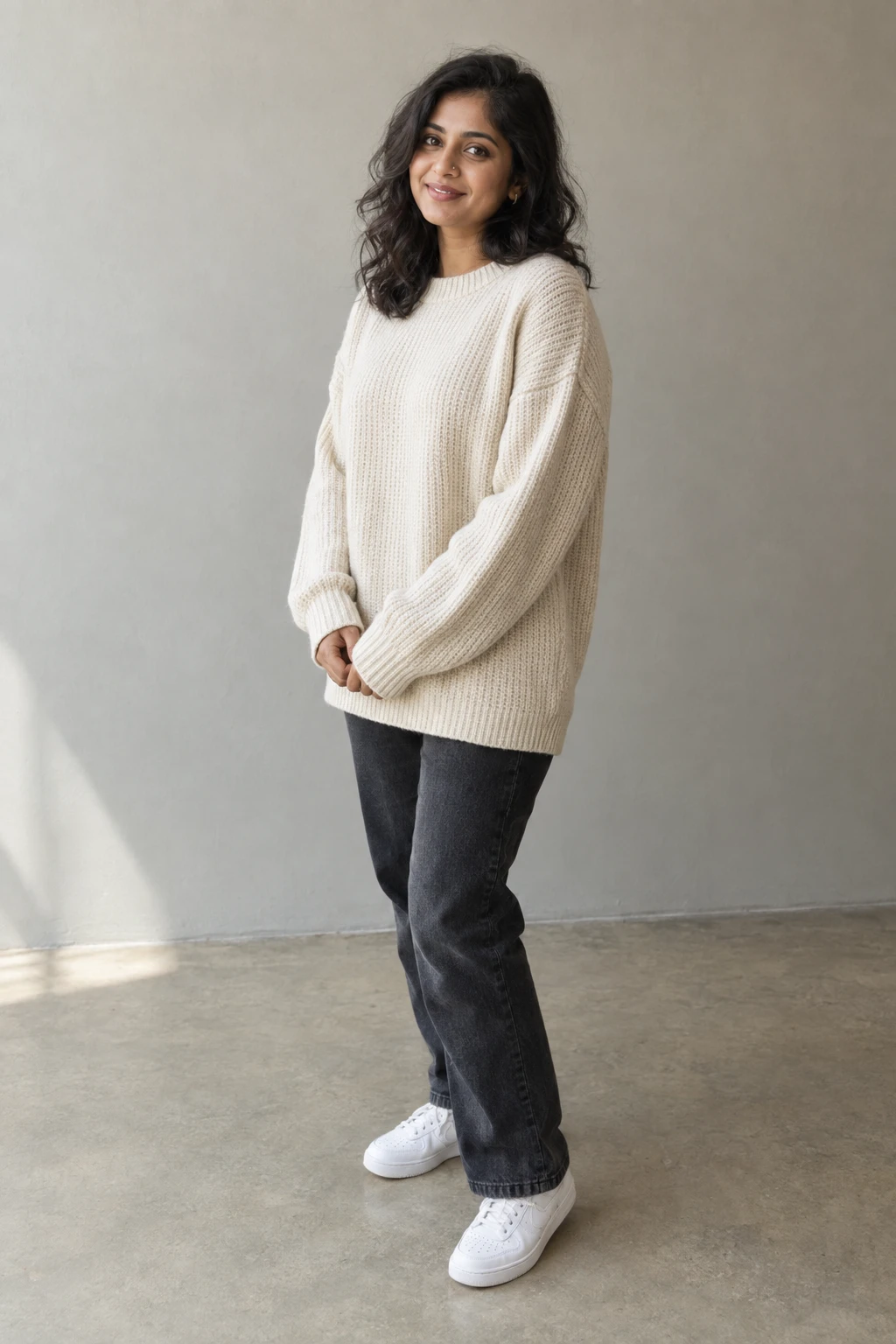
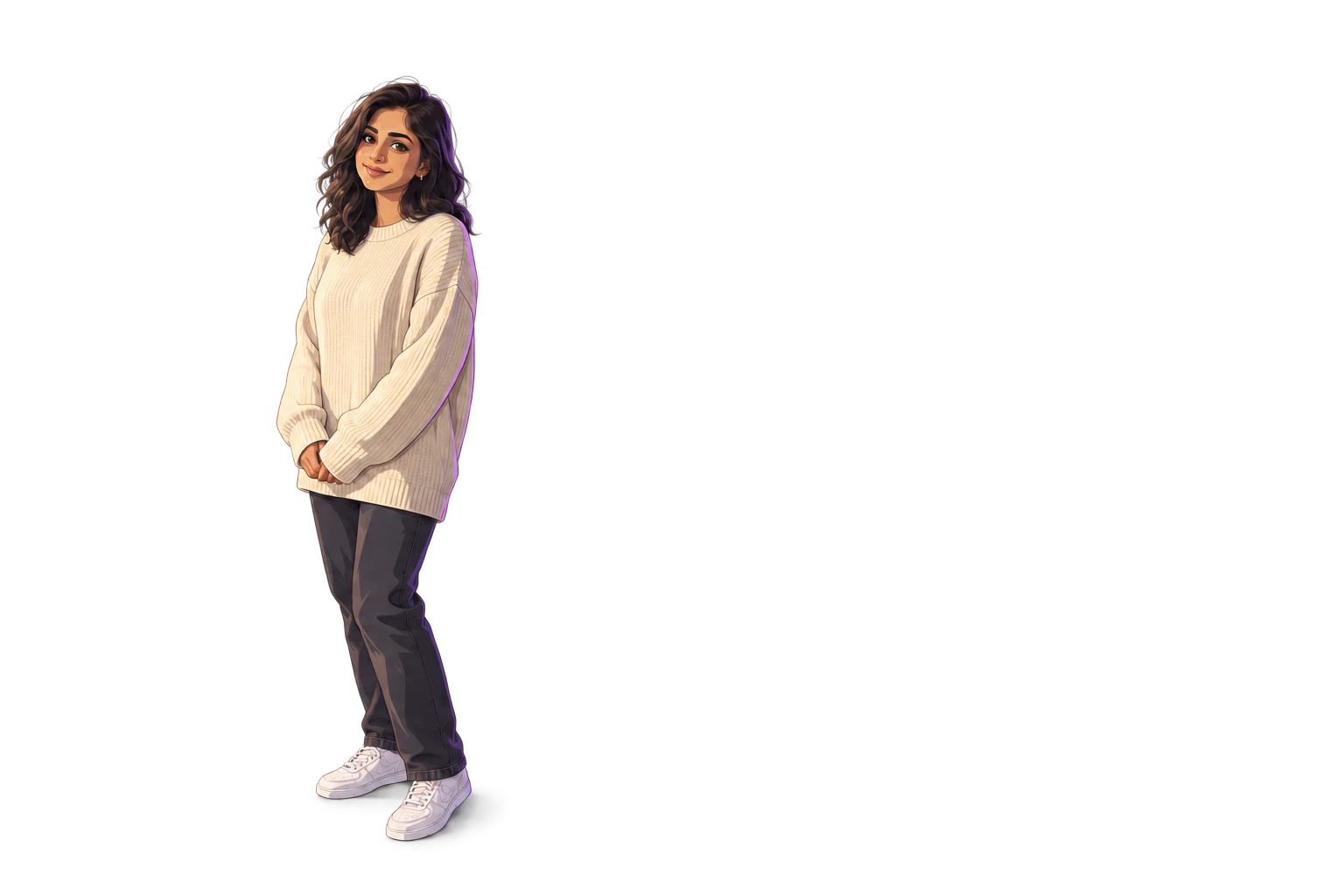
The Cast is yours (photos or invented), the World is yours, the premise is yours — the genre only sets the Look and the writing defaults. Two sitcoms from different users share a grammar, not a cast or a story.

Which genre should I start with?

Whichever is closest to the idea already in your head — the platform page for each genre (/make/sitcom, /make/vertical-drama, and the rest linked below) shows its grammar. Wrong guesses are cheap; the Cast and World transfer.

Is it only short vertical video?

No — 9:16 is the phone-first format the product is tuned for, but 16:9 widescreen is a first-class option for short films and shared screens. Length and frame are your call per Episode.

Can I mix genres inside one series?

The World keeps one Look, but genre is a writing default — a comedy World can host a dramatic Episode, and a prompt can override the genre for one chapter. Style-jumping between Worlds is how you change the Look itself.

What can’t I make?

Real-person deepfakes, other people’s characters as IP copies, and anything the content policy forbids. The consent and likeness rules are real; the creative range inside them is the wide part.

Your nextScene startswith you.

Make something you’ve always wanted to be in.

TRY THIS

Explore plans & Credits